Nobiletin Attenuates Inflammation and Modulates Lipid Metabolism in an In Vitro Model of Intestinal Failure-Associated Liver Disease
Marta Belka, Aleksandra Gostyńska-Stawna, Karina Sommerfeld-Klatta, Maciej Stawny, Violetta Krajka-Kuźniak

TL;DR
Nobiletin reduces inflammation and improves lipid metabolism in a lab model of intestinal failure-associated liver disease, suggesting potential therapeutic benefits.
Contribution
This study demonstrates nobiletin's novel protective effects against IFALD through anti-inflammatory and lipid-regulating mechanisms in vitro.
Findings
Nobiletin reduced phosphorylation of pro-inflammatory proteins JNK, NF-κB, and STAT3 in hepatocytes and cholangiocytes.
Nobiletin upregulated lipid metabolism genes and enhanced antioxidant defenses in THLE-2 cells.
Nobiletin preserved cell viability and normalized ALT and AST activities under IFALD-like conditions.
Abstract
Background: Intestinal failure-associated liver disease (IFALD) is a serious complication in patients receiving parenteral nutrition, often exacerbated by inflammation, lipid overload, and oxidative stress. Nobiletin (NOB), a polymethoxylated flavone, is known for its anti-inflammatory and lipid-regulating properties. Methods: We employed an in vitro model using THLE-2 human hepatocytes and primary human cholangiocytes exposed to Intralipid (INT) and lipopolysaccharide (LPS) to simulate IFALD conditions. NOB was tested at non-toxic concentrations (10 and 25 µM) to assess its protective effects. MTT viability assays, multiplex bead-based immunoassays (MAGPIX), RT-qPCR, and Western blotting were used to evaluate changes in inflammation markers, gene expression, and protein signaling. Moreover, ALT and AST activities were used to assess hepatocellular injury. Results: NOB maintained high…
Genes, proteins, chemicals, diseases, species, mutations and cell lines named across the full text — each resolved to its canonical identifier and authoritative record.
Click any figure to enlarge with its caption.
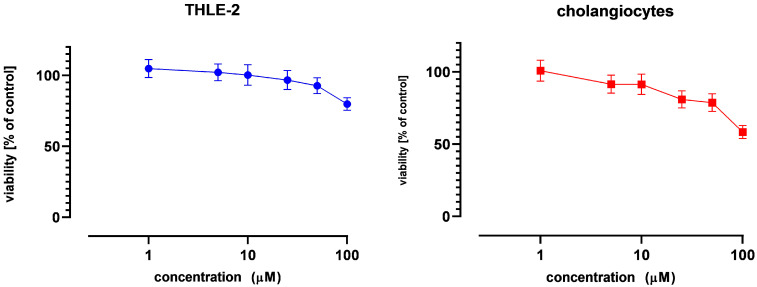 Figure 1
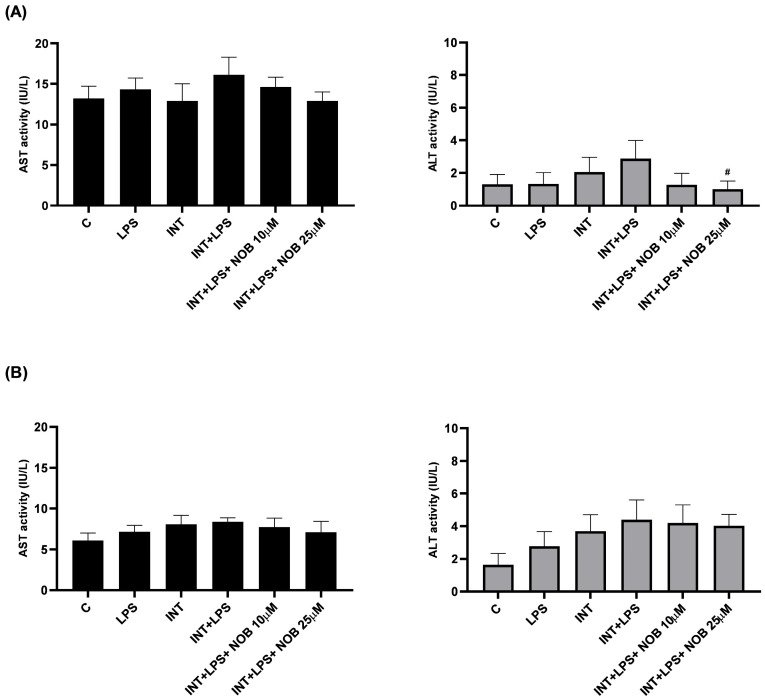 Figure 2
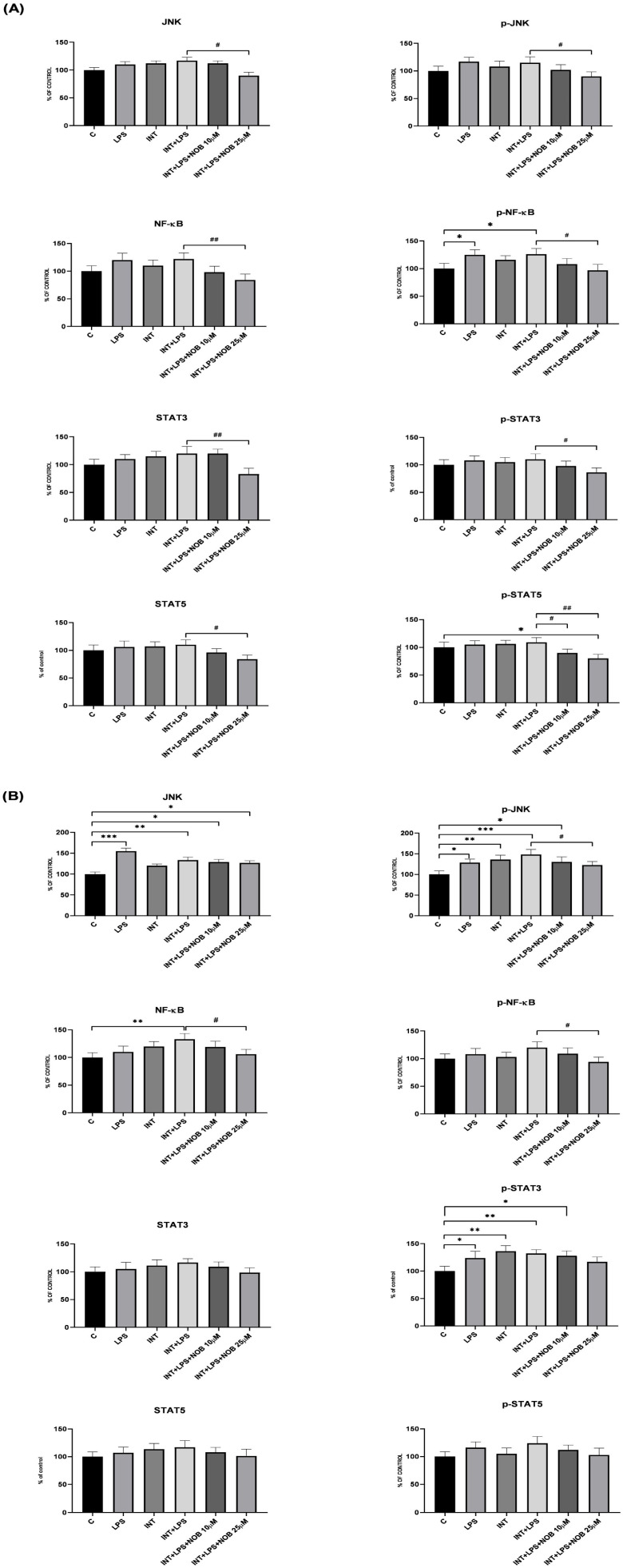 Figure 3
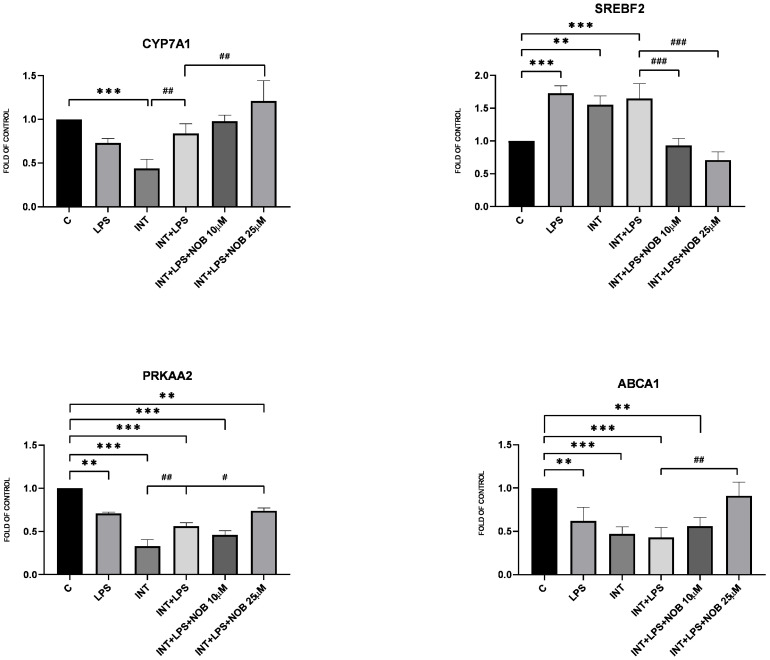 Figure 4
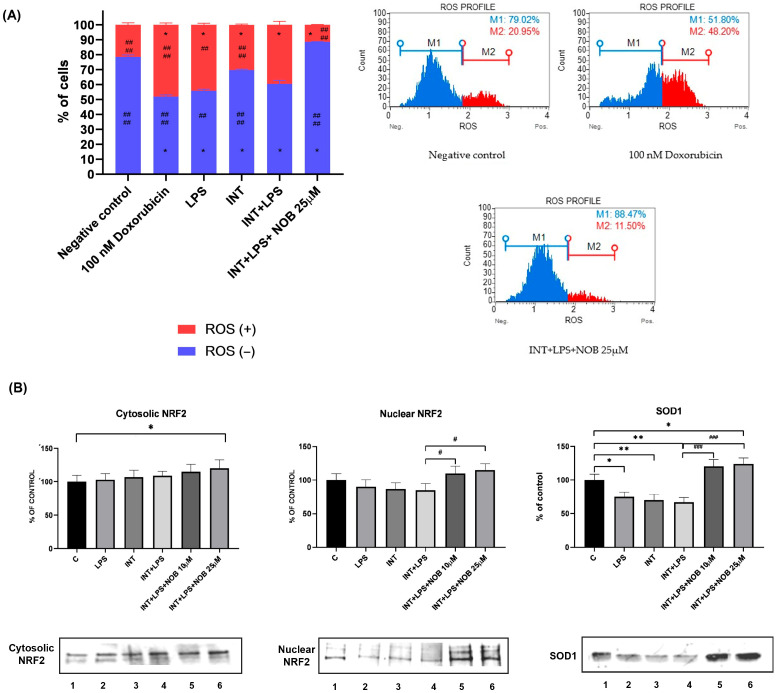 Figure 5
Peer Reviews
No public reviews on file for this paper yet. If you reviewed it on a platform where reviews are public (OpenReview, ICLR, NeurIPS, ICML), you can paste yours below so the community can read it here.
Videos
No videos yet. Explain this paper in a talk, walkthrough, or lecture? Add one.
Taxonomy
TopicsBioactive Compounds in Plants · Ginkgo biloba and Cashew Applications · Neurological Disease Mechanisms and Treatments