Dunaliella salina-Loaded Diosmetin Carriers Alleviate Oxidative Stress and Inflammation in Cisplatin-Induced Acute Kidney Injury via PI3K/AKT Pathway
Yujing Huangfu, Wei Chen, Dandan Guo, Peiyao Wang, Aifang Li, Yi Yang, Shuxuan Li, Qianfang Wang, Baiyan Wang, Shuying Feng

TL;DR
A new microalgae-based delivery system improves the effectiveness of diosmetin in protecting against cisplatin-induced kidney damage by targeting oxidative stress and inflammation.
Contribution
A novel microalgae-based delivery system for diosmetin is developed, enhancing its efficacy and revealing its mechanism via the PI3K/AKT pathway.
Findings
Ds-Dio significantly improved renal function and showed better protection than diosmetin alone.
Ds-Dio modulates the PI3K/AKT pathway to suppress inflammation and activate antioxidant responses.
Ds-Dio demonstrated safety with no toxicity to major organs in the AKI model.
Abstract
Background: As a widely used chemotherapeutic agent, cisplatin frequently induces acute kidney injury (AKI), which severely compromises patient survival and limits its clinical use. While the natural flavonoid diosmetin (Dio) shows promise in mitigating cisplatin-induced nephrotoxicity, its clinical translation is challenged by poor solubility, low bioavailability, and incompletely elucidated mechanisms. This study aimed to overcome these limitations by developing a novel drug delivery system using the microalgae Dunaliella salina (D. salina, Ds) to load Dio (Ds-Dio), thereby enhancing its efficacy and exploring its therapeutic potential. Methods: We first characterized the physicochemical properties of Ds and Dio, and then Ds-Dio complex was synthesized via co-incubation. Its nephroprotective efficacy and safety were systematically evaluated in a cisplatin-induced mouse AKI model by…
Genes, proteins, chemicals, diseases, species, mutations and cell lines named across the full text — each resolved to its canonical identifier and authoritative record.
Click any figure to enlarge with its caption.
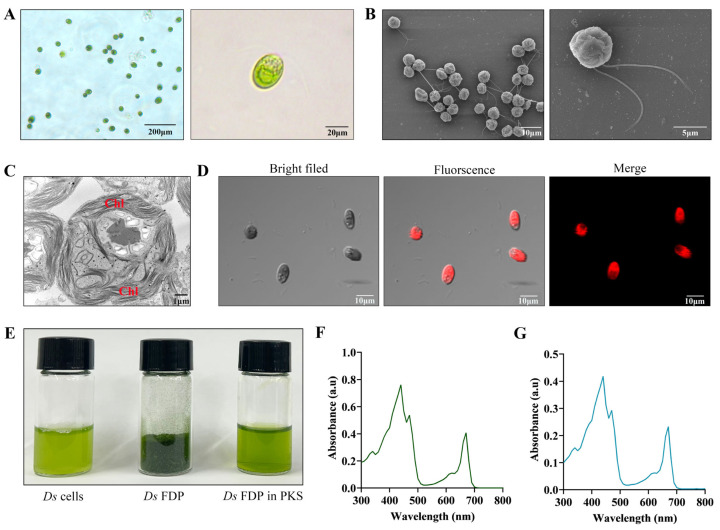 Figure 1
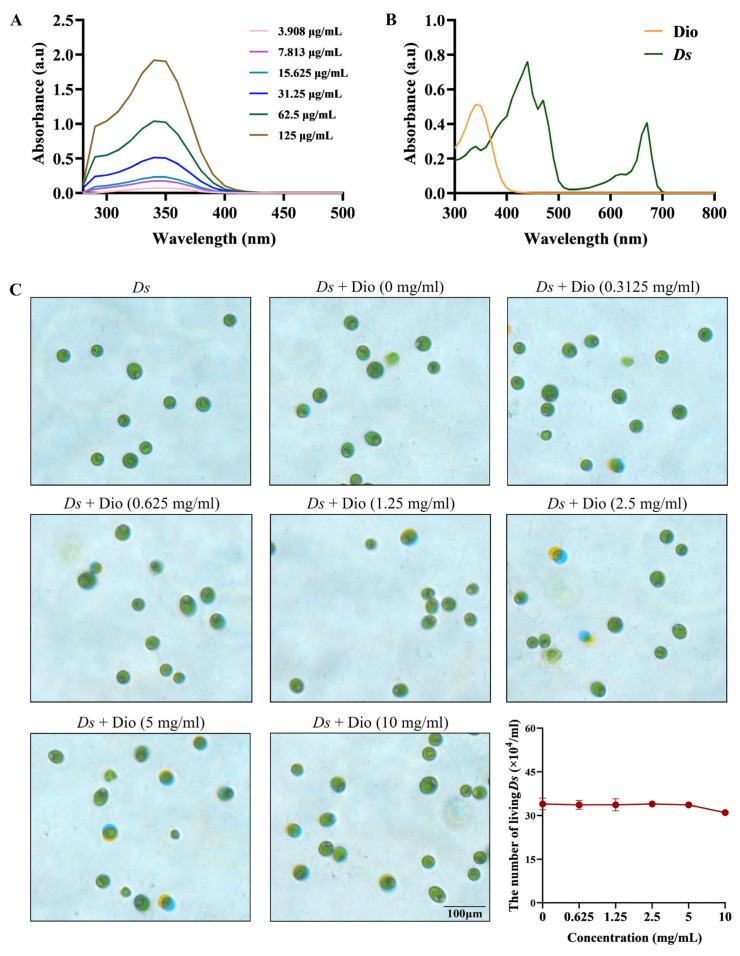 Figure 2
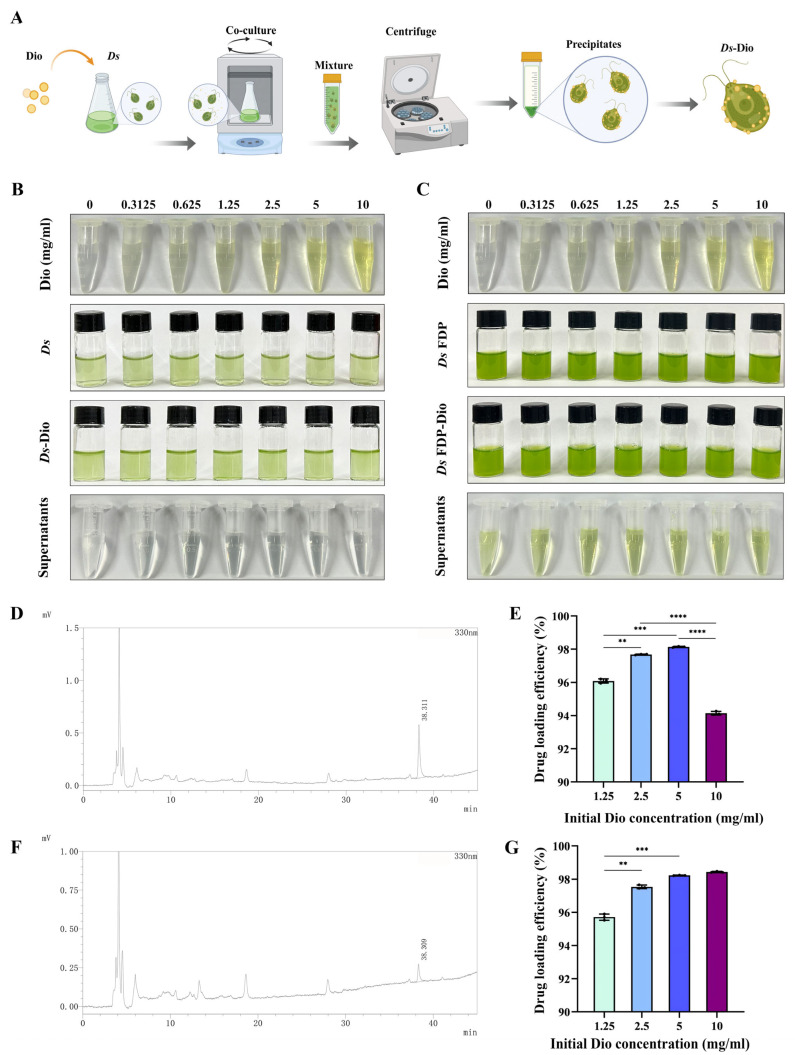 Figure 3
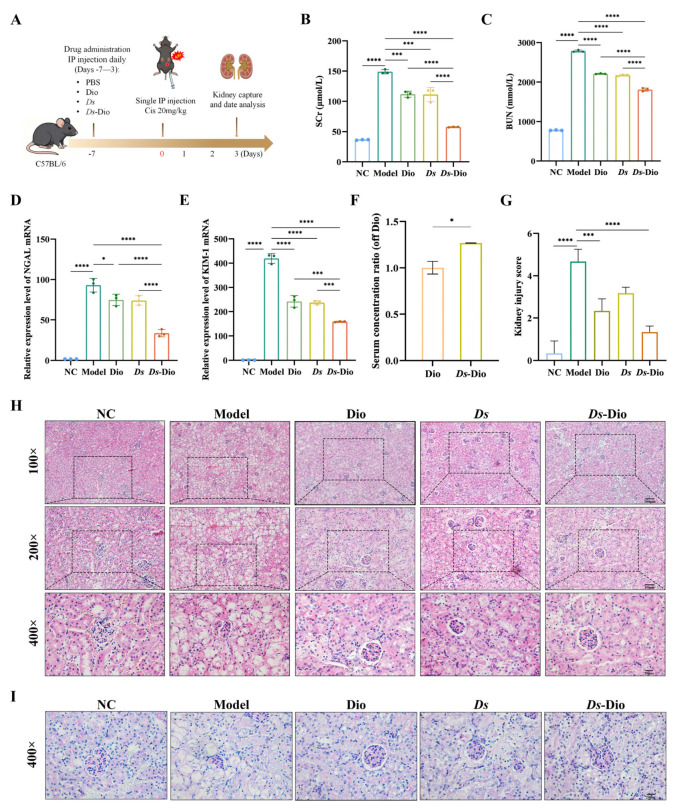 Figure 4
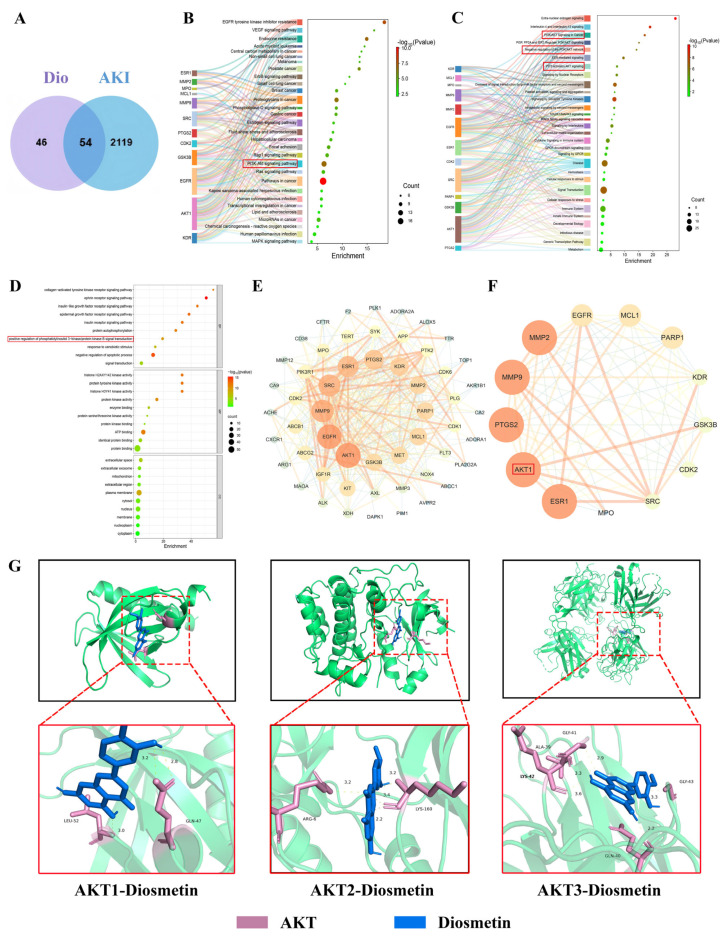 Figure 5
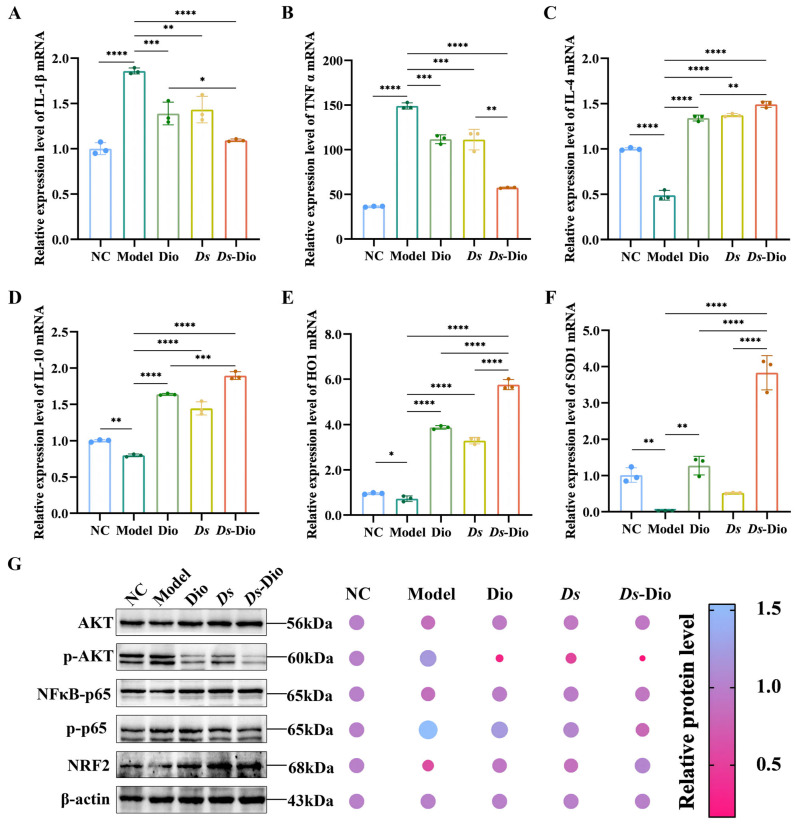 Figure 6
Peer Reviews
No public reviews on file for this paper yet. If you reviewed it on a platform where reviews are public (OpenReview, ICLR, NeurIPS, ICML), you can paste yours below so the community can read it here.
Videos
No videos yet. Explain this paper in a talk, walkthrough, or lecture? Add one.
Taxonomy
TopicsChemotherapy-induced organ toxicity mitigation · Acute Kidney Injury Research · Natural Compounds in Disease Treatment