Helminth Antigens Modulate Virus-Induced Activation of CD154 (CD40L) Expression on T Cells in Onchocerca volvulus-Infected Individuals
Brice Armel Nembot Fogang, Kathrin Arndts, Tomabu Adjobimey, Michael Owusu, Vera Serwaa Opoku, Derrick Adu Mensah, John Boateng, Jubin Osei-Mensah, Julia Meyer, Ute Klarmann-Schulz, Sacha Horn, Inge Kroidl, Alexander Y. Debrah, Achim Hoerauf, Manuel Ritter, Linda B. Debrah

TL;DR
This study shows that helminth infections, like Onchocerca volvulus, can change how T cells respond to SARS-CoV-2, which may affect vaccine effectiveness and disease outcomes in areas where helminths are common.
Contribution
The study reveals a novel mechanism by which helminth antigens modulate SARS-CoV-2-induced T-cell activation, particularly through CD154 expression.
Findings
O. volvulus-infected individuals showed reduced CD154 expression on CD4+ T cells but increased on CD8+ T cells when exposed to SARS-CoV-2 peptides.
Co-stimulation with A. lumbricoides antigens reduced SARS-CoV-2-induced T-cell activation in O. volvulus-infected individuals.
A. lumbricoides-specific IgG levels were inversely correlated with SARS-CoV-2-induced CD4+CD154+ T-cell responses.
Abstract
Background: The interaction between helminth and viral infections has important implications for understanding viral disease outcomes and vaccine efficacy in helminth-endemic regions. We previously demonstrated that helminth seropositivity is associated with reduced Th1/Th17 cytokine levels and reduced COVID-19 severity; however, the underlying immunological mechanisms remain unclear. This study further investigated these mechanisms by assessing how helminth antigens influence SARS-CoV-2-induced T-cell responses in individuals infected with filarial parasites in vitro. Methods: Peripheral blood mononuclear cells (PBMCs) from 43 participants, including Onchocerca volvulus-infected individuals, filarial lymphedema patients, and non-endemic controls, were stimulated in vitro with SARS-CoV-2 peptides and Ascaris lumbricoides antigens. Results: Fluorescence-activated cell sorting analysis…
Genes, proteins, chemicals, diseases, species, mutations and cell lines named across the full text — each resolved to its canonical identifier and authoritative record.
Click any figure to enlarge with its caption.
 Figure 1
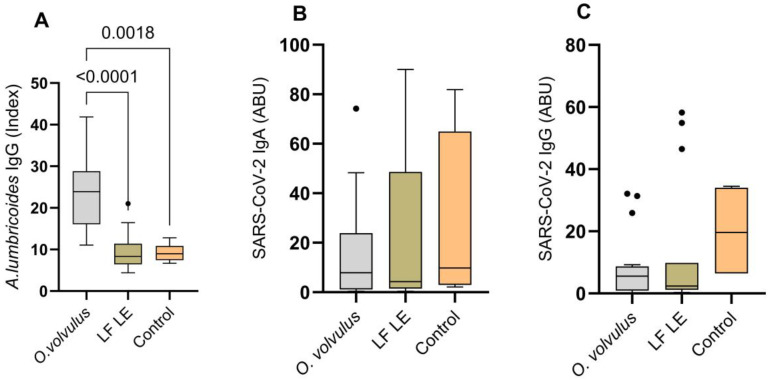 Figure 2
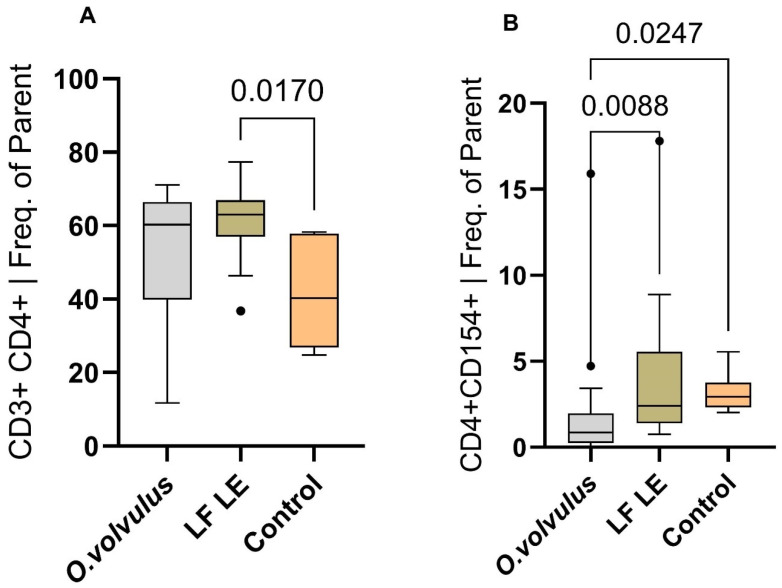 Figure 3
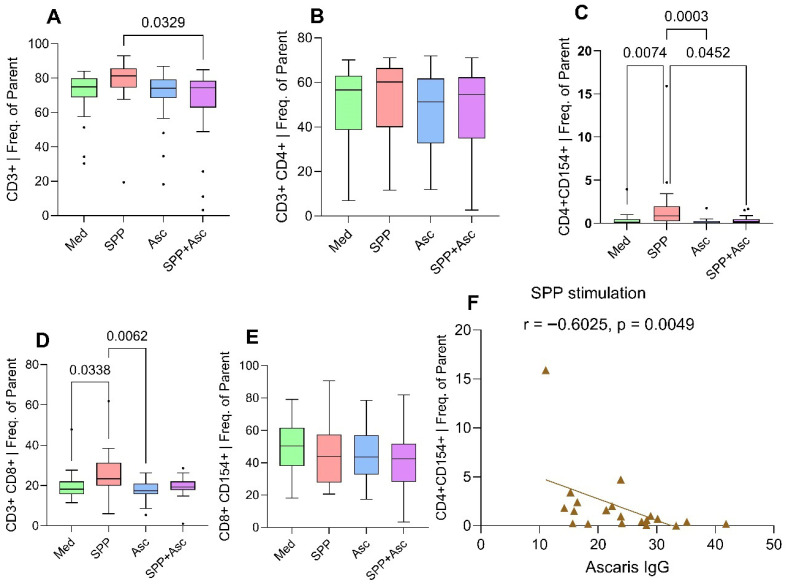 Figure 4
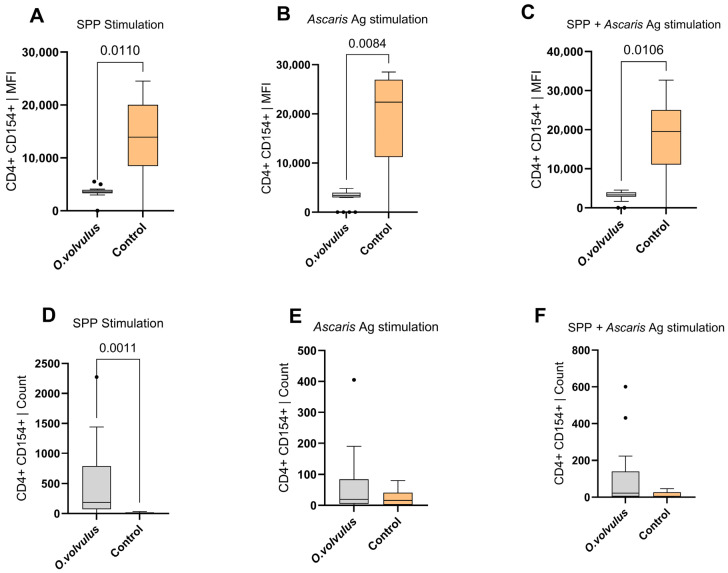 Figure 5
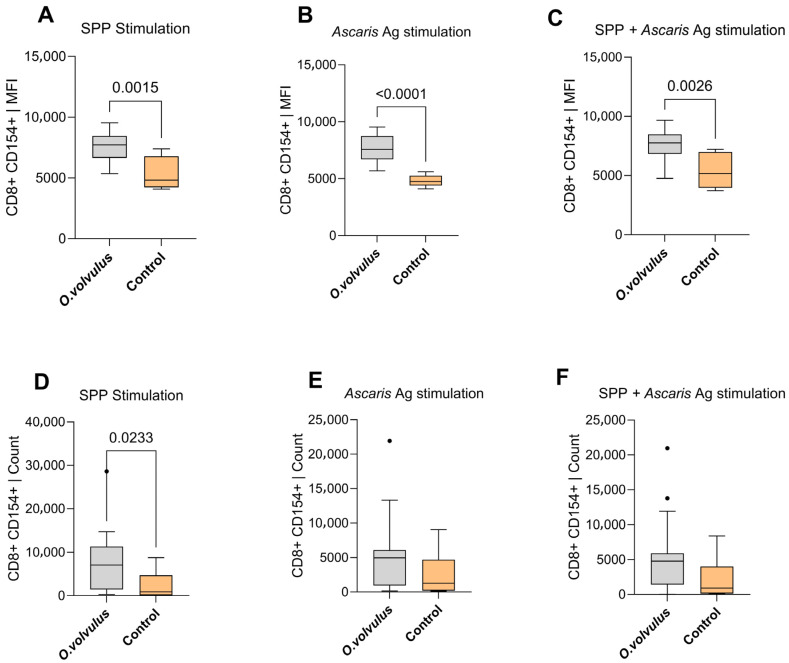 Figure 6
 Figure 7
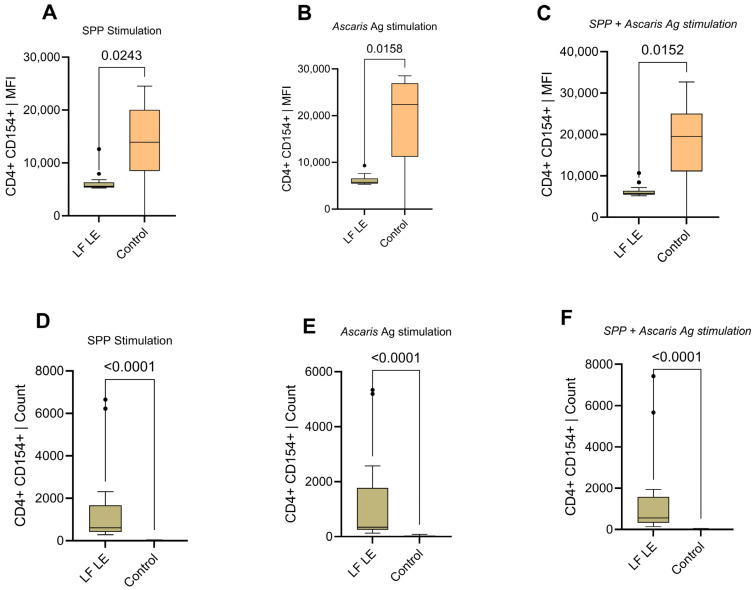 Figure 8
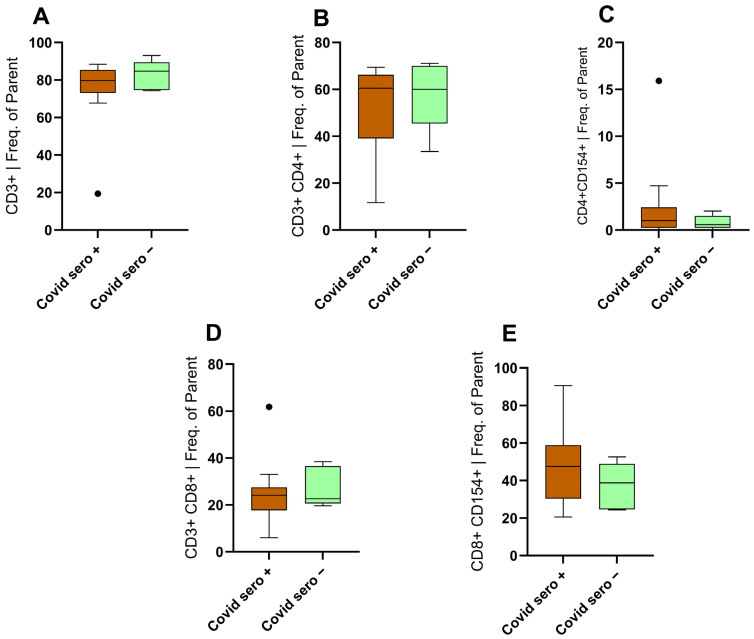 Figure 9
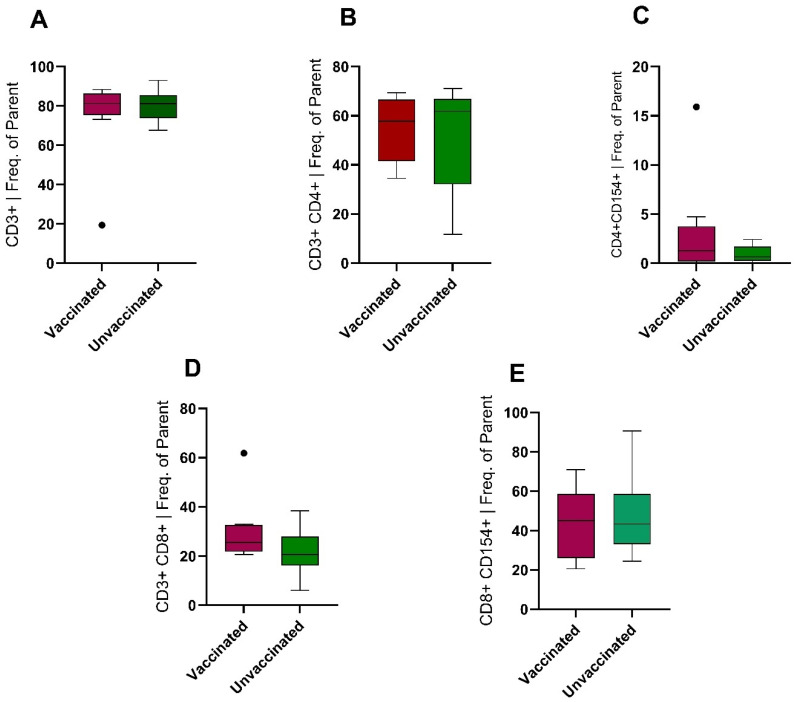 Figure 10
Peer Reviews
No public reviews on file for this paper yet. If you reviewed it on a platform where reviews are public (OpenReview, ICLR, NeurIPS, ICML), you can paste yours below so the community can read it here.
Videos
No videos yet. Explain this paper in a talk, walkthrough, or lecture? Add one.
Taxonomy
TopicsParasites and Host Interactions · Parasitic Diseases Research and Treatment · Parasite Biology and Host Interactions