Discovery of New Quinazolinone and Benzimidazole Analogs as Tubulin Polymerization Inhibitors with Potent Anticancer Activities
Boye Jiang, Juan Zhang, Kai Shao, Conghao Gai, Bing Xu, Yan Zou, Yan Song, Qingjie Zhao, Qingguo Meng, Xiaoyun Chai

TL;DR
Researchers discovered a new compound, B6, that effectively stops cancer cell growth by inhibiting tubulin polymerization and shows strong anticancer activity in both lab and animal models.
Contribution
The novel compound B6, a quinazolinone and benzimidazole analog, shows potent and broad-spectrum anticancer activity with promising in vivo efficacy.
Findings
Compound B6 exhibited an average IC50 value of 2 μM against four cancer cell lines.
B6 disrupted microtubule networks and arrested the cell cycle at the G2/M phase.
B6 showed 70.21% tumor growth inhibition in a mouse melanoma model at 50 mg/kg.
Abstract
Background/Objectives: Cancer persists as a leading concern in the current medical field, and current therapies are limited by toxicity, cost, and resistance. Targeted inhibition of tubulin polymerization is considered as a promising therapeutic strategy for cancer treatment. Methods: Thirty-one new tubulin polymerization inhibitors were designed via molecular hybridization techniques, and BLI technology was employed to quantitatively investigate their interactions with tubulin. Antiproliferative activities against MCF-7, MDA-MB-231, A549, and HeLa cell lines was evaluated using the CCK8 assay. Apoptosis induction and cell cycle arrest were analyzed by flow cytometry. The anti-tumor activity of compound B6 was validated in a mouse melanoma tumor model. Results: Compounds exhibited varying degrees of antiproliferative activity against four tumor cell lines. Among them, compound B6 was…
Genes, proteins, chemicals, diseases, species, mutations and cell lines named across the full text — each resolved to its canonical identifier and authoritative record.
Click any figure to enlarge with its caption.
 Figure 1
 Figure 2
 Figure 3
 Figure 4
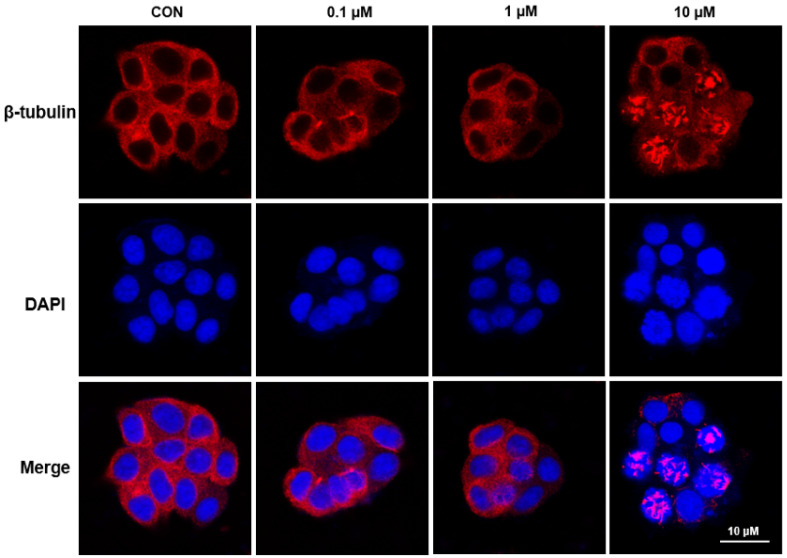 Figure 5
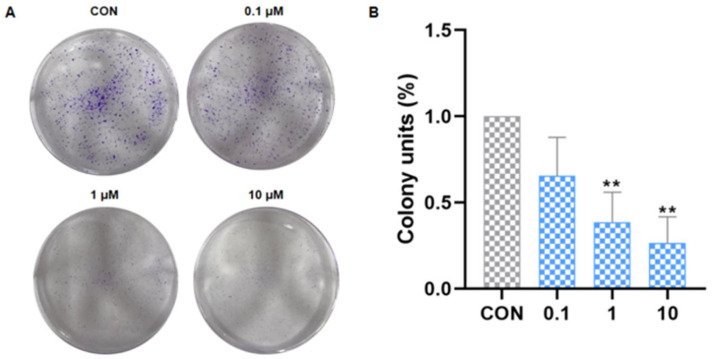 Figure 6
 Figure 7
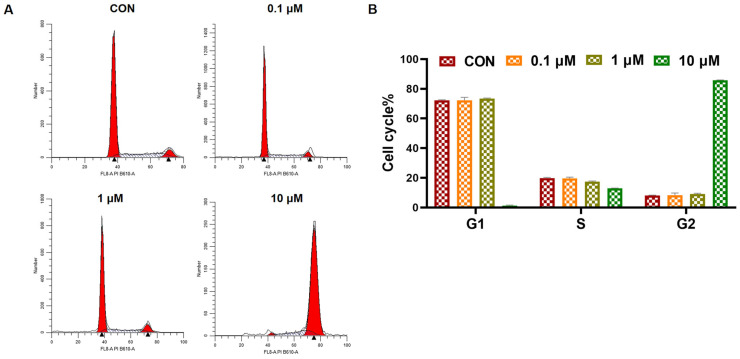 Figure 8
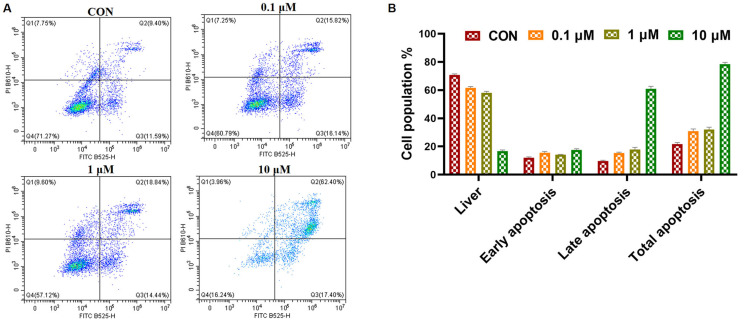 Figure 9
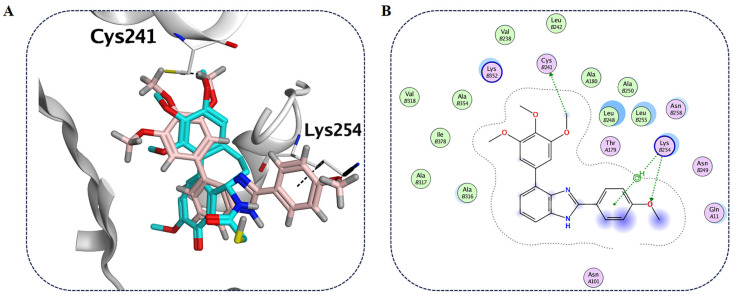 Figure 10
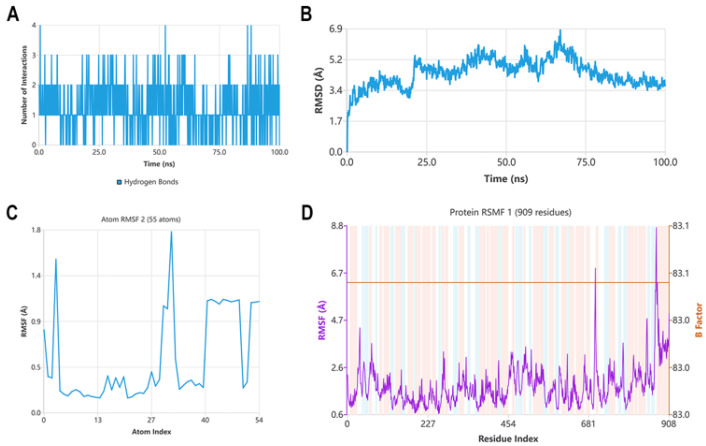 Figure 11
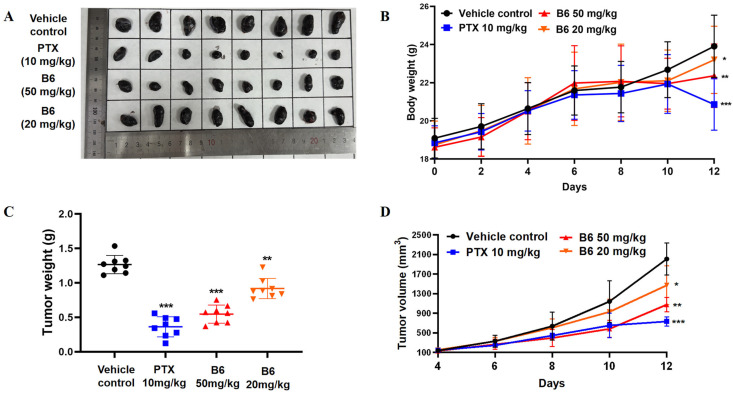 Figure 12
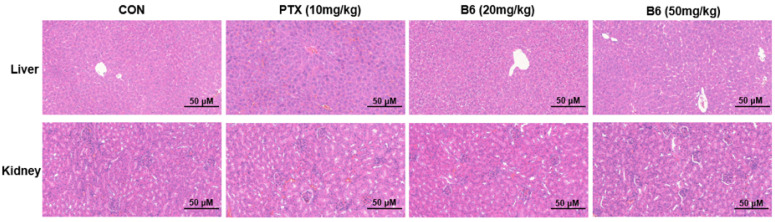 Figure 13
 Figure 14
 Figure 15
 Figure 16
 Figure 17
 Figure 18
 Figure 19
 Figure 20
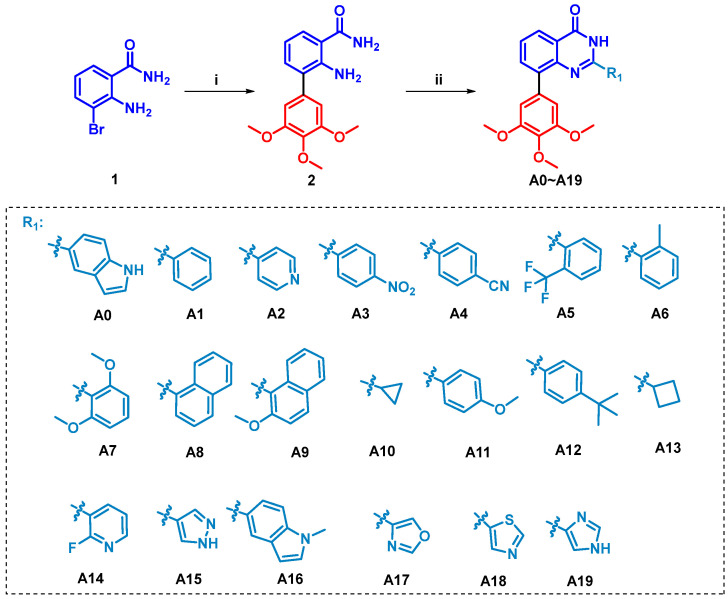 Figure 21
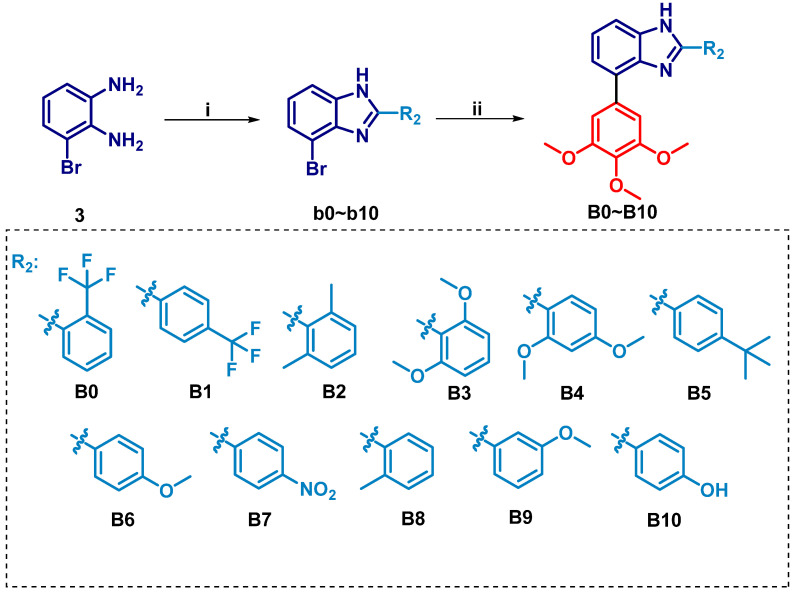 Figure 22
Peer Reviews
No public reviews on file for this paper yet. If you reviewed it on a platform where reviews are public (OpenReview, ICLR, NeurIPS, ICML), you can paste yours below so the community can read it here.
Videos
No videos yet. Explain this paper in a talk, walkthrough, or lecture? Add one.
Taxonomy
TopicsSynthesis and biological activity · Quinazolinone synthesis and applications · Click Chemistry and Applications