Twig and Leaf Morphological Traits and Photosynthetic Physiological Characteristics of Periploca sepium in Response to Different Light Environments in Taohe Riparian Forests
Min Ma, Chengzhang Zhao, Qun Li, Gang Hou, Junxian Chen

TL;DR
This study explores how the plant Periploca sepium adapts its twig and leaf structures and photosynthesis in different light conditions.
Contribution
The study reveals a resource investment trade-off strategy in P. sepium's adaptation to varying light environments.
Findings
Plants in shaded areas had long, thick twigs and large leaves with high photosynthetic efficiency.
Plants in sunny areas showed opposite traits, with lower photosynthetic efficiency and different leaf structures.
Twig and leaf traits correlated strongly with photosynthetic characteristics across habitats.
Abstract
Understanding the variations in twig and leaf morphologies and photosynthetic physiological characteristics of riparian forest plants in heterogeneous habitats is of great significance for revealing their phenotypic plasticity mechanisms and ecological adaptation strategies. In this study, the riparian forest plant Periploca sepium Bunge was selected as the research object. According to the canopy light environment experienced by the P. sepium population, three habitats were established: under-canopy, gap, and full-sun areas. We studied the twig and leaf morphological and photosynthetic characteristics of P. sepium under heterogeneous light environments, as well as the relationships between these two aspects. Plants in the under-canopy area developed long and thick twigs with few large leaves, coupled with high actual photosynthetic efficiency of photosystem II (Y(II)) and low…
Genes, proteins, chemicals, diseases, species, mutations and cell lines named across the full text — each resolved to its canonical identifier and authoritative record.
Click any figure to enlarge with its caption.
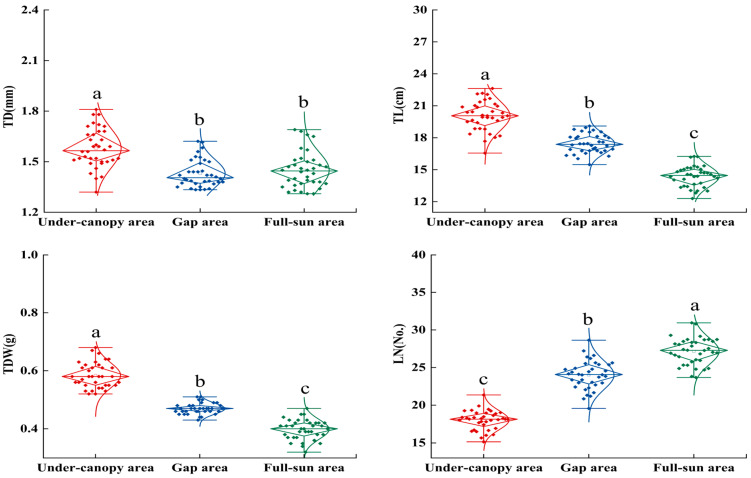 Figure 1
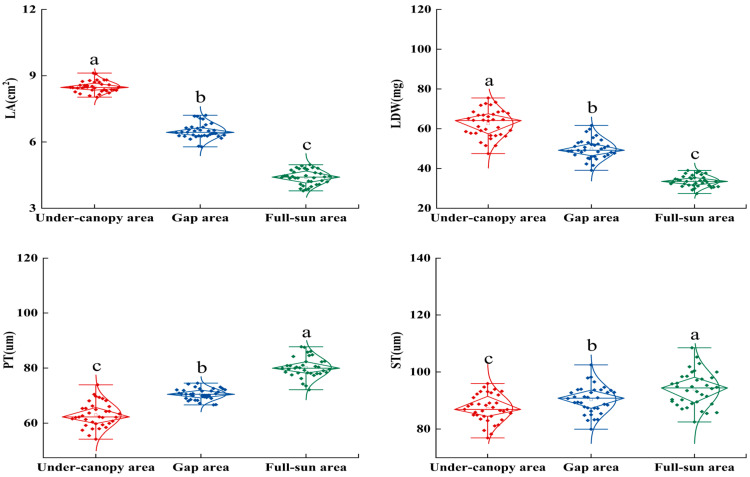 Figure 2
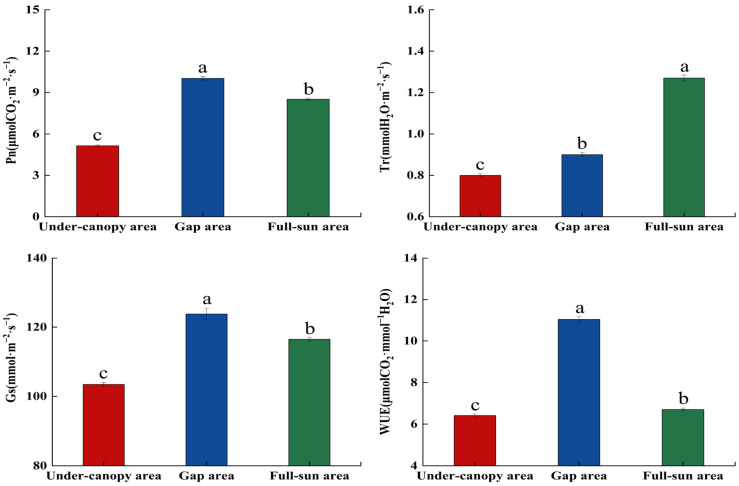 Figure 3
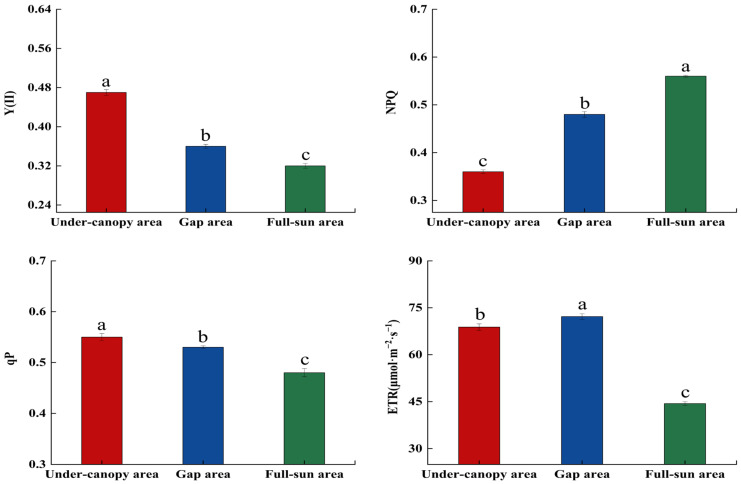 Figure 4
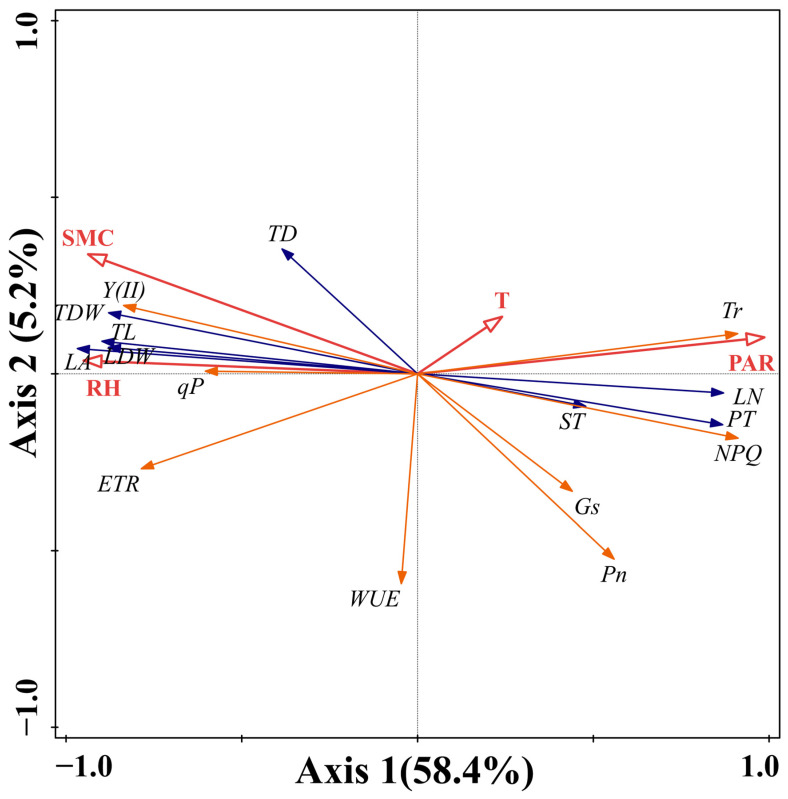 Figure 5
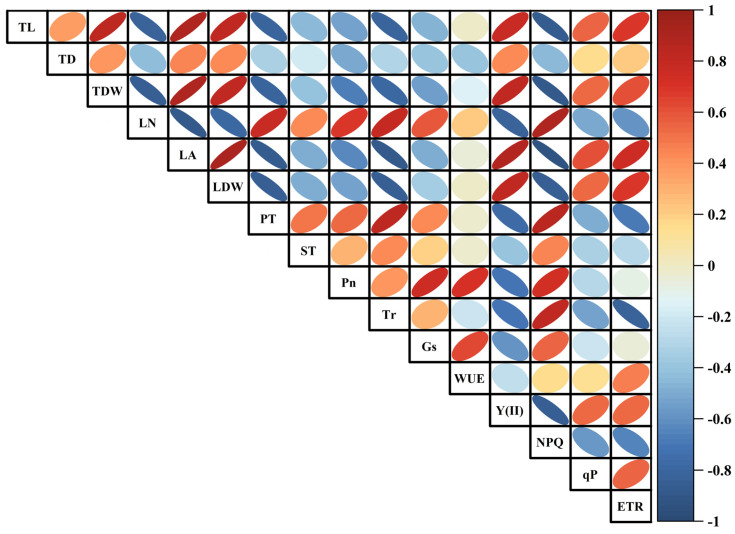 Figure 6
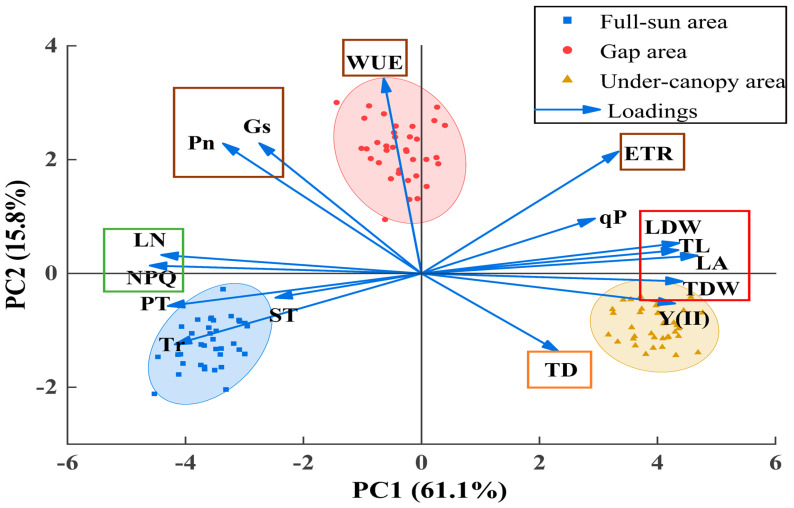 Figure 7
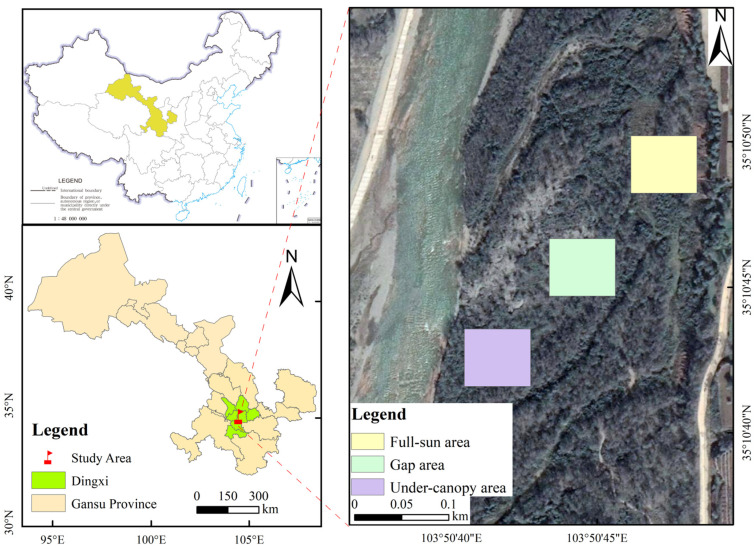 Figure 8
Peer Reviews
No public reviews on file for this paper yet. If you reviewed it on a platform where reviews are public (OpenReview, ICLR, NeurIPS, ICML), you can paste yours below so the community can read it here.
Videos
No videos yet. Explain this paper in a talk, walkthrough, or lecture? Add one.
Taxonomy
TopicsPlant Water Relations and Carbon Dynamics · Plant Diversity and Evolution · Ecology and Vegetation Dynamics Studies