Preclinical Studies on Plant Based-Antacid Formulations as New Therapies for Gastro-Oesophageal Reflux Disease
Paola De Cicco, Nunzio Antonio Cacciola, Rebecca Amico, Barbara Romano, Umberto Di Maio, Natasa Milic, Antonino Bagnulo, Maria Francesca Nanì, Laura Viscovo, Marcello Scivicco, Raffaele Capasso, Ester Pagano, Francesca Borrelli

TL;DR
This study explores plant-based antacid formulations as potential new treatments for GERD, finding that one combination shows the most promise in protecting the stomach and improving gastric emptying.
Contribution
The study introduces and evaluates novel plant-based antacid formulations for GERD treatment, highlighting a promising combination of medicinal plants.
Findings
All formulations reduced gastro-oesophageal damage and gastric contents without affecting acidity or pH.
Formulation 4 showed the best effects on gastric injury and gastric emptying.
Medicinal plants combined with antacids may offer a new approach for GERD treatment.
Abstract
Background/Objectives: Gastro-oesophageal reflux disease (GERD) refers to a disease in which stomach acid rises into the oesophagus. Currently, proton pump inhibitors (PPIs) are the most commonly used medications to treat GERD. However, long-term use of PPIs is not free from side effects, and new treatment strategies are needed. The present study was conducted to evaluate the gastroprotective potential of four different formulations containing both antiacids and medicinal plants considered useful for the treatment of GERD. Methods: The protective effects of the formulations on gastric ulcers in pyloric ligation-induced gastric mucosal lesions in mice were evaluated by measuring gastric emptying, the ulcer index, gastric content, total acidity, and the pH of the gastric fluid. Gastric damage was also assessed by measuring myeloperoxidase (MPO) activity. Results: Formulations containing…
Genes, proteins, chemicals, diseases, species, mutations and cell lines named across the full text — each resolved to its canonical identifier and authoritative record.
Click any figure to enlarge with its caption.
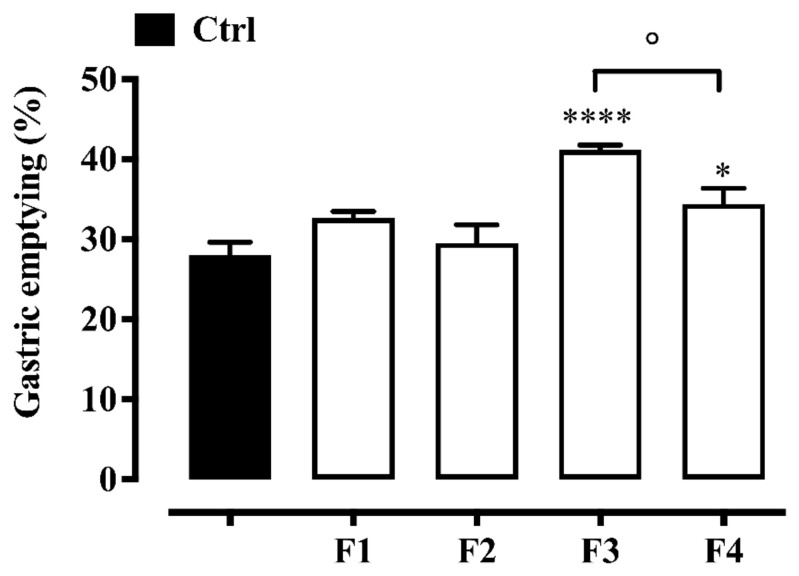 Figure 1
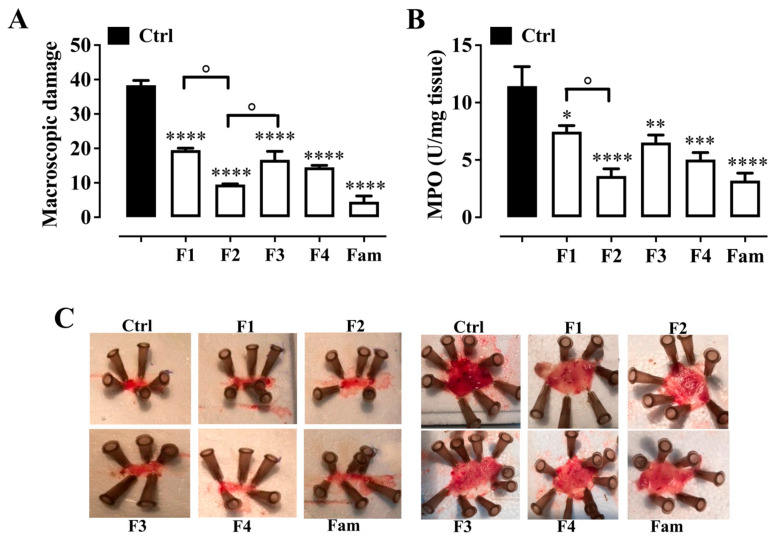 Figure 2
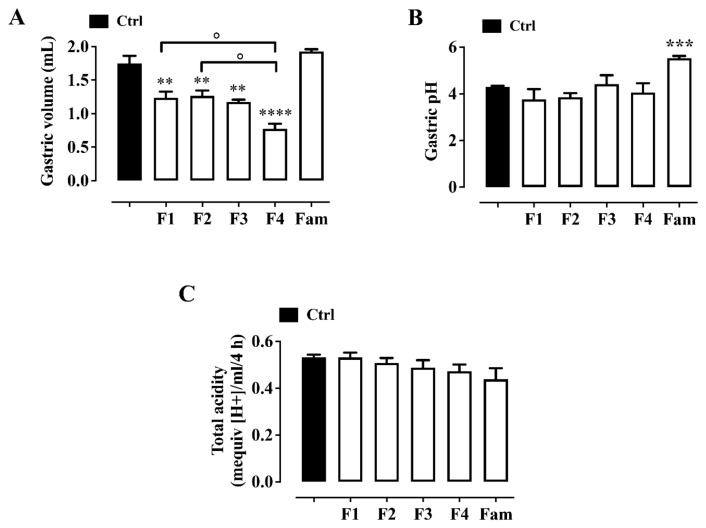 Figure 3
Peer Reviews
No public reviews on file for this paper yet. If you reviewed it on a platform where reviews are public (OpenReview, ICLR, NeurIPS, ICML), you can paste yours below so the community can read it here.
Videos
No videos yet. Explain this paper in a talk, walkthrough, or lecture? Add one.
Taxonomy
TopicsBotanical Research and Applications · Helicobacter pylori-related gastroenterology studies · Microbial Metabolites in Food Biotechnology