Maternal Protein Restriction and Branched-Chain Amino Acid Supplementation Differentially Affect Maternal Energy Balance and Impair Offspring Growth
Daniela Redrovan, Souvik Patra, Md Tareq Aziz, Matthew W. Gorton, Emily A. Chavez, Scott Frederiksen, Joshua Rowe, Adel Pezeshki, Prasanth K. Chelikani

TL;DR
Reducing maternal protein intake in obese rats improves energy balance but harms offspring growth, and adding BCAAs doesn't fully reverse these effects.
Contribution
This study reveals how maternal protein restriction and BCAA supplementation differentially impact maternal energy balance and offspring development in obesity.
Findings
Maternal protein restriction increased energy expenditure but reduced offspring body weight and craniofacial growth.
BCAA supplementation improved maternal insulin sensitivity but failed to rescue offspring skeletal deficits.
Protein restriction effects on offspring growth persisted into adulthood despite post-weaning high-fat diets.
Abstract
Background: The increasing prevalence of low-birth-weight (LBW) offspring from obese mothers underscores the need for dietary strategies to mitigate the transgenerational propagation of metabolic diseases. Objectives: We determined whether dietary protein restriction under obesogenic conditions altered maternal energy balance and led to LBW offspring and whether branched-chain amino acid (BCAA) supplementation improved maternal energy balance and mitigated weight and craniofacial skeletal deficits in offspring. Methods: High-fat-fed obese pregnant Sprague Dawley rats (~8–10 weeks of age, n = 8–11/group) were randomized in study 1 to control high-fat diet (20% protein; HFD), low-protein diet (LP; 5% protein), and LP + BCAA diet (100% BCAA requirements) and in study 2 to control HFD (20% protein), LP (10% protein), and LP + 2BCAA diet (200% BCAA requirements). Post-weaning offspring were…
Genes, proteins, chemicals, diseases, species, mutations and cell lines named across the full text — each resolved to its canonical identifier and authoritative record.
Click any figure to enlarge with its caption.
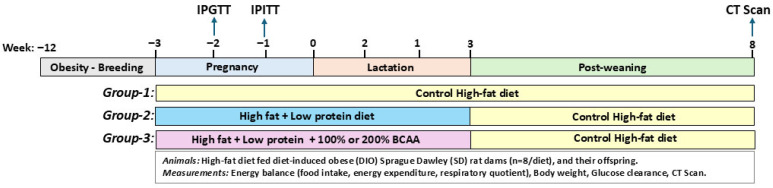 Figure 1
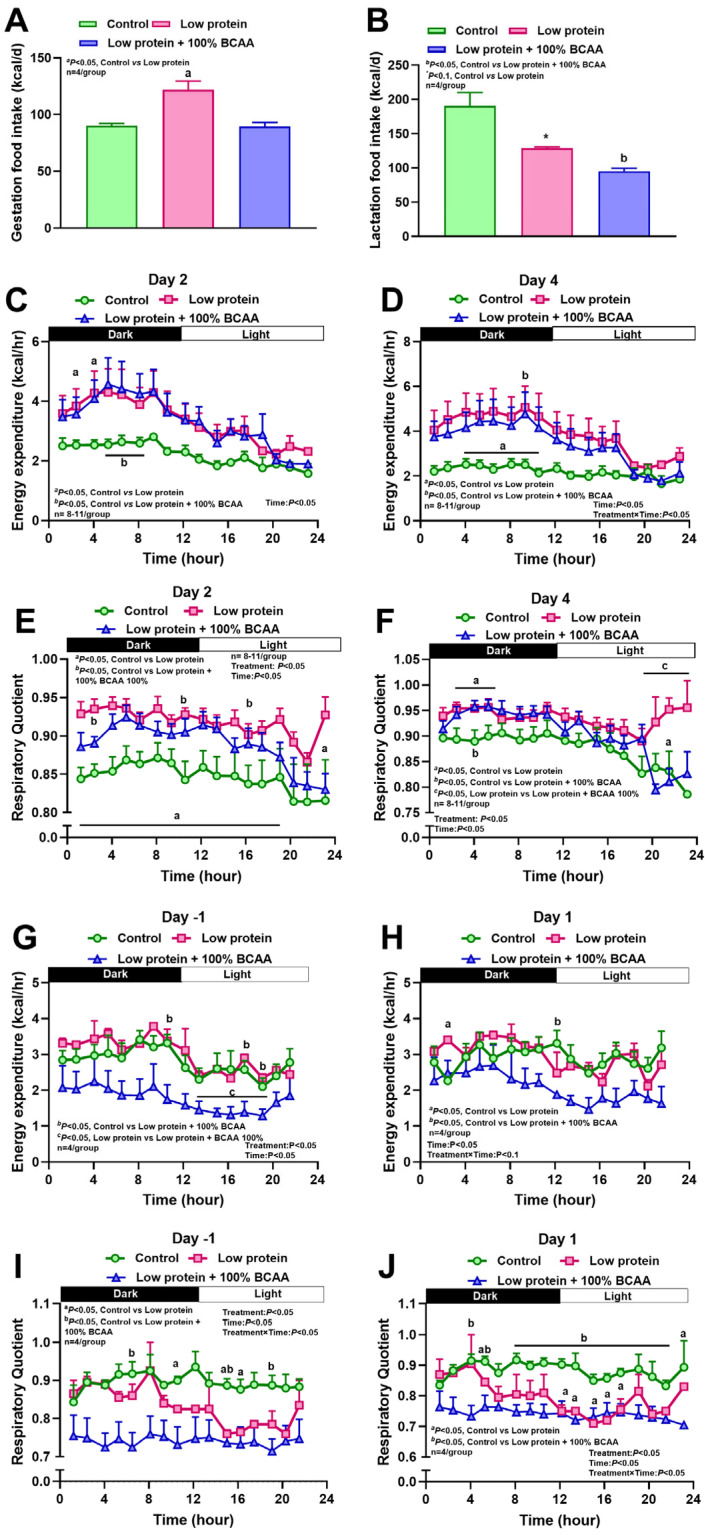 Figure 2
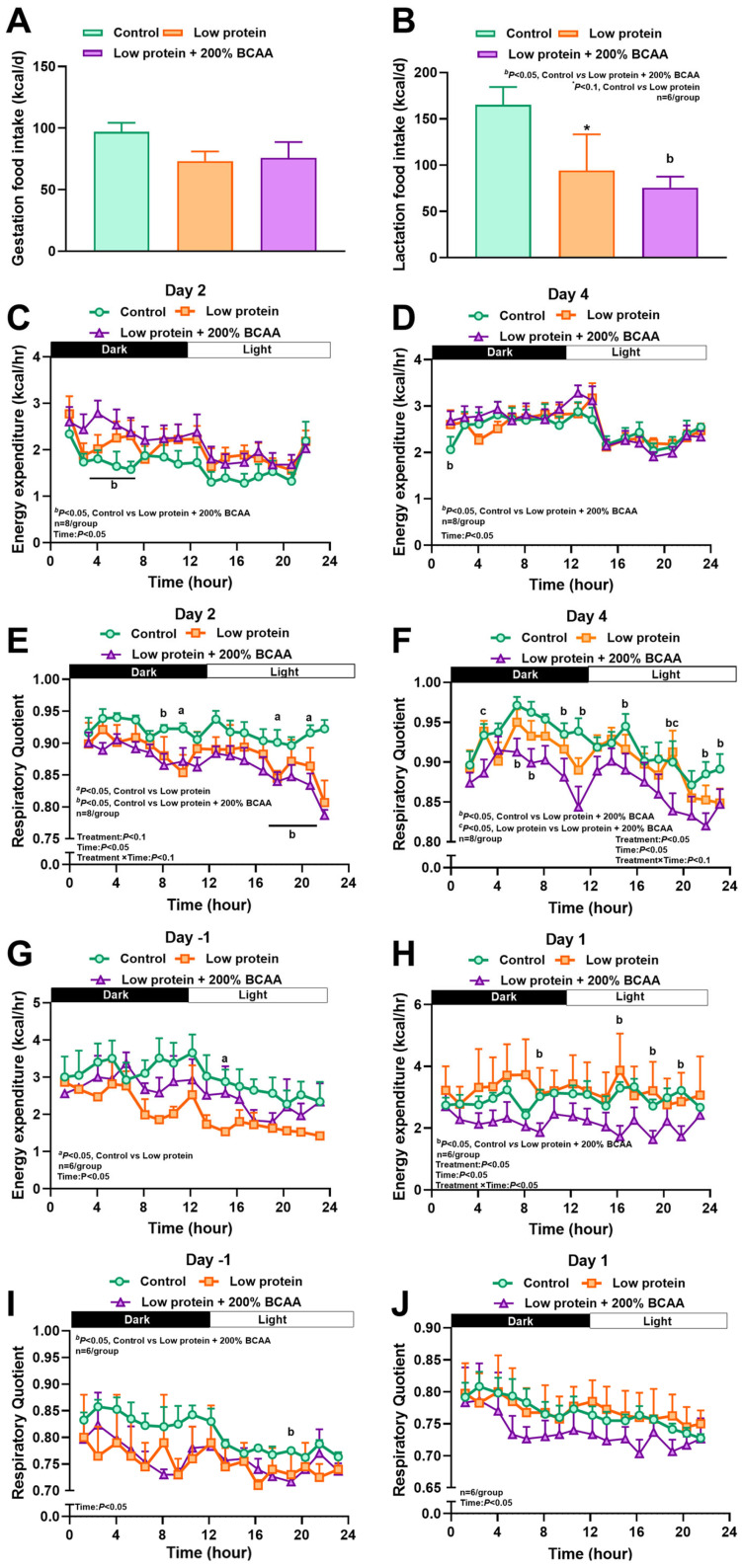 Figure 3
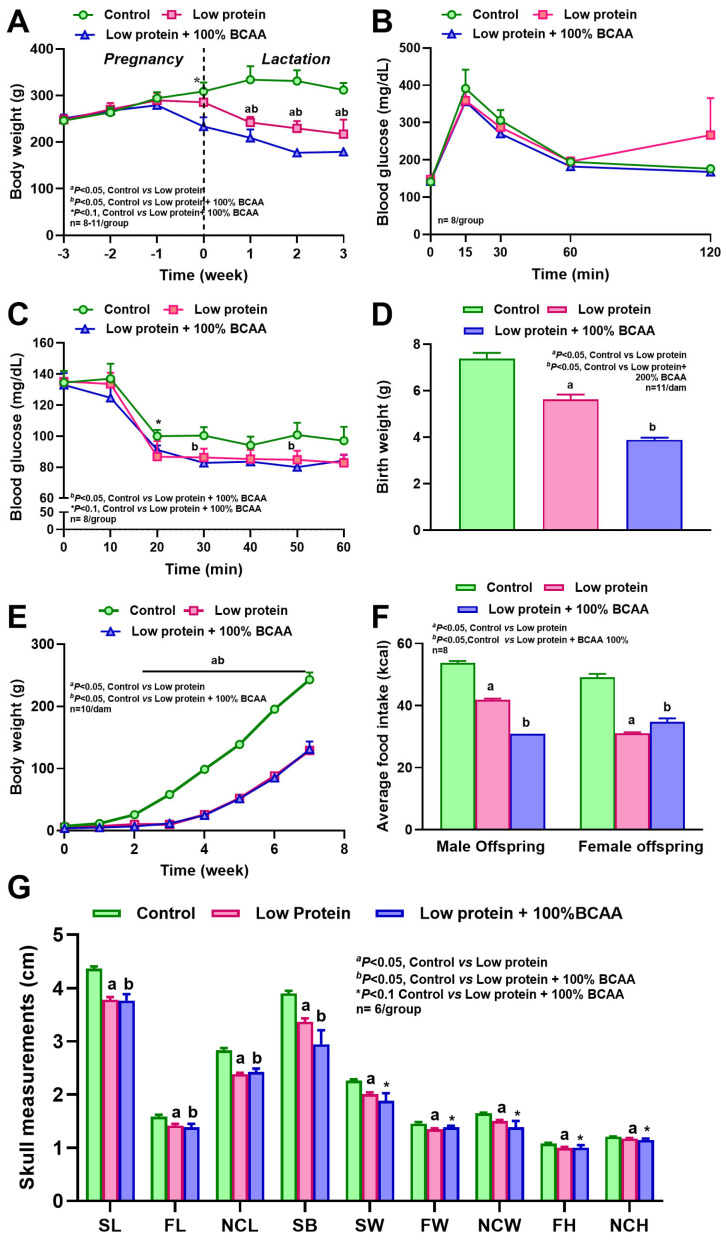 Figure 4
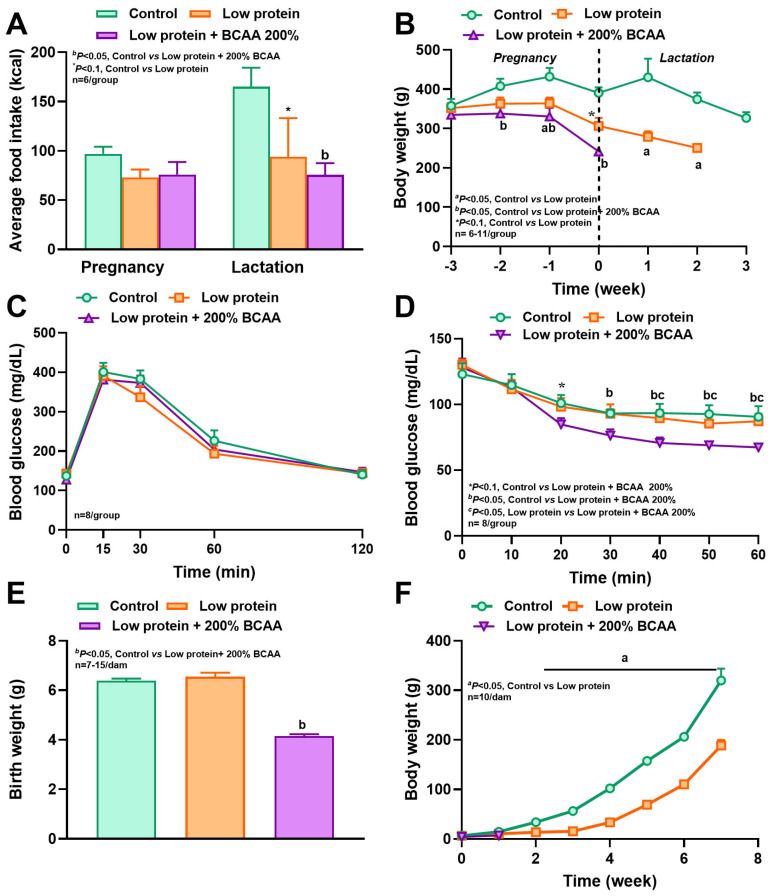 Figure 5
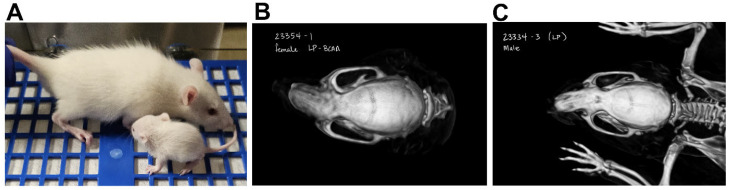 Figure 6
Peer Reviews
No public reviews on file for this paper yet. If you reviewed it on a platform where reviews are public (OpenReview, ICLR, NeurIPS, ICML), you can paste yours below so the community can read it here.
Videos
No videos yet. Explain this paper in a talk, walkthrough, or lecture? Add one.
Taxonomy
TopicsBirth, Development, and Health · Gestational Diabetes Research and Management · Muscle metabolism and nutrition