Association Between Dyspeptic Symptoms and Eating Habits in the Colombian Population
Julia María Alatorre-Cruz, Ricardo Carreño-López, Vanesa Vargas-Plaza, Lizbeth Barrios-Cortés, Yair Olovaldo Santiago-Sáenz, Claudia Fabiola Martínez-de la Peña, Norma Angélica Santiesteban-López, Graciela Catalina Alatorre-Cruz

TL;DR
This study explores how eating habits and occupation relate to dyspeptic symptoms in Colombia, finding that fatty foods increase symptoms while probiotics and onions may help.
Contribution
The study identifies specific dietary predictors of dyspeptic symptoms in the Colombian population, including fatty foods and probiotics.
Findings
Students had higher dyspeptic symptoms compared to other occupations.
High consumption of fatty and fried foods predicted higher dyspeptic symptom scores.
Probiotic and white onion consumption was linked to better gastrointestinal health.
Abstract
Background/Objectives: Functional dyspepsia (FD) is a gastrointestinal disorder typically treated by changes in diet and lifestyle. However, in the Colombian population, few studies have addressed its etiology and diagnosis. This exploratory study aimed to identify predictive variables associated with the presence of dyspeptic symptoms (DS). Methods: To address this, a self-survey was conducted evaluating sociodemographic characteristics, clinical history, and dietary habits. A DS index was calculated using participant’s clinical history to explore the characteristics of the groups with more and less DS (MDS and LDS groups). Additionally, a regression model was applied to identify the predictors of higher DS scores. Pooled data from the rolling, cross-sectional eating habits and DS survey between May and July of 2024. We enrolled 102 Colombian participants between 18 and 65 years old.…
Genes, proteins, chemicals, diseases, species, mutations and cell lines named across the full text — each resolved to its canonical identifier and authoritative record.
Click any figure to enlarge with its caption.
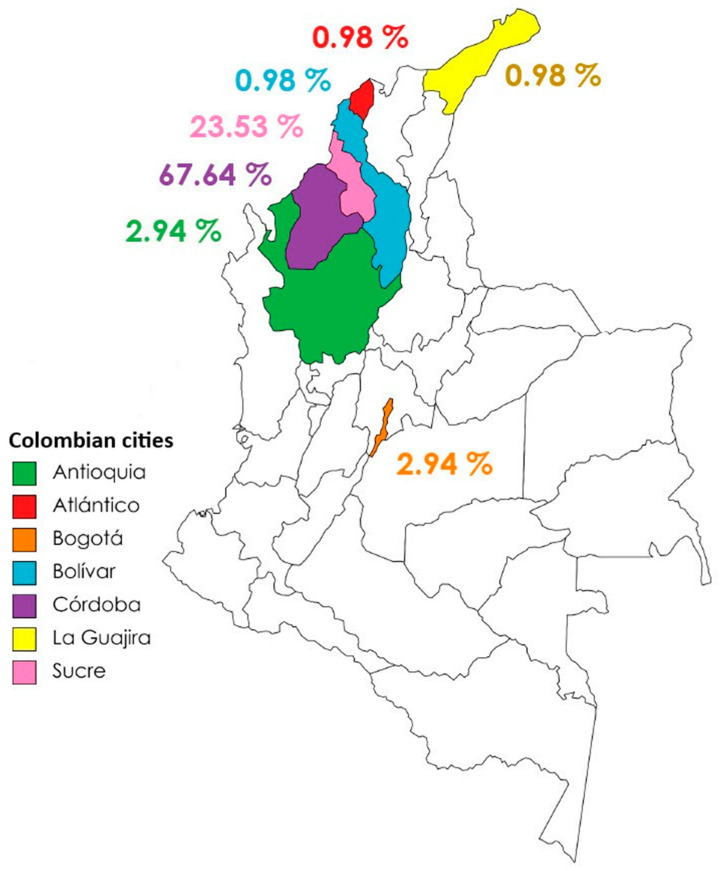 Figure 1
Peer Reviews
No public reviews on file for this paper yet. If you reviewed it on a platform where reviews are public (OpenReview, ICLR, NeurIPS, ICML), you can paste yours below so the community can read it here.
Videos
No videos yet. Explain this paper in a talk, walkthrough, or lecture? Add one.
Taxonomy
TopicsGastrointestinal motility and disorders · Biochemical Analysis and Sensing Techniques · Menstrual Health and Disorders