Ai-Fen Solid Dispersions: Preparation, Characterization, and Enhanced Therapeutic Efficacy in a Rat Model of Oral Ulceration
Bing-Nan Liu, Kai-Lang Mu, Chang-Liu Shao, Ping-Xuan Xie, Jun-Li Xie, Mei-Hui He, Yu-Chen Liu, Ke Zhong, Yuan Yuan, Xiao-Min Tang, Yu-Xin Pang

TL;DR
This study improves the effectiveness of Ai-Fen, a traditional herbal medicine, by creating solid dispersions that enhance its solubility and healing effects in a rat model of oral ulcers.
Contribution
The study introduces a novel formulation strategy using solid dispersions to enhance the bioavailability and therapeutic efficacy of Ai-Fen for oral ulceration.
Findings
AF-SD reduced ulcer area by 60.7% and achieved a healing rate of 74.16% in rats.
Serum TNF-α and IL-6 levels decreased significantly, while VEGF levels increased, indicating reduced inflammation and enhanced healing.
Histological analysis showed reduced inflammation, faster re-epithelialization, and increased neovascularization.
Abstract
Background/Objectives: Recurrent oral ulceration (ROU) is the most prevalent disorder of the oral mucosa, affecting approximately 20% of the global population. Current therapies are limited by adverse effects and high recurrence rates. Ai-Fen, enriched in the anti-inflammatory monoterpenoid L-borneol (54.3% w/w), exhibits therapeutic potential but suffers from poor aqueous solubility and low bioavailability. This study aimed to improve the physicochemical properties and in vivo efficacy of Ai-Fen through the preparation of solid dispersions. Methods: Ai-Fen solid dispersions (AF-SD) were prepared by a melt-fusion method using polyethylene glycol 6000 (PEG 6000) as the carrier. An L9(33) orthogonal design was employed to optimize three critical parameters: drug-to-carrier ratio, melting temperature, and melting duration. The resulting dispersions were systematically characterized by…
Genes, proteins, chemicals, diseases, species, mutations and cell lines named across the full text — each resolved to its canonical identifier and authoritative record.
Click any figure to enlarge with its caption.
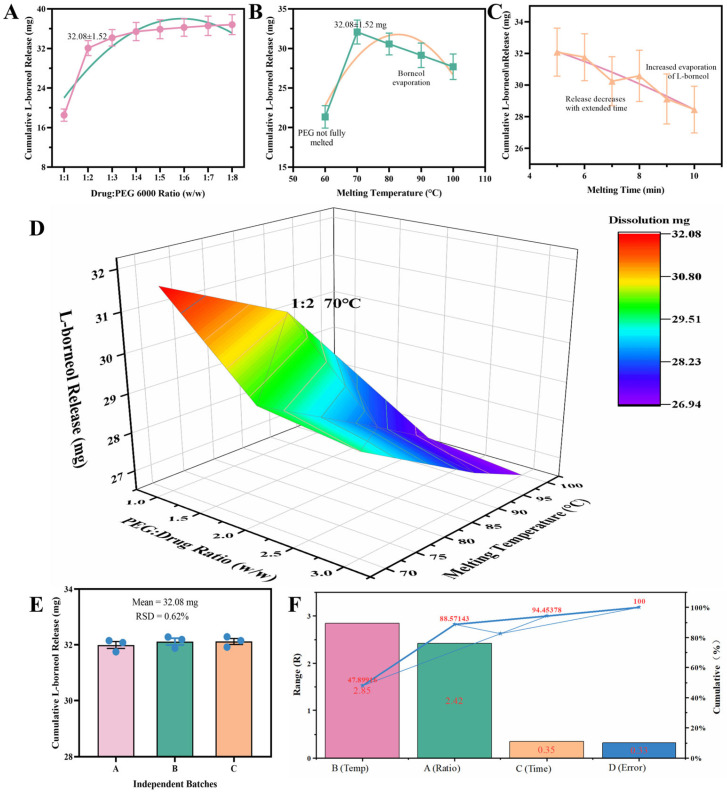 Figure 1
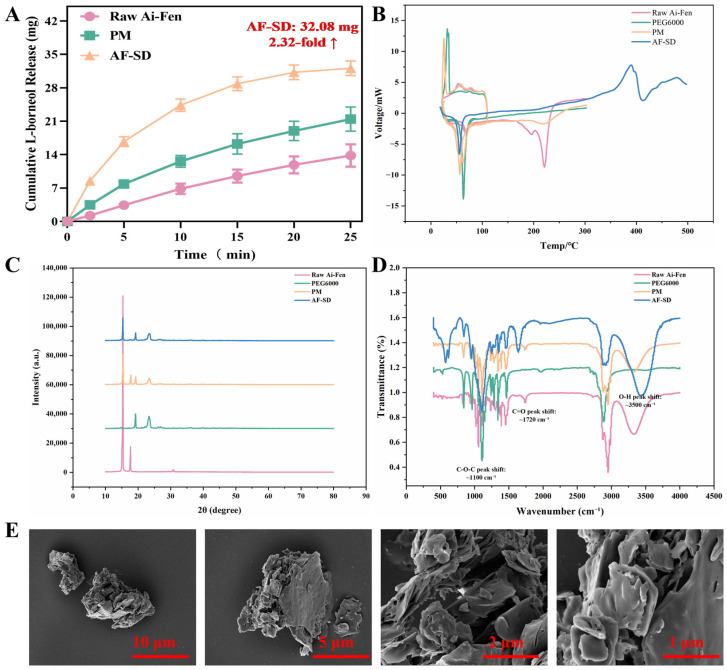 Figure 2
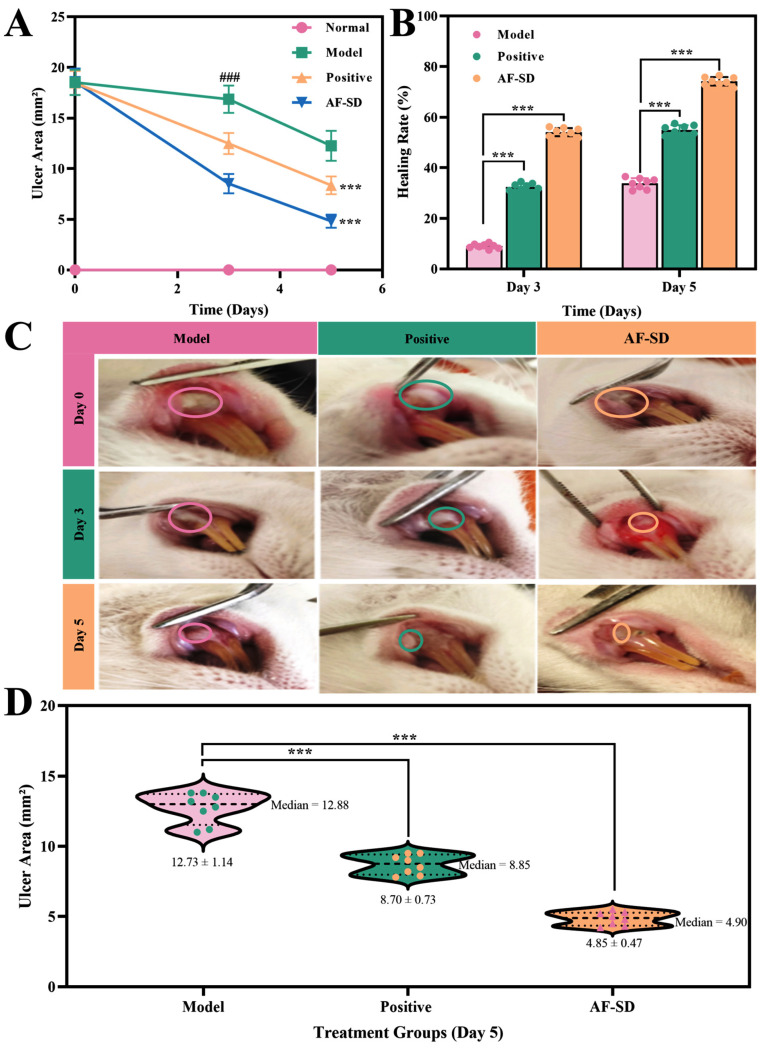 Figure 3
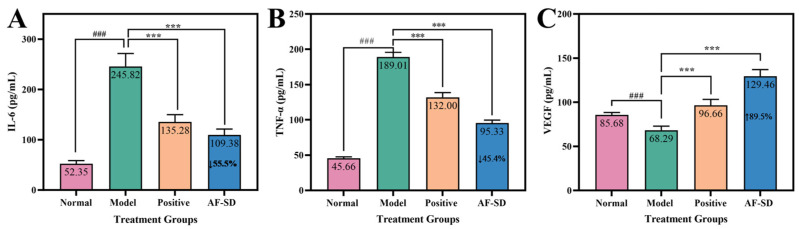 Figure 4
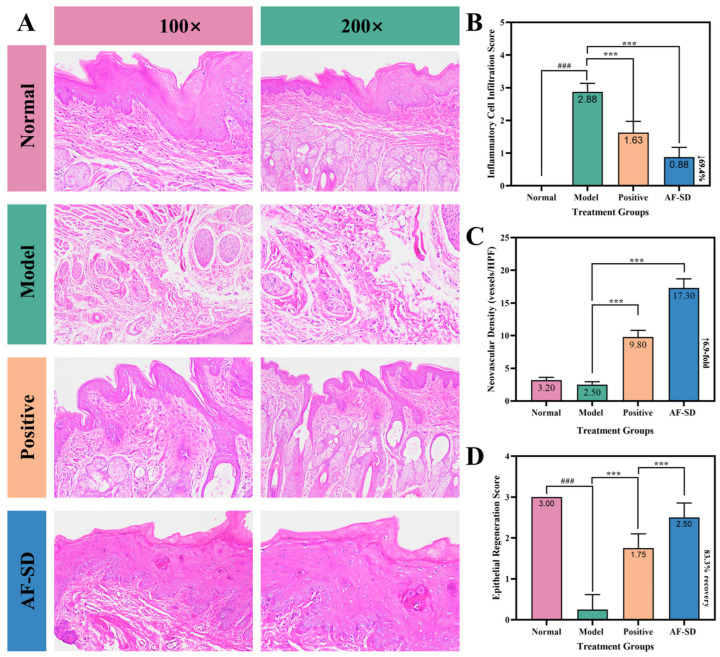 Figure 5
Peer Reviews
No public reviews on file for this paper yet. If you reviewed it on a platform where reviews are public (OpenReview, ICLR, NeurIPS, ICML), you can paste yours below so the community can read it here.
Videos
No videos yet. Explain this paper in a talk, walkthrough, or lecture? Add one.
Taxonomy
TopicsAdvanced Drug Delivery Systems · Advancements in Transdermal Drug Delivery · Drug Solubulity and Delivery Systems