Ancestry gaps in cardiovascular GWAS: a multi-database review of African representation in genomic studies
Diego A. Pomales-Matos, Mac Lyerly, Alejandro Rivera-Madera, Oswaldo L. Echevarría-Bonilla, Miguel Álvarez-Cortés, Saul E. Henriquez-Quiñones, Giselle M. Reyes-Sosa, Rafael A. Villanueva-Nogueras, Edwin G. Peña-Martínez

TL;DR
This paper reviews how genetic studies on heart disease mostly focus on European populations, leaving African populations underrepresented and affecting treatment effectiveness.
Contribution
The paper provides a multi-database analysis highlighting the lack of African representation in cardiovascular genomic research.
Findings
Genetic studies on cardiovascular diseases are predominantly based on European ancestry populations.
African ancestry populations have higher genetic diversity not well captured by current datasets.
There is a need for improved representation to enhance diagnosis and treatment effectiveness in underrepresented groups.
Abstract
Cardiovascular diseases (CVDs) are the leading cause of death worldwide, claiming millions of lives each year. Genome-wide association studies (GWASs) have identified thousands of CVD-associated variants and have created the foundation for risk assessment and prevention through genetic testing. However, despite all the progress in understanding cardiovascular genomics, our genetic research and findings are overwhelmingly skewed towards individuals of European ancestry. This fact has limited our understanding and effectiveness for the diagnosis and treatment of CVDs in underrepresented populations, such as individuals of African ancestry. This gap is especially consequential because African ancestry populations harbor the greatest global genetic diversity, with variant frequencies and haplotypes that are often poorly captured by current reference datasets. In this review, we highlight…
Genes, proteins, chemicals, diseases, species, mutations and cell lines named across the full text — each resolved to its canonical identifier and authoritative record.
Click any figure to enlarge with its caption.
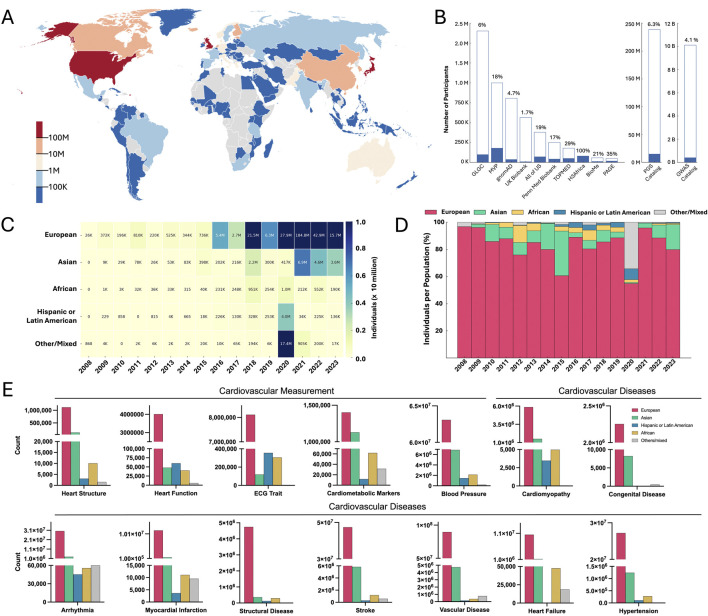 Figure 1
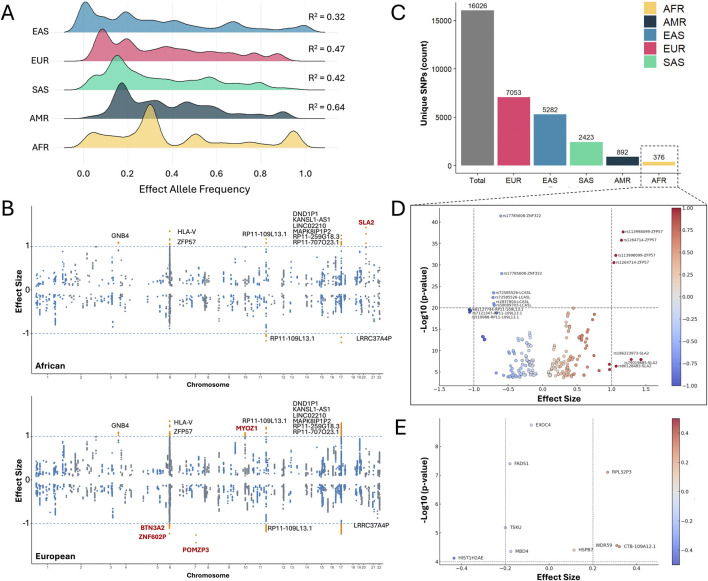 Figure 2
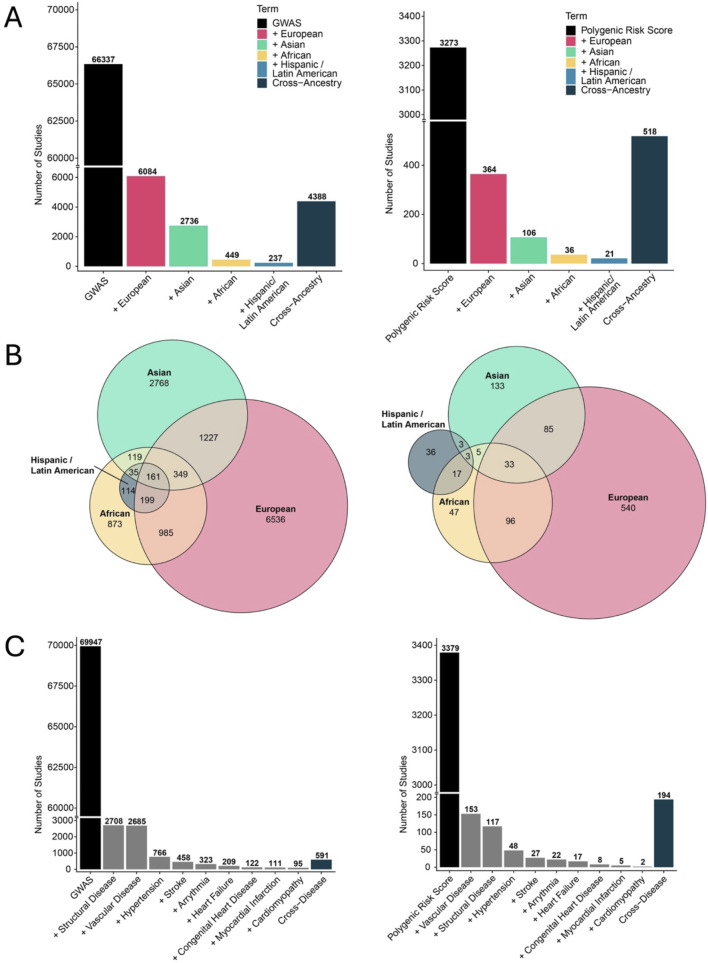 Figure 3
Peer Reviews
No public reviews on file for this paper yet. If you reviewed it on a platform where reviews are public (OpenReview, ICLR, NeurIPS, ICML), you can paste yours below so the community can read it here.
Videos
No videos yet. Explain this paper in a talk, walkthrough, or lecture? Add one.
Taxonomy
TopicsGenetic Associations and Epidemiology · BRCA gene mutations in cancer · Forensic and Genetic Research