Nightingale: A multimodal approach combining EEG signals and audio features to enhance music therapy
Zirui Chen, Nikhil Yadav

TL;DR
Nightingale uses EEG and audio data to better predict emotional responses to music, improving music therapy effectiveness.
Contribution
A novel multimodal approach combining EEG and audio features for accurate emotional response prediction in music therapy.
Findings
Nightingale achieved MAPE values of 19.52 for valence and 22.16 for arousal.
The model has an R squared of 0.67 for valence and arousal domains.
The approach uses less computational resources than existing state-of-the-art methods.
Abstract
Music therapy has emerged as a promising, yet underutilized, treatment modality in various clinical settings. This paper presents Nightingale, a novel multimodal approach that integrates audio features with electroencephalogram (EEG) signals to predict a subject’s emotional response to music. The accuracy of emotional response predictions is enhanced using audio features coupled with EEG data extracted from the Dataset for Emotion Analysis using Physiological and Audiovisual Signals (DEAP). These combined modalities are used to develop a Multilayer Perceptron and Convolutional Neural Network architecture, achieving a Mean Absolute Percentage Error (MAPE) values of 19.52 for valence, 22.16 for arousal, and an R squared of 0.67 for the two domains. This approach offers superior performance to the most recent state-of-the-art in the field. Additionally, it requires significantly less…
Click any figure to enlarge with its caption.
 Figure 1
 Figure 2
 Figure 3
 Figure 4
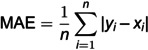 Figure 5
 Figure 6
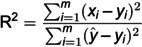 Figure 7
 Figure 8
 Figure 9
 Figure 10
 Figure 11
 Figure 12
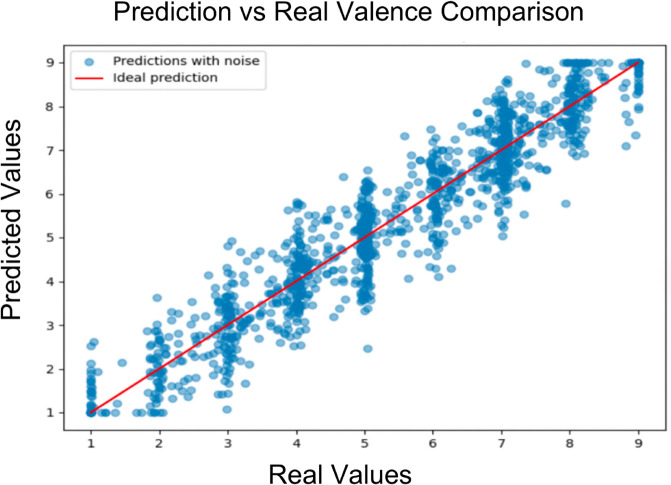 Figure 13
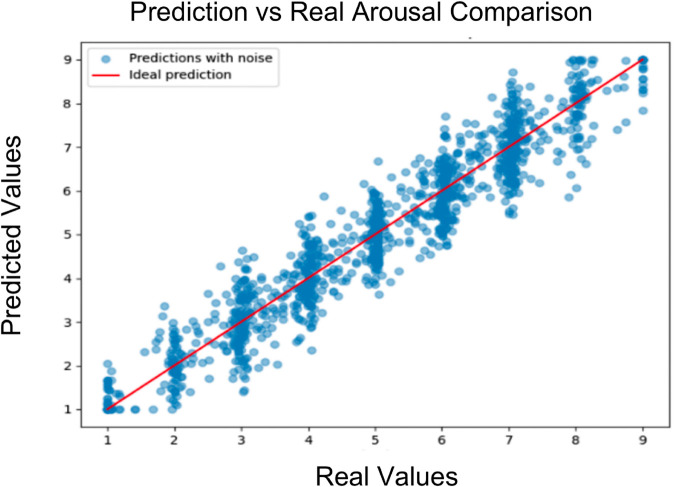 Figure 14
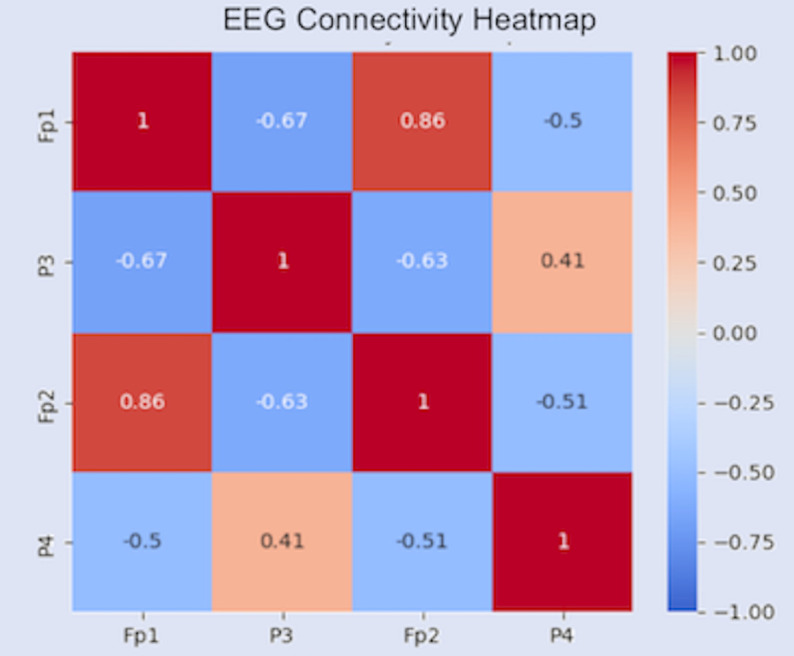 Figure 15
 Figure 16
 Figure 17
Peer Reviews
No public reviews on file for this paper yet. If you reviewed it on a platform where reviews are public (OpenReview, ICLR, NeurIPS, ICML), you can paste yours below so the community can read it here.
Videos
No videos yet. Explain this paper in a talk, walkthrough, or lecture? Add one.
Taxonomy
TopicsEmotion and Mood Recognition · Music Therapy and Health · EEG and Brain-Computer Interfaces