Unraveling the role of host kinase PIM1 in Toxoplasma gondii infection: Implications for therapies
Lijie Pan, Fan Zhang, Yun Yang, Yue Sun, Lingling Song, Famin Zhang, Jinjin Zhu, Yang Wang, Chong Wang, Qingli Luo, Wen Zhang, Li Yu, Yuanyuan Cao, Laura-Isobel McCall, Laura-Isobel McCall, Susan Madison-Antenucci, Susan Madison-Antenucci

TL;DR
This study shows that the host kinase PIM1 helps Toxoplasma gondii multiply by preventing cell death, and inhibiting PIM1 reduces parasite load, suggesting a new therapeutic approach.
Contribution
The study identifies PIM1 as a novel host factor promoting T. gondii proliferation and validates its inhibition as a potential therapeutic strategy.
Findings
PIM1 enhances T. gondii proliferation by suppressing host cell apoptosis.
Inhibiting PIM1 with AZD1208 reduces parasite load and increases apoptosis in infected cells.
PIM1 inhibition bolsters the host immune response against T. gondii in murine models.
Abstract
Toxoplasma gondii, a widespread intracellular protozoan parasite, infects a significant portion of the global human population. Restricted to an acute-infection model, this study elucidates the role of the host protein PIM1, a serine/threonine protein kinase, in facilitating T. gondii proliferation and its potential as a therapeutic target. Employing both in vitro and in vivo models, we establish that PIM1 enhances the intracellular proliferation of T. gondii by suppressing host cell apoptosis. Our findings underscore the necessity of PIM1’s kinase activity in this process, as evidenced by the significant reduction in T. gondii proliferation upon treatment with either a kinase-dead PIM1 mutant or the PIM1 inhibitor AZD1208. In murine models, AZD1208 treatment resulted in decreased T. gondii load and elevated pro-apoptotic markers in tissues, indicating that PIM1 inhibition bolsters the…
Genes, proteins, chemicals, diseases, species, mutations and cell lines named across the full text — each resolved to its canonical identifier and authoritative record.
Click any figure to enlarge with its caption.
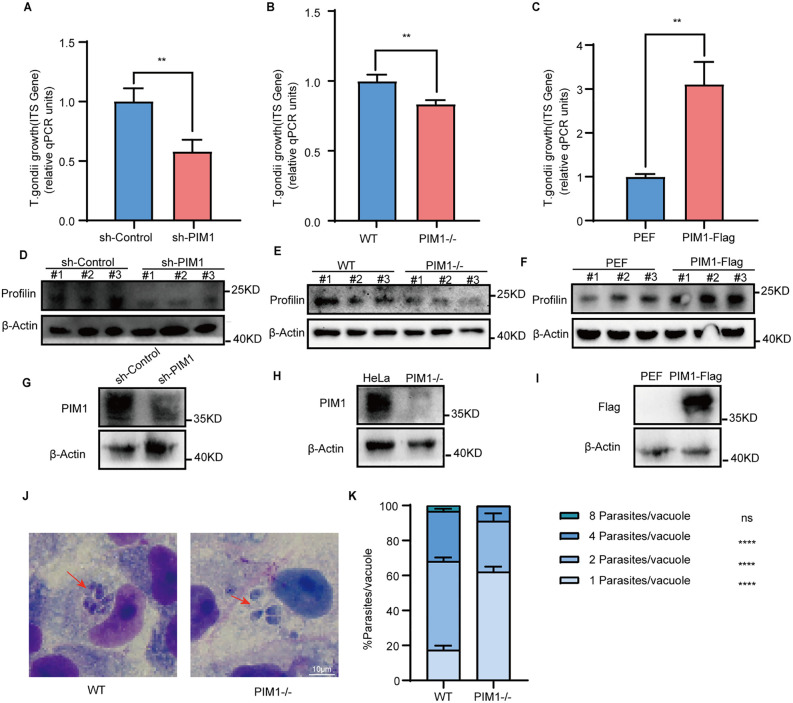 Figure 1
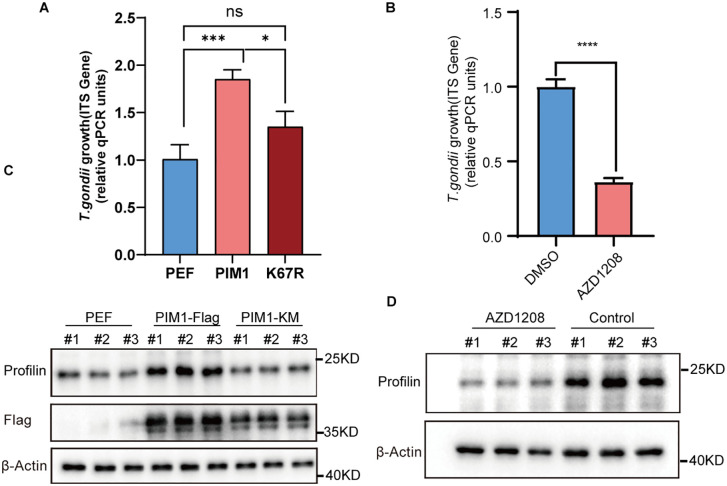 Figure 2
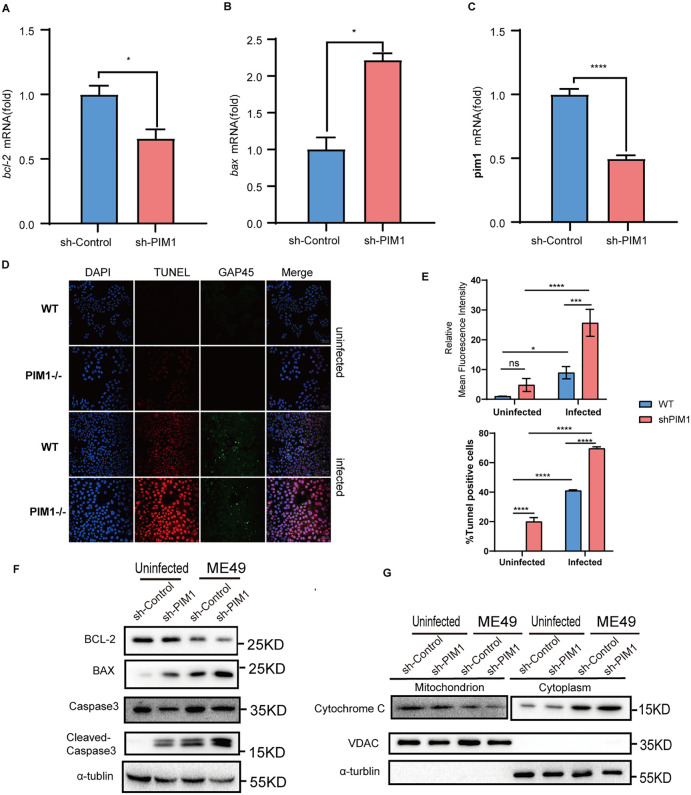 Figure 3
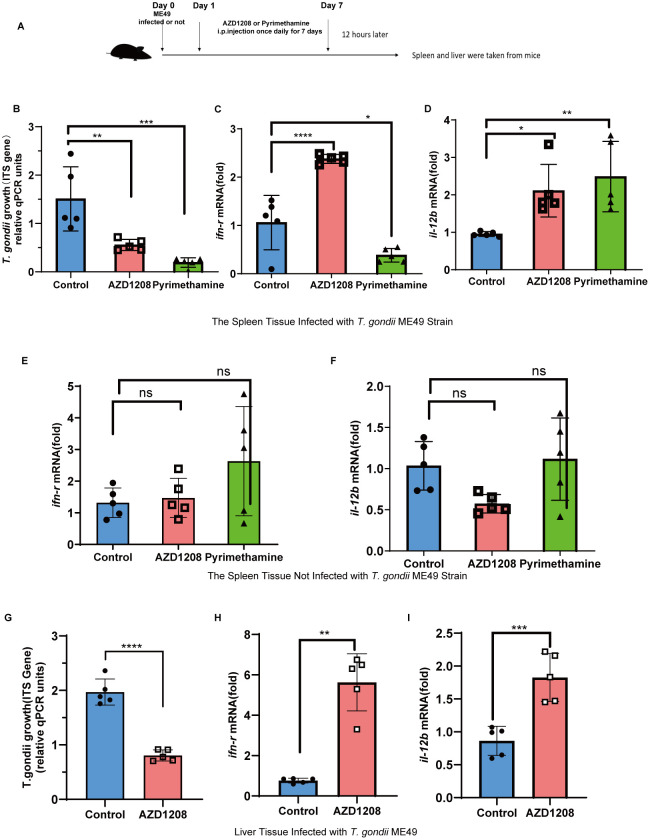 Figure 4
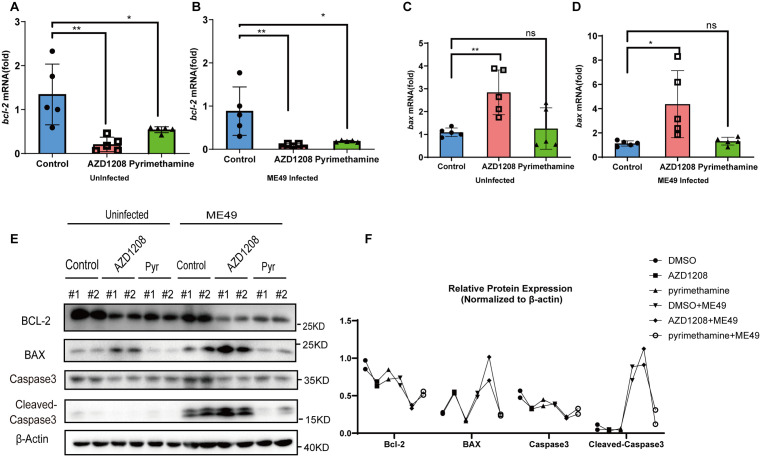 Figure 5
Peer Reviews
No public reviews on file for this paper yet. If you reviewed it on a platform where reviews are public (OpenReview, ICLR, NeurIPS, ICML), you can paste yours below so the community can read it here.
Videos
No videos yet. Explain this paper in a talk, walkthrough, or lecture? Add one.
Taxonomy
TopicsCancer Mechanisms and Therapy · Toxoplasma gondii Research Studies · Cancer Research and Treatments