Purifying selection constrains the evolution of Juquitiba virus in wild Oligoryzomys nigripes communities
Briana Spruill-Harrell, Alejandro Ponce-Flores, Evans Ifebuche Nnamani, Robert D. Owen, Michael A. Whitt, Colleen B. Jonsson

TL;DR
This study examines how Juquitiba virus evolves in wild rodents in Paraguay, finding that purifying selection and persistent infections are key drivers of its genetic diversity.
Contribution
The study presents the first complete reference genome and in-depth analysis of Juquitiba virus evolution in its natural rodent host.
Findings
Saliva and lung samples showed higher genetic diversity than other tissues.
Purifying selection, not positive selection, was the main driver of JUQV evolution.
Persistent infections in rodents contributed to increased nucleotide diversity.
Abstract
Juquitiba virus (JUQV) is endemic in Oligoryzomys nigripes across several South American countries and causes hantavirus pulmonary syndrome when transmitted to humans via infectious saliva or excreta. We developed a next-generation sequencing (NGS) pipeline to generate the first complete reference genome for assessing the genetic diversity of JUQV in Oligoryzomys populations inhabiting the Mbaracayú Biosphere Reserve within the Atlantic Forest of Paraguay. From 32 additional Oligoryzomys specimens, we obtained 17 S- and M-segment viral RNA (vRNA) genomes from lungs with 94–100% sequence coverage and 101 additional vRNAs with ≥80% genome coverage and ≥500x sequence depth from saliva, urine, lungs, heart, kidney, liver, and spleen. Phylogenetic and phylogeographic analyses showed that the Paraguayan JUQV is genetically distinct from the Brazilian JUQV lineage. Shannon entropy calculations…
Genes, proteins, chemicals, diseases, species, mutations and cell lines named across the full text — each resolved to its canonical identifier and authoritative record.
Click any figure to enlarge with its caption.
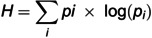 Figure 1
 Figure 2
 Figure 3
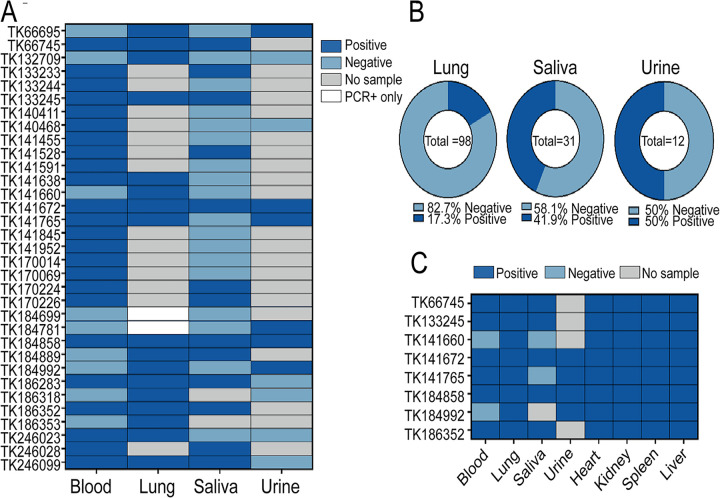 Figure 4
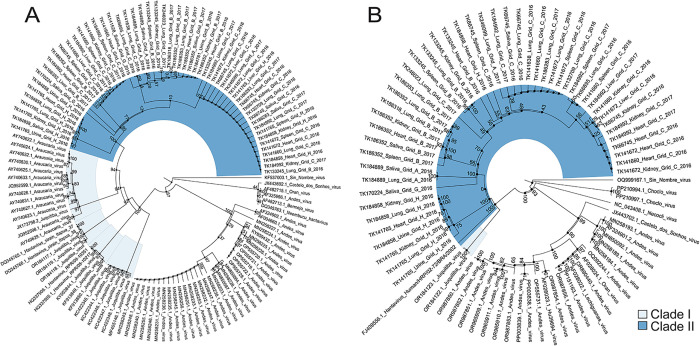 Figure 5
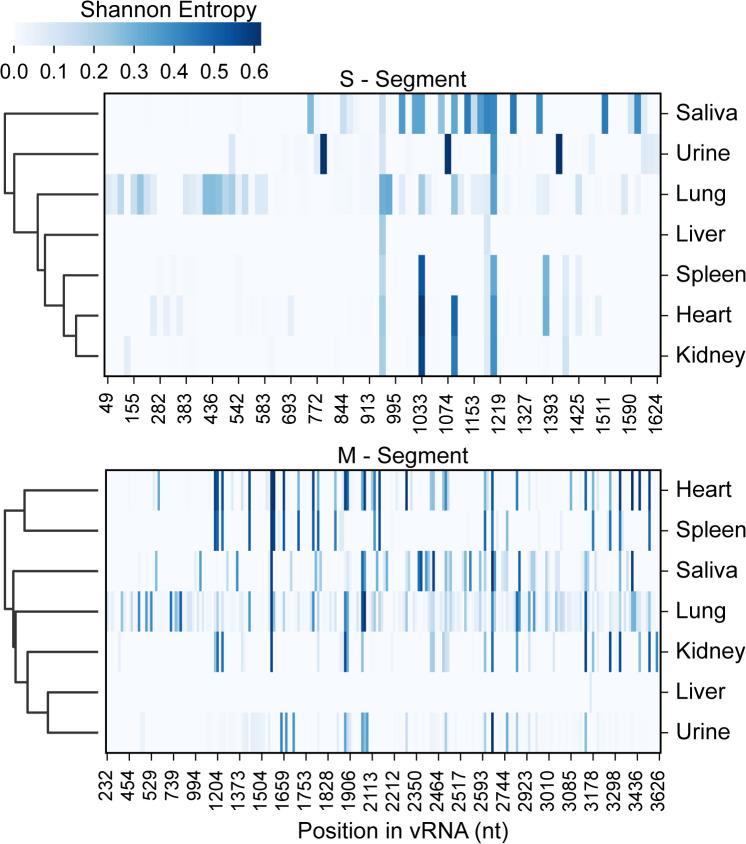 Figure 6
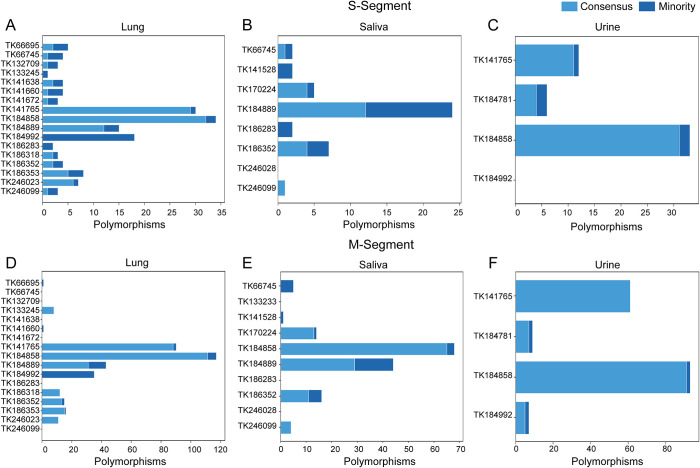 Figure 7
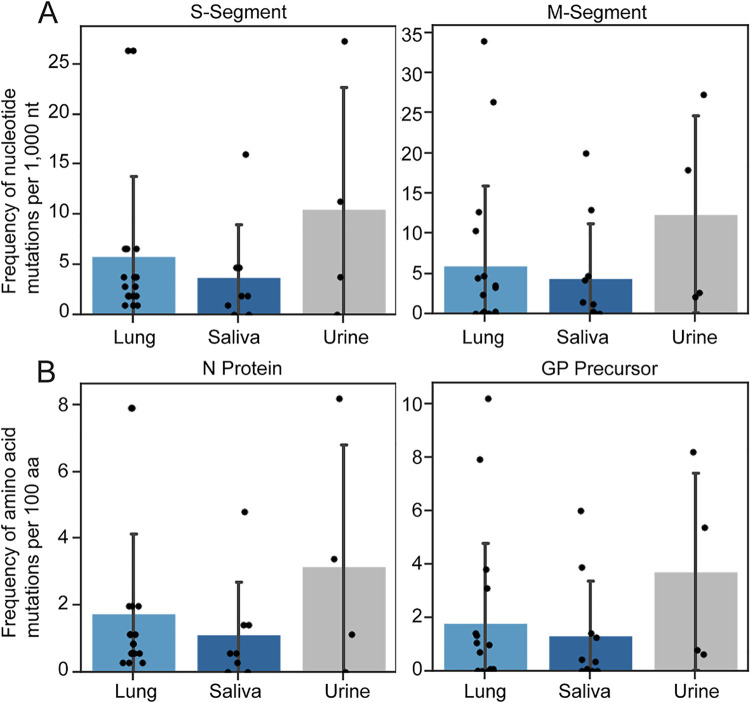 Figure 8
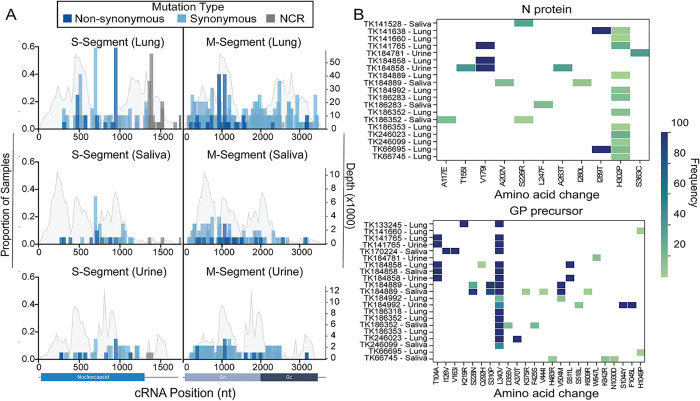 Figure 9
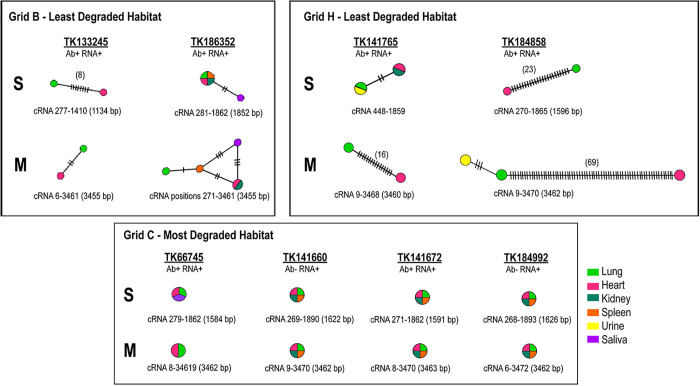 Figure 10
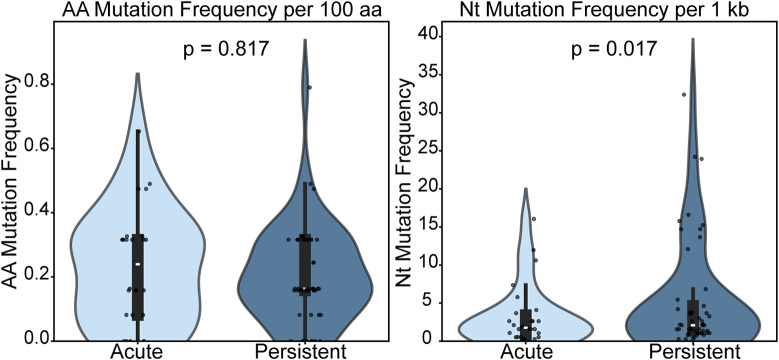 Figure 11
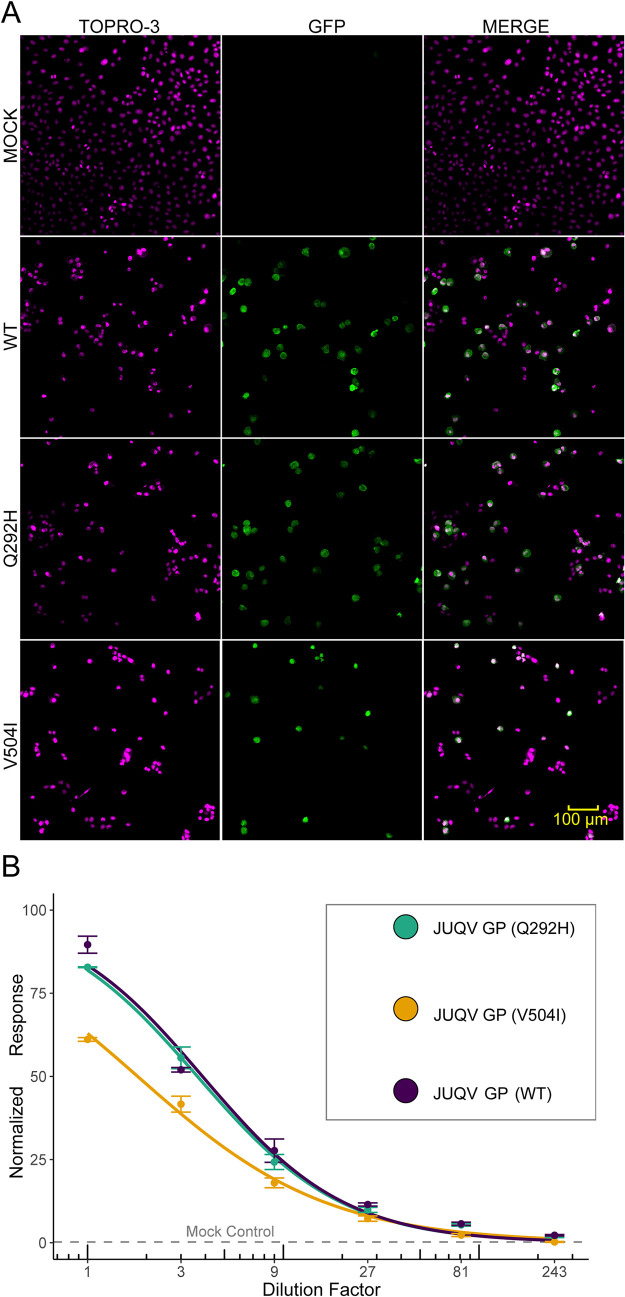 Figure 12
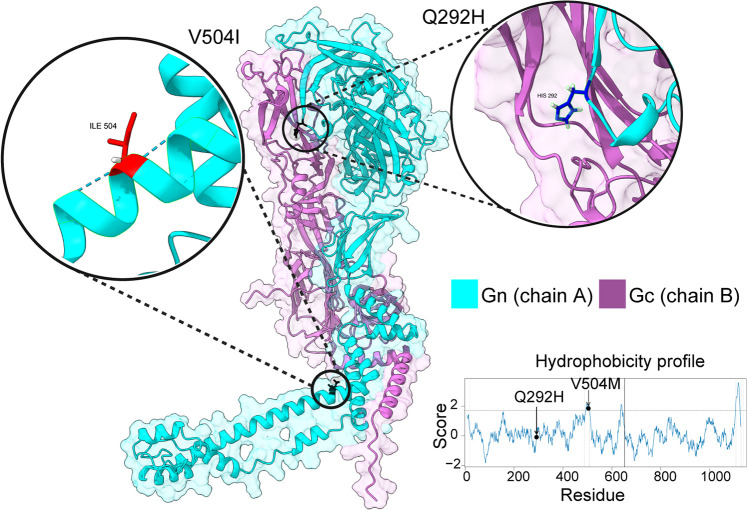 Figure 13
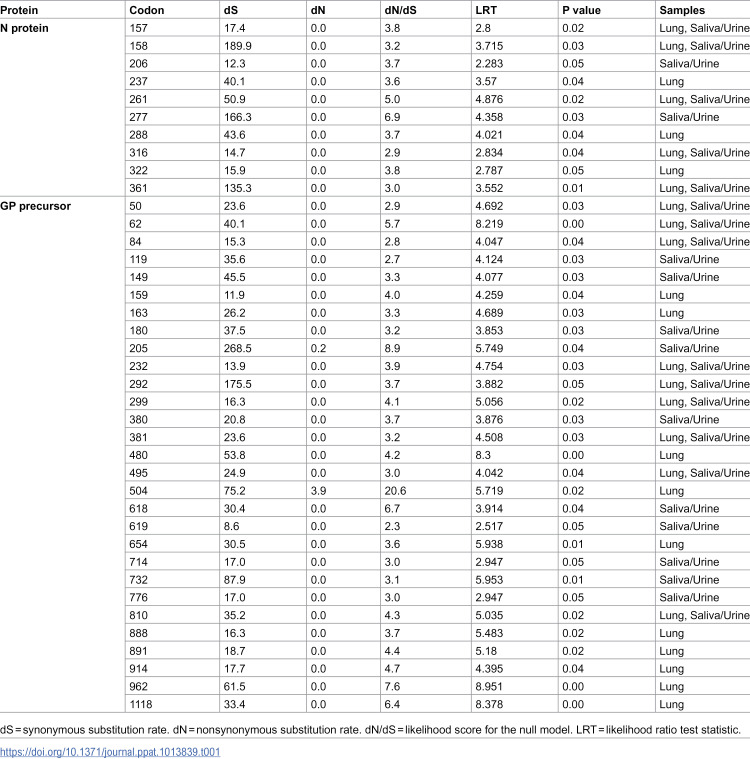 Figure 14
Peer Reviews
No public reviews on file for this paper yet. If you reviewed it on a platform where reviews are public (OpenReview, ICLR, NeurIPS, ICML), you can paste yours below so the community can read it here.
Videos
No videos yet. Explain this paper in a talk, walkthrough, or lecture? Add one.
Taxonomy
TopicsViral Infections and Vectors · Mosquito-borne diseases and control · Rabies epidemiology and control