Micro- and Nanoscale Flow Mechanisms in Shale Oil: A Fluid–Solid Coupling Model Integrating Adsorption, Slip, and Stress Sensitivity
Zupeng Liu, Zhibin Yi, Guanglong Sheng, Guang Lu, Xiangdong Xing, Xinlong Zhang

TL;DR
This paper introduces a new model to understand how oil flows in shale reservoirs by combining fluid and rock interactions.
Contribution
The novel fluid–solid coupling model integrates adsorption, slip effects, and stress sensitivity for shale oil transport.
Findings
Larger pore diameters and higher porosity improve stress dissipation and permeability preservation.
Tortuosity controls stress distribution, with low tortuosity causing stress concentration and permeability loss.
High fracture conductivity leads to heterogeneous stress fields and early mechanical failure near the wellbore.
Abstract
Shale oil reservoirs are complex multi-scale nanoporous media where fluid transport is governed by coupled micro-mechanisms, demanding a robust modeling framework. This study presents a novel fluid–solid coupling (FSC) numerical model that rigorously integrates the three primary scale-dependent transport phenomena: adsorption in organic nanopores, slip effects in inorganic micropores, and stress-sensitive conductivity in fractures. The model provides essential quantitative insights into the dynamic interaction between fluid withdrawal and reservoir deformation. Simulation results reveal that microstructural properties dictate the reservoir’s mechanical stability. Specifically, larger pore diameters and higher porosity enhance stress dissipation, promoting long-term stress relaxation and mitigating permeability decay. Crucially, tortuosity governs the mechanical response by controlling…
Genes, proteins, chemicals, diseases, species, mutations and cell lines named across the full text — each resolved to its canonical identifier and authoritative record.
Click any figure to enlarge with its caption.
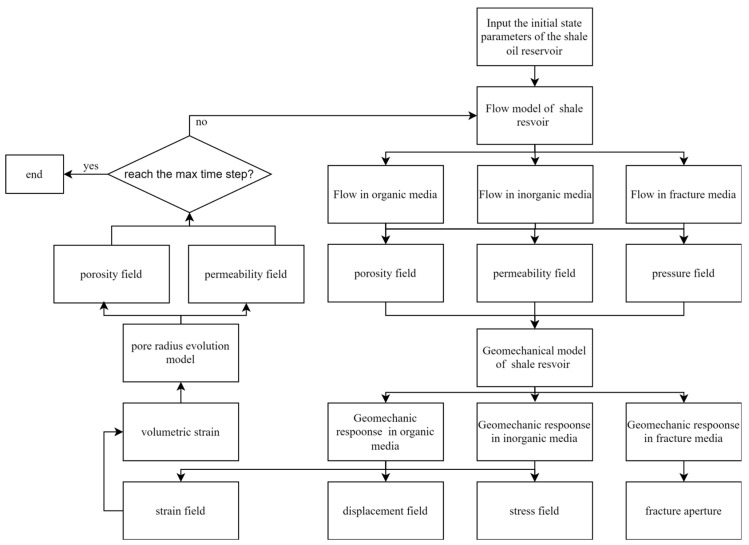 Figure 1
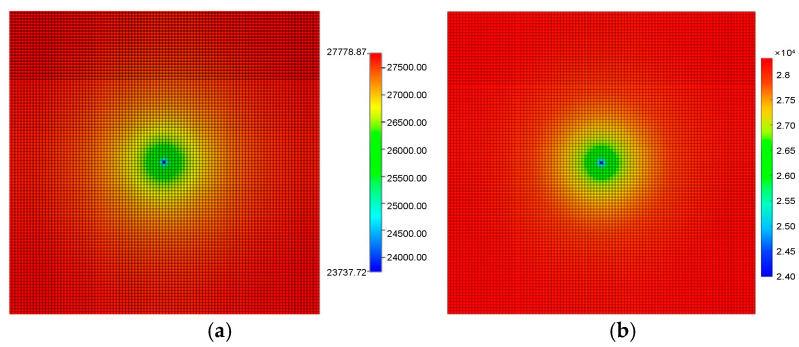 Figure 2
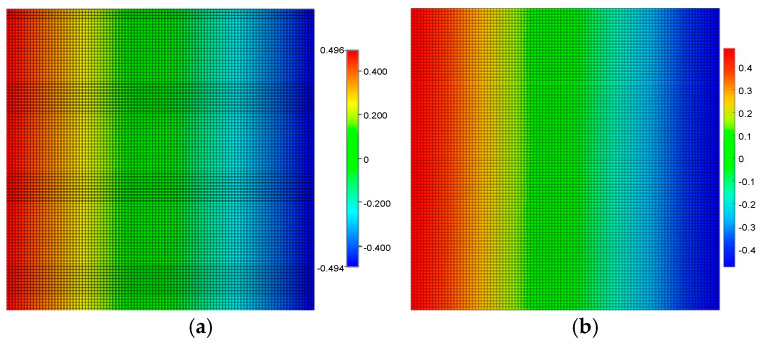 Figure 3
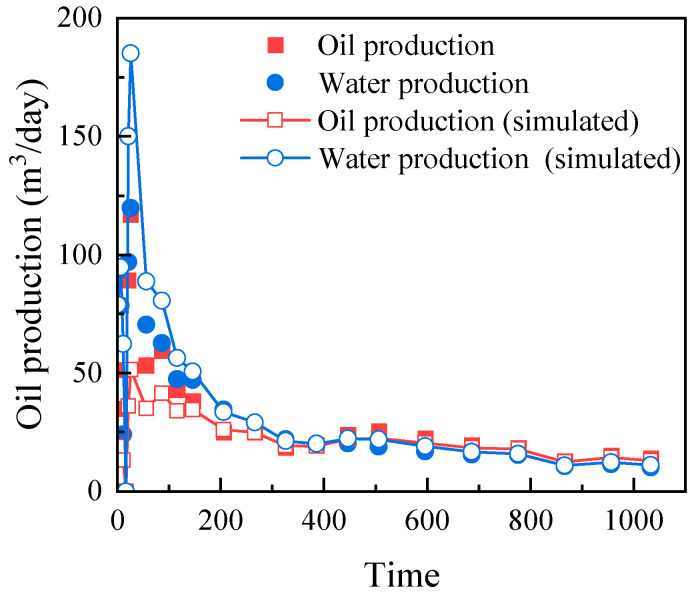 Figure 4
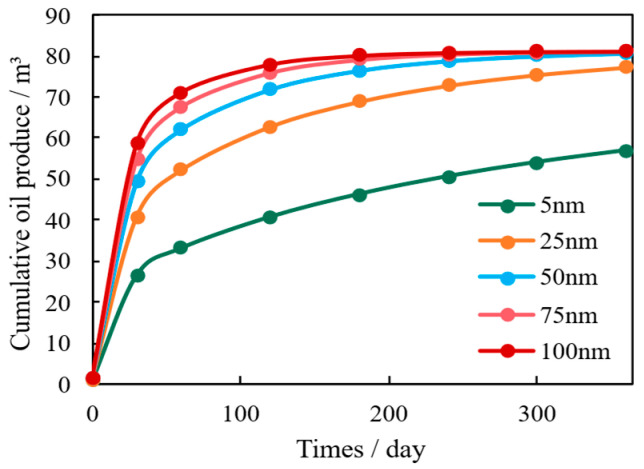 Figure 5
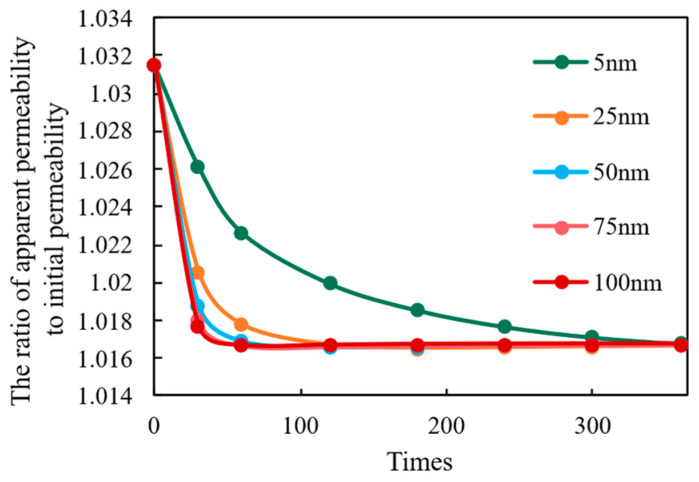 Figure 6
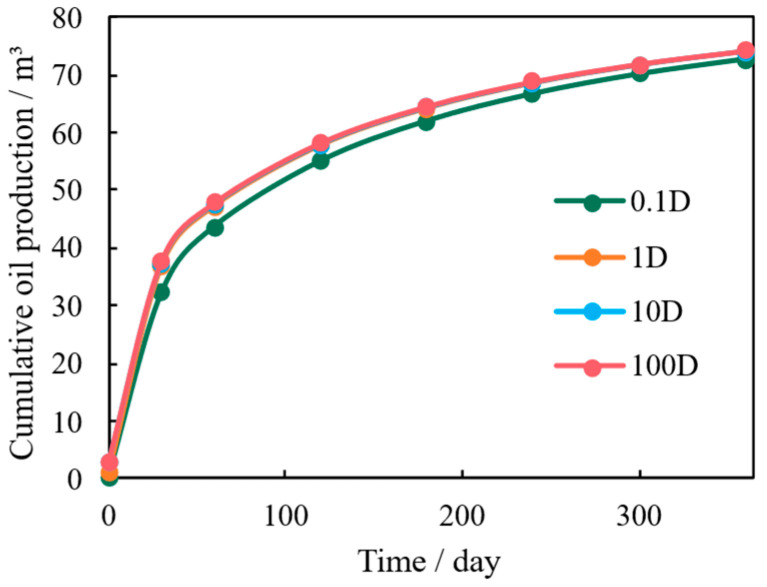 Figure 7
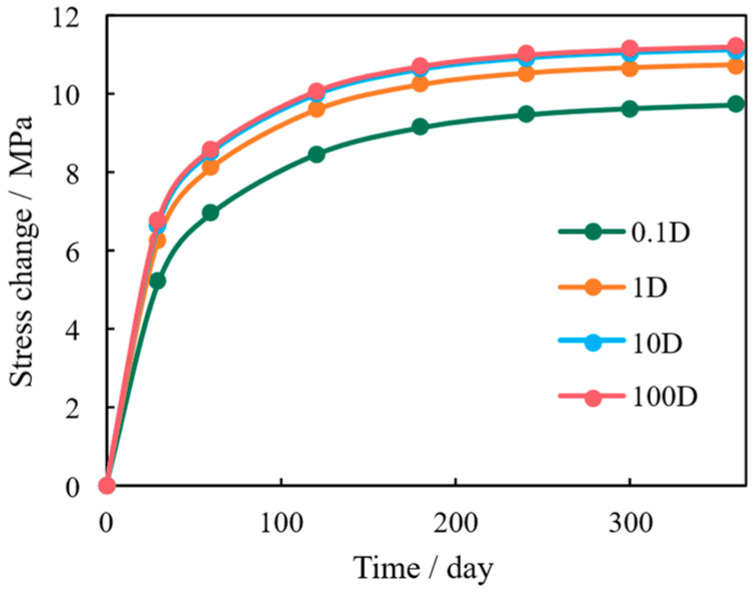 Figure 8
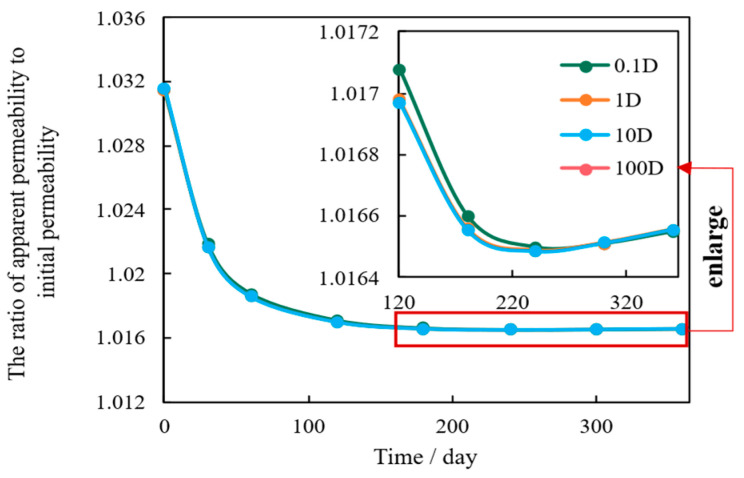 Figure 9
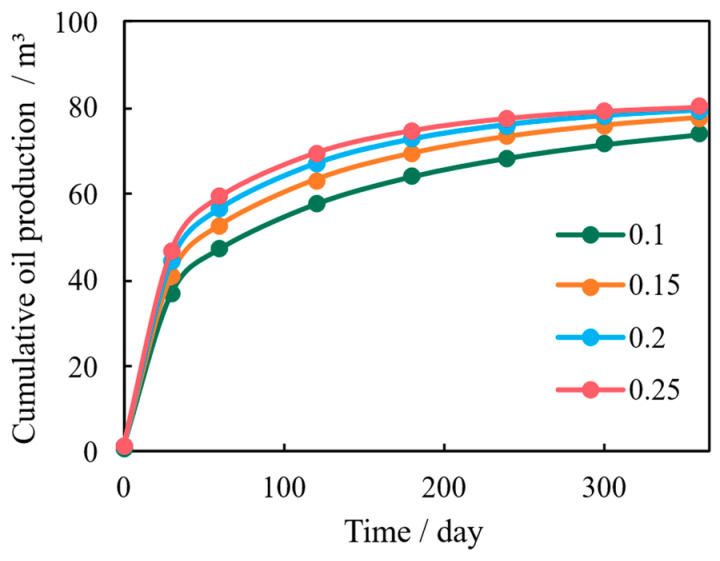 Figure 10
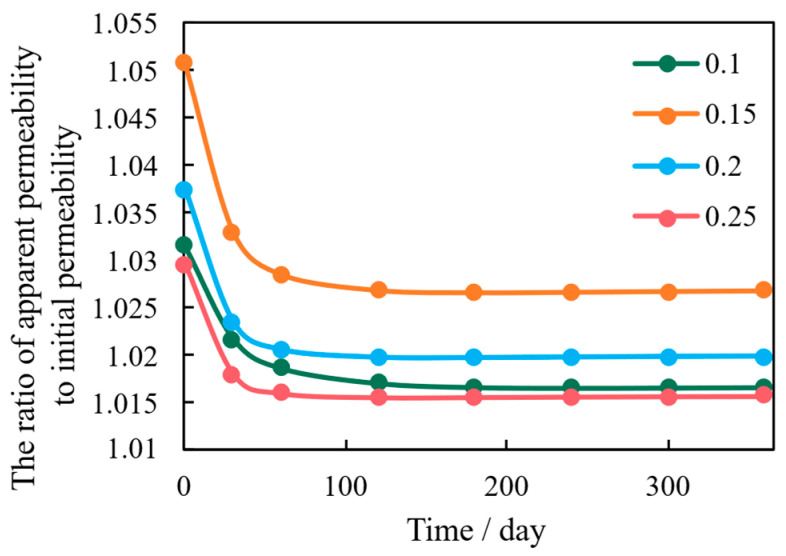 Figure 11
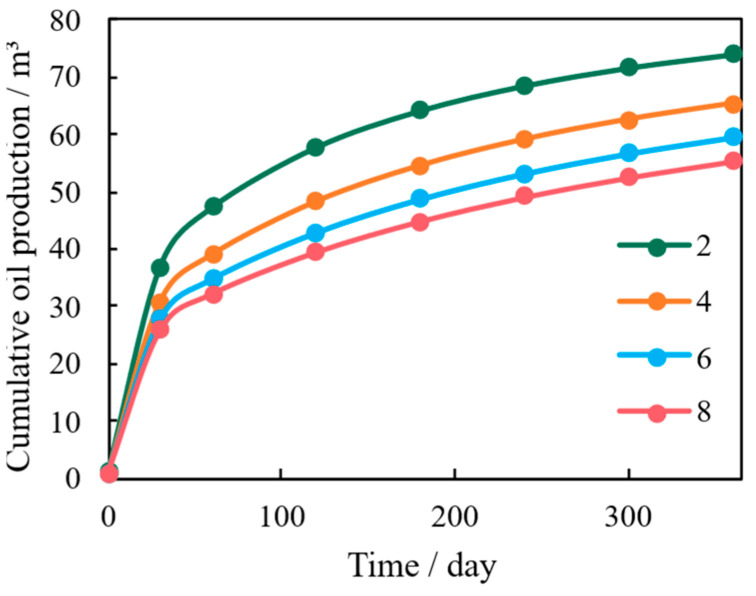 Figure 12
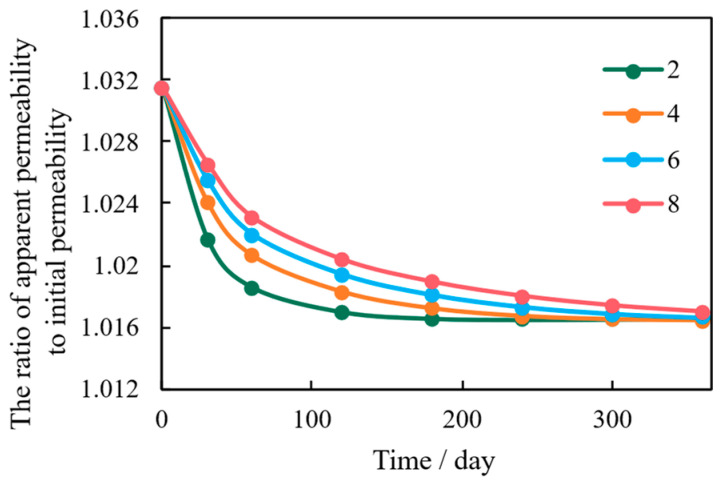 Figure 13
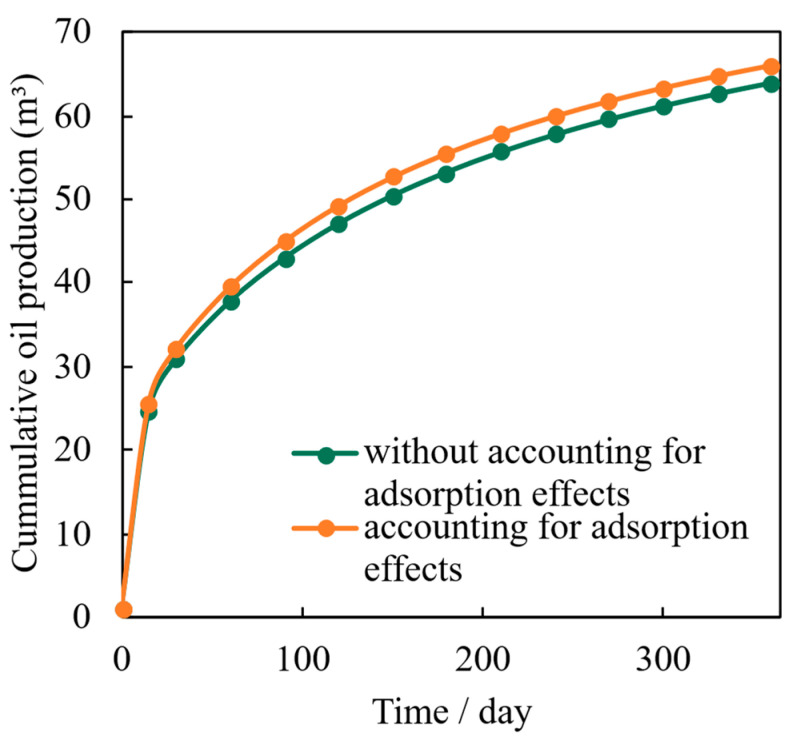 Figure 14
Peer Reviews
No public reviews on file for this paper yet. If you reviewed it on a platform where reviews are public (OpenReview, ICLR, NeurIPS, ICML), you can paste yours below so the community can read it here.
Videos
No videos yet. Explain this paper in a talk, walkthrough, or lecture? Add one.
Taxonomy
TopicsEnhanced Oil Recovery Techniques · Hydrocarbon exploration and reservoir analysis · Hydraulic Fracturing and Reservoir Analysis