Biological Characterization and Essential Oil Profiles of Eastern European Cultivars of Thymus, Satureja, and Monarda
Katarzyna Pokajewicz, Monika Chodura, Hayet Ahlem Lezrag, Liudmyla Svydenko, Małgorzata Nabrdalik, Ewa Moliszewska, Sofiane Fatmi, Nataliia Hudz, Piotr P. Wieczorek

TL;DR
This study examines the essential oil profiles and biological activities of eight Eastern European cultivars of Thymus, Satureja, and Monarda, highlighting their antimicrobial and cytotoxic properties.
Contribution
The paper introduces newly bred cultivars and provides detailed chemical and biological data on their essential oils.
Findings
Thymus and Satureja cultivars are rich in thymol and carvacrol, showing strong antimicrobial activity.
Monarda cultivars also exhibit significant antibacterial and antifungal properties with low minimal inhibitory concentrations.
Essential oils at 0.4 µL/mL showed cytotoxic effects on bull spermatozoa.
Abstract
Thymus, Satureja, and Monarda are three plant genera, belonging to the Lamiaceae family, that are particularly valued for their essential oils (EOs) abundant in phenolic terpenoids. In this study, a botanical characterization of the following eight Eastern European cultivars (some of them newly bred) grown in Ukraine is distinguished: Thymus vulgaris (‘Yalos’, ‘101’), Thymus richardii (‘Fantasia’), Satureja montana (‘Krymsky smaragd’, ‘Lunata’, ‘4-18’), Monarda fistulosa (‘Premiera’), and Monarda × hybrida hort., which is a Monarda didyma × Monarda fistulosa hybrid (‘Tonya’). The EO of those cultivars was obtained and characterized in detail using GC-MS and GC-FID. Additionally, some biological activities of these oils were tested. Antimicrobial activity was verified against Escherichia coli, Staphylococcus aureus, and Candida albicans using disk diffusion and microdilution methods.…
Genes, proteins, chemicals, diseases, species, mutations and cell lines named across the full text — each resolved to its canonical identifier and authoritative record.
Click any figure to enlarge with its caption.
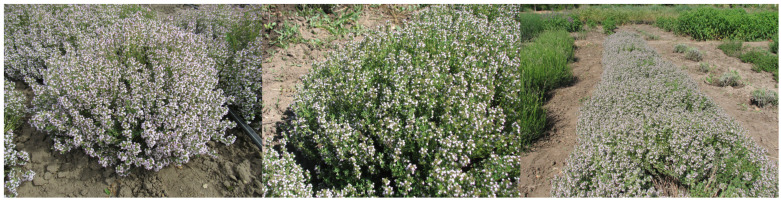 Figure 1
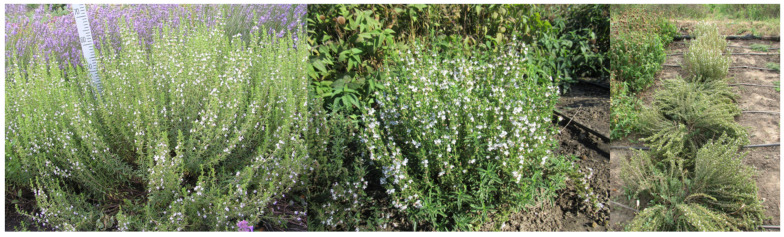 Figure 2
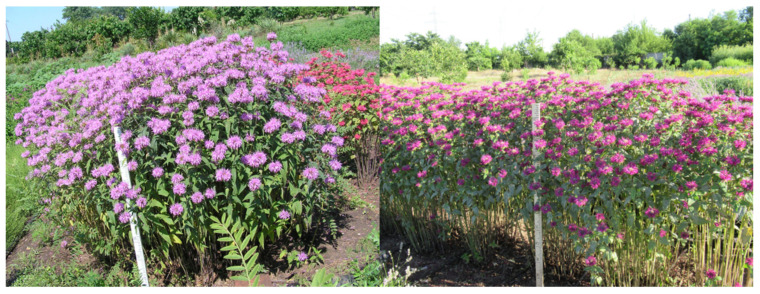 Figure 3
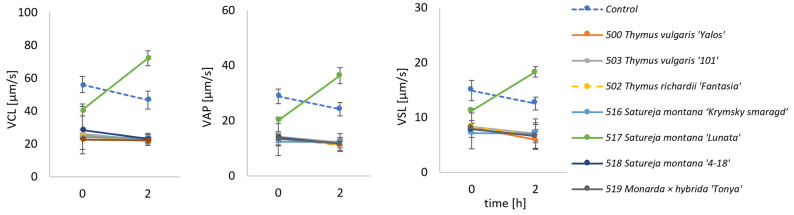 Figure 4
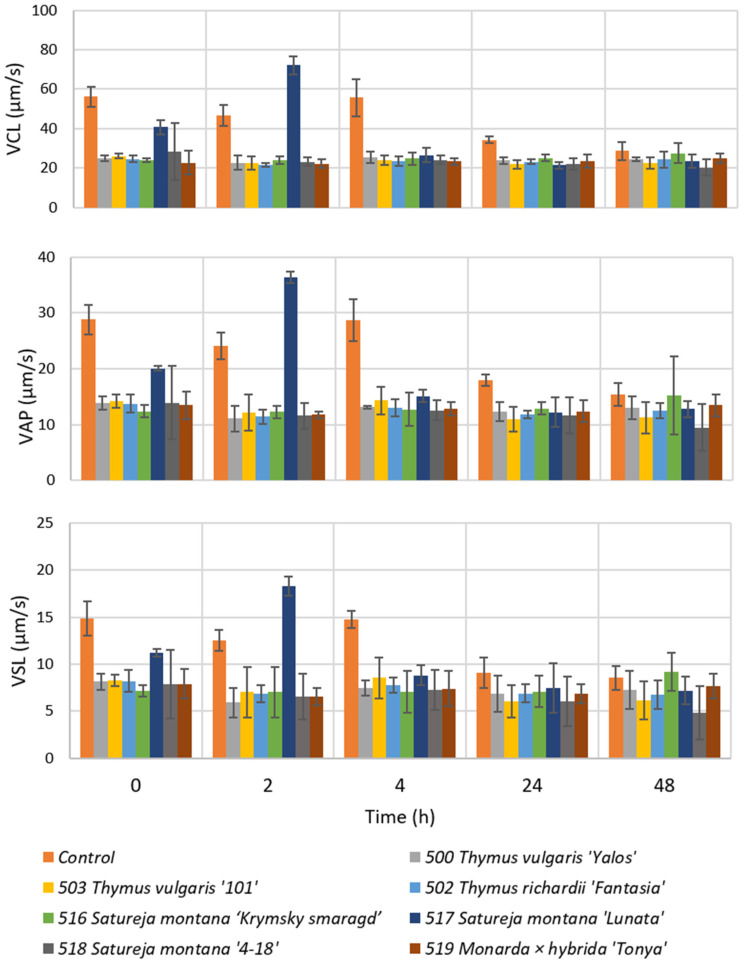 Figure 5
Peer Reviews
No public reviews on file for this paper yet. If you reviewed it on a platform where reviews are public (OpenReview, ICLR, NeurIPS, ICML), you can paste yours below so the community can read it here.
Videos
No videos yet. Explain this paper in a talk, walkthrough, or lecture? Add one.
Taxonomy
TopicsEssential Oils and Antimicrobial Activity · Plant biochemistry and biosynthesis · Plant chemical constituents analysis