Urinary Equol Production Capacity, Dietary Habits, and Premenstrual Symptom Severity in Healthy Young Japanese Women
Nanae Kada-Kondo, Natsuka Kimura, Kurea Isobe, Akari Kaida, Saki Ota, Akari Fujita, Yuu Haraki, Ryozo Nagai, Kenichi Aizawa

TL;DR
This study found that Japanese young women who produce equol, a gut metabolite from soy, have different dietary habits and experience fewer premenstrual symptoms compared to non-producers.
Contribution
The study identifies dietary patterns and premenstrual symptom differences associated with equol production in young Japanese women.
Findings
12% of participants were equol producers, with higher consumption of pumpkin, soybean sprouts, and green tea.
Non-producers with higher intake of certain vegetables and fiber-rich foods reported more severe premenstrual symptoms.
Equol producers did not show symptom severity linked to dietary intake.
Abstract
Background/Objectives: Equol, a gut microbial metabolite of the soy isoflavone, daidzein, is associated with estrogenic activity and potential benefits for women’s health. While equol production depends on individual gut microbial composition, its dietary and clinical correlates in young women remain incompletely characterized. This study explored the relationship between urinary equol production, dietary habits, and premenstrual symptom severity in healthy university-aged women. Methods: We conducted a cross-sectional study of 41 Japanese women, aged 19–20 years. Urinary equol was measured using a validated liquid chromatography–tandem mass spectrometry (LC–MS/MS) method, following enzymatic hydrolysis. Participants were classified as either equol producers or non-producers, based on urinary concentration thresholds. Dietary intake was evaluated using a dietary questionnaire focused on…
Genes, proteins, chemicals, diseases, species, mutations and cell lines named across the full text — each resolved to its canonical identifier and authoritative record.
Click any figure to enlarge with its caption.
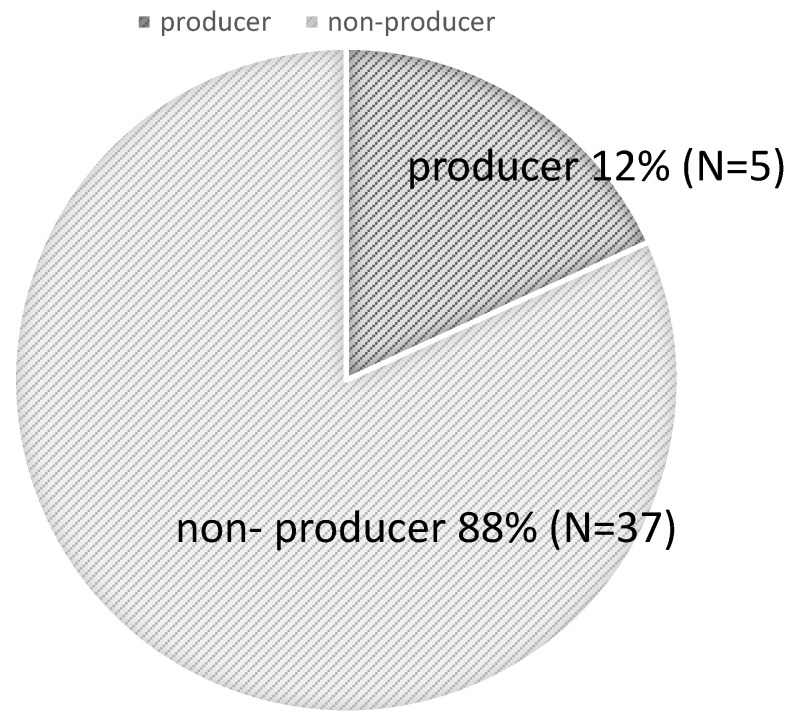 Figure 1
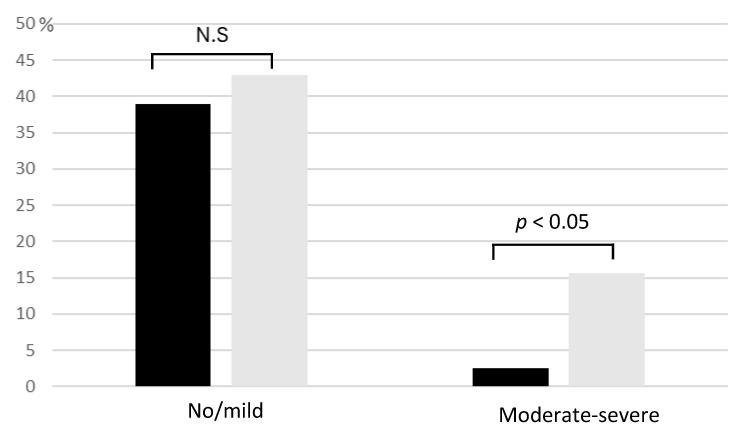 Figure 2
Peer Reviews
No public reviews on file for this paper yet. If you reviewed it on a platform where reviews are public (OpenReview, ICLR, NeurIPS, ICML), you can paste yours below so the community can read it here.
Videos
No videos yet. Explain this paper in a talk, walkthrough, or lecture? Add one.
Taxonomy
TopicsPhytoestrogen effects and research · Menstrual Health and Disorders · Ginseng Biological Effects and Applications