Performance of a Novel Worm-Assisted Membrane Bioelectrochemical System: Electricity Recovery, Sludge Reduction, and Membrane Fouling Mitigation
Chenyu Ding, Xin Guo, Weiye Bian, Zhipeng Li, Yang Li, Hongjie Wang, Hui Li

TL;DR
A new wastewater treatment system using worms and bioelectrochemical technology improves energy recovery, reduces sludge, and prevents membrane fouling.
Contribution
The novel integration of aquatic worms with a microbial fuel cell in a membrane bioreactor is introduced for enhanced wastewater treatment.
Findings
The system produced 290 mV and 0.013 W/m² power density while achieving high removal of chemical oxygen demand and ammonia nitrogen.
Sludge production was reduced by 28.51%, and membrane fouling was mitigated through changes in microbial product properties.
The W-MBER system showed a 12.93% higher TN removal efficiency compared to conventional MBR systems.
Abstract
This study developed a novel worm-assisted membrane bioelectrochemical reactor (W-MBER) that integrates aquatic worms and a single-chamber sediment microbial fuel cell into a membrane bioreactor (MBR) to address challenges in energy recovery, sludge reduction, and membrane fouling. The system achieved a stable output of 290 mV at an external resistance of 250 Ω and a maximum power density of 0.013 W/m2 while maintaining high removal efficiencies for chemical oxygen demand (93.57%) and ammonia nitrogen (98.61%). Furthermore, the TN removal efficiency was 12.93% higher than that in the conventional MBR (C-MBR), attributed to the anodic anoxic microenvironment. The synergy of worm predation and the bioelectrochemical process reduced sludge production by 28.51% and extended the filtration cycle by 43.75%, indicating significant sludge reduction and membrane fouling mitigation. Mechanistic…
Genes, proteins, chemicals, diseases, species, mutations and cell lines named across the full text — each resolved to its canonical identifier and authoritative record.
Click any figure to enlarge with its caption.
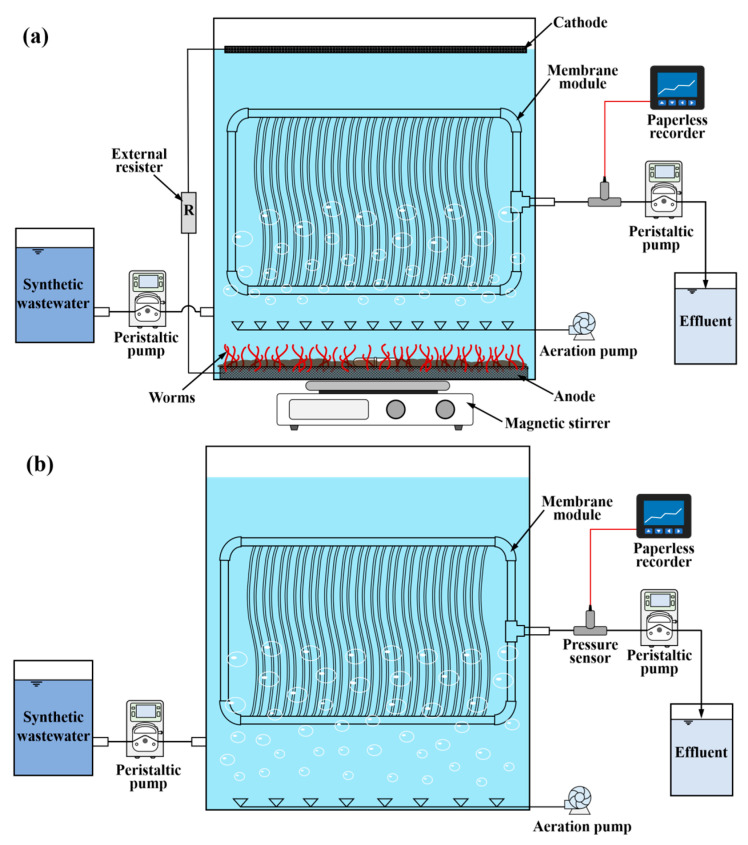 Figure 1
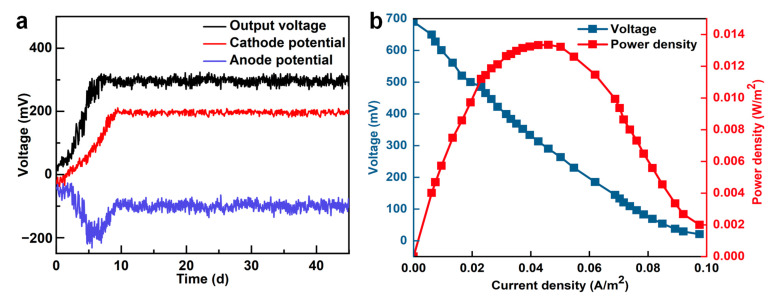 Figure 2
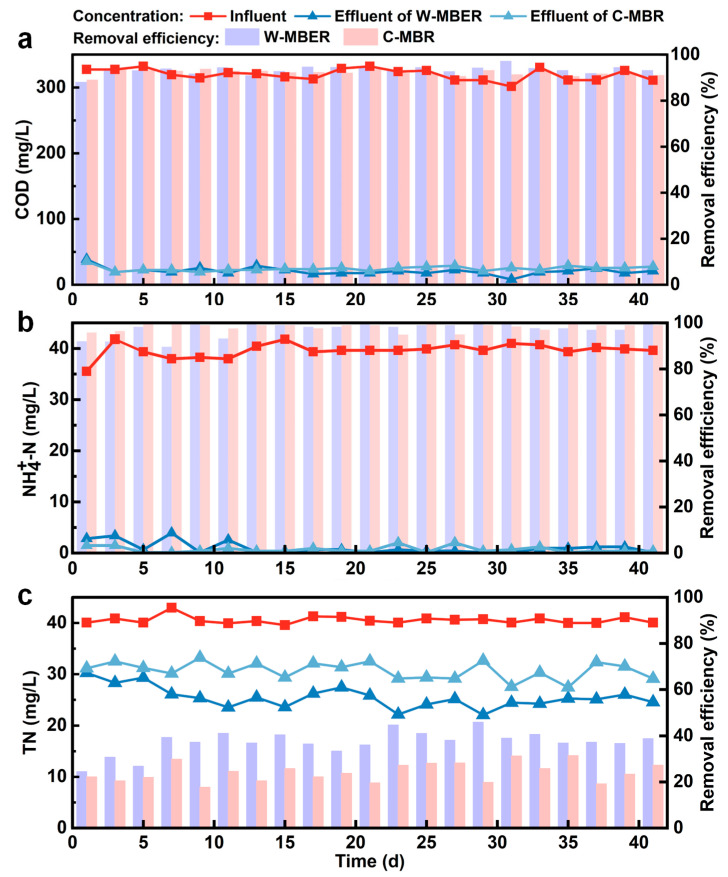 Figure 3
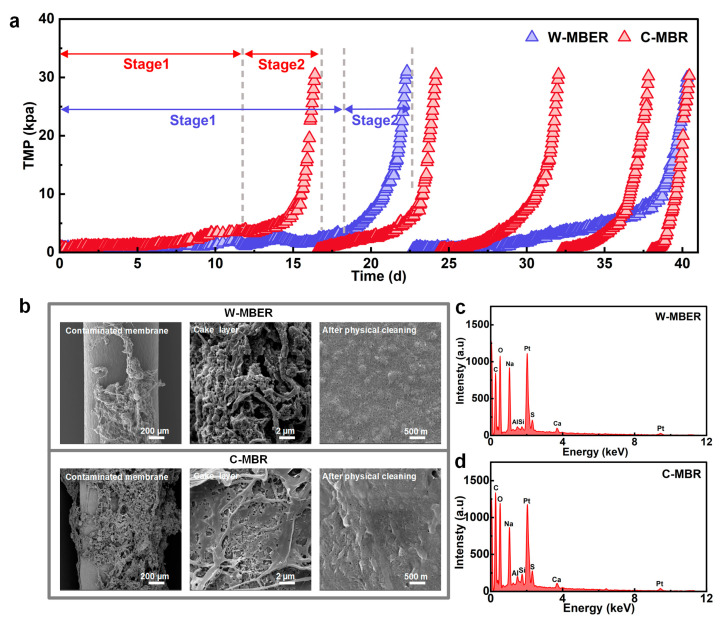 Figure 4
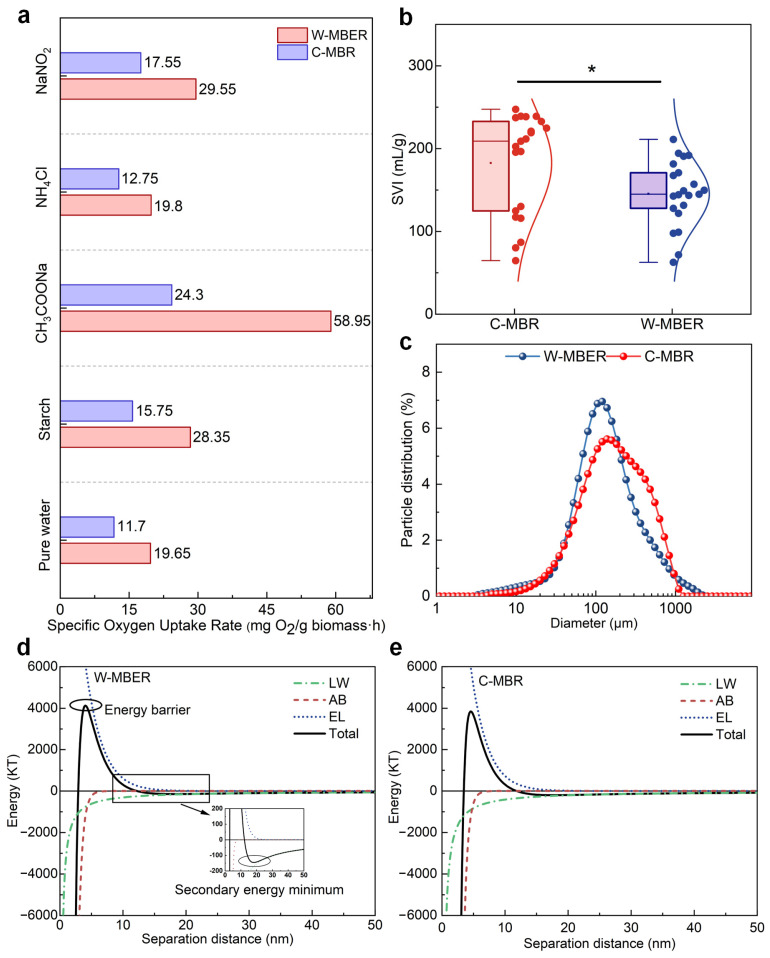 Figure 5
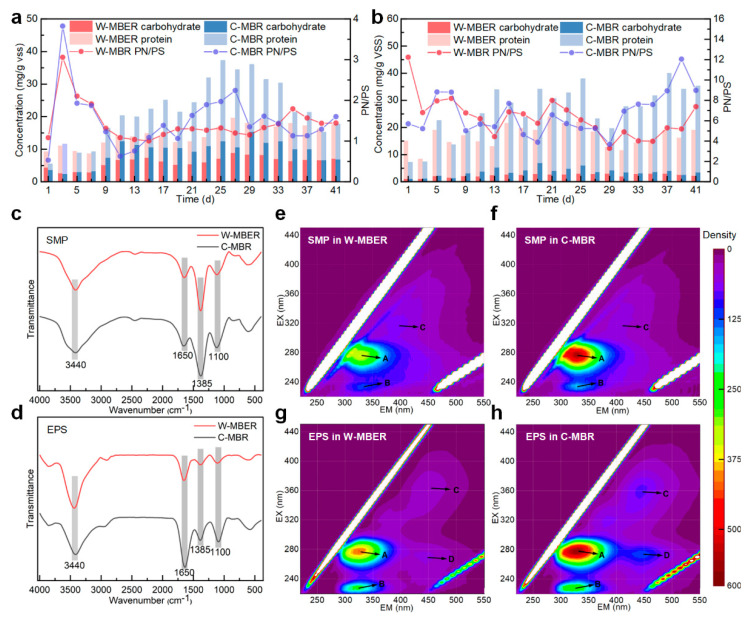 Figure 6
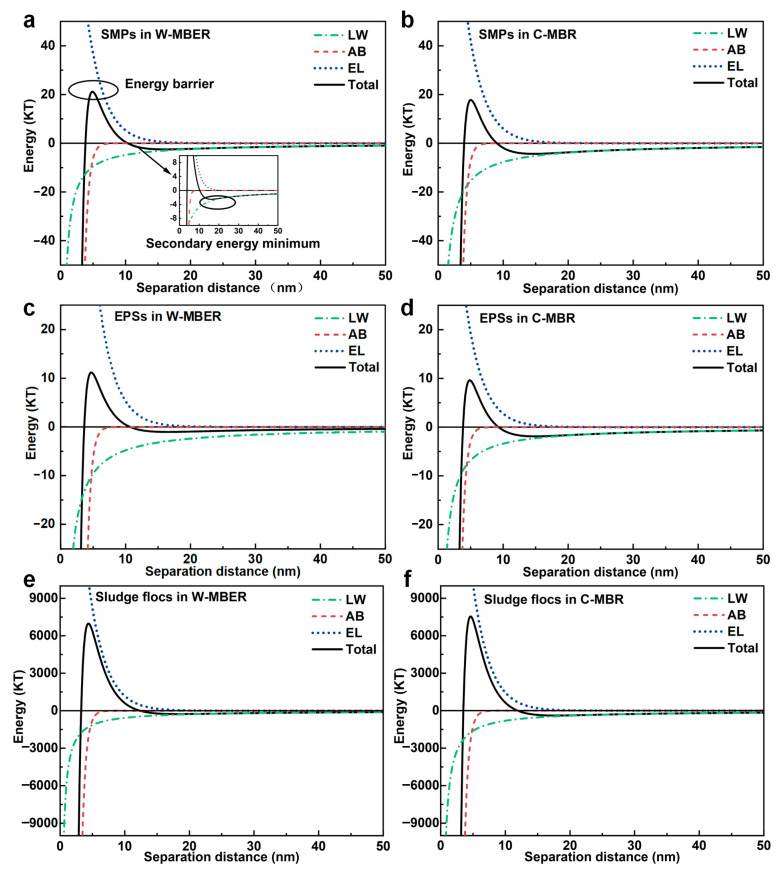 Figure 7
Peer Reviews
No public reviews on file for this paper yet. If you reviewed it on a platform where reviews are public (OpenReview, ICLR, NeurIPS, ICML), you can paste yours below so the community can read it here.
Videos
No videos yet. Explain this paper in a talk, walkthrough, or lecture? Add one.
Taxonomy
TopicsMicrobial Fuel Cells and Bioremediation · Membrane Separation Technologies · Wastewater Treatment and Nitrogen Removal