Various Analytical Techniques Reveal the Presence of Damaged Organic Remains in a Neolithic Adhesive Collected During Archeological Excavations in Cantagrilli (Florence Area, Italy)
Federica Valentini, Lucia Sarti, Fabio Martini, Pasquino Pallecchi, Ivo Allegrini, Irene Angela Colasanti, Camilla Zaratti, Andrea Macchia, Angelo Gismondi, Alessia D’Agostino, Antonella Canini, Anna Neri

TL;DR
This study used multiple analytical techniques to examine a Neolithic adhesive from Italy, revealing its chemical composition and decomposition state.
Contribution
The paper presents a multi-analytical approach combining chemical and archeobotanical methods to study ancient adhesives.
Findings
The adhesive contains triterpenes, aged anhydride, benzoyl resin, and gelatinized starch.
Mass spectrometry revealed the chemical decomposition state of the compounds.
Archeobotanical data suggest possible plant origins for some components, though not conclusively.
Abstract
In this work, an archeological adhesive collected at Cantagrilli (near Florence) was chemically analyzed by applying gas chromatography/mass spectrometry, infrared spectroscopy, and nuclear magnetic resonance spectrometry combined with the archeobotanical investigations. Data identify triterpenes, aged anhydride, benzoyl resin, and gelatinized starch in the sample. The multi-analytical approach allowed us to identify some molecular compounds, as well as their state of chemical decomposition (especially by applying the mass spectrometry techniques). On the other hand, archeobotanical measurements have provided useful but not unequivocal information regarding the possible origin of triterpenes from some terrestrial plants, combined with the presence of microorganisms and transformed chemicals (such as starch modified into gelatin). All this information is very useful to Prehistoric…
Genes, proteins, chemicals, diseases, species, mutations and cell lines named across the full text — each resolved to its canonical identifier and authoritative record.
Click any figure to enlarge with its caption.
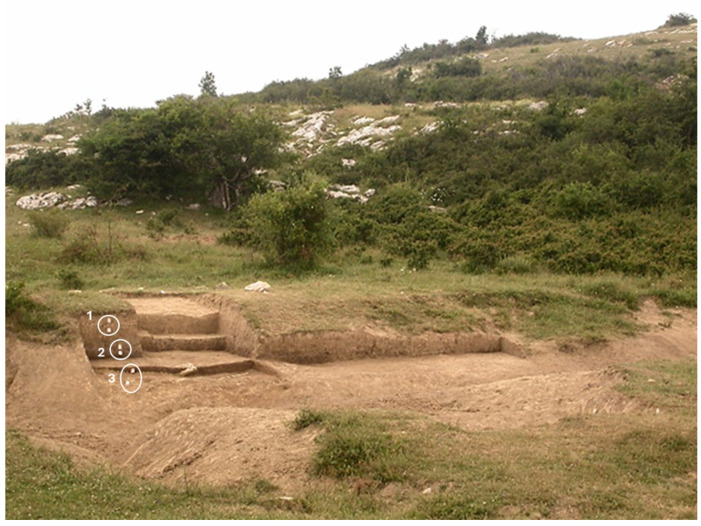 Figure 1
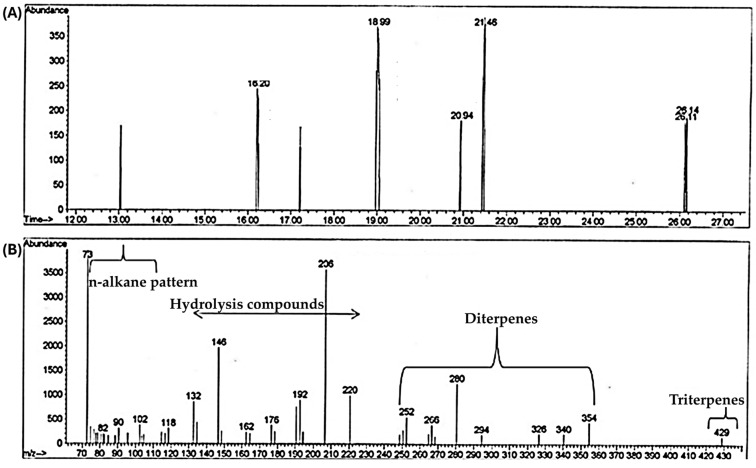 Figure 2
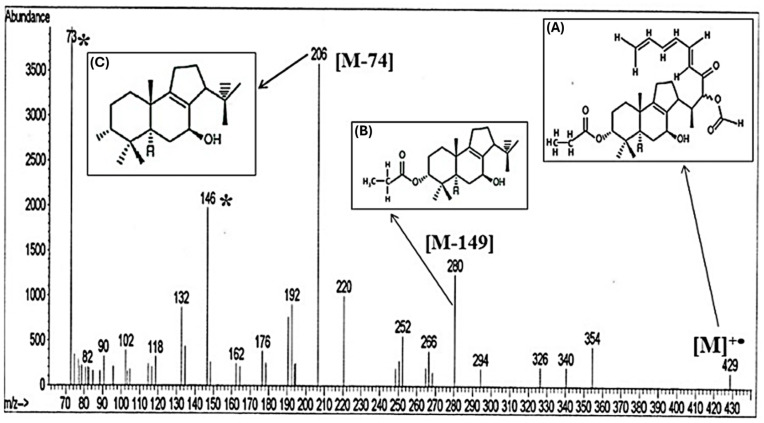 Figure 3
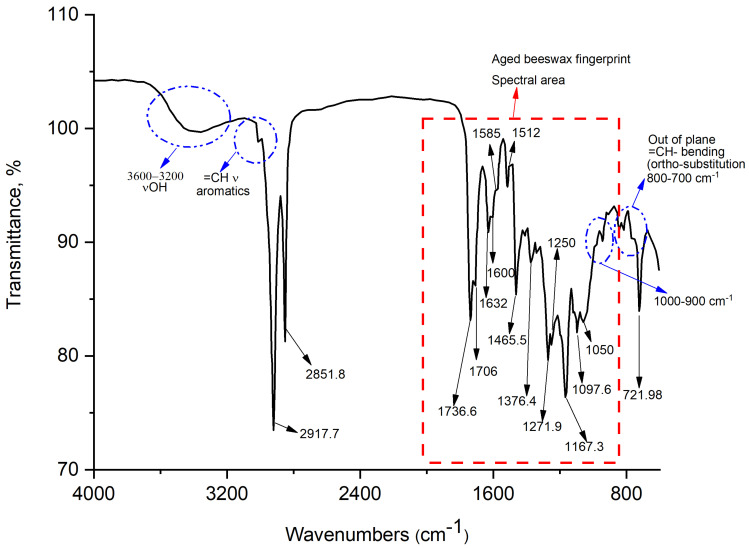 Figure 4
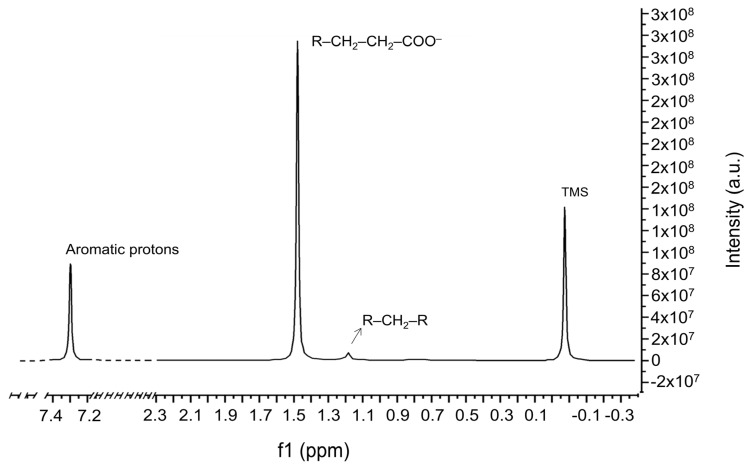 Figure 5
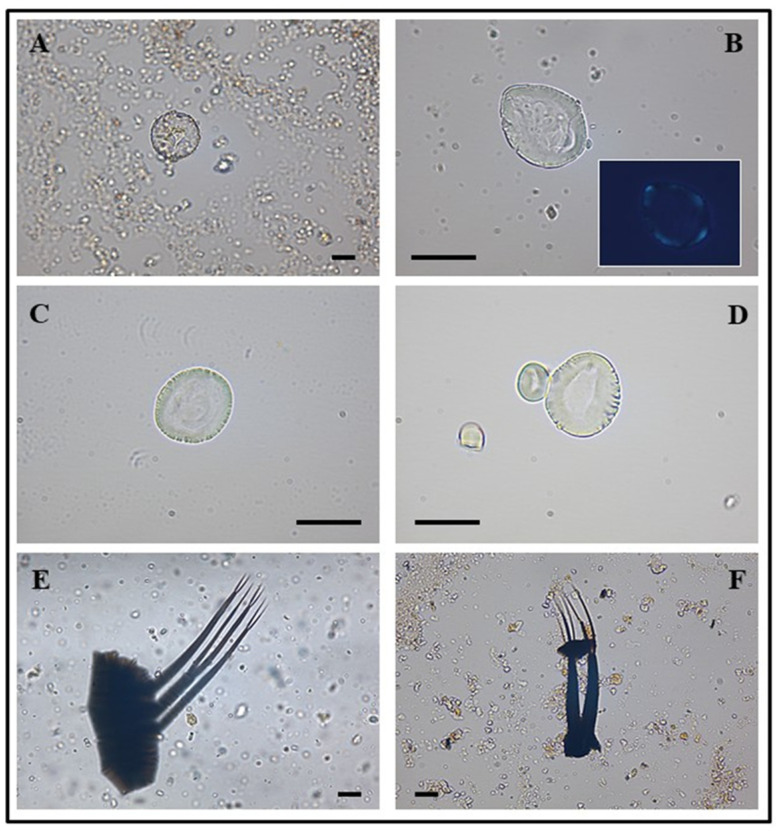 Figure 6
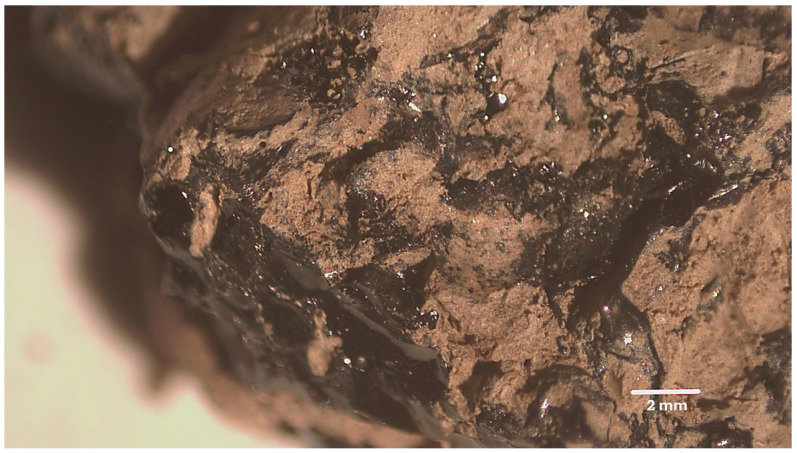 Figure 7
 Figure 8
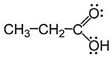 Figure 9
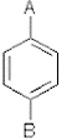 Figure 10
 Figure 11
Peer Reviews
No public reviews on file for this paper yet. If you reviewed it on a platform where reviews are public (OpenReview, ICLR, NeurIPS, ICML), you can paste yours below so the community can read it here.
Videos
No videos yet. Explain this paper in a talk, walkthrough, or lecture? Add one.
Taxonomy
TopicsCultural Heritage Materials Analysis · Archaeology and ancient environmental studies · Building materials and conservation