Optimizing TiO2/HfO2 Multilayer RRAM for Self-Rectifying Characteristics
Chan-Hyeok Nam, Myung-Hyun Baek

TL;DR
This paper introduces a bilayer RRAM structure to reduce sneak currents in neuromorphic systems, improving performance and accuracy.
Contribution
A novel TiO2/HfO2 bilayer RRAM design is proposed to achieve self-rectifying characteristics and suppress sneak currents.
Findings
The TiO2/HfO2 bilayer structure suppresses reverse bias current more effectively than single-layer devices.
Increasing TiO2 thickness and top electrode work function improves rectification by 10 to 40 times.
The design enhances synaptic weighted sum accuracy in neuromorphic systems.
Abstract
Sneak current refers to leakage currents in RRAM crossbar arrays without selector devices, disrupting the accuracy of weighted sum operations in neuromorphic systems, leading to performance degradation and increased power consumption. This study presents a bilayer RRAM structure with a selector layer designed to suppress sneak current in neuromorphic synapse arrays. By utilizing a TiO2/HfO2 bilayer structure, it is demonstrated that increasing the thickness of TiO2 and the work function of the top electrode effectively suppresses current under reverse bias compared to single-layer devices. The bilayer structure achieves rectification levels of 10 to 30 times higher than the single-layer configuration, while increasing the work function of the top electrode yields rectification improvements ranging from 10 to 40 times. This approach enhances the accuracy of synaptic weighted sum…
Genes, proteins, chemicals, diseases, species, mutations and cell lines named across the full text — each resolved to its canonical identifier and authoritative record.
Click any figure to enlarge with its caption.
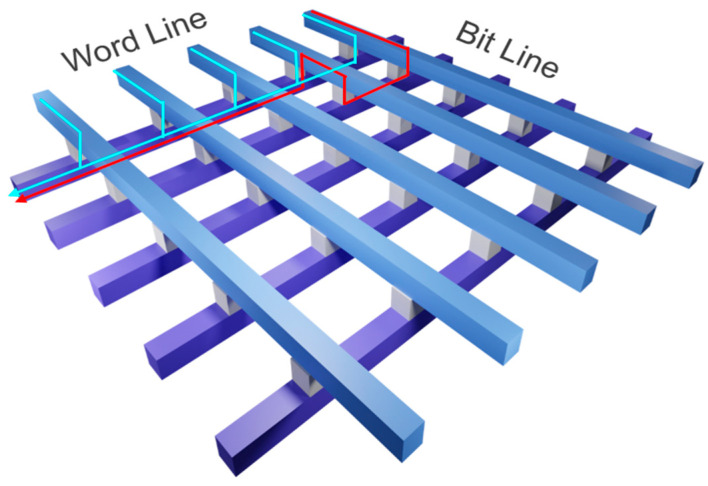 Figure 1
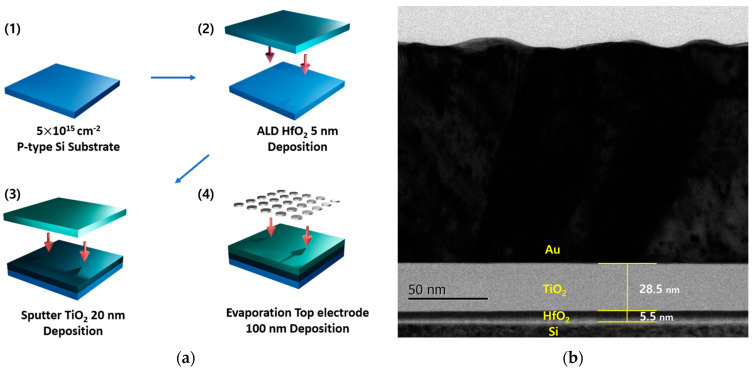 Figure 2
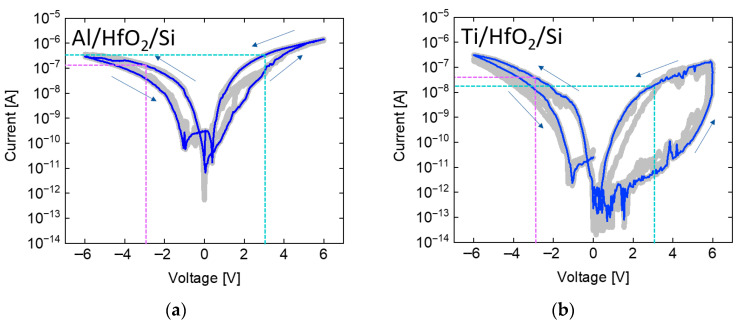 Figure 3
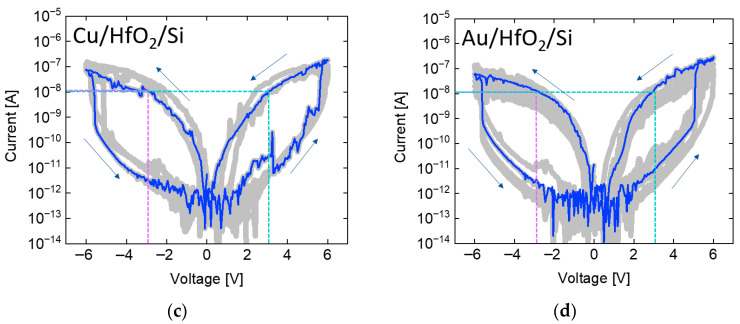 Figure 4
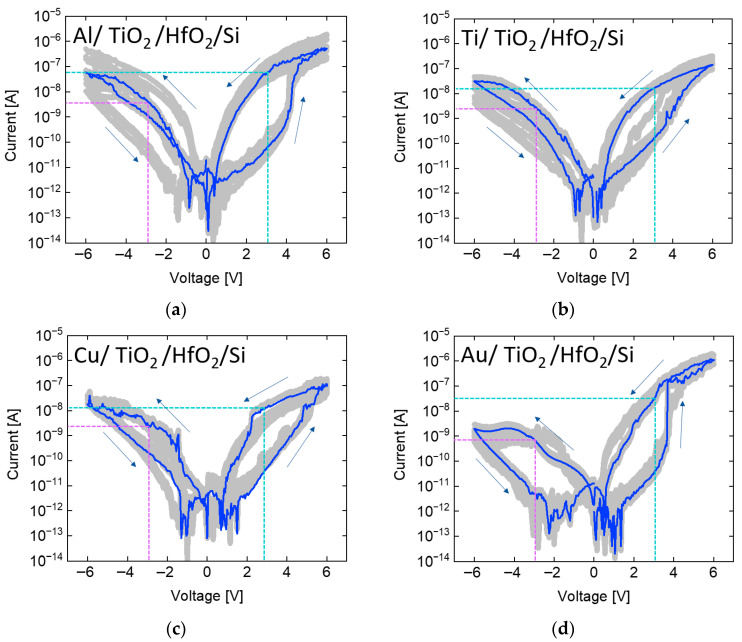 Figure 5
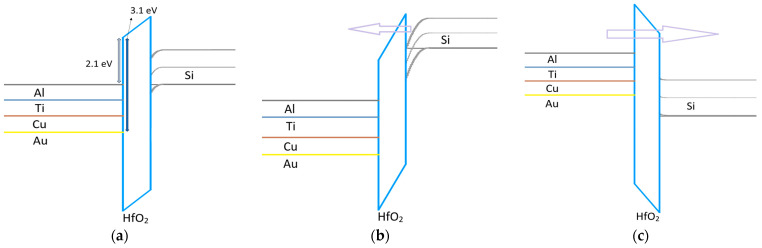 Figure 6
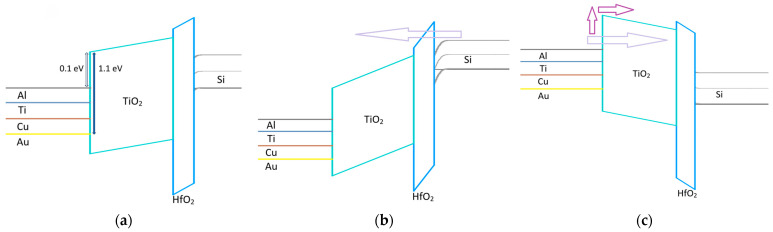 Figure 7
 Figure 8
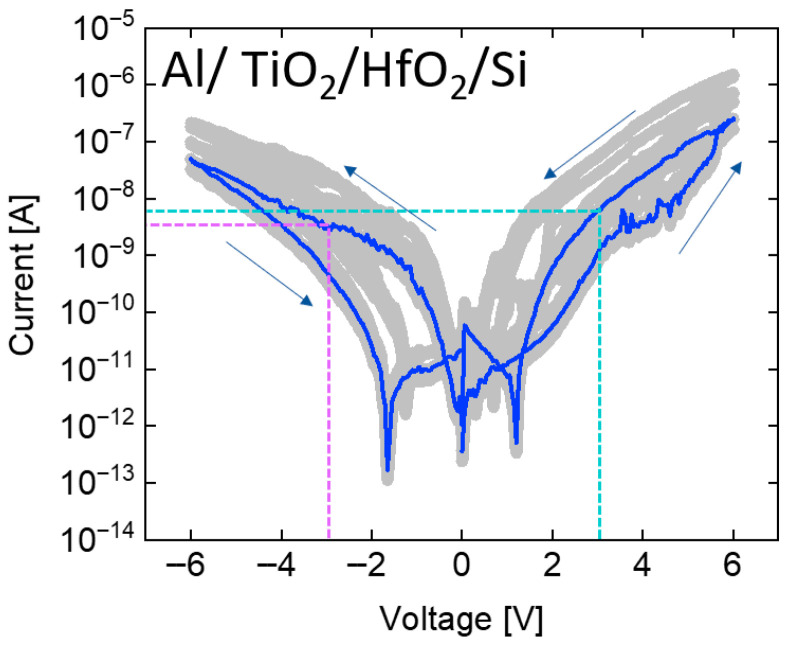 Figure 9
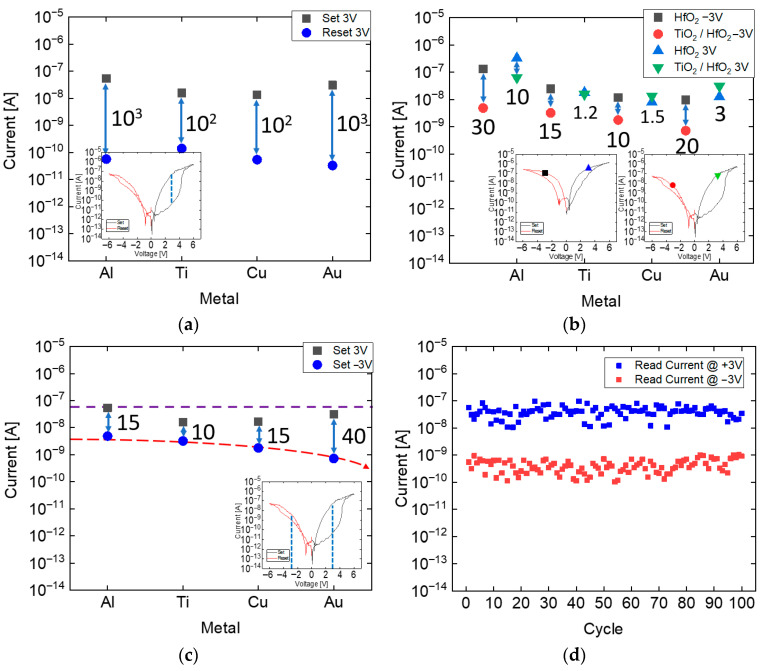 Figure 10
Peer Reviews
No public reviews on file for this paper yet. If you reviewed it on a platform where reviews are public (OpenReview, ICLR, NeurIPS, ICML), you can paste yours below so the community can read it here.
Videos
No videos yet. Explain this paper in a talk, walkthrough, or lecture? Add one.
Taxonomy
TopicsAdvanced Memory and Neural Computing · Ferroelectric and Negative Capacitance Devices · Transition Metal Oxide Nanomaterials