Systemic Metabolomic Remodeling in Pressure Overload-Induced Heart Failure Indicates Modulation of a Gut–Liver–Heart Axis by the Adiponectin Receptor Agonist ALY688
Yubin Lei, Benjie Li, Tori Gosse, Sungji Cho, Hye Kyoung Sung, Jiarui Chen, Gary Sweeney

TL;DR
This study shows that ALY688, an adiponectin receptor agonist, protects the heart in heart failure by restoring metabolic balance across multiple organs, including the gut, liver, and heart.
Contribution
The study identifies specific metabolic pathways and gut-liver-heart interactions modulated by ALY688 in heart failure.
Findings
ALY688 treatment significantly modified key metabolites like triglycerides and glycosylceramides in heart failure.
ALY688 altered gut-derived metabolites such as TMAO, 5-AVA, and GDCA, suggesting a gut–liver–heart axis involvement.
The drug mitigated metabolic dysregulation in multiple tissues following pressure overload-induced heart failure.
Abstract
Background/Objectives: Numerous studies have documented cardioprotective effects of adiponectin in animal models of cardiometabolic disease (CMD). Adiponectin receptor agonist ALY688 has demonstrated functional significance against pressure overload-induced cardiac remodeling events in a mouse model of heart failure with reduced ejection fraction (HFrEF), potentially through modulation of the systemic metabolome. However, the specific metabolites and their pathophysiological contribution to cardioprotection in cardiac hypertrophy or heart failure remain unclear. This study aimed to characterize systemic metabolic alterations across five tissues in HFrEF and determine how ALY688 modifies these pathways to mediate cardioprotection in the transverse aortic constriction (TAC) model. Methods: Targeted metabolic profiling was performed on heart, liver, muscle, epididymal white adipose tissue…
Genes, proteins, chemicals, diseases, species, mutations and cell lines named across the full text — each resolved to its canonical identifier and authoritative record.
Click any figure to enlarge with its caption.
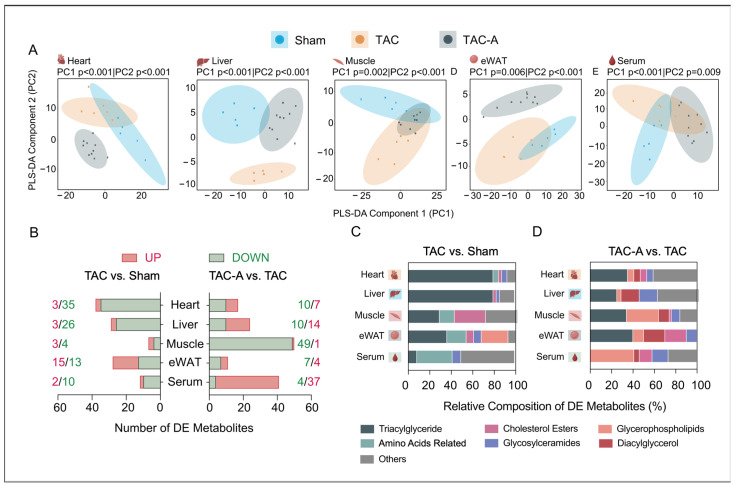 Figure 1
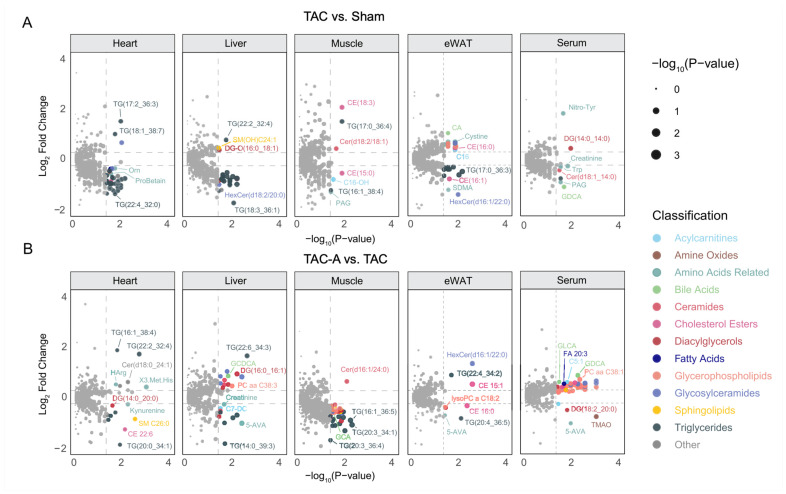 Figure 2
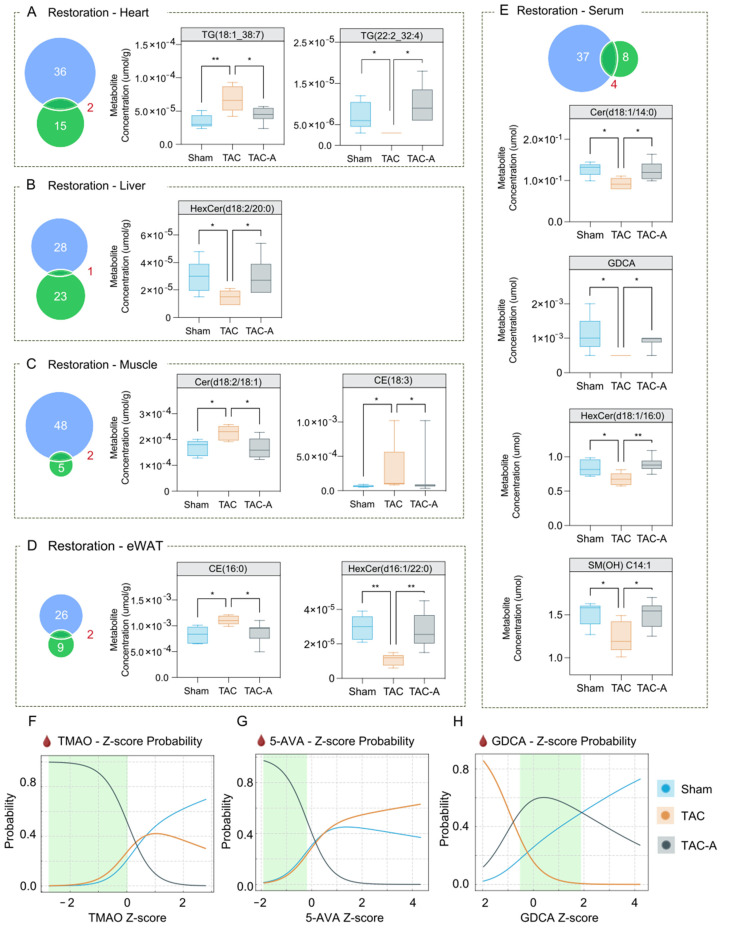 Figure 3
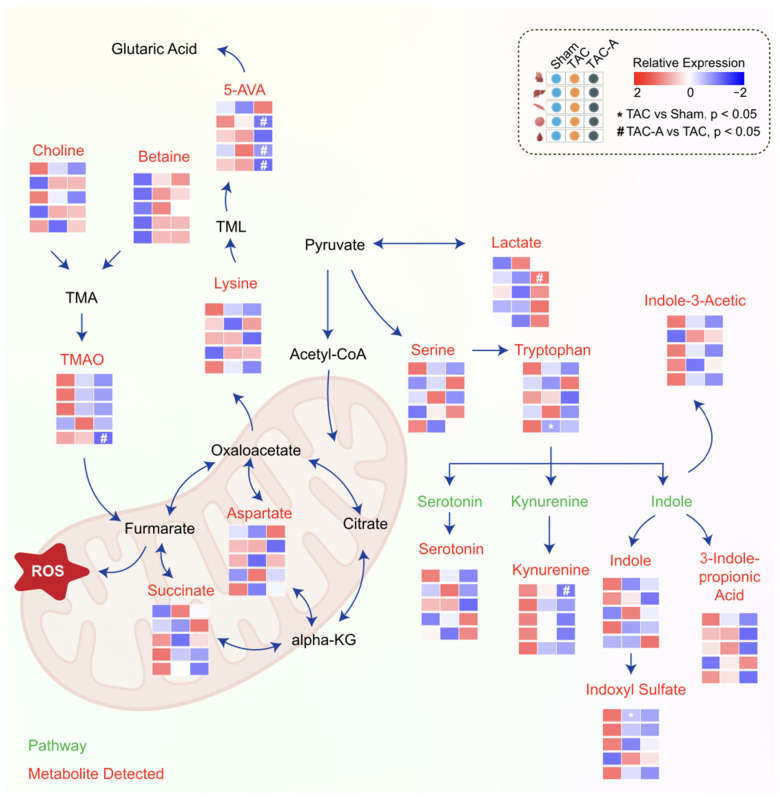 Figure 4
Peer Reviews
No public reviews on file for this paper yet. If you reviewed it on a platform where reviews are public (OpenReview, ICLR, NeurIPS, ICML), you can paste yours below so the community can read it here.
Videos
No videos yet. Explain this paper in a talk, walkthrough, or lecture? Add one.
Taxonomy
TopicsAdipokines, Inflammation, and Metabolic Diseases · Cardiac Fibrosis and Remodeling · Cardiovascular Function and Risk Factors