Effects of Diet and Altitude on the Microbiota of the First Compartment of the Stomach in Peruvian Alpacas in Highland Puna Regions and Their Correlations with Blood Parameters
Nils H. Flores-Huarco, Richard Estrada, Yolanda Romero, Pedro Coila, Diana Sanchez, Jorge L. Maicelo, Wigoberto C. Alvarado, Carlos Quilcate, Mery Aliaga, Walter Galindo, Jorge Saavedra-Ramírez, Henry Apaza, Carlos I. Arbizu

TL;DR
This study examines how diet and altitude affect the stomach microbiota of alpacas in high-altitude Peruvian regions and how these microbial differences correlate with blood parameters.
Contribution
The study reveals novel correlations between microbial taxa and hematological variables in alpacas under high-altitude conditions.
Findings
Microbial diversity and composition differ significantly between Wet Puna and Dry Puna regions.
Key taxa like Prevotella ruminicola and Methanobrevibacter are linked to host adaptation and environmental conditions.
Microbial taxa correlate with blood parameters such as red blood cell count and neutrophil percentage.
Abstract
This study explores the intestinal microbiota of eight 18-month-old male alpacas from two distinct high-altitude regions in Peru: the Wet Puna (4200 m above sea level) and the Dry Puna (4900 m above sea level). Using 16S rRNA and 18S rRNA metabarcoding, microbial communities of bacteria, archaea, fungi, and protists were analyzed from the first compartment of the stomach (C1) to investigate the diversity, taxonomic composition, and correlations with hematological parameters. Significant differences in microbial diversity and composition were observed between regions, driven by dietary and environmental factors. The Wet Puna exhibited greater alpha diversity in bacterial and fungal communities, while beta diversity highlighted distinct microbial compositions. Key taxa, such as Prevotella ruminicola and Acetitomaculum, were associated with energy metabolism and host adaptation, whereas…
Genes, proteins, chemicals, diseases, species, mutations and cell lines named across the full text — each resolved to its canonical identifier and authoritative record.
Click any figure to enlarge with its caption.
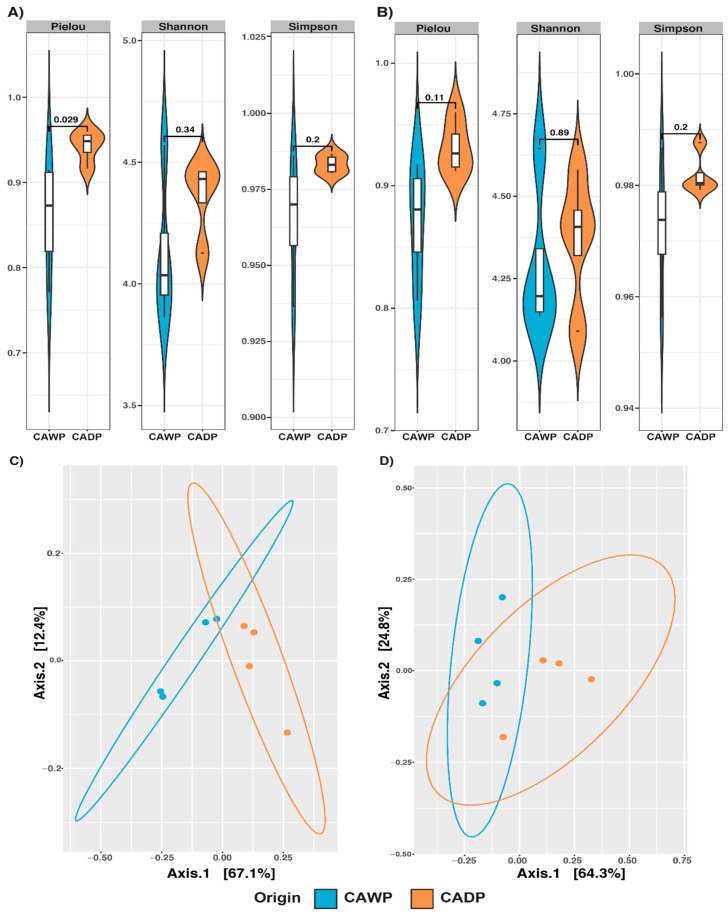 Figure 1
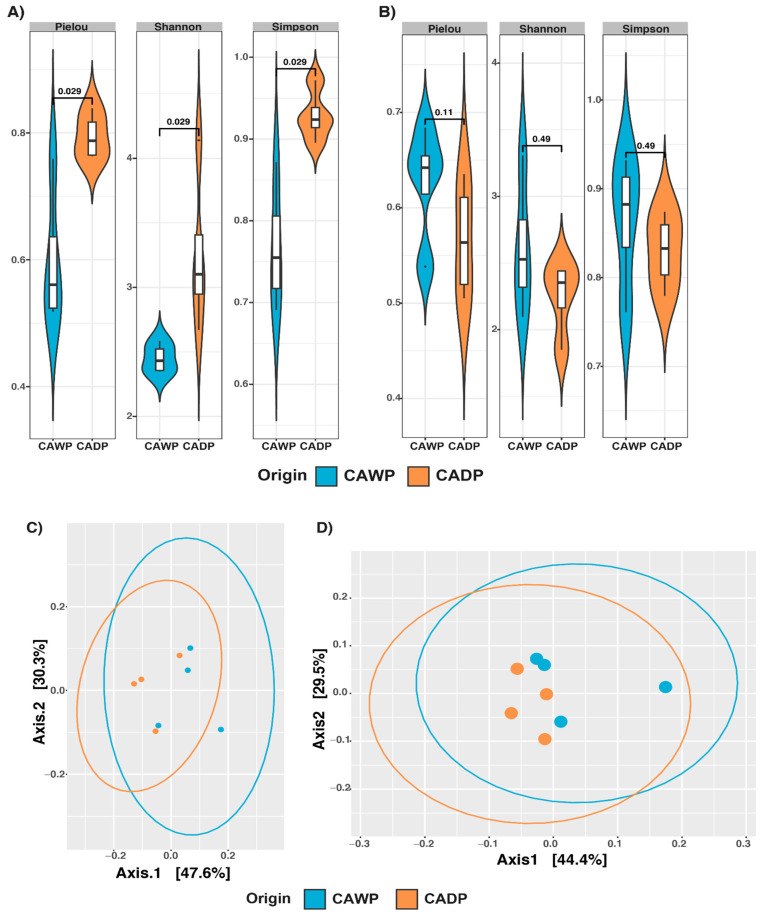 Figure 2
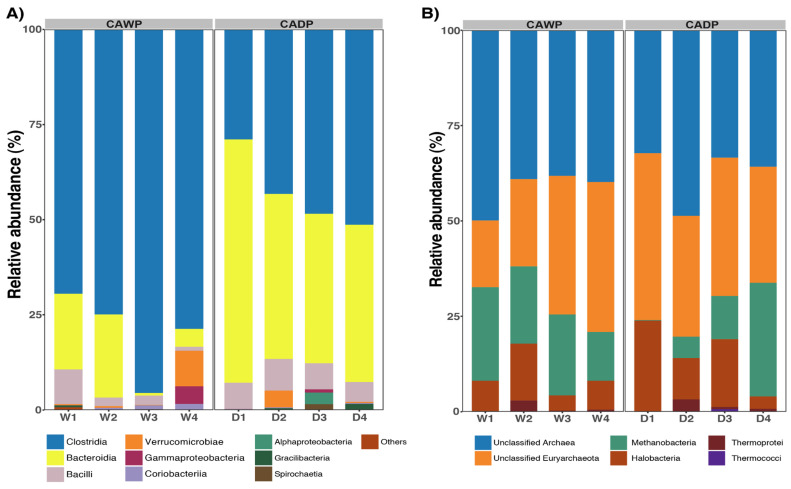 Figure 3
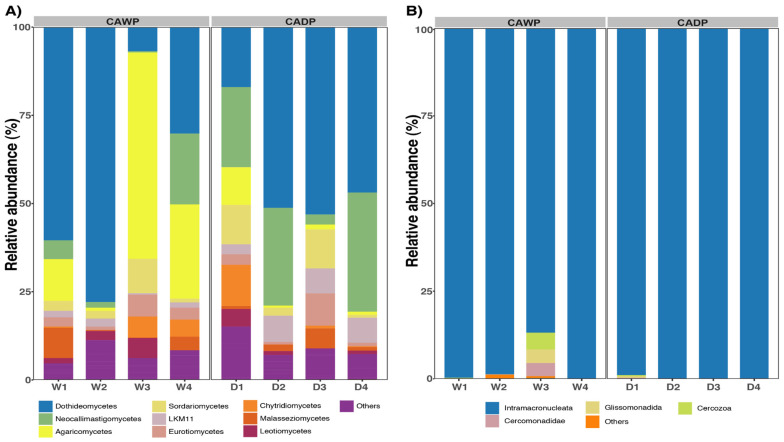 Figure 4
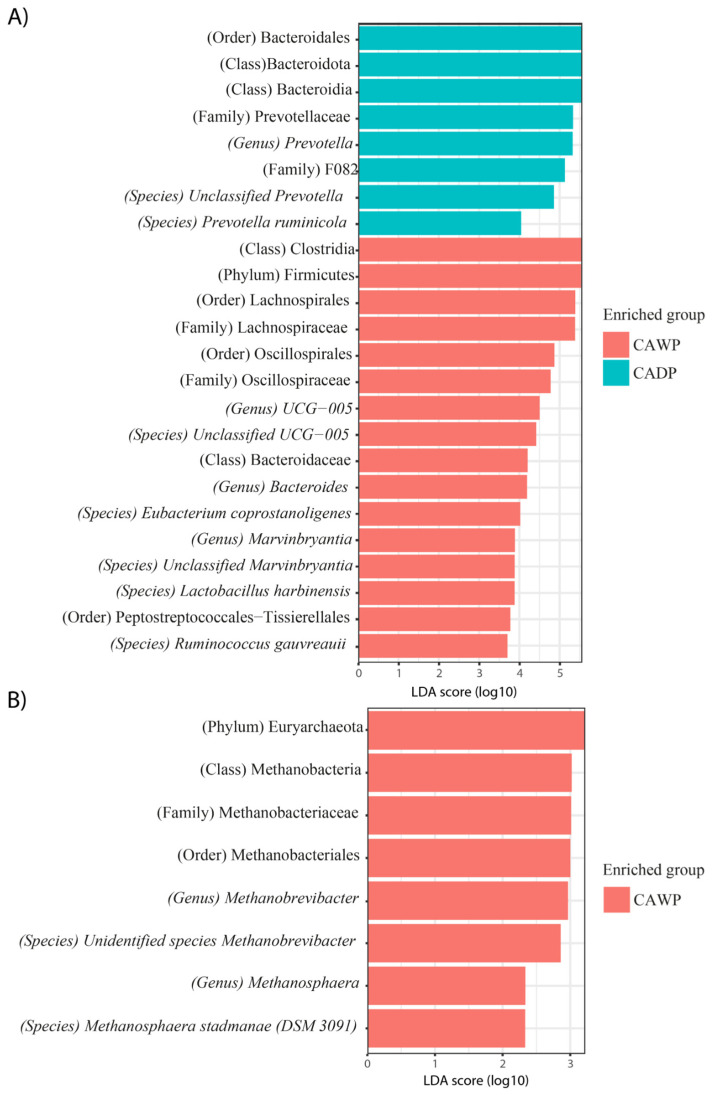 Figure 5
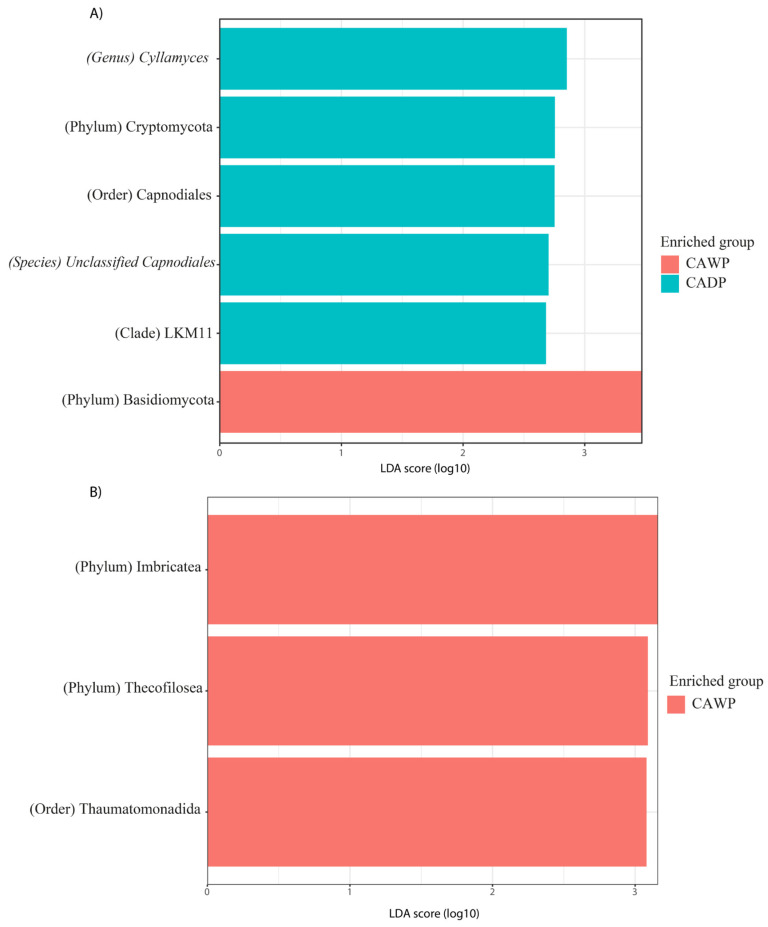 Figure 6
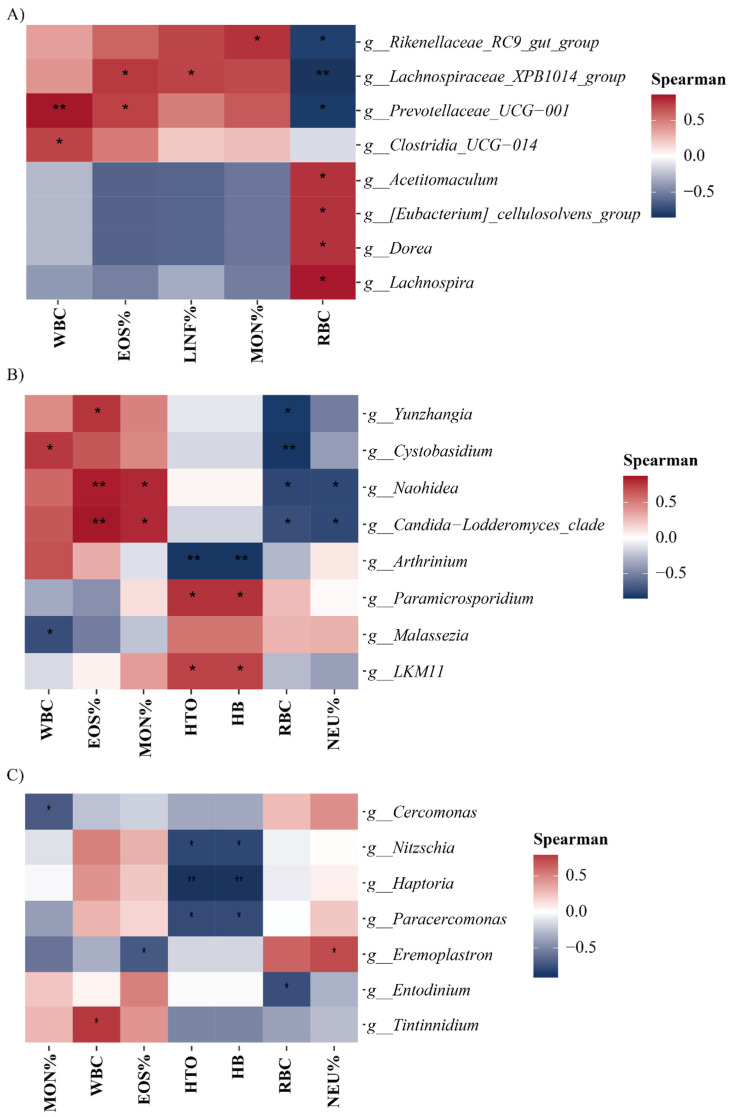 Figure 7
Peer Reviews
No public reviews on file for this paper yet. If you reviewed it on a platform where reviews are public (OpenReview, ICLR, NeurIPS, ICML), you can paste yours below so the community can read it here.
Videos
No videos yet. Explain this paper in a talk, walkthrough, or lecture? Add one.
Taxonomy
TopicsGut microbiota and health · Rangeland Management and Livestock Ecology · Ruminant Nutrition and Digestive Physiology