High Ratio of Dietary Palmitic Acid to DHA + EPA Induces Glucose Metabolic Disorder Through Endocrine and Transcriptional Regulation in Large Yellow Croaker (Larimichthys crocea)
Qi Wang, Huaicheng Ge, Zhixiang Gu, Hao Chen, Hua Mu, Kangsen Mai, Wenbing Zhang

TL;DR
A high ratio of palmitic acid to DHA and EPA in the diet of large yellow croaker disrupts glucose metabolism and lipid balance, affecting growth and health.
Contribution
The study reveals how dietary fatty acid ratios impact glucose and lipid metabolism through endocrine and transcriptional changes in fish.
Findings
High palmitic acid reduced glycogen and increased liver lipid content in large yellow croaker.
Dietary palmitic acid altered the expression of genes involved in glycolysis and insulin signaling.
Serum leptin and insulin levels decreased, while adiponectin levels increased with high palmitic acid intake.
Abstract
Background/Objectives: Replacing fish oil with vegetable oil is an important measure for aquaculture to relieve the pressure of fish oil, but it is also easy to cause the growth decline and metabolic disorder of farmed animals, mainly due to the change in dietary fatty acids. This study investigated the regulatory effects of dietary fatty acid composition on glucose metabolism in large yellow croaker (Larimichthys crocea) with an initial weight of 30.51 ± 0.16 g. Methods: Three isonitrogenous (~43% crude protein) and isolipid (~11% crude lipid) diets were formulated as follows: control (CON, DHA/EPA-rich oil as primary lipid), moderate palmitic acid (MPA, 50% of DHA+EPA-rich oil was replaced by glyceryl palmitate), and high palmitic acid (HPA, 100% of DHA+EPA-rich oil was replaced by glyceryl palmitate). Results: After 10 weeks of feeding, the HPA significantly reduced the liver/muscle…
Genes, proteins, chemicals, diseases, species, mutations and cell lines named across the full text — each resolved to its canonical identifier and authoritative record.
Click any figure to enlarge with its caption.
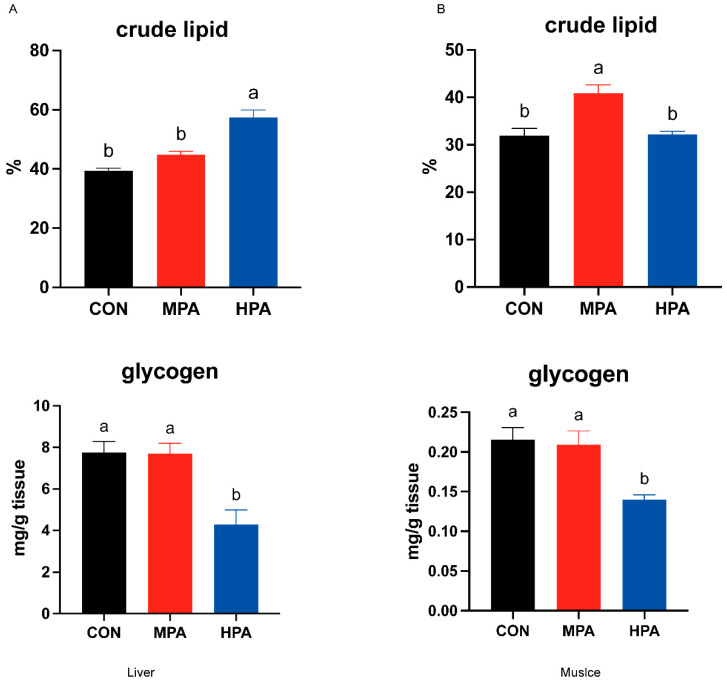 Figure 1
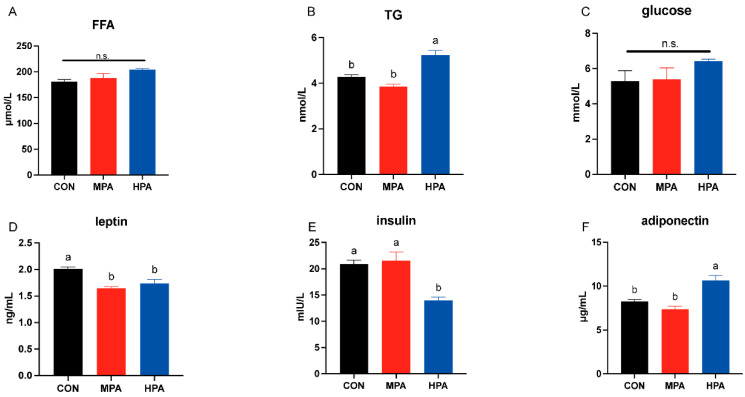 Figure 2
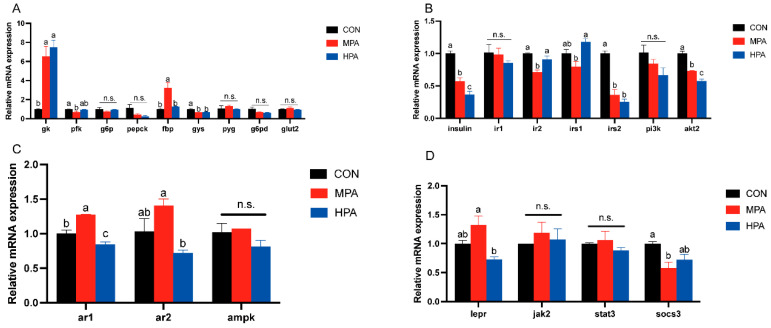 Figure 3
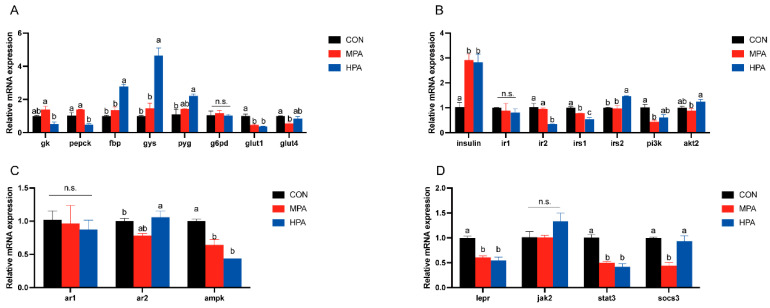 Figure 4
Peer Reviews
No public reviews on file for this paper yet. If you reviewed it on a platform where reviews are public (OpenReview, ICLR, NeurIPS, ICML), you can paste yours below so the community can read it here.
Videos
No videos yet. Explain this paper in a talk, walkthrough, or lecture? Add one.
Taxonomy
TopicsAquaculture Nutrition and Growth · Peroxisome Proliferator-Activated Receptors · Fatty Acid Research and Health