Mechanical Properties of Additively Manufactured Composite Resin vs. Subtractively Manufactured Hybrid Ceramic Implant-Supported Permanent Crowns Before and After Thermal Aging
Nilufer Ipek Sahin, Emre Tokar

TL;DR
This study compares the durability and surface quality of crowns made using two different manufacturing methods after simulating a year of use in the mouth.
Contribution
The study evaluates composite resin and hybrid ceramic crowns under realistic clinical conditions with thermal aging and varying thicknesses.
Findings
Composite resin crowns had lower surface roughness but also lower fracture resistance compared to hybrid ceramic crowns.
At 1.5 and 2.0 mm thickness, hybrid ceramic crowns showed significantly higher fracture resistance than composite resin crowns.
A 1.0 mm thickness may not be sufficient for high bite forces, posing a potential risk for composite resin and hybrid ceramic crowns.
Abstract
This study aims to compare the surface roughness and fracture resistance of implant-supported permanent crowns additively manufactured using composite resins (Crowntec, VarseoSmile) versus subtractively manufactured polymer-infiltrated hybrid ceramic (VITA Enamic) at various wall thicknesses using an experimental setup as close to clinical as possible. 180 crowns were fabricated in three thicknesses (1.0, 1.5, and 2.0 mm) and cemented onto titanium abutments. Experimental groups underwent thermal aging (10,000 cycles) to simulate one year of clinical service. Surface roughness was measured via profilometry, and fracture resistance was assessed using a universal testing machine. Composite resin crowns exhibited lower surface roughness and lower fracture resistance than subtractively manufactured crowns. No significant difference in fracture resistance was found between materials at 1.0…
Genes, proteins, chemicals, diseases, species, mutations and cell lines named across the full text — each resolved to its canonical identifier and authoritative record.
Click any figure to enlarge with its caption.
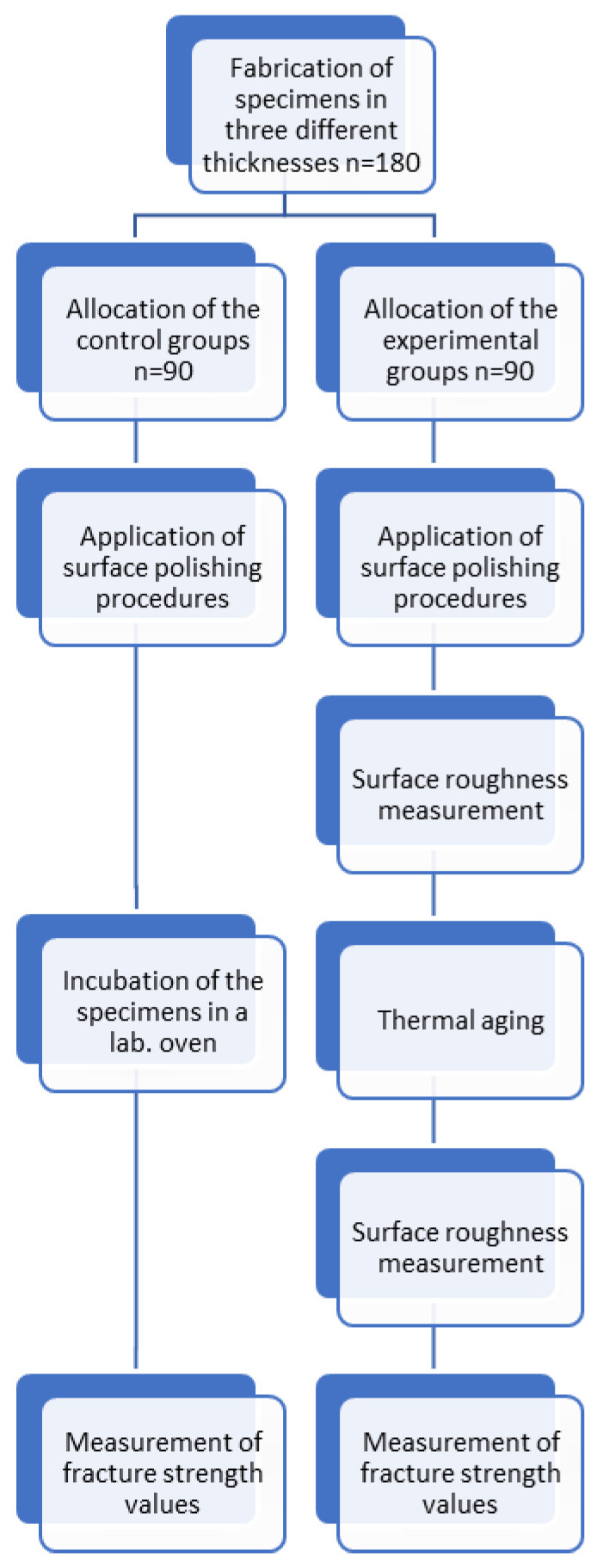 Figure 1
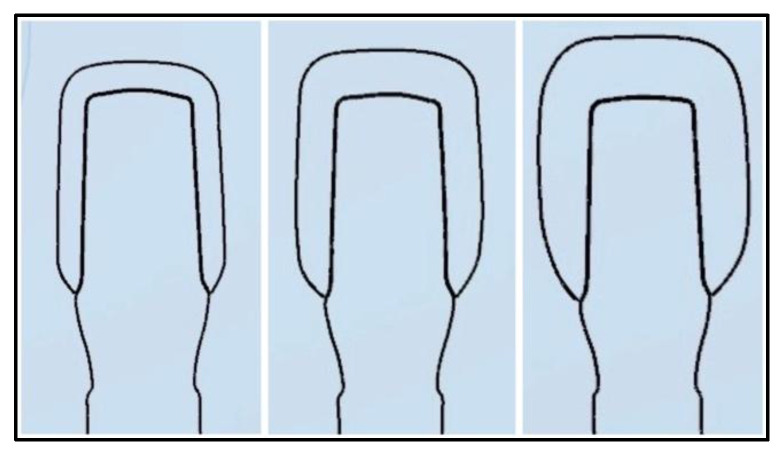 Figure 2
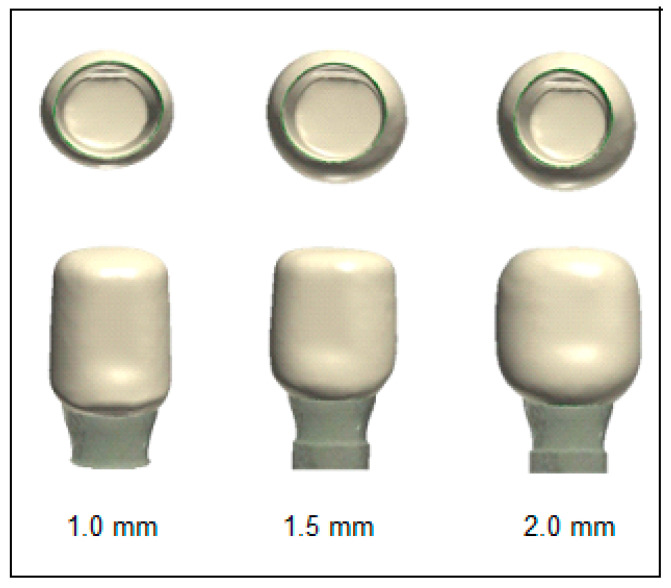 Figure 3
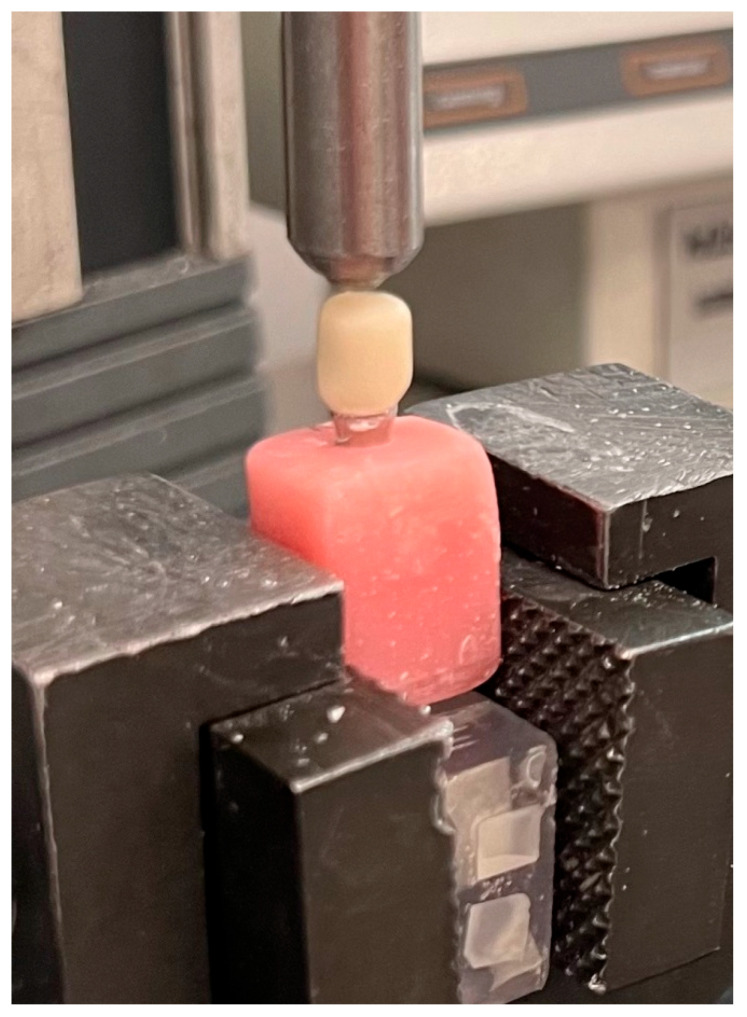 Figure 4
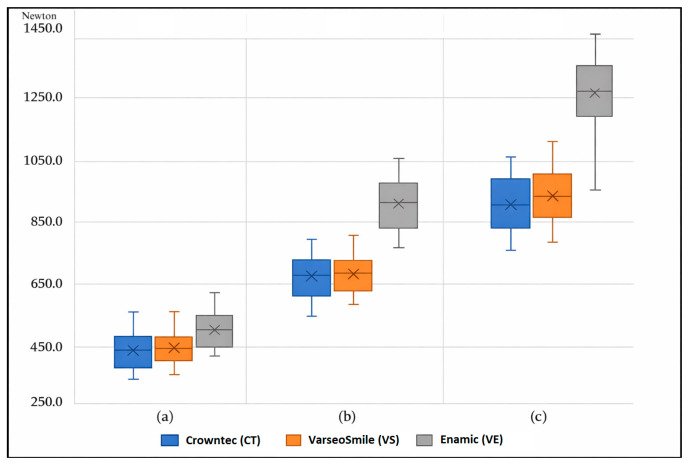 Figure 5
Peer Reviews
No public reviews on file for this paper yet. If you reviewed it on a platform where reviews are public (OpenReview, ICLR, NeurIPS, ICML), you can paste yours below so the community can read it here.
Videos
No videos yet. Explain this paper in a talk, walkthrough, or lecture? Add one.
Taxonomy
TopicsDental materials and restorations · Dental Implant Techniques and Outcomes · Bone Tissue Engineering Materials