Bioprospecting Honey-Derived Microorganisms for the Biological Control of Phytopathogens
Patrícia Perina de Oliveira, Giovanna Felette de Paula, Katherine Bilsland Marchesan, Luiza Rodrigues de Souza, José Fhilipe de Miranda da Silva, João Gabriel Elston, Henrique Marques de Souza, Elizabeth Bilsland

TL;DR
Honey-derived bacteria show strong potential as sustainable alternatives to synthetic pesticides for controlling plant pathogens.
Contribution
Honey is proposed as a novel reservoir for stress-tolerant biocontrol agents with efficacy comparable to commercial products.
Findings
Initial screening with standard organisms effectively identified strains with antimicrobial potential against phytopathogens.
Two Bacillus velezensis strains from honey exhibited high inhibition of phytopathogens and caused hyphal deformities.
Honey-derived strains showed efficacy comparable to commercial biocontrol agents.
Abstract
Microbial biological control agents are a sustainable alternative to synthetic pesticides, yet their widespread application is limited by a lack of environmental resilience of commercial products. To address this, we exploited honey—a stringent ecological niche—as a reservoir for stress-tolerant bacteria. In this study, the bioprospection utilizing five types of commercially available honeys yielded a collection of 53 bacteria and 10 fungi. All bacterial isolates were evaluated for antimicrobial activity against a laboratory-standard bacterium and yeast, and six economically relevant phytopathogenic microorganisms. Initial screening with standard laboratory organisms proved to be an efficient method to detect strains with antimicrobial potential, correlating significantly with further phytopathogen inhibition (Spearman’s r = 0.4512, p = 0.0005). Two promising strains, M2.7 and M3.18,…
Genes, proteins, chemicals, diseases, species, mutations and cell lines named across the full text — each resolved to its canonical identifier and authoritative record.
Click any figure to enlarge with its caption.
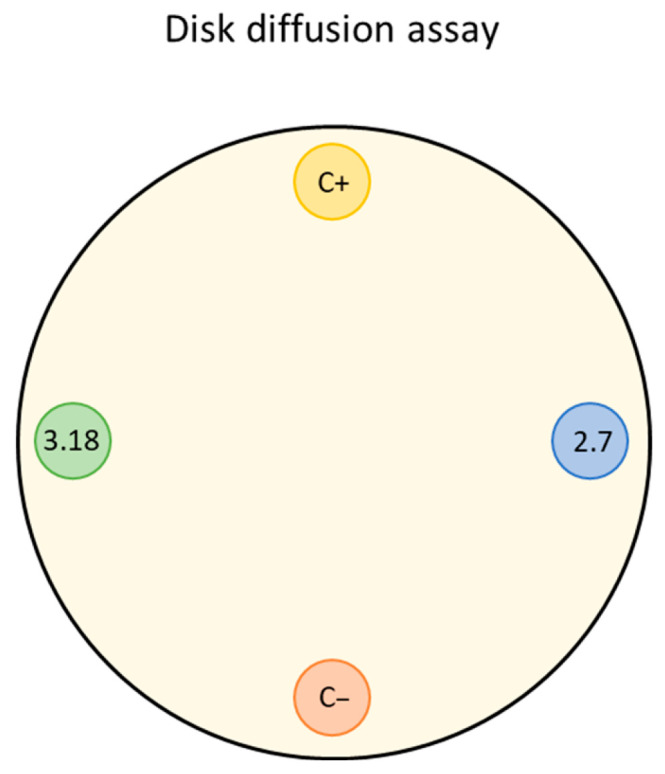 Figure 1
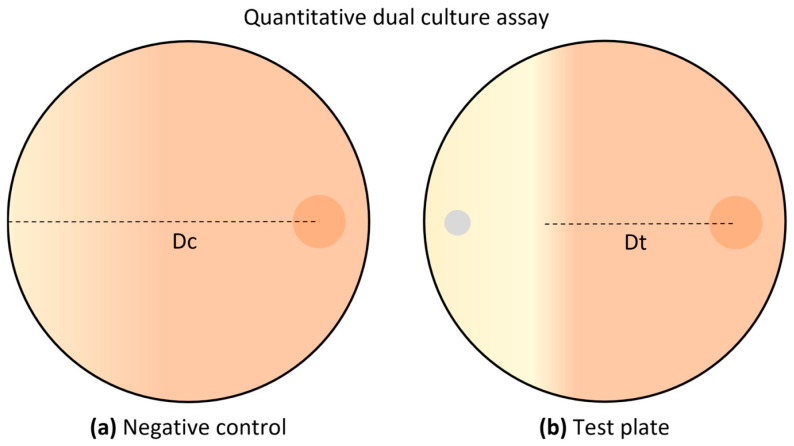 Figure 2
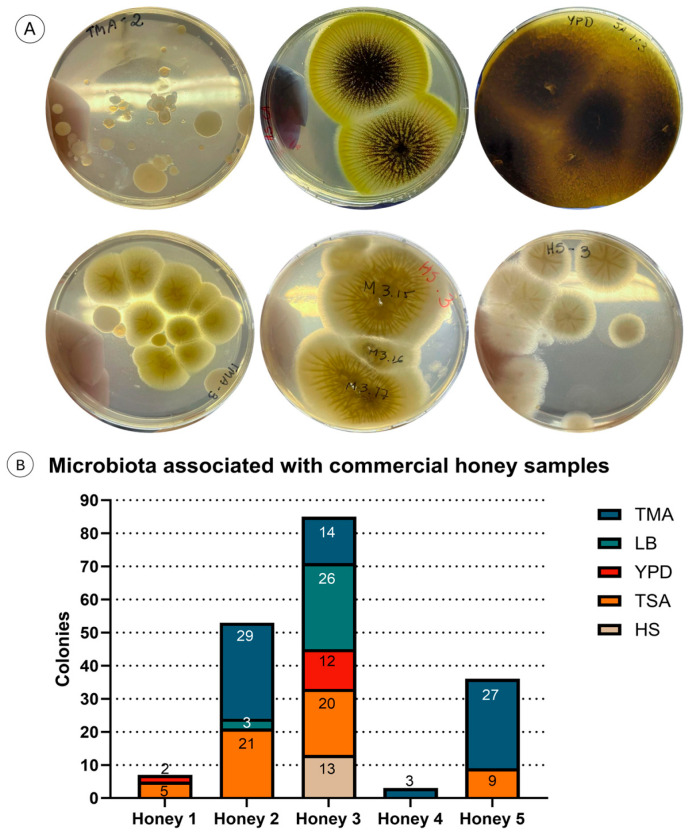 Figure 3
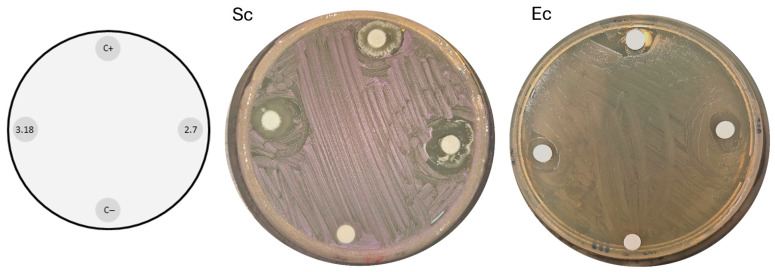 Figure 4
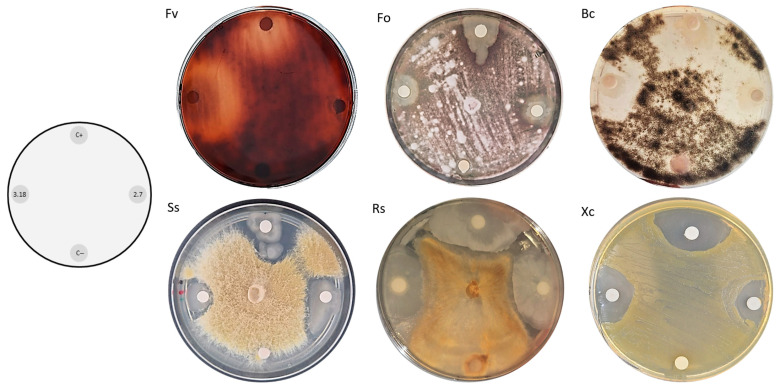 Figure 5
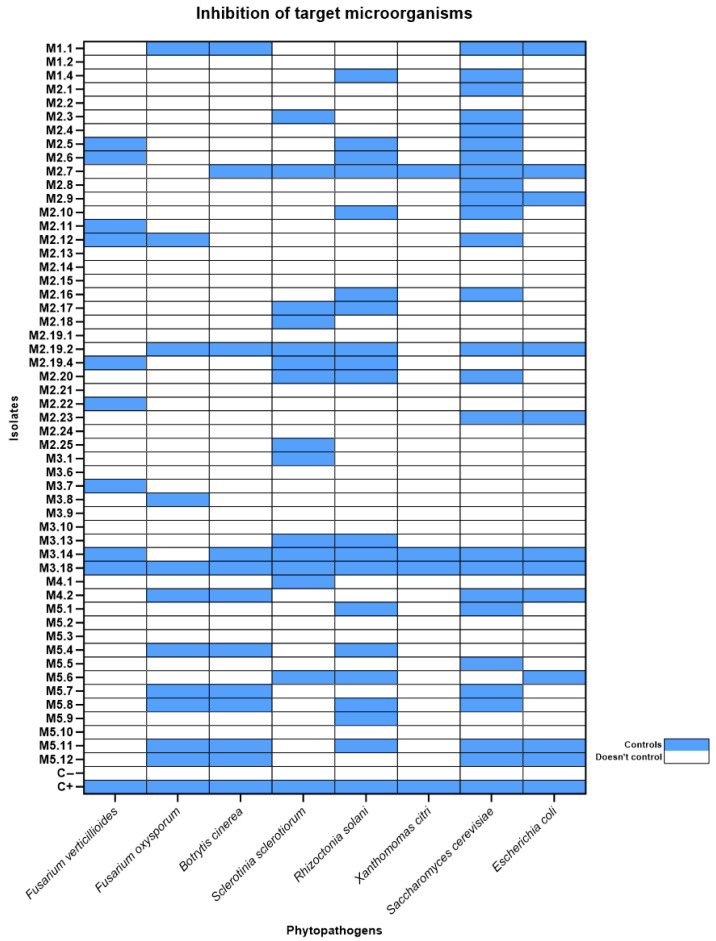 Figure 6
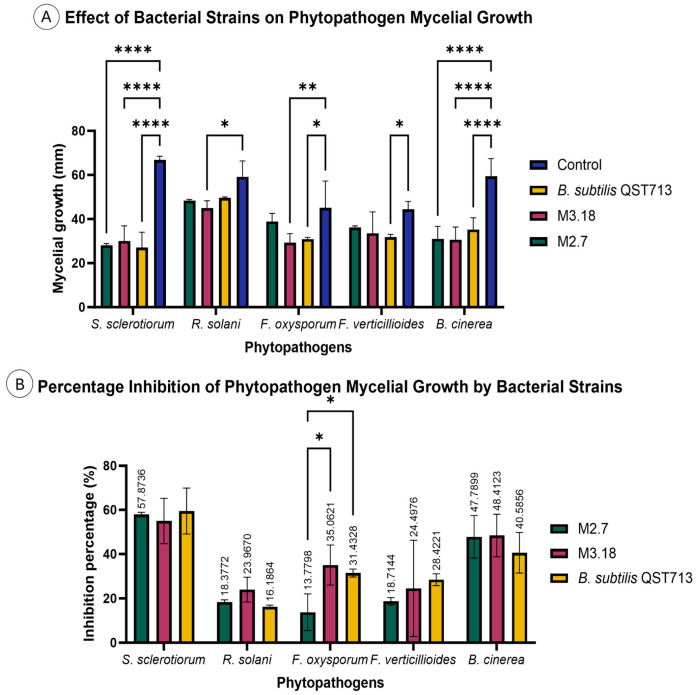 Figure 7
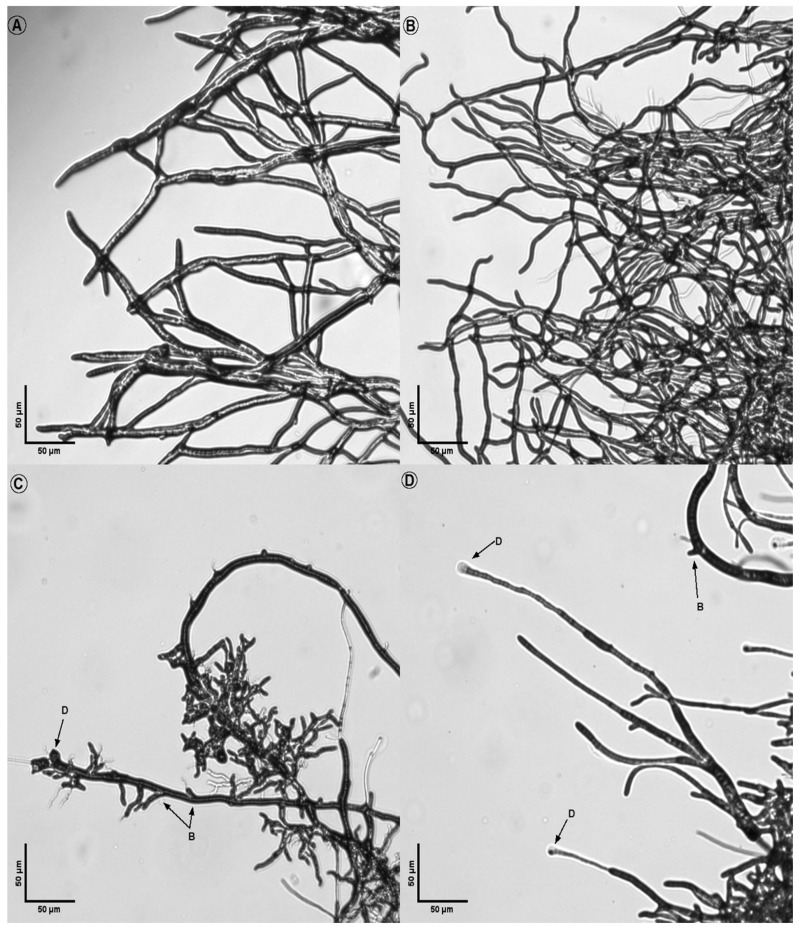 Figure 8
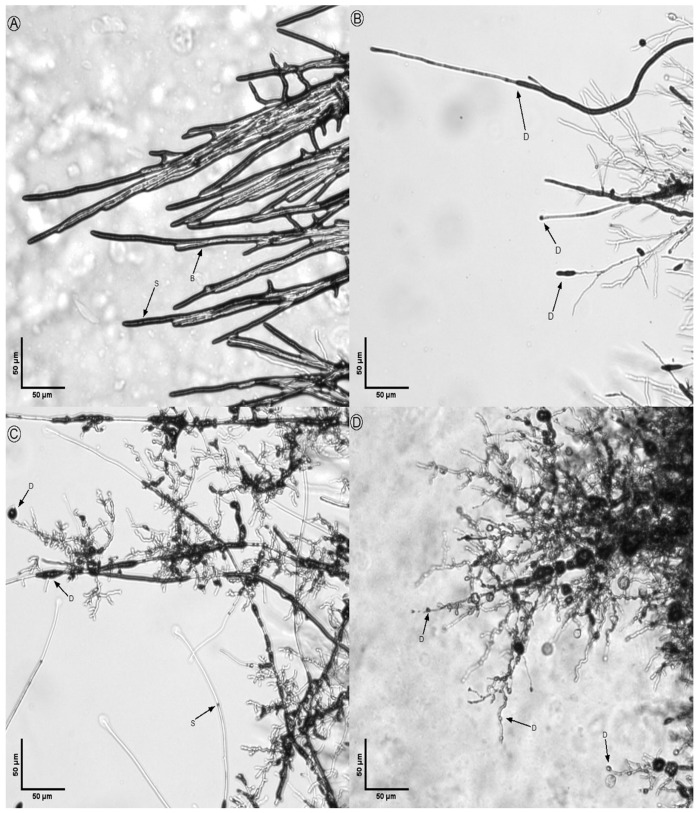 Figure 9
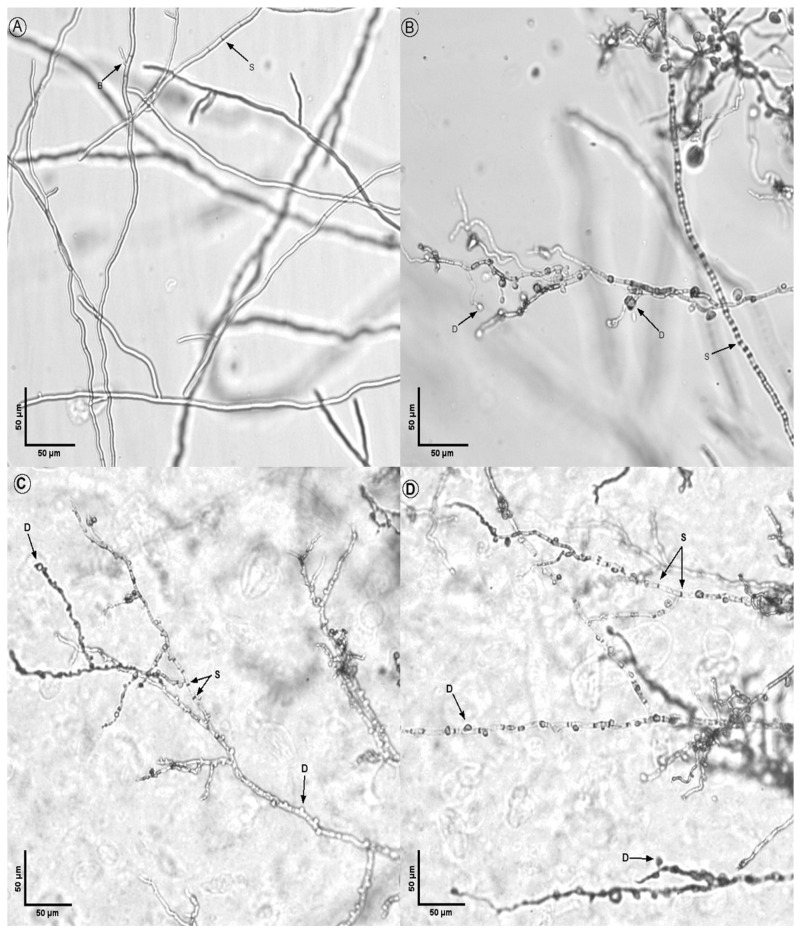 Figure 10
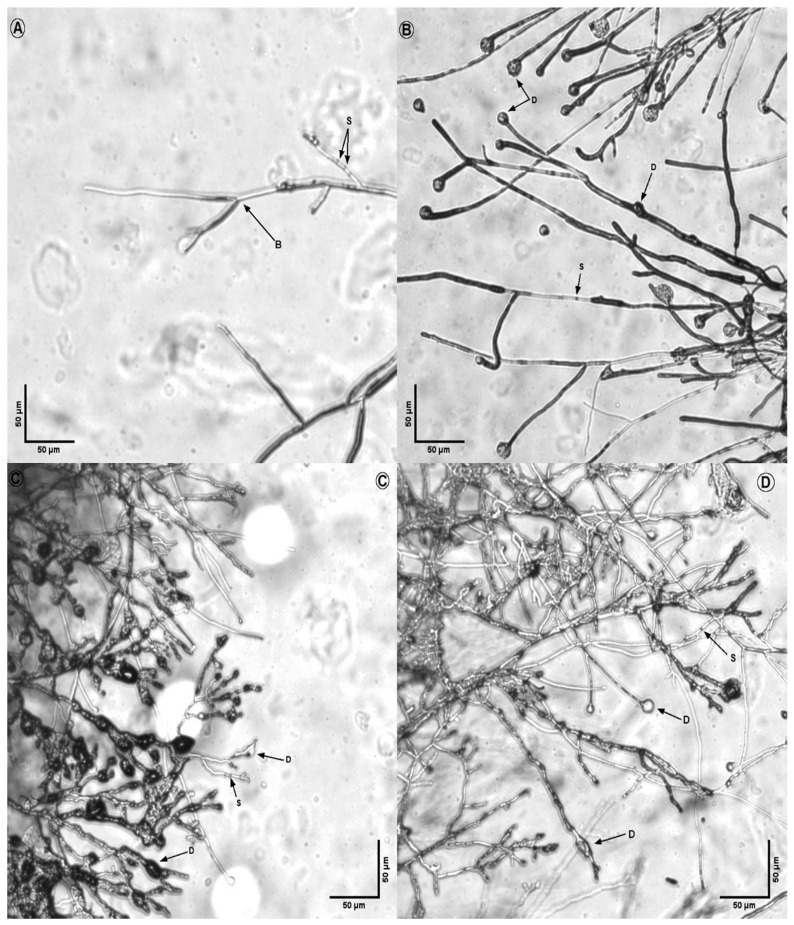 Figure 11
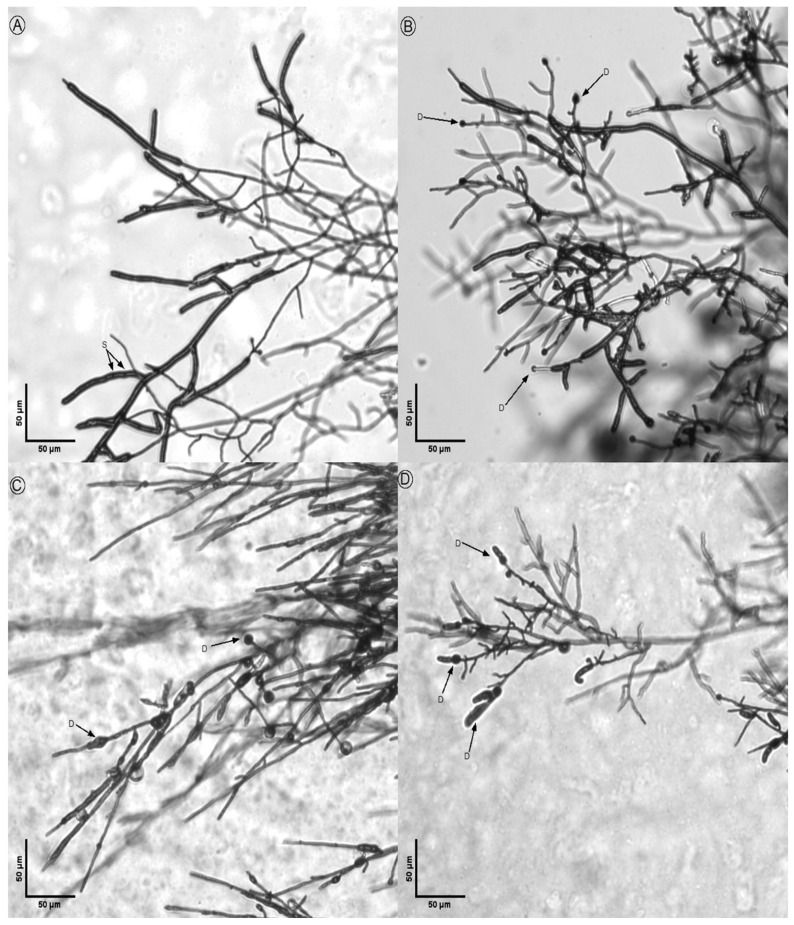 Figure 12
Peer Reviews
No public reviews on file for this paper yet. If you reviewed it on a platform where reviews are public (OpenReview, ICLR, NeurIPS, ICML), you can paste yours below so the community can read it here.
Videos
No videos yet. Explain this paper in a talk, walkthrough, or lecture? Add one.
Taxonomy
TopicsInsect and Pesticide Research · Bee Products Chemical Analysis · Entomopathogenic Microorganisms in Pest Control