Amaryllidaceae Alkaloids and Phenolic Acids Identification in Leucojum aestivum L. Plant Cultures Exposed to Different Temperature Conditions
Agata Ptak, Marzena Warchoł, Emilia Morańska, Dominique Laurain-Mattar, Rosella Spina, François Dupire, Piotr Waligórski, Magdalena Simlat

TL;DR
This study explores how different temperatures affect the production of valuable alkaloids and phenolic acids in Leucojum aestivum plant cultures.
Contribution
The study reveals temperature-specific effects on the biosynthesis of Amaryllidaceae alkaloids and phenolic acids in vitro.
Findings
The highest diversity of alkaloids was observed at 30 °C, including galanthamine and lycorine.
Temperatures of 20 °C and 30 °C stimulated galanthamine accumulation.
Phenolic acid content varied with temperature, with 15 °C promoting chlorogenic and caffeic acids.
Abstract
Amaryllidaceae alkaloids are of notable pharmacological relevance. For instance, galanthamine is used in the treatment of Alzheimer’s disease, while other alkaloids (lycorine, crinine, etc.) derived from Amaryllidaceae plants are also of great interest because they exhibit antitumour, antiviral, antibacterial, antifungal, antimalarial, analgesic and cytotoxic properties. Phenolic acids comprise a group of natural bioactive substances that have commercial value in the cosmetic, food and medicinal industries due to their antioxidant, anticancer, anti-inflammatory and cardioprotective potential. In the present study, the effect of temperature (15, 20, 25 and 30 °C) on Amaryllidaceae alkaloid and phenolic acid biosynthesis in Leucojum aestivum in vitro plant cultures was investigated. The highest diversity of alkaloids (i.e., galanthamine, crinan-3-ol, demethylmaritidine, crinine,…
Genes, proteins, chemicals, diseases, species, mutations and cell lines named across the full text — each resolved to its canonical identifier and authoritative record.
Click any figure to enlarge with its caption.
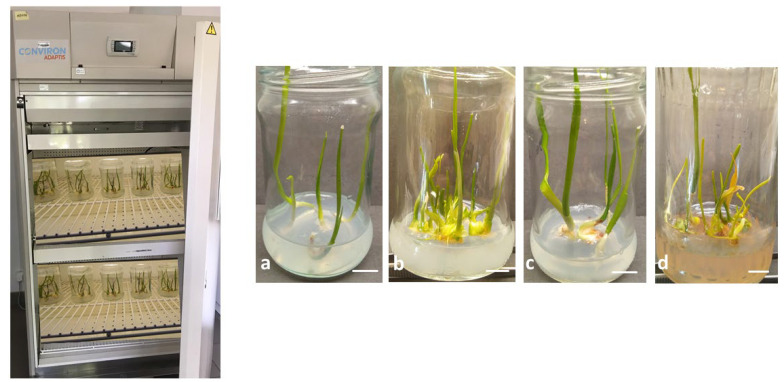 Figure 1
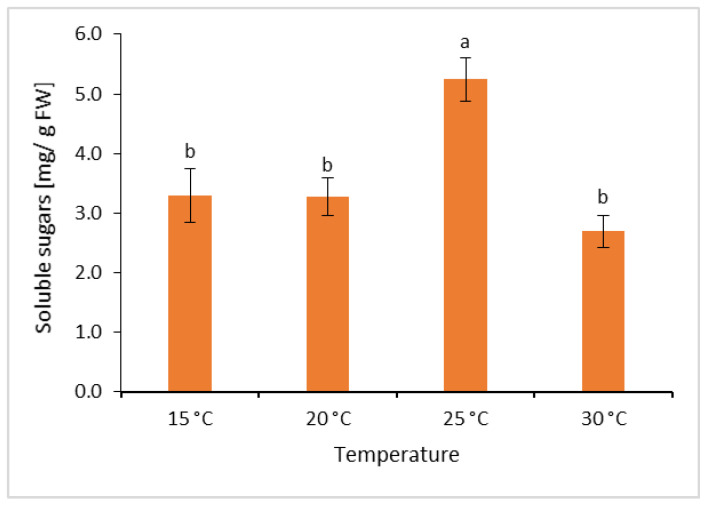 Figure 2
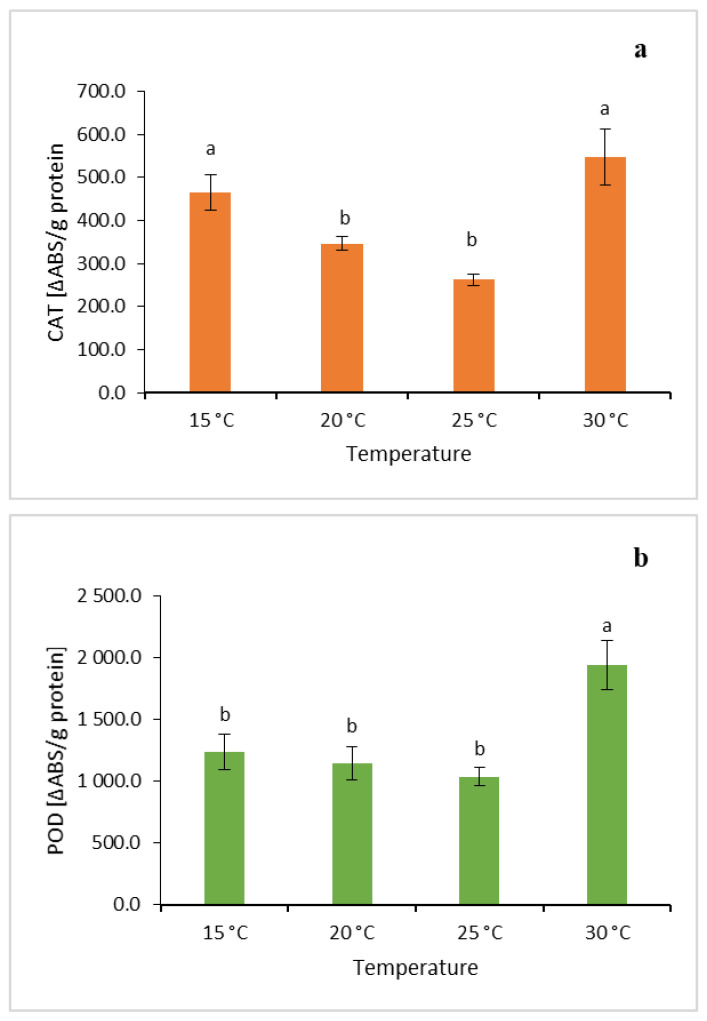 Figure 3
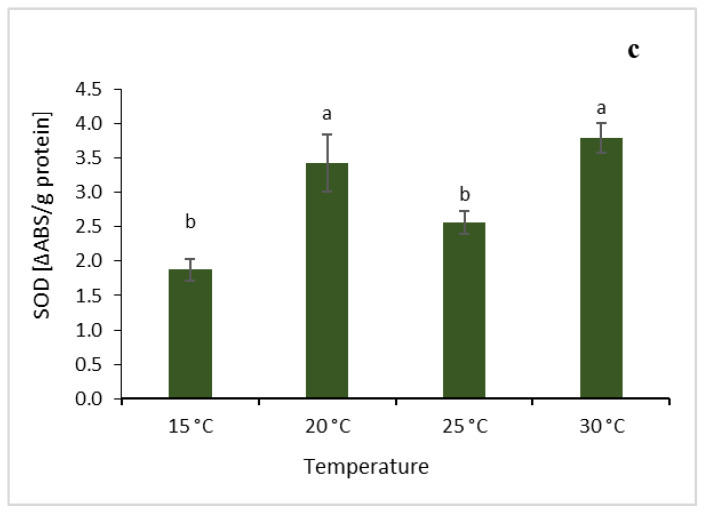 Figure 4
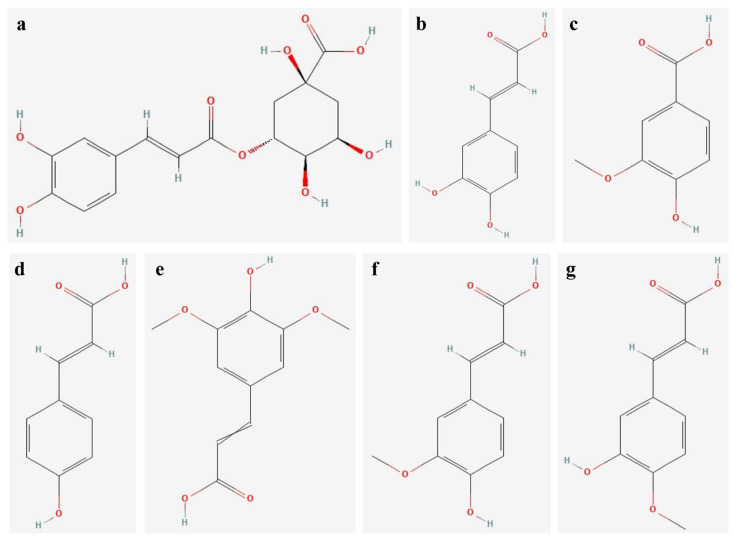 Figure 5
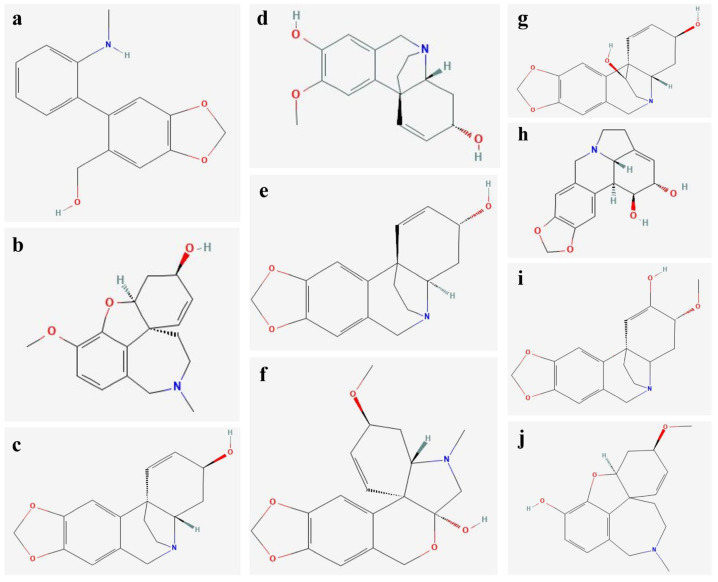 Figure 6
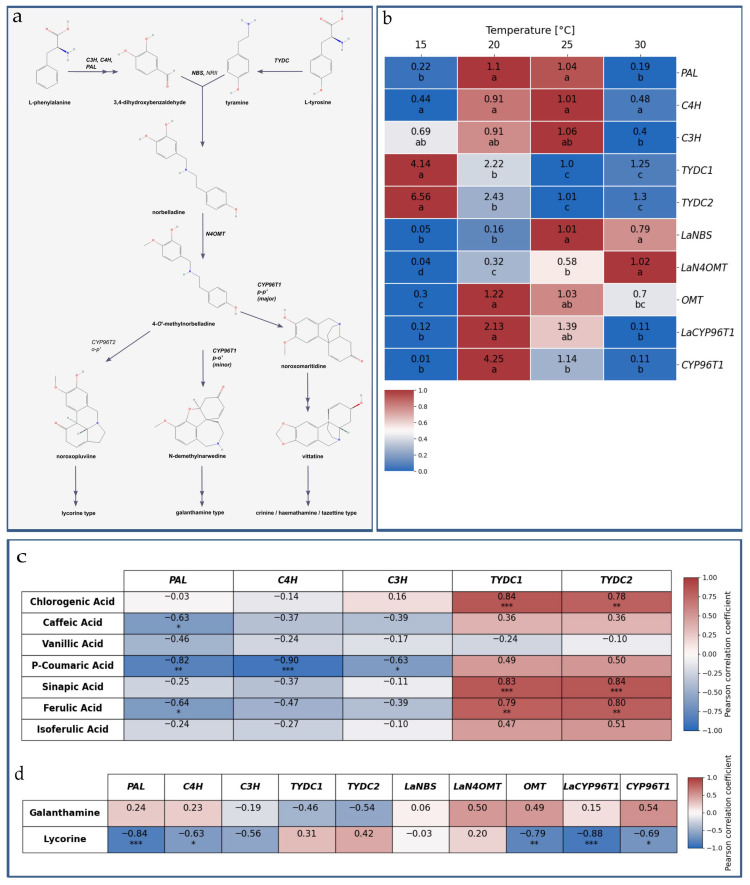 Figure 7
Peer Reviews
No public reviews on file for this paper yet. If you reviewed it on a platform where reviews are public (OpenReview, ICLR, NeurIPS, ICML), you can paste yours below so the community can read it here.
Videos
No videos yet. Explain this paper in a talk, walkthrough, or lecture? Add one.
Taxonomy
TopicsChemical synthesis and alkaloids · Advanced Synthetic Organic Chemistry · Plant and fungal interactions