Targeted and Sequential Cryoneurolysis Improves Gait After Botulinum-Toxin Unresponsiveness in Post-Stroke Spasticity: A Laboratory-Verified Case
Frédéric Chantraine, José Alexandre Pereira, Céline Schreiber, Tanja Classen, Gilles Areno, Frédéric Dierick

TL;DR
Cryoneurolysis improved gait in a post-stroke patient who no longer responded to botulinum toxin, working well with implanted electrical stimulation.
Contribution
Demonstrates targeted cryoneurolysis as a safe, effective alternative to botulinum toxin for post-stroke spasticity.
Findings
Cryoneurolysis reduced muscle overactivity and improved gait metrics like ankle dorsiflexion and knee flexion.
Gait Deviation Index and Gillette Gait Index showed significant improvement after treatment.
Cryoneurolysis was well-tolerated and compatible with implanted functional electrical stimulation.
Abstract
Background: Chronic post-stroke spasticity often limits gait despite best-practice botulinum-toxin intramuscular injections (BTIs), whose benefit is constrained by short duration, dose ceilings, and tachyphylaxis. Cryoneurolysis (CNL) induces a reversible axonotmesis with preserved endoneurium, potentially providing longer tone reduction with fewer adverse effects, but its impact on whole-gait quality and its compatibility with implanted functional electrical stimulation (FES) remain poorly documented. Case presentation: A 43-year-old man, 12 years after right middle cerebral artery stroke, walked independently with an implanted common peroneal FES system but complained of effortful gait with left-knee “locking” and drop foot without FES. Multiple BTI series to triceps surae and quadriceps yielded only transient benefit. Two ultrasound-guided CNL sessions targeted tibial (soleus, medial…
Genes, proteins, chemicals, diseases, species, mutations and cell lines named across the full text — each resolved to its canonical identifier and authoritative record.
Click any figure to enlarge with its caption.
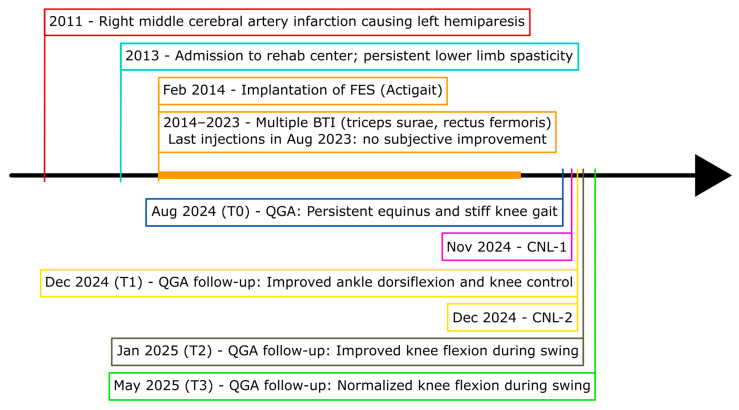 Figure 1
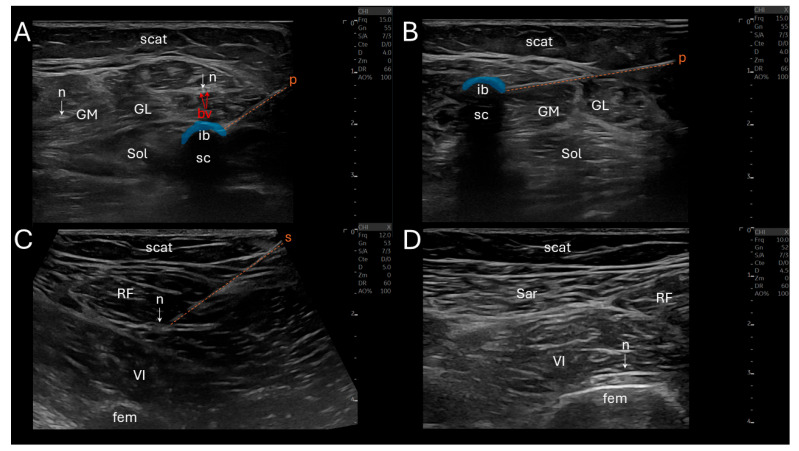 Figure 2
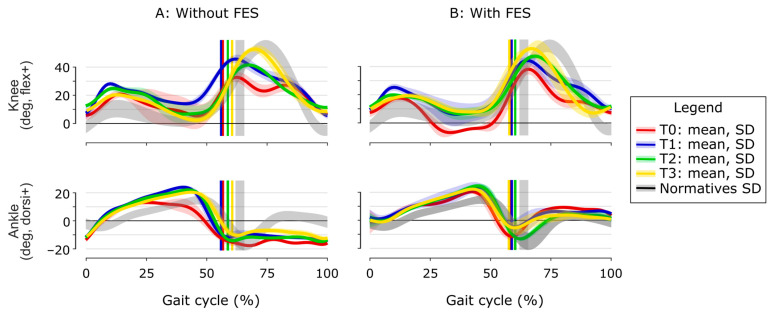 Figure 3
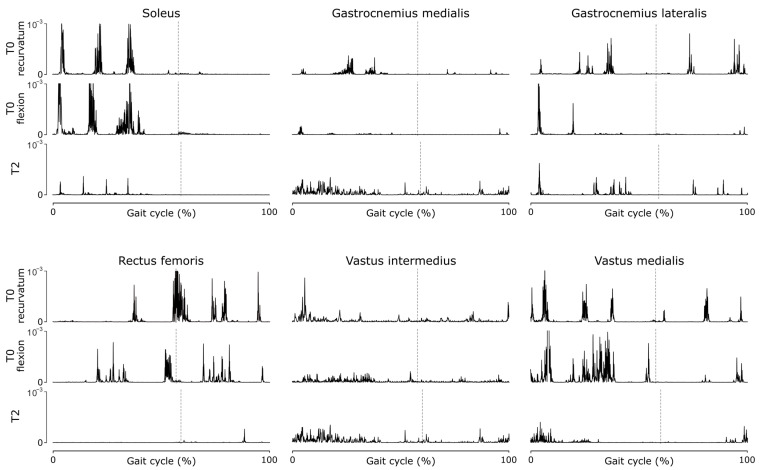 Figure 4
Peer Reviews
No public reviews on file for this paper yet. If you reviewed it on a platform where reviews are public (OpenReview, ICLR, NeurIPS, ICML), you can paste yours below so the community can read it here.
Videos
No videos yet. Explain this paper in a talk, walkthrough, or lecture? Add one.
Taxonomy
TopicsBotulinum Toxin and Related Neurological Disorders · Stroke Rehabilitation and Recovery · Transcranial Magnetic Stimulation Studies