Biosynthesis of Glycine from One-Carbon Resources Using an Engineered Escherichia coli Whole-Cell Catalyst
Muran Fu, Hongling Shi, Xueyang Bai, Qian Gao, Fei Liu, Dandan Li, Yunchao Kan, Chuang Xue, Lunguang Yao, Cunduo Tang

TL;DR
Scientists engineered E. coli to efficiently convert CO2 and formate into glycine, a key amino acid, using a reconstituted metabolic pathway.
Contribution
A novel whole-cell biocatalyst system was developed using an engineered reductive glycine pathway for efficient glycine biosynthesis from CO2.
Findings
The engineered E. coli achieved a glycine space–time productivity of 0.125 mmol/L/h from formate.
A whole-cell electrocatalysis system directly synthesized glycine from CO2 and NH4Cl with a productivity of 0.135 mmol/L/h.
The system integrates a four-plasmid co-expression setup to enhance ATP supply and C1 metabolism.
Abstract
Carbon dioxide (CO2) is a cost-effective, abundant, and renewable carbon source, but its utilization technologies face several issues. The reductive glycine pathway (RGP) is recognized as one of the most efficient one-carbon (C1) assimilation routes in nature, with its core component—the glycine cleavage system (GCS: GcvP, GcvH, GcvT, and GcvL)—playing an essential role in C1 metabolism. To develop efficient CO2 conversion and utilization pathways, we identified NhFtfL and AmFchA-MtdA with high catalytic efficiency through gene mining and constructed a four-plasmid co-expression system in E. coli BL21(DE3) using Gibson Assembly. This system integrated GcvP-GcvH, GcvT-GcvL, NhFtfL-AmFchA-MtdA, and RsPPK2, thereby reconstituting the complete RGP while enhancing ATP supply. The engineered strain functioned as an efficient whole-cell biocatalyst, achieving a glycine space–time productivity…
Genes, proteins, chemicals, diseases, species, mutations and cell lines named across the full text — each resolved to its canonical identifier and authoritative record.
Click any figure to enlarge with its caption.
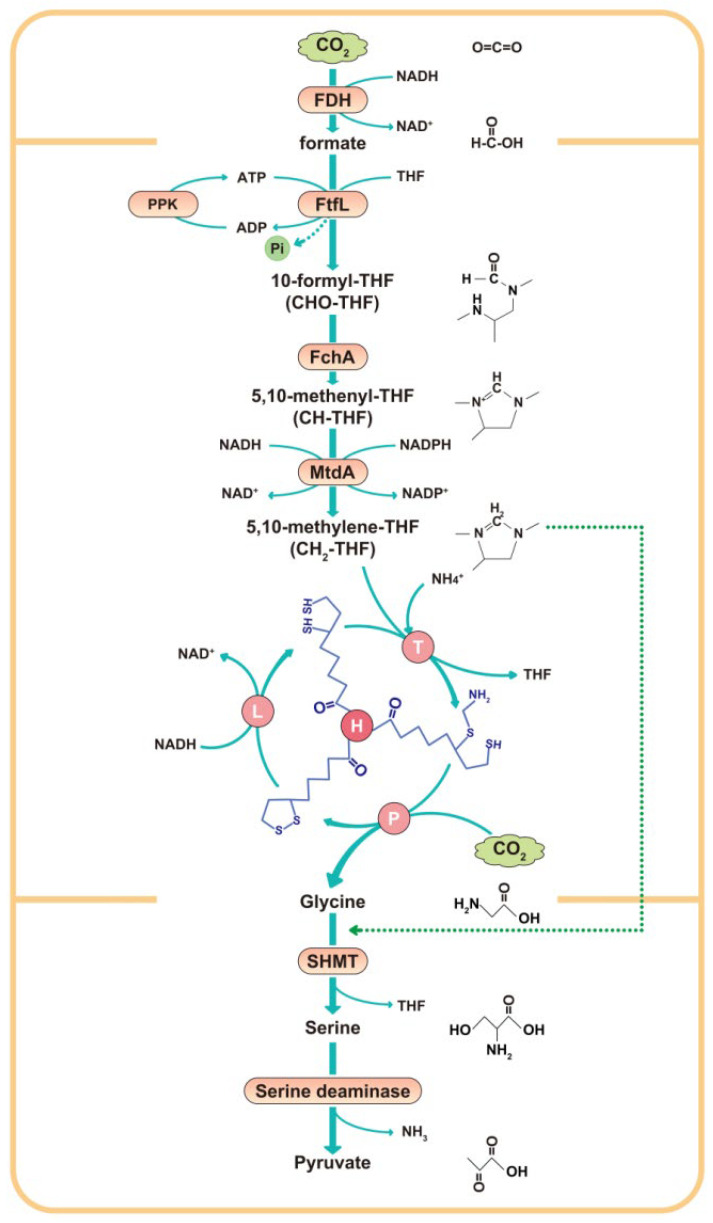 Figure 1
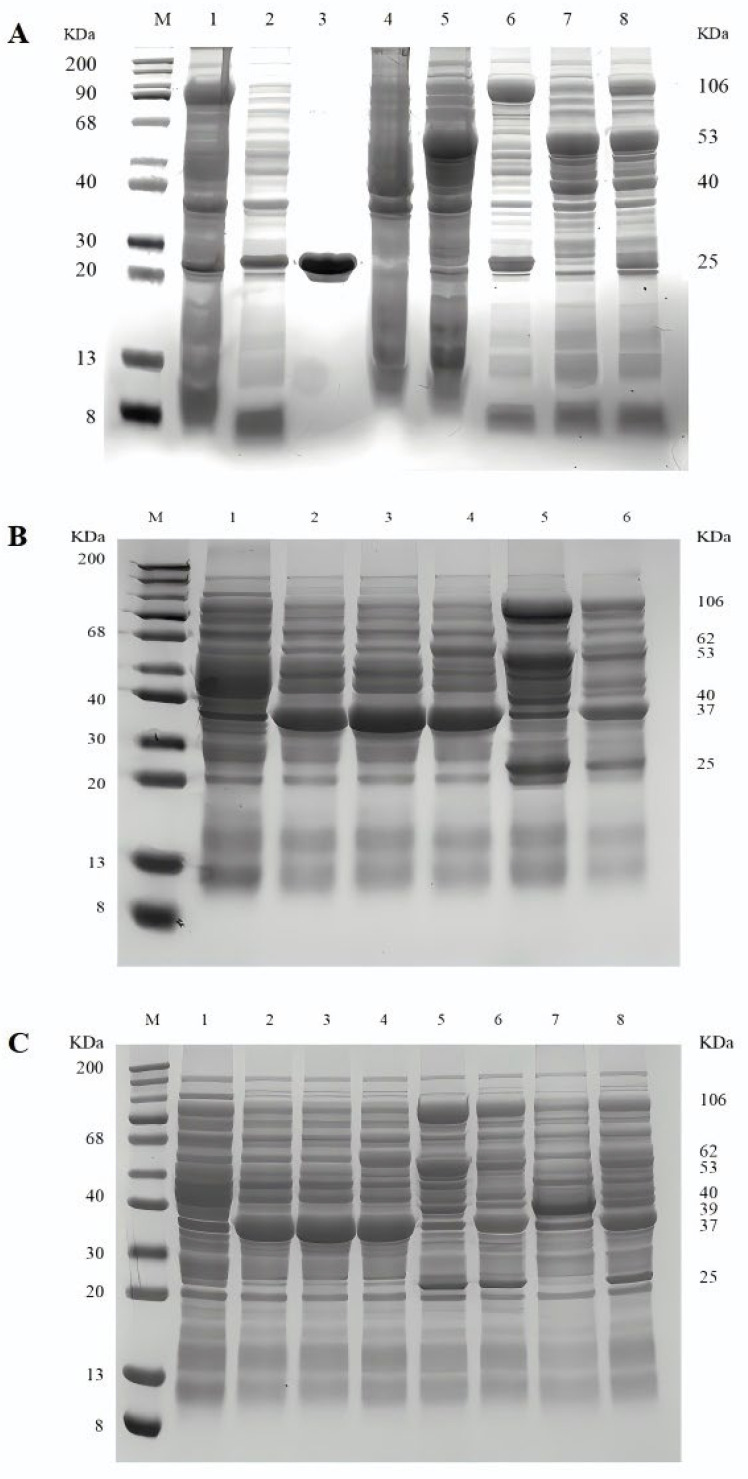 Figure 2
 Figure 3
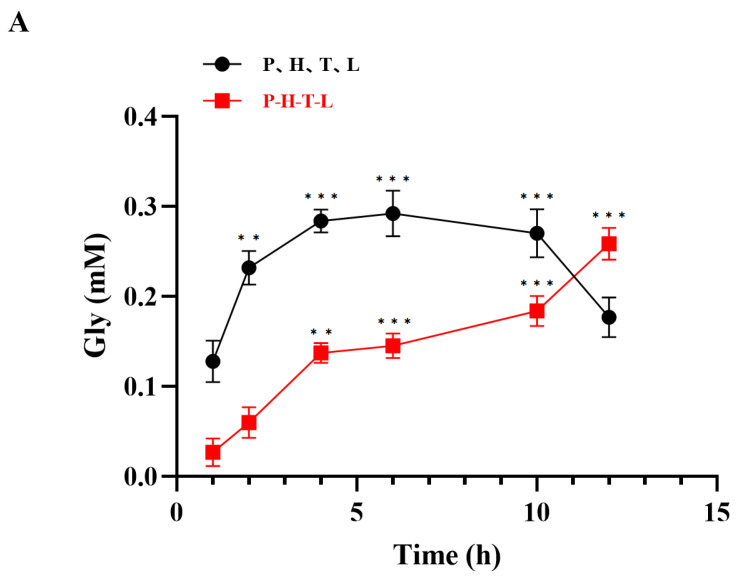 Figure 4
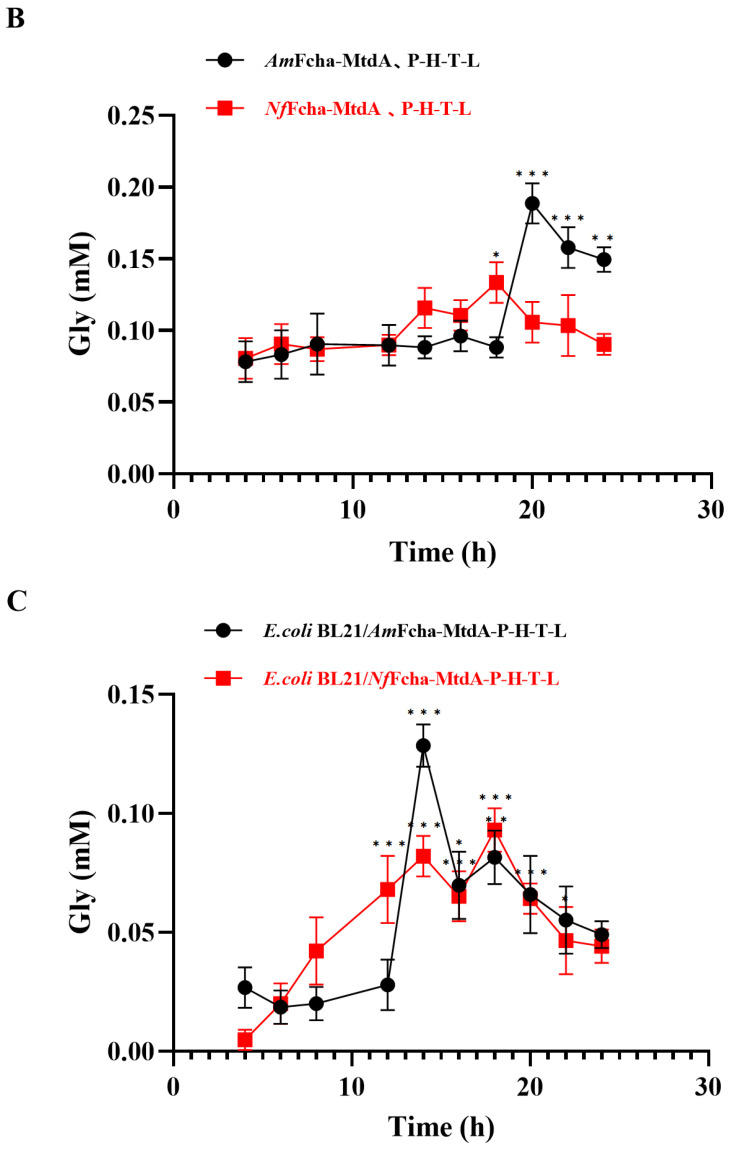 Figure 5
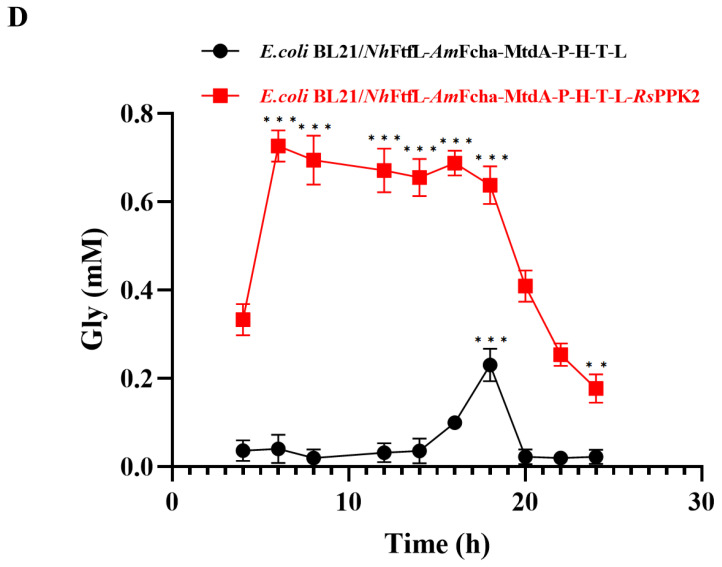 Figure 6
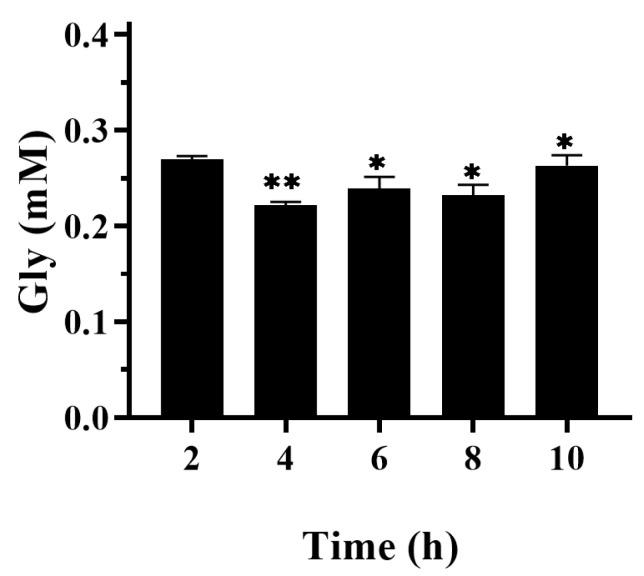 Figure 7
Peer Reviews
No public reviews on file for this paper yet. If you reviewed it on a platform where reviews are public (OpenReview, ICLR, NeurIPS, ICML), you can paste yours below so the community can read it here.
Videos
No videos yet. Explain this paper in a talk, walkthrough, or lecture? Add one.
Taxonomy
TopicsMetalloenzymes and iron-sulfur proteins · Microbial Metabolic Engineering and Bioproduction · CO2 Reduction Techniques and Catalysts