Bactericidal Activity of Selenium Nanoparticles Against a Multidrug-Resistant Pathogen: Mechanistic Hypothesis from Exploratory Proteomics
Nora Elfeky, Jing-Ru Chen, Meng-Xiao Zhu, Jing-Dian Wang, Aya Rizk, Mohammed T. Shaaban, Guoping Zhu

TL;DR
This study explores how selenium nanoparticles kill drug-resistant E. coli by causing oxidative stress and disrupting energy metabolism.
Contribution
The paper proposes a testable mechanism for SeNPs' bactericidal action through integrated proteomic and phenotypic analysis.
Findings
SeNPs induce oxidative stress and deplete key antioxidant enzymes like glutathione S-transferase and glutaredoxin 2.
Central energy metabolism is crippled, with significant decreases in TCA cycle enzymes and oxidative phosphorylation components.
The combined disruption leads to a lethal feedback loop causing metabolic paralysis in E. coli.
Abstract
The antimicrobial resistance crisis necessitates novel therapeutics. Selenium nanoparticles (SeNPs) offer promise, but their precise bactericidal mechanism remains poorly defined. This study aimed to define the antibacterial action of SeNPs synthesized via a green method with ascorbic acid and sodium citrate. The resulting SeNPs were monodisperse (17.8 ± 0.66 nm), crystalline, and highly stable (zeta potential: −69.9 ± 4.3 mV), exhibiting potent bactericidal activity against multidrug-resistant E. coli. To generate a mechanistic hypothesis, we integrated phenotypic analyses with a preliminary, single-replicate proteomic profiling. Recognizing this as an exploratory step, we focused our analysis on proteins with the most substantial changes. This revealed a coherent pattern of a targeted dual assault on core cellular processes. The data indicate that SeNPs simultaneously induce oxidative…
Genes, proteins, chemicals, diseases, species, mutations and cell lines named across the full text — each resolved to its canonical identifier and authoritative record.
Click any figure to enlarge with its caption.
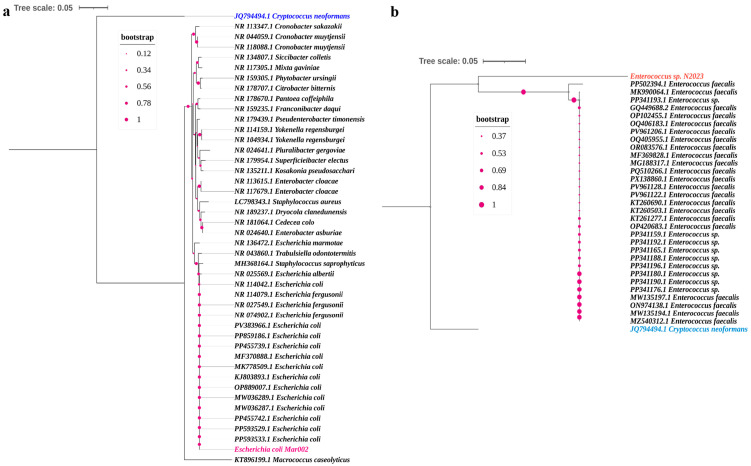 Figure 1
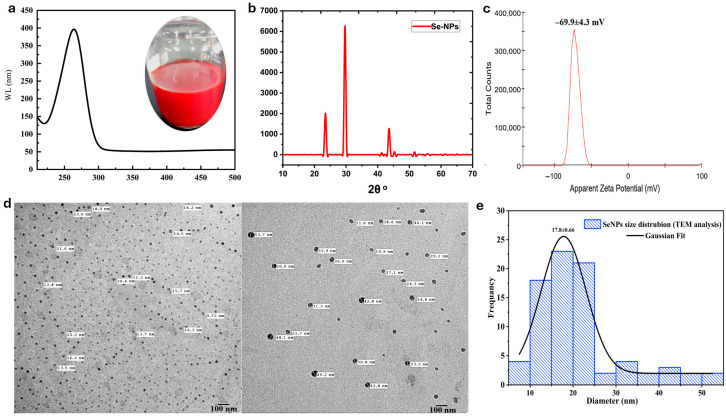 Figure 2
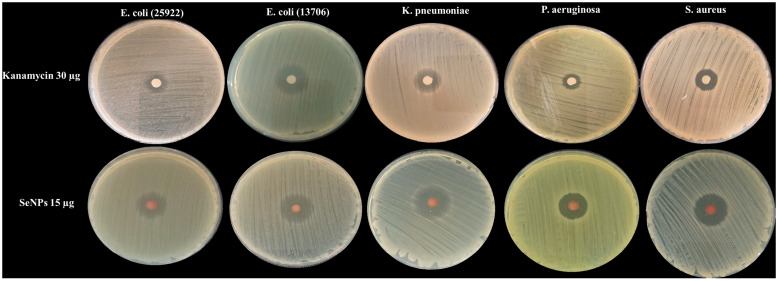 Figure 3
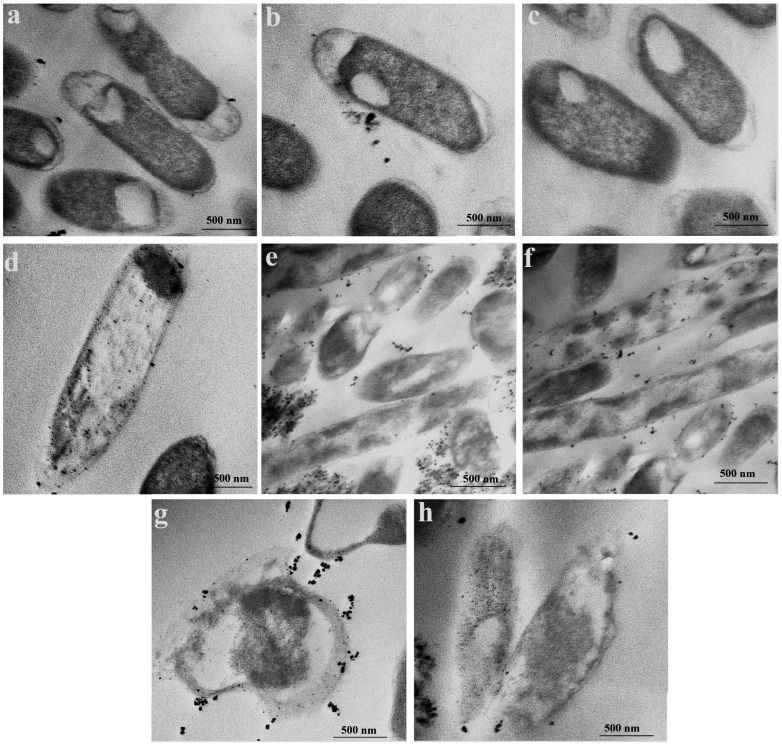 Figure 4
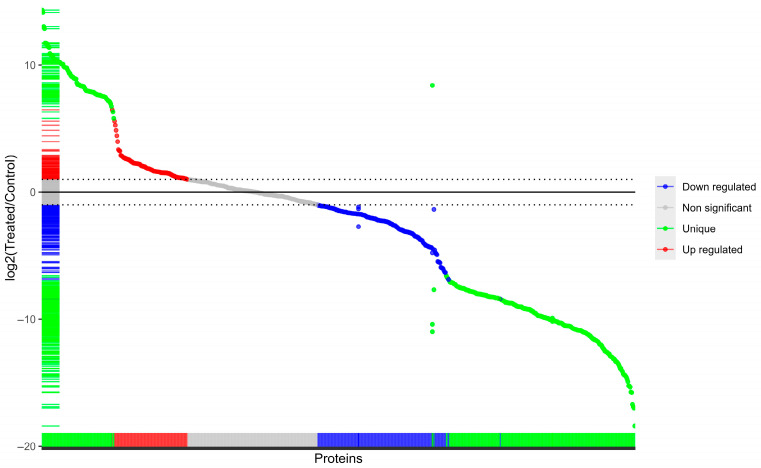 Figure 5
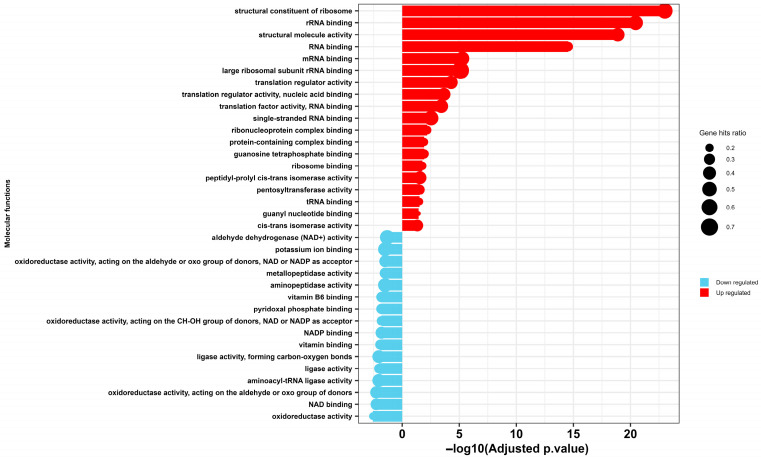 Figure 6
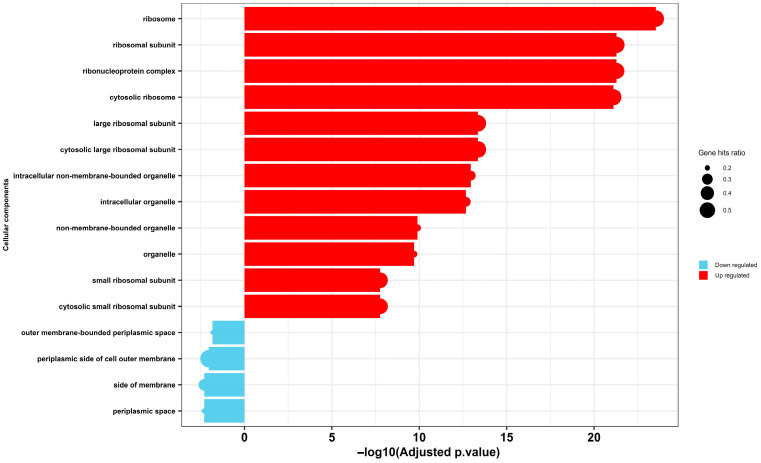 Figure 7
Peer Reviews
No public reviews on file for this paper yet. If you reviewed it on a platform where reviews are public (OpenReview, ICLR, NeurIPS, ICML), you can paste yours below so the community can read it here.
Videos
No videos yet. Explain this paper in a talk, walkthrough, or lecture? Add one.
Taxonomy
TopicsSelenium in Biological Systems · Redox biology and oxidative stress · Advanced Nanomaterials in Catalysis