Alpha- and Beta-Coronaviruses in Humans and Animals: Taxonomy, Reservoirs, Hosts, and Interspecies Transmission
Bekbolat Usserbayev, Kuandyk Zhugunissov, Izat Smekenov, Nurlan Akmyrzayev, Akbope Abdykalyk, Khayrulla Abeuov, Balnur Zhumadil, Aibarys Melisbek, Meirzhan Shirinbekov, Samat Zhaksylyk, Zhanerke Nagymzhanova, Ainur Seidakhmetova, Chiara Beltramo, Simone Peletto, Aslan Kerimbaev

TL;DR
This paper reviews the taxonomy, natural reservoirs, and transmission mechanisms of alpha- and beta-coronaviruses, emphasizing their zoonotic potential and the importance of the One Health approach.
Contribution
The paper provides a comprehensive review of CoV taxonomy, reservoirs, and interspecies transmission, emphasizing the One Health concept for integrated disease control.
Findings
Beta-coronaviruses like SARS-CoV, MERS-CoV, and SARS-CoV-2 have caused major human epidemics.
Interspecies transmission of coronaviruses is mediated by interactions between viral spike proteins and cellular receptors.
The One Health concept highlights the interconnectedness of human, animal, and environmental health in controlling CoV infections.
Abstract
The Coronaviridae family represents a broad group of RNA-containing viruses that infect humans and animals. This family belongs to the order Nidovirales and is divided into four main genera: α-CoV, β-CoV, γ-CoV and δ-CoV. It is particularly noteworthy that representatives of β-CoV have caused serious epidemics in humans, such as the outbreaks of SARS-CoV, MERS-CoV, and COVID-19 caused by SARS-CoV-2. Although the clinical manifestations of CoVs can range from mild cold-like symptoms to severe respiratory diseases, they share common features in their structure, modes of transmission, and natural reservoirs. Identifying natural reservoirs, as well as establishing intermediate hosts, is crucial for understanding the mechanisms of interspecies transmission of CoVs. These processes are often mediated by molecular interactions between viral spike (S) proteins and cellular receptors of…
Genes, proteins, chemicals, diseases, species, mutations and cell lines named across the full text — each resolved to its canonical identifier and authoritative record.
Click any figure to enlarge with its caption.
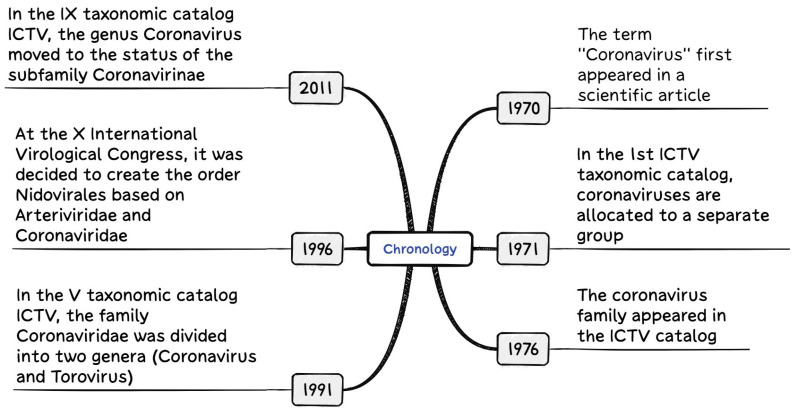 Figure 1
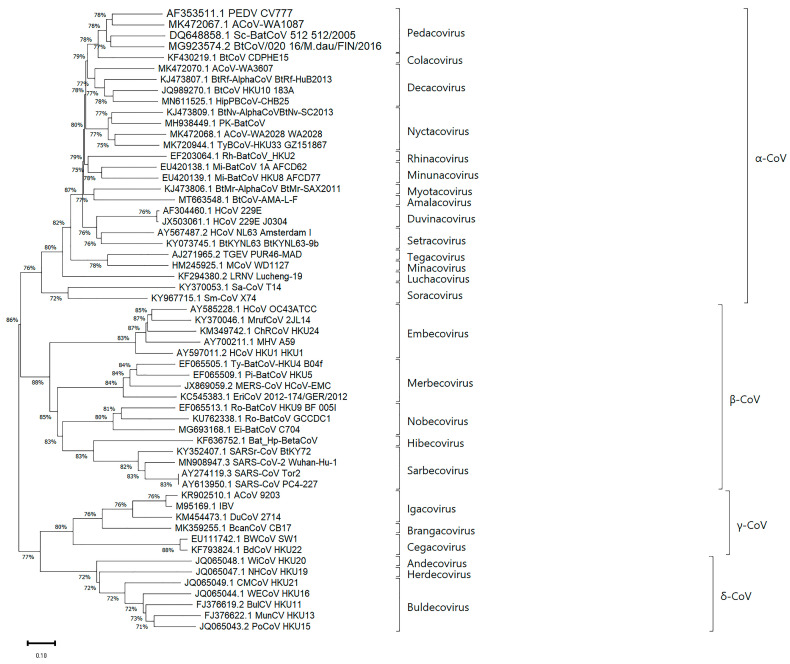 Figure 2
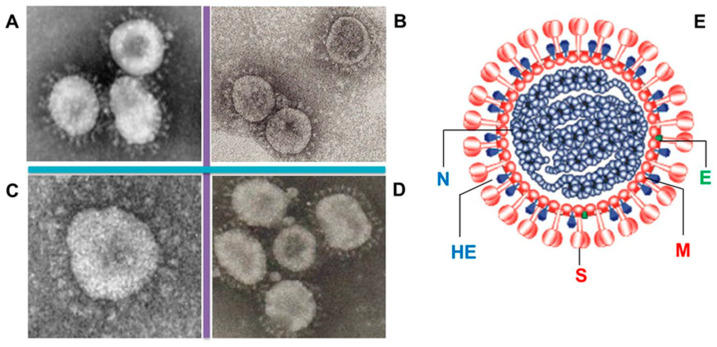 Figure 3
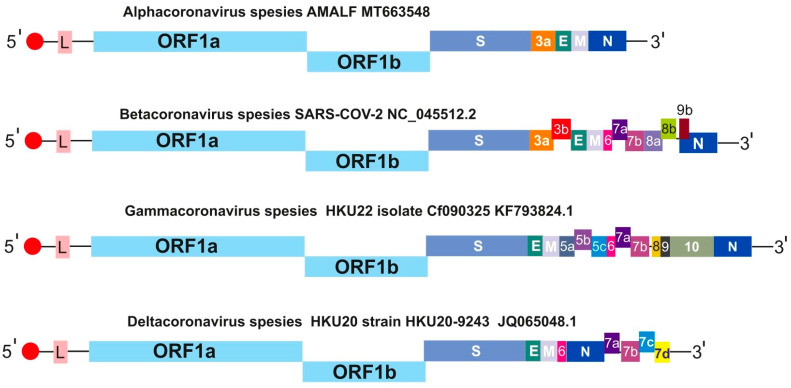 Figure 4
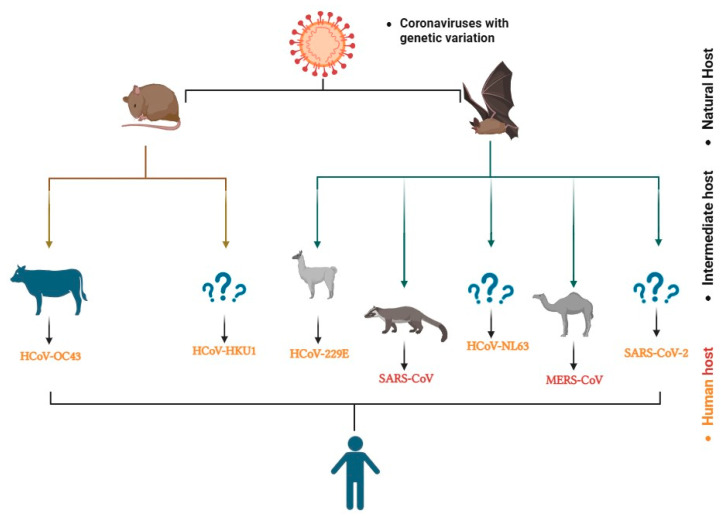 Figure 5
 Figure 6
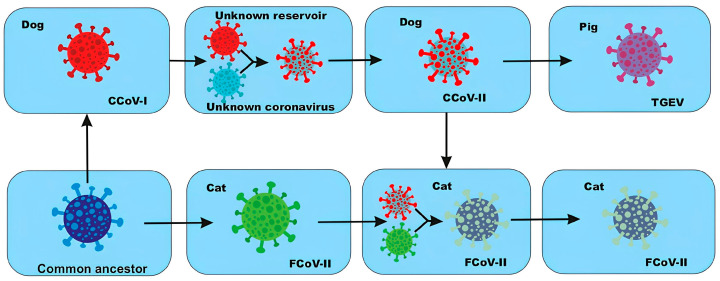 Figure 7
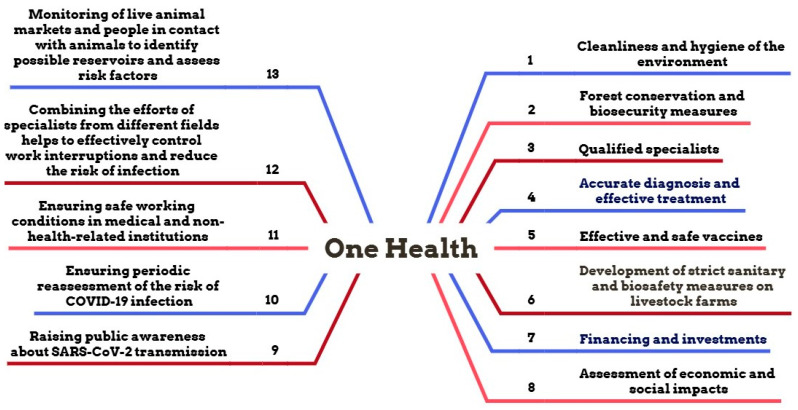 Figure 8
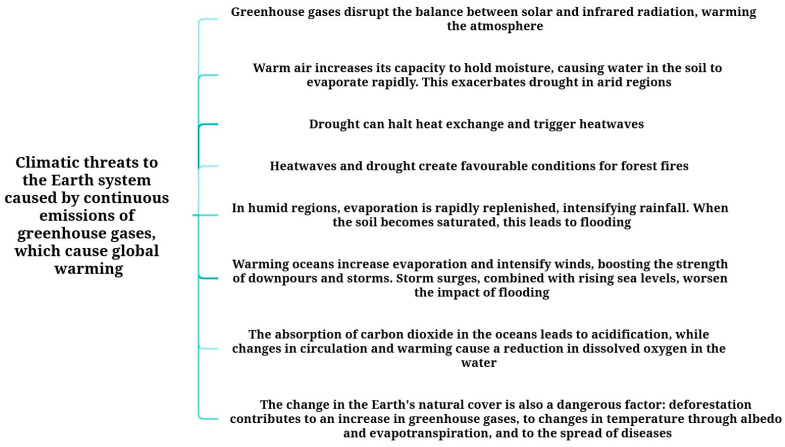 Figure 9
Peer Reviews
No public reviews on file for this paper yet. If you reviewed it on a platform where reviews are public (OpenReview, ICLR, NeurIPS, ICML), you can paste yours below so the community can read it here.
Videos
No videos yet. Explain this paper in a talk, walkthrough, or lecture? Add one.
Taxonomy
TopicsSARS-CoV-2 and COVID-19 Research · Zoonotic diseases and public health · COVID-19 Clinical Research Studies