Hydroalcoholic Extracts of Cucumis prophetarum L. Affect the Insulin Signaling Pathway in an In Vitro Model of Insulin-Resistant L6 Myotubes
Zewdie Mekonnen, Giuseppe Petito, Getasew Shitaye, Gianluca D’Abrosca, Belete Adefris Legesse, Sisay Addisu, Antonia Lanni, Roberto Fattorusso, Carla Isernia, Lara Comune, Simona Piccolella, Severina Pacifico, Rosalba Senese, Gaetano Malgieri, Solomon Tebeje Gizaw

TL;DR
This study shows that hydroalcoholic extracts from Cucumis prophetarum improve insulin sensitivity in muscle cells through multiple pathways, offering potential for diabetes treatment.
Contribution
The study reveals novel molecular mechanisms of hydroalcoholic Cucumis prophetarum extracts in improving insulin signaling, differing from previous decoction-based findings.
Findings
Stem and root extracts reduced lipid accumulation and enhanced insulin signaling in insulin-resistant muscle cells.
Leaf extract showed reduced cell viability at higher concentrations, while stem and root extracts were non-cytotoxic.
Stem extract activated the IRS-1/PI3K/Akt pathway, and root extract modulated the AMPK–mTOR pathway, both promoting GLUT4 translocation.
Abstract
Type 2 diabetes mellitus (T2DM) can be traditionally treated by edible and medicinal species rich in flavonoids and triterpenoids known for their metabolic benefits. Cucumis prophetarum L. has shown antioxidant and antidiabetic properties in decoction extracts. Since solvent polarity strongly influences the extraction of secondary metabolites, this study investigated the hydroalcoholic extracts of C. prophetarum L. to explore their chemical composition and insulin-sensitizing potential. Hydroalcoholic extracts from the leaf, stem, and root of C. prophetarum L. were analyzed by UV-Vis spectroscopy, ATR-FTIR, and UHPLC-ESI-QqTOF–MS/MS to profile their secondary metabolites. The insulin-sensitizing potential of each extract was assessed using an in vitro model of palmitic-acid-induced insulin resistance in L6 skeletal muscle cells, followed by Western blot analysis of key insulin-signaling…
Genes, proteins, chemicals, diseases, species, mutations and cell lines named across the full text — each resolved to its canonical identifier and authoritative record.
Click any figure to enlarge with its caption.
 Figure 1
 Figure 2
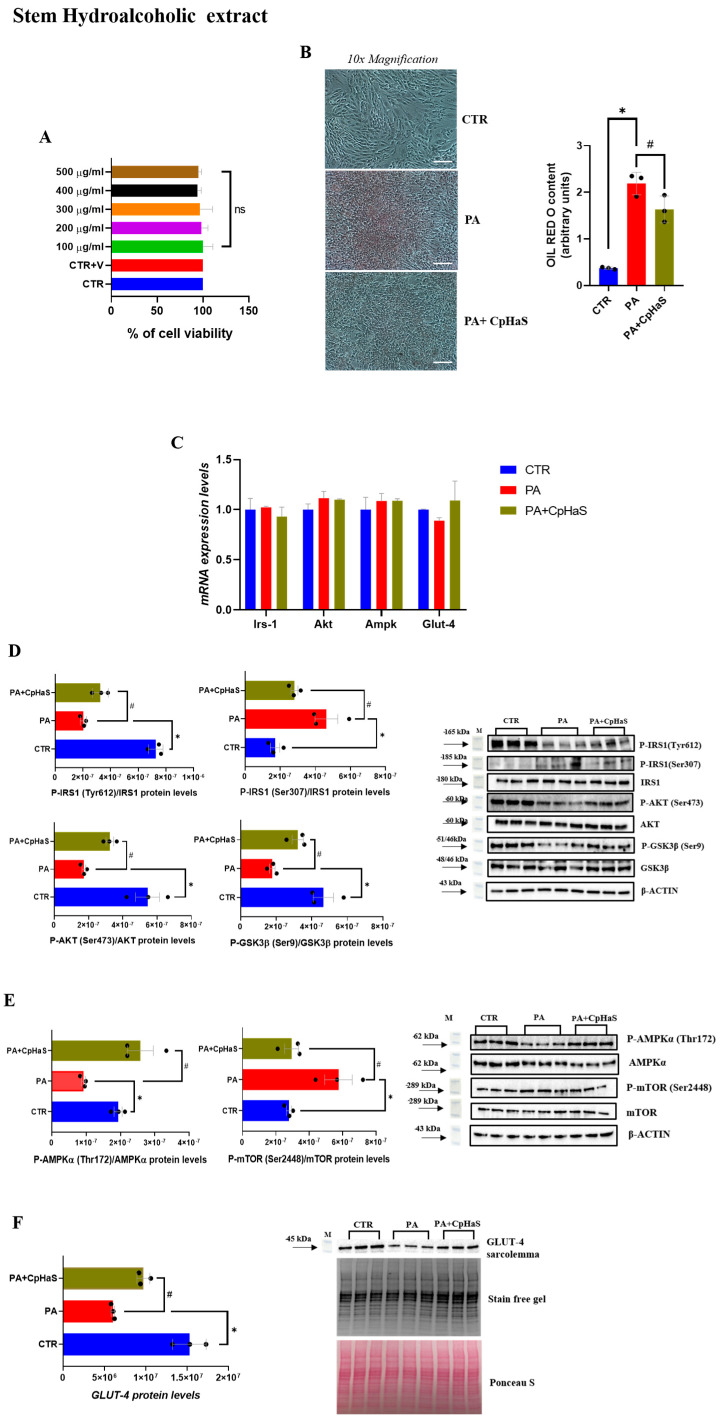 Figure 3
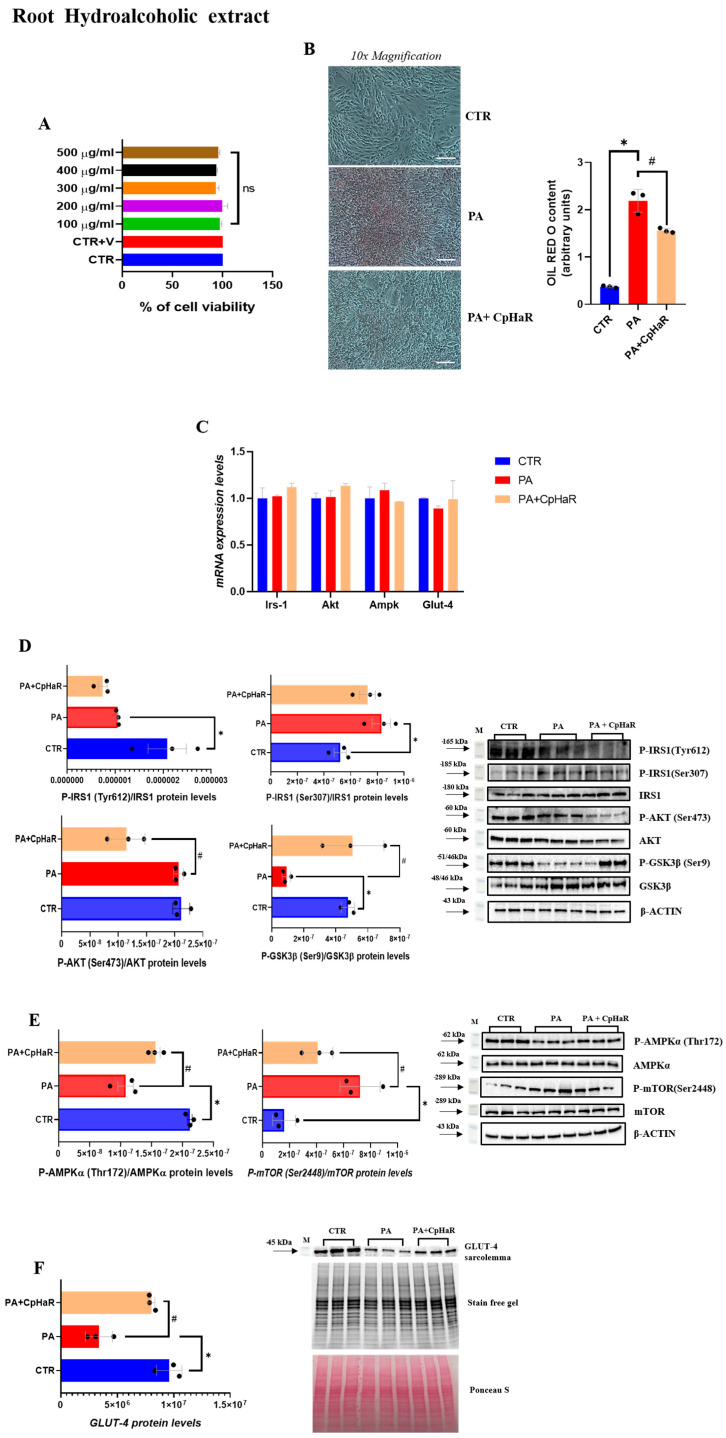 Figure 4
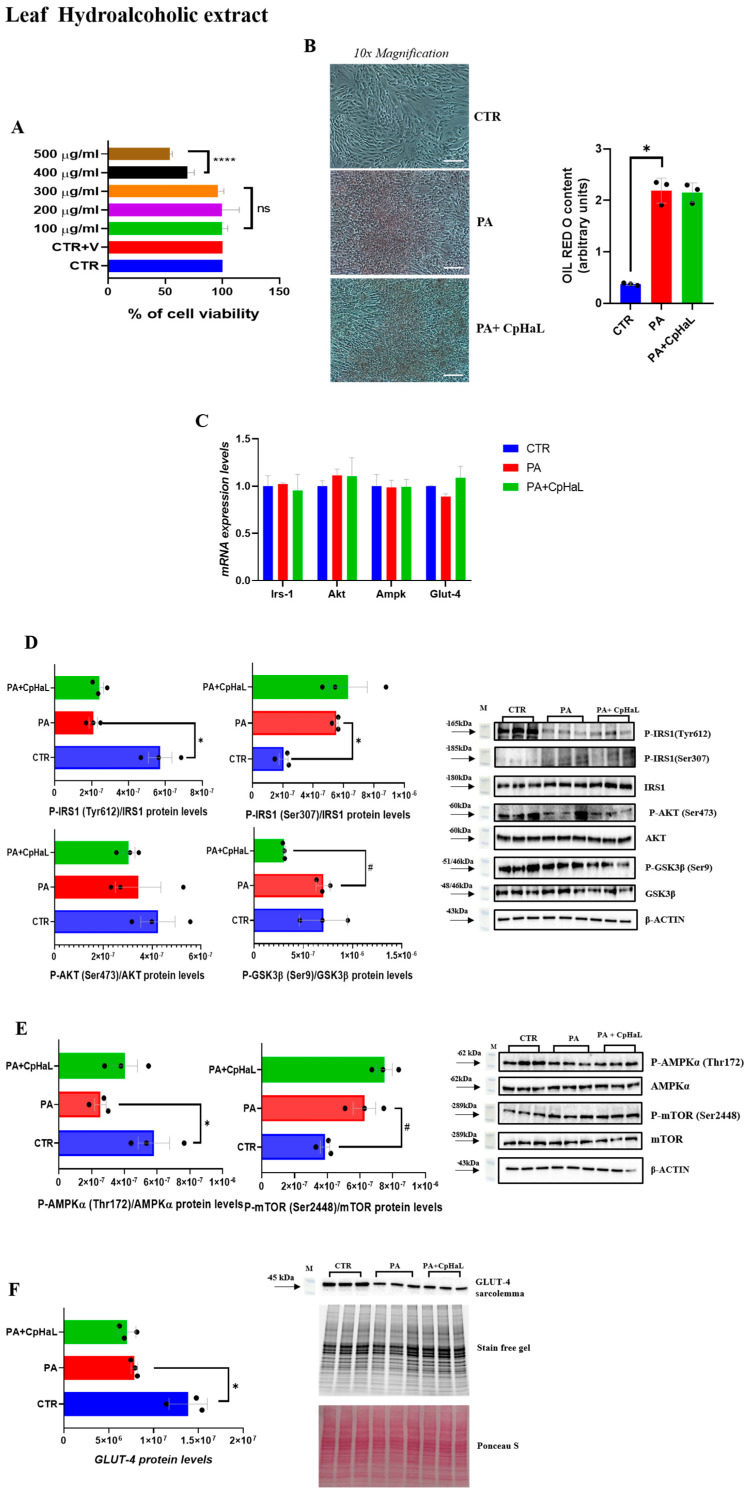 Figure 5
Peer Reviews
No public reviews on file for this paper yet. If you reviewed it on a platform where reviews are public (OpenReview, ICLR, NeurIPS, ICML), you can paste yours below so the community can read it here.
Videos
No videos yet. Explain this paper in a talk, walkthrough, or lecture? Add one.
Taxonomy
TopicsNatural Antidiabetic Agents Studies · Metabolism, Diabetes, and Cancer · Phytochemicals and Antioxidant Activities