Spt7 Deletion Reveals Vulnerabilities in Cryptococcus neoformans Stress Adaptation and Virulence
Chendi Katherine Yu, Christina J. Stephenson, Benjamin L. Schulz, James A. Fraser

TL;DR
Deleting the Spt7 gene in Cryptococcus neoformans weakens its ability to adapt to stress and causes loss of virulence, making it a potential target for antifungal treatments.
Contribution
This study identifies Spt7 as a key regulator of SAGA-mediated chromatin and virulence functions in Cryptococcus neoformans.
Findings
Spt7 deletion causes defects in melanization, capsule formation, and titan cell development.
The spt7Δ mutant is highly sensitive to antifungal drugs and environmental stresses.
Spt7 is essential for virulence in a mouse model and regulates chromatin modifications and proteomic balance.
Abstract
The Spt-Ada-Gcn5 acetyltransferase (SAGA) complex is a conserved transcriptional coactivator that coordinates histone modifications and transcriptional regulation in eukaryotes. In Cryptococcus neoformans, SAGA governs key virulence traits, yet the roles of several core scaffold subunits remain undefined. Here, we characterize the functional roles of Spt7, a core SAGA component, in C. neoformans. Comparative genomics revealed that C. neoformans Spt7 retains conserved histone fold and bromodomain motifs. Deletion of SPT7 produced pleiotropic phenotypes, including defective melanization and capsule formation, impaired titan cell development, and heightened sensitivity to thermal, metal, antifungal, and cell wall stresses. The spt7Δ mutant exhibited strong sensitivity to the echinocandin micafungin, implicating Spt7 in maintaining cell wall integrity. The spt7Δ mutant was avirulent in a…
Genes, proteins, chemicals, diseases, species, mutations and cell lines named across the full text — each resolved to its canonical identifier and authoritative record.
Click any figure to enlarge with its caption.
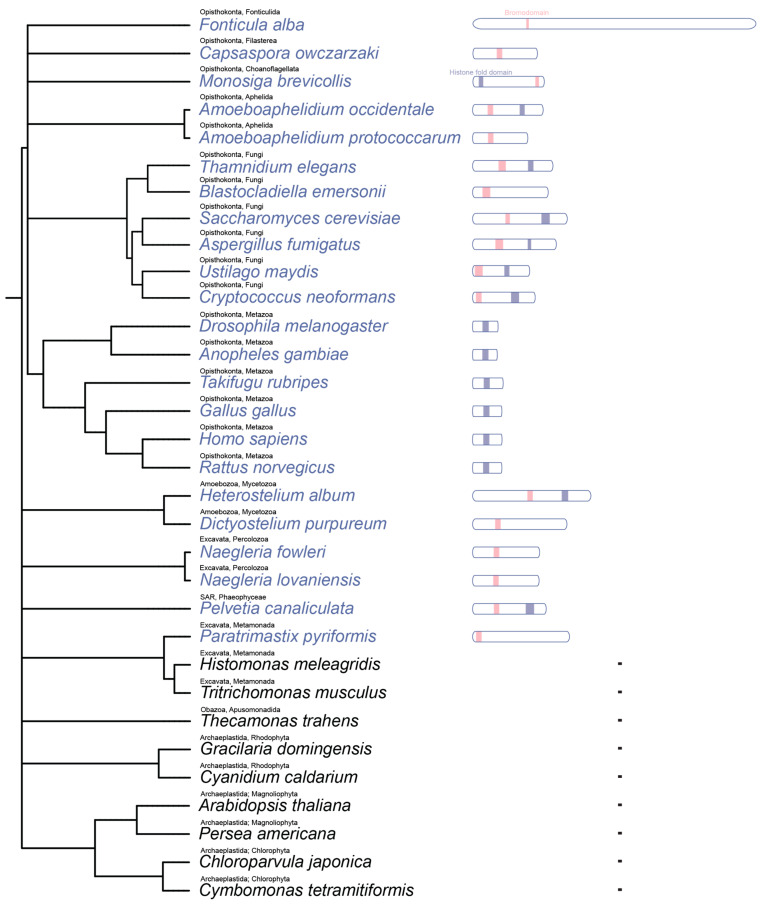 Figure 1
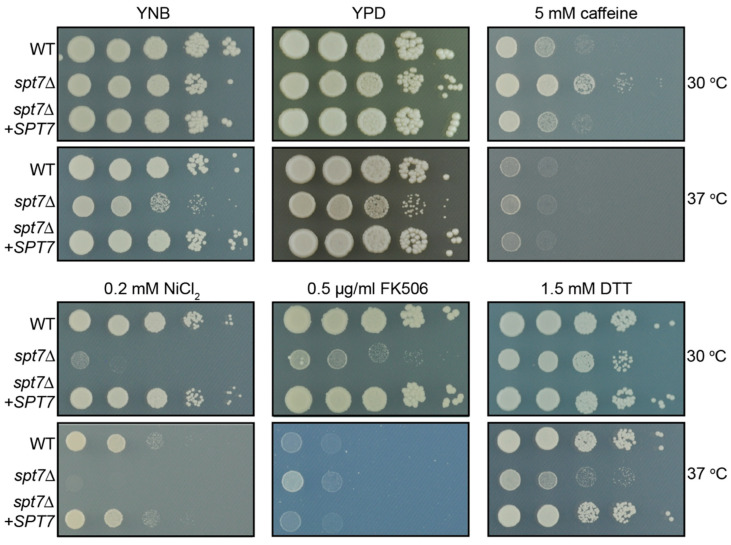 Figure 2
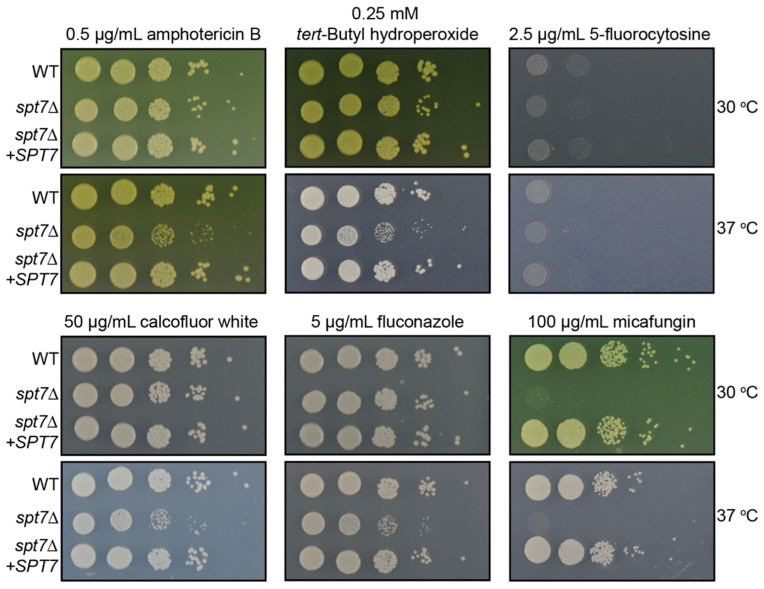 Figure 3
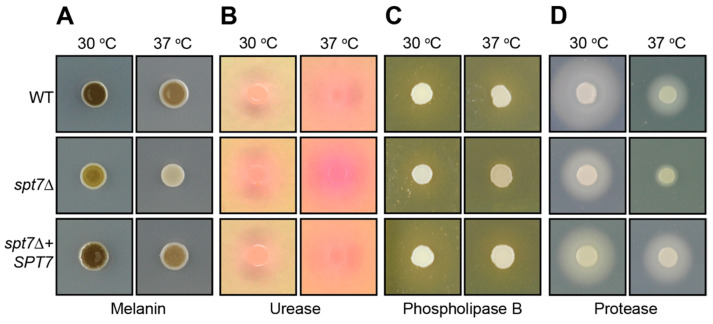 Figure 4
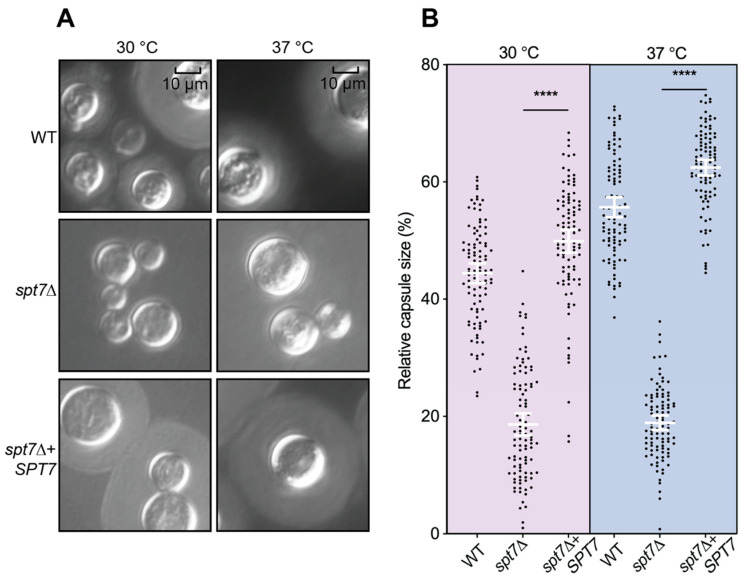 Figure 5
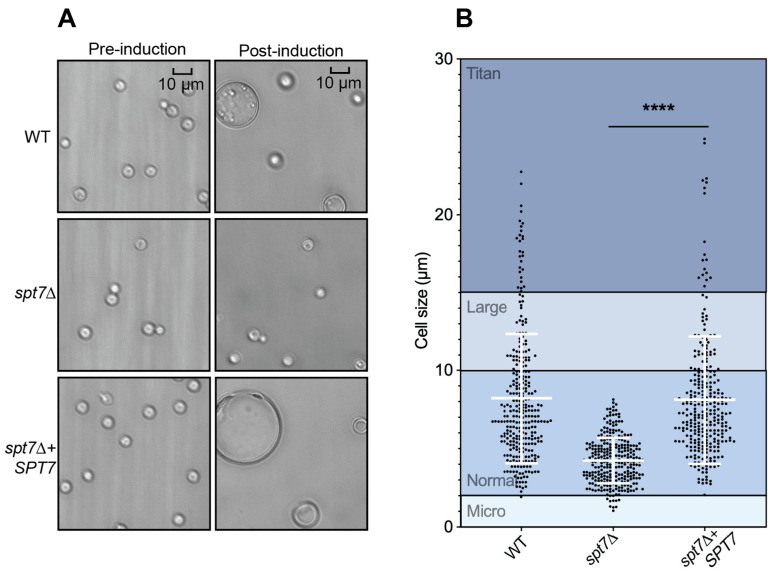 Figure 6
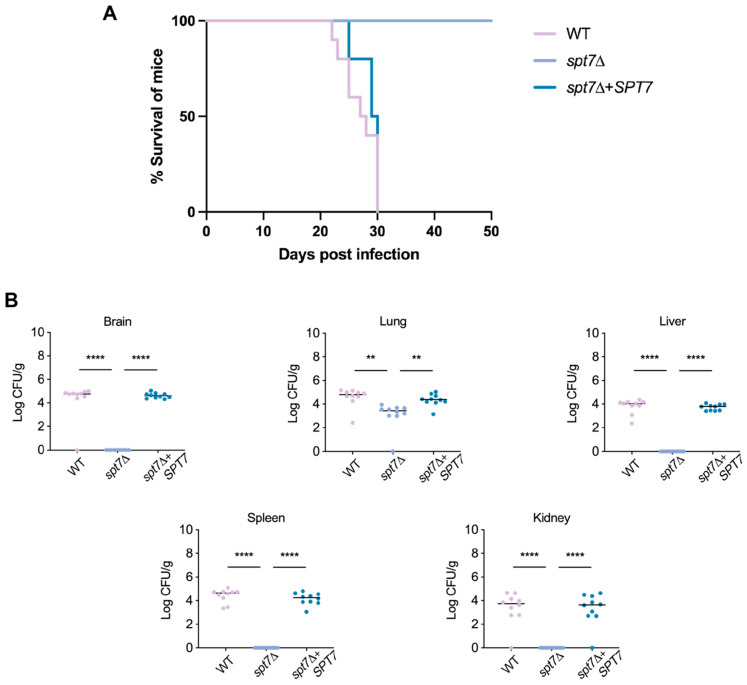 Figure 7
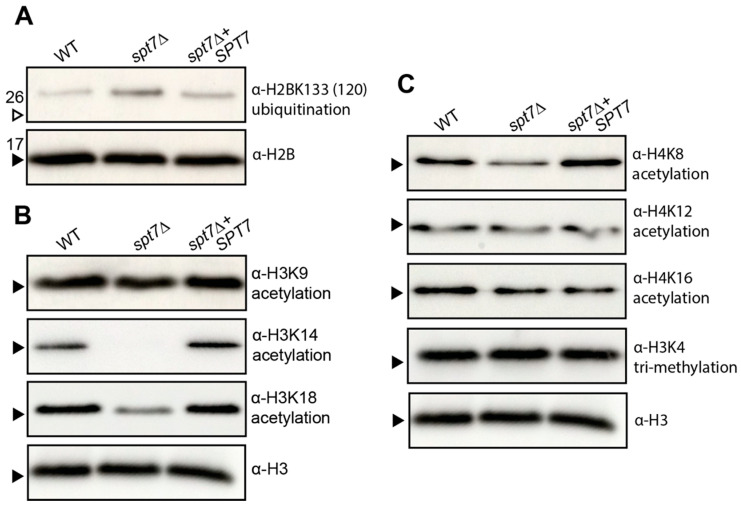 Figure 8
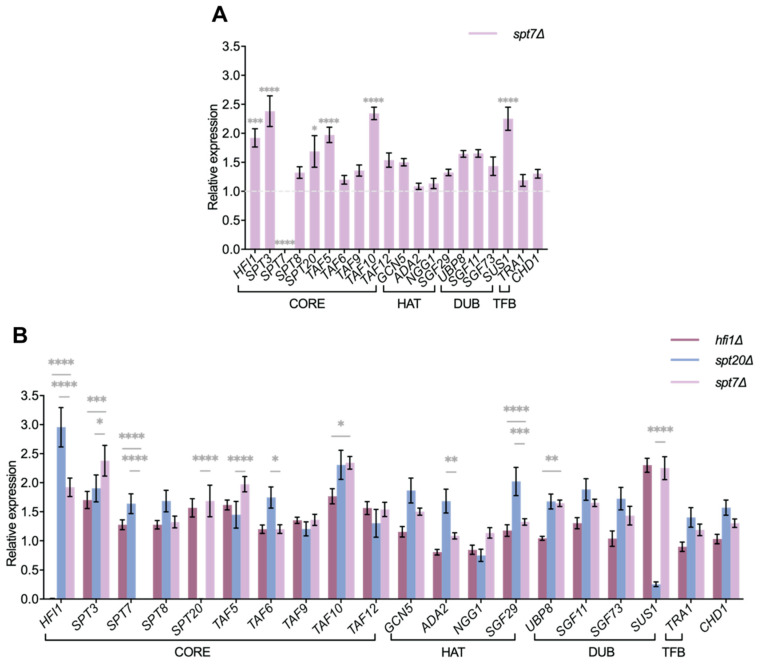 Figure 9
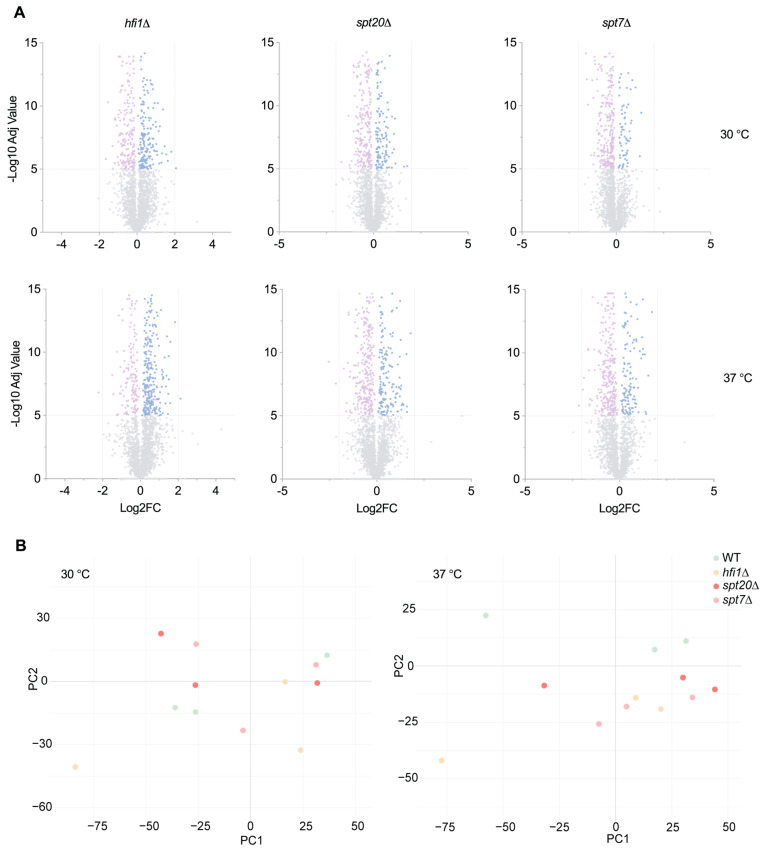 Figure 10
Peer Reviews
No public reviews on file for this paper yet. If you reviewed it on a platform where reviews are public (OpenReview, ICLR, NeurIPS, ICML), you can paste yours below so the community can read it here.
Videos
No videos yet. Explain this paper in a talk, walkthrough, or lecture? Add one.
Taxonomy
TopicsFungal Infections and Studies · Nail Diseases and Treatments · Antifungal resistance and susceptibility