Anticancer Potential of Atractylenolides I–III: Efficacy, Mechanisms, Pharmacokinetics, and Safety
Lujia Zhang, Jinjian Lu, Mengning Zhang, Yingying Dong, Yutao Luo, Tiantian Lei, Zhujun Bian, Xiaofeng Yuan, Hong Zhao

TL;DR
This paper reviews the anticancer potential of atractylenolides I–III, focusing on their effects, mechanisms, safety, and possible clinical applications.
Contribution
The paper systematically reviews the antitumorigenic mechanisms and pharmacokinetics of atractylenolides for potential clinical use.
Findings
Atractylenolides inhibit tumor cell cycle progression and induce apoptosis, autophagy, and ferroptosis.
They suppress tumor angiogenesis, migration, and invasion while modulating the tumor immune microenvironment.
Preliminary clinical data suggest safety, but more trials are needed to confirm their human safety profile.
Abstract
Atractylenolides (ATs; mainly AT-I, II, and III), as one of the primary active components of the traditional Chinese medicine Atractylodes macrocephala, have demonstrated significant antitumorigenic effects against various cancer cells in both in vitro and in vivo studies. This review aims to systematically review the antitumorigenic effects, mechanisms, pharmacokinetics, and safety profile of ATs, aiming to contribute to clinical research and applications. To achieve this, a systematic literature search was conducted across multiple databases, and findings were synthesized narratively to provide a comprehensive overview of the current evidence. This review comprehensively discusses the antitumorigenic effects and mechanisms of ATs, including arresting tumor cell cycle progression, inducing programmed cell death (apoptosis, autophagy, and ferroptosis), inhibiting tumor angiogenesis,…
Genes, proteins, chemicals, diseases, species, mutations and cell lines named across the full text — each resolved to its canonical identifier and authoritative record.
Click any figure to enlarge with its caption.
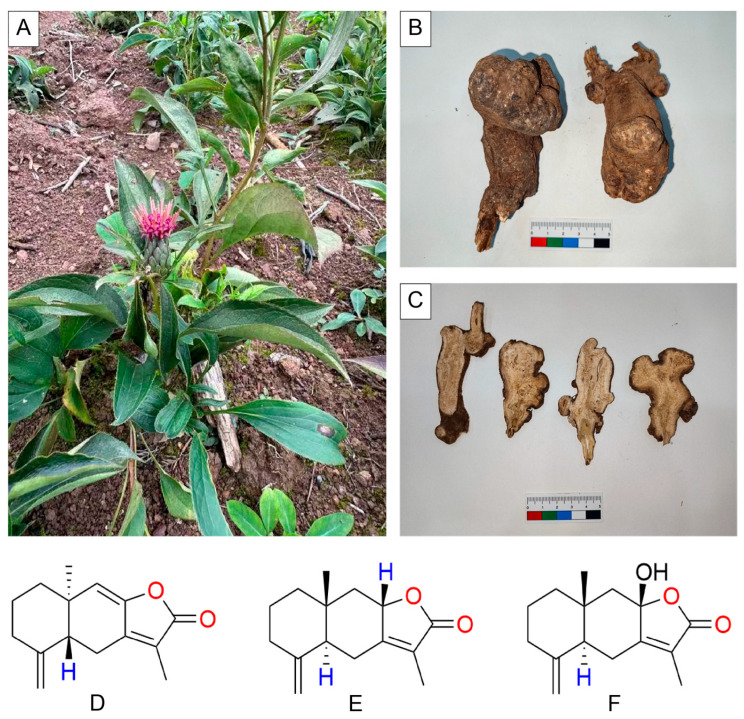 Figure 1
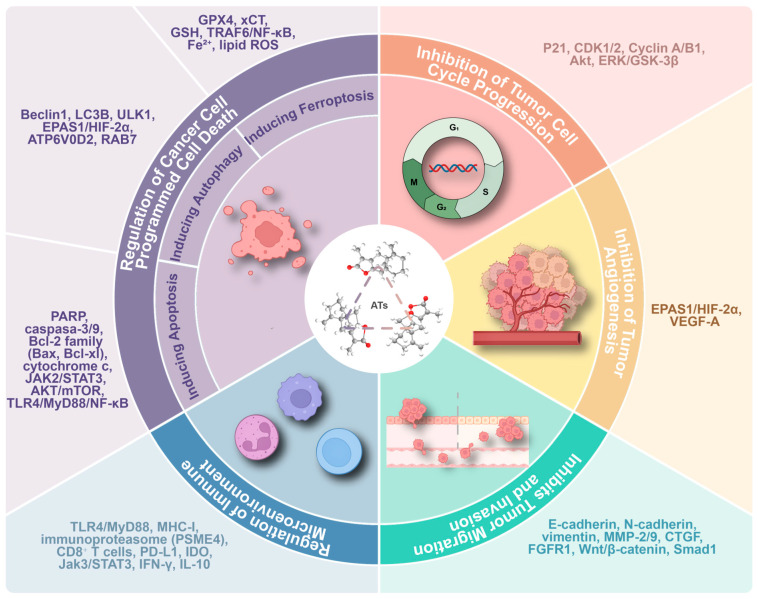 Figure 2
Peer Reviews
No public reviews on file for this paper yet. If you reviewed it on a platform where reviews are public (OpenReview, ICLR, NeurIPS, ICML), you can paste yours below so the community can read it here.
Videos
No videos yet. Explain this paper in a talk, walkthrough, or lecture? Add one.
Taxonomy
TopicsTraditional Chinese Medicine Analysis · Biological Activity of Diterpenoids and Biflavonoids · Neurological Disease Mechanisms and Treatments