Structure Optimization of Polymerase Chain Reaction Devices Under High Flow Rate: A Numerical Study
Naixiang Zhou, Hao Han, Liwei Fang, Shizhen Li, Li Lei

TL;DR
This study improves microfluidic PCR devices by optimizing their structure for better performance at high flow rates.
Contribution
A novel microfluidic chip design with unchamfered expansions that balances thermal efficiency and flow resistance at high flow rates.
Findings
Case 2 showed a 41% higher pressure drop than case 1 at 175 μL/min.
Case 2 extended constant-temperature zones by 30 mm at 95 °C and 30 mm at 55 °C.
The maximum temperature difference in case 2 decreased by 80% compared to other designs.
Abstract
Polymerase chain reaction (PCR) is vital in biological and medical research, but microfluidic PCR chips often suffer from limited reagent processing capacity and slow thermal response under high flow rates. To address this, we designed three serpentine microfluidic chips with double-sided heaters: a standard serpentine chip (case 1), one with unchamfered channel expansion areas (case 2), and one with chamfered expansions (case 3). Using numerical simulations, we analyzed temperature, velocity, and pressure distributions at flow rates of 75, 125, and 175 μL/min. At 175 μL/min, case 2 showed a 41% higher pressure drop than case 1, but also demonstrated significantly improved thermal performance: the constant-temperature zones were extended by 30 mm, 10 mm, and 30 mm at 95 °C, 72 °C, and 55 °C, respectively; the temperature gradient in expansion zones increased by 1.6 times; and the…
Genes, proteins, chemicals, diseases, species, mutations and cell lines named across the full text — each resolved to its canonical identifier and authoritative record.
Click any figure to enlarge with its caption.
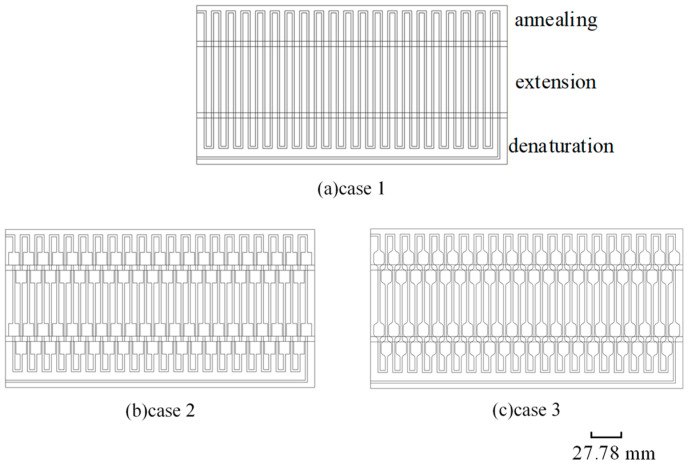 Figure 1
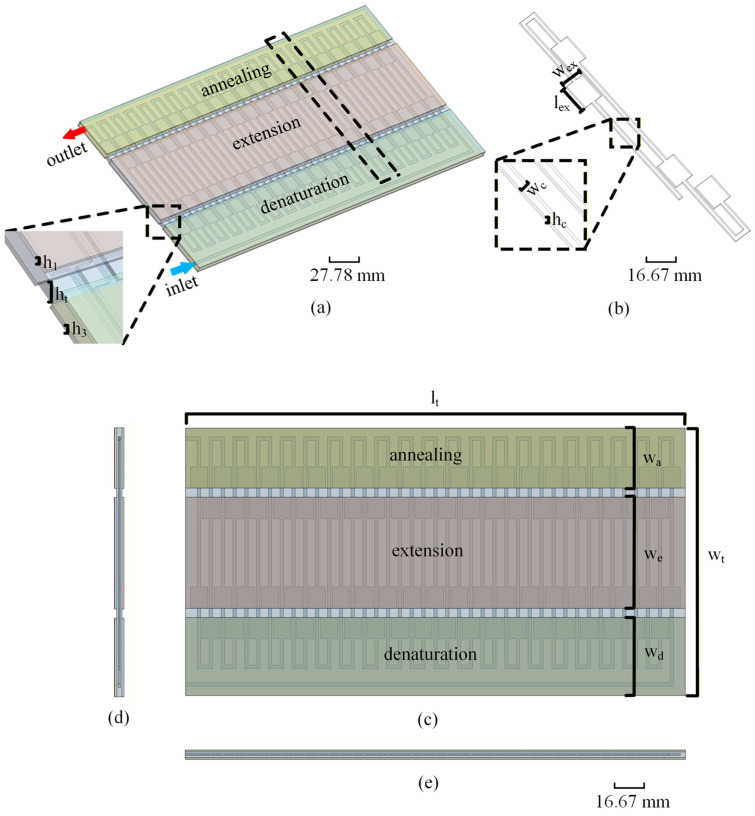 Figure 2
 Figure 3
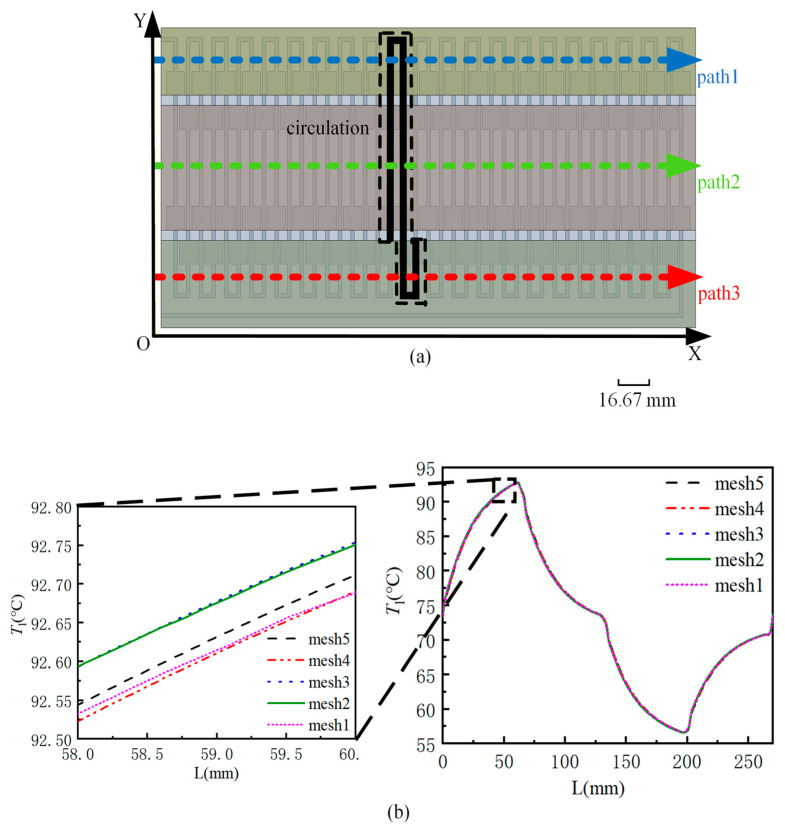 Figure 4
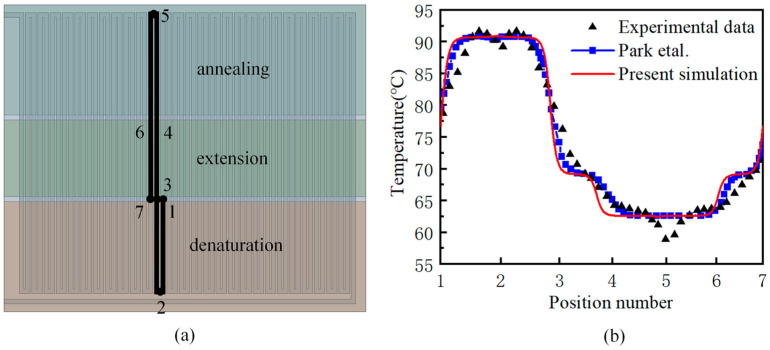 Figure 5
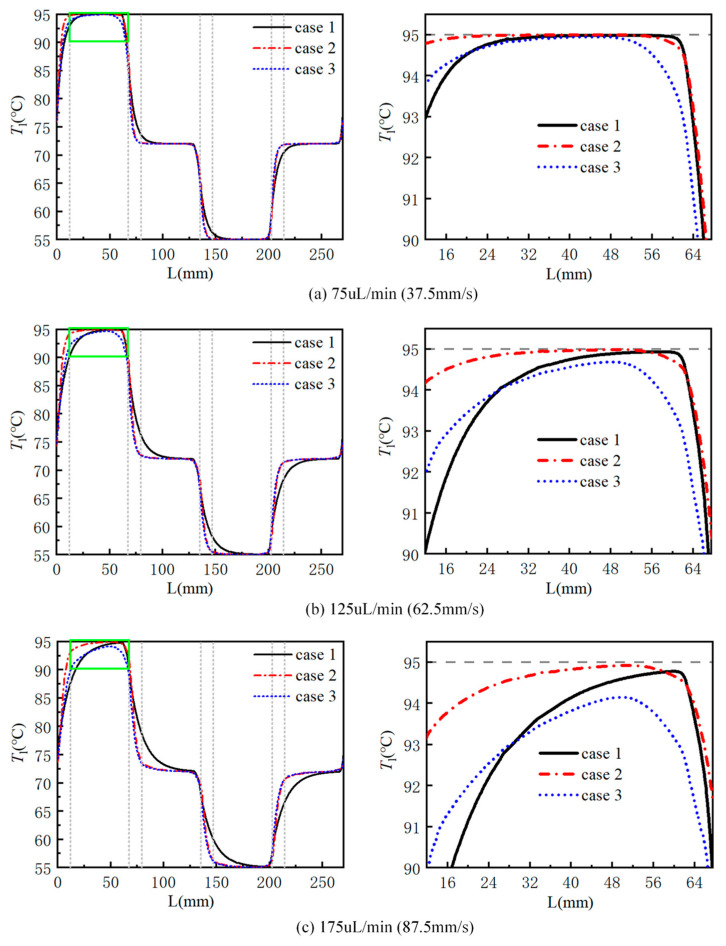 Figure 6
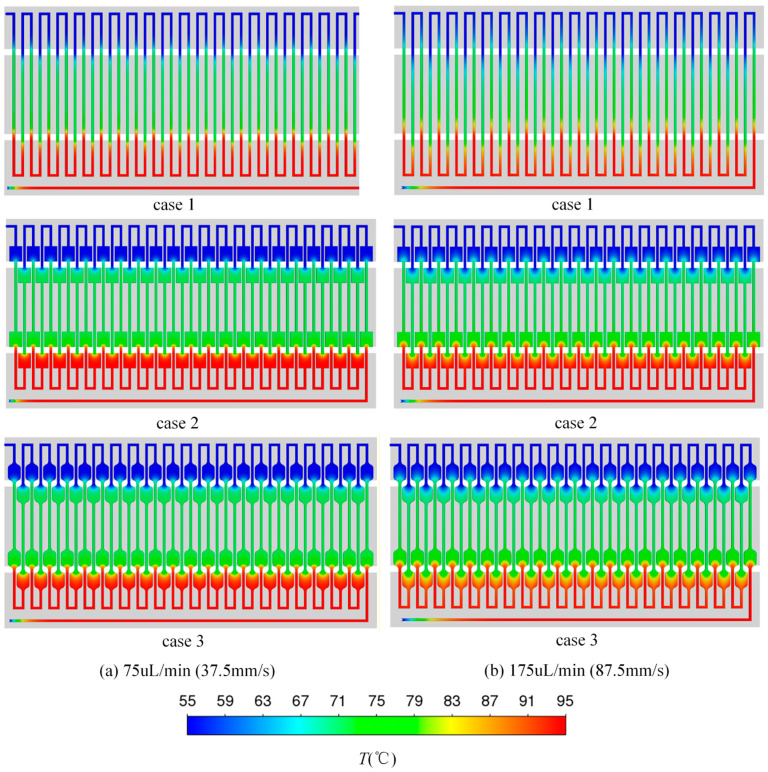 Figure 7
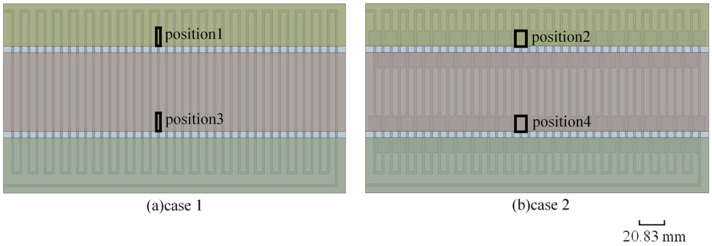 Figure 8
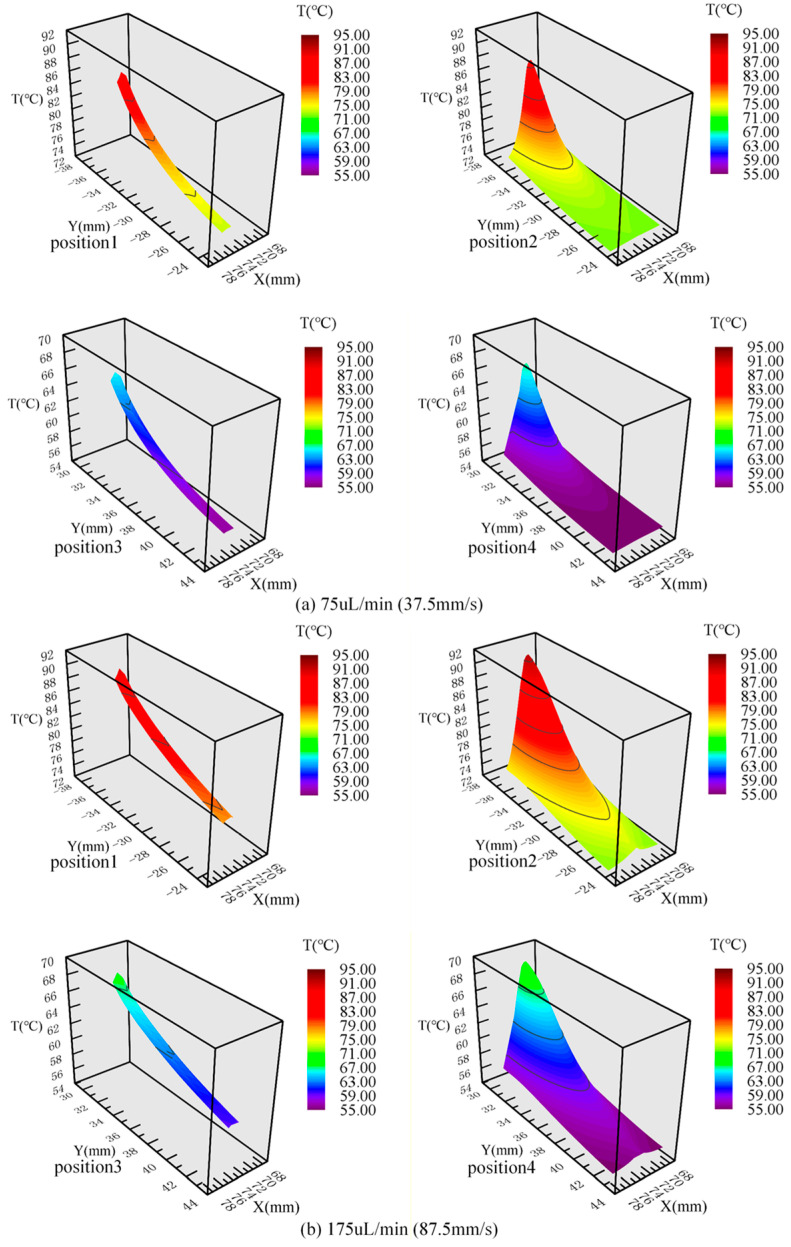 Figure 9
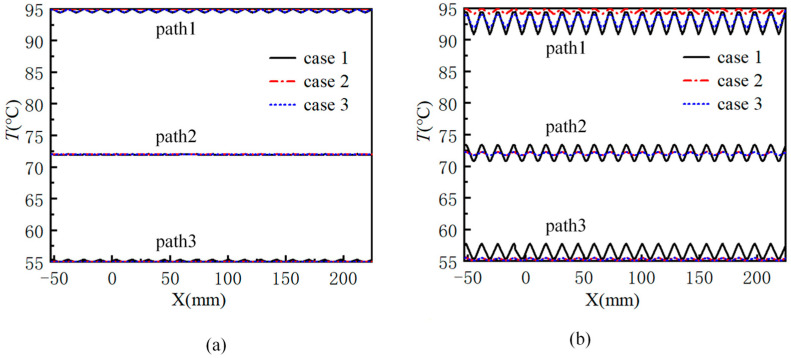 Figure 10
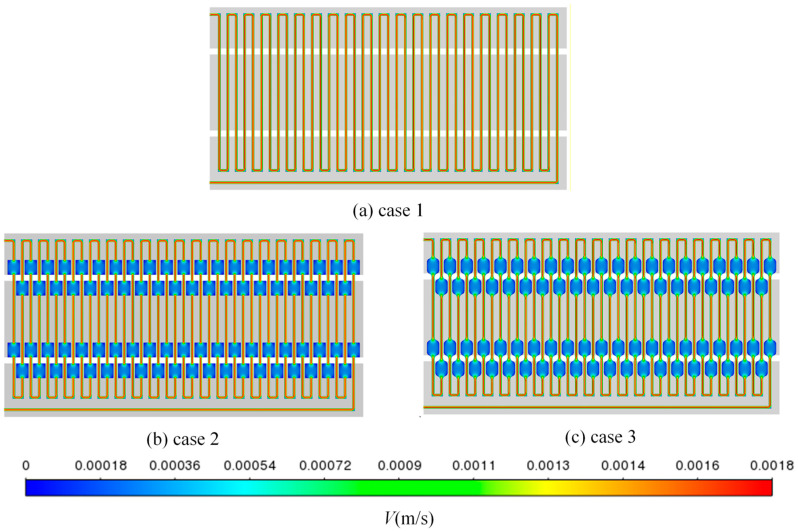 Figure 11
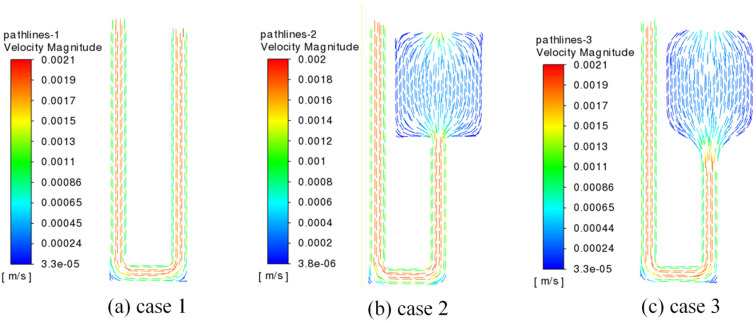 Figure 12
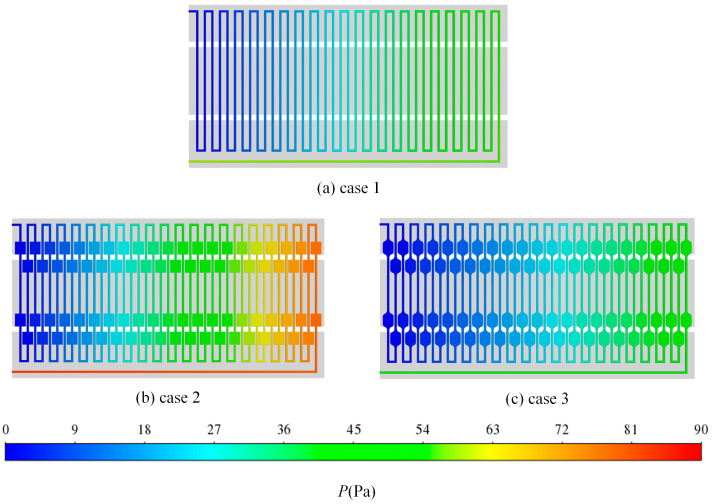 Figure 13
Peer Reviews
No public reviews on file for this paper yet. If you reviewed it on a platform where reviews are public (OpenReview, ICLR, NeurIPS, ICML), you can paste yours below so the community can read it here.
Videos
No videos yet. Explain this paper in a talk, walkthrough, or lecture? Add one.
Taxonomy
TopicsMicrofluidic and Capillary Electrophoresis Applications · Innovative Microfluidic and Catalytic Techniques Innovation · Molecular Biology Techniques and Applications