Release of Bioactive Peptides from Whey Protein During In Vitro Digestion and Their Effect on CCK Secretion in Enteroendocrine Cells: An In Silico and In Vitro Approach
Anaís Ignot-Gutiérrez, Orlando Arellano-Castillo, Gloricel Serena-Romero, Mayvi Alvarado-Olivarez, Daniel Guajardo-Flores, Armando J. Martínez, Elvia Cruz-Huerta

TL;DR
Whey protein digestion produces small peptides that boost CCK hormone release, which may help with satiety and metabolic health.
Contribution
Integration of in vitro digestion, peptidomics, and in silico prediction to identify bioactive peptides from whey protein.
Findings
Low-molecular-weight peptides from whey protein strongly stimulate CCK secretion in enteroendocrine cells.
Peptides from β-lactoglobulin and α-lactalbumin show multiple bioactivities, including antihypertensive and antioxidant properties.
The ENSAEPE motif in β-lactoglobulin is linked to neuropeptide-like activity.
Abstract
During gastrointestinal digestion, dietary proteins are hydrolyzed into peptides and free amino acids that modulate enteroendocrine function and satiety-related hormone secretion along the gut–brain axis, thereby contributing to obesity prevention. We investigated whey protein concentrate (WPC) as a source of bioactive peptides and evaluated the effects of its digests on cholecystokinin (CCK) secretion in STC-1 enteroendocrine cells by integrating the standardized INFOGEST in vitro digestion protocol, peptidomics (LC–MS/MS), and in silico bioactivity prediction. In STC-1 cells, the <3 kDa intestinal peptide fraction exhibited the strongest CCK stimulation, positioning these low-molecular-weight peptides as promising bioactive components for satiety modulation and metabolic health applications. Peptidomic analysis of this fraction identified short sequences derived primarily from…
Genes, proteins, chemicals, diseases, species, mutations and cell lines named across the full text — each resolved to its canonical identifier and authoritative record.
Click any figure to enlarge with its caption.
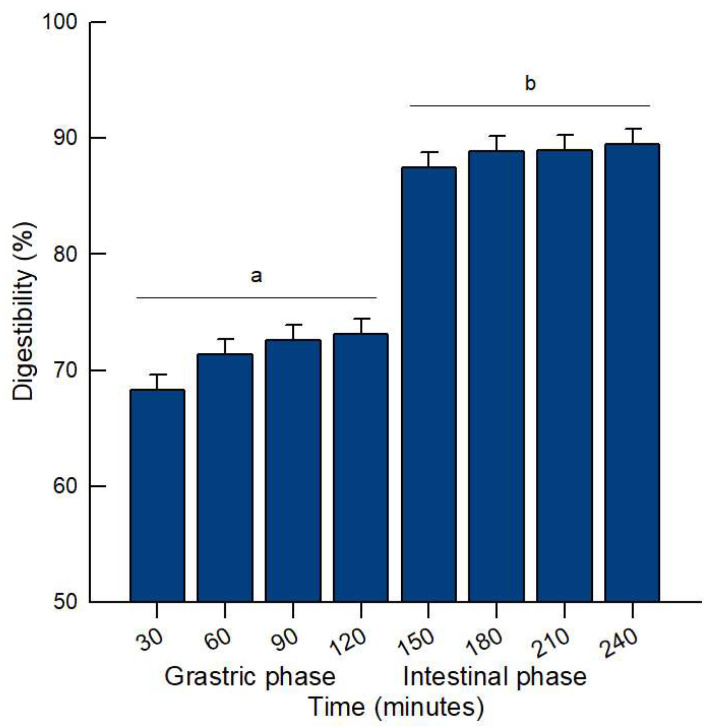 Figure 1
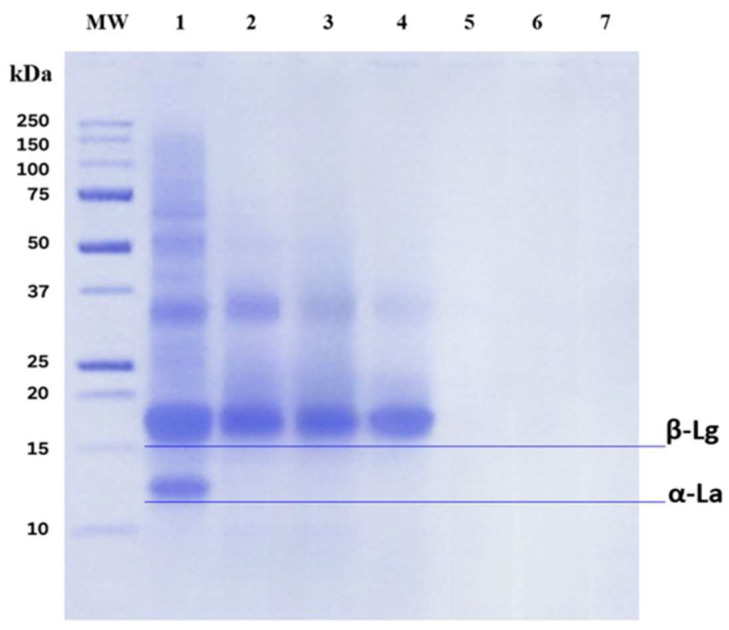 Figure 2
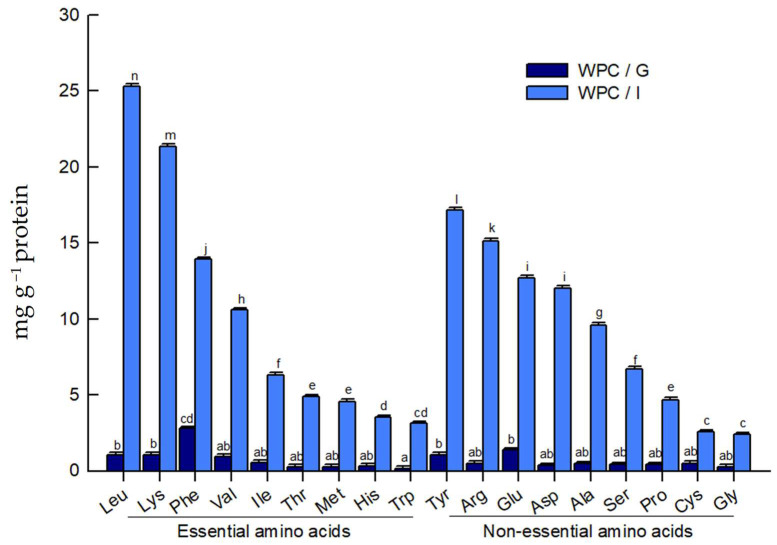 Figure 3
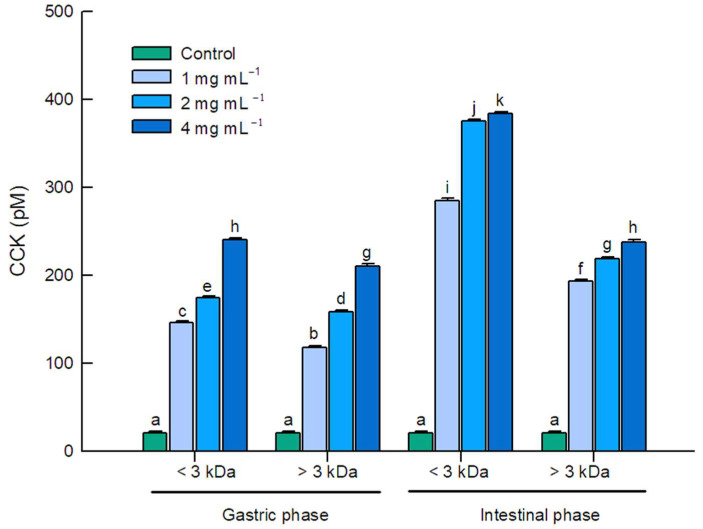 Figure 4
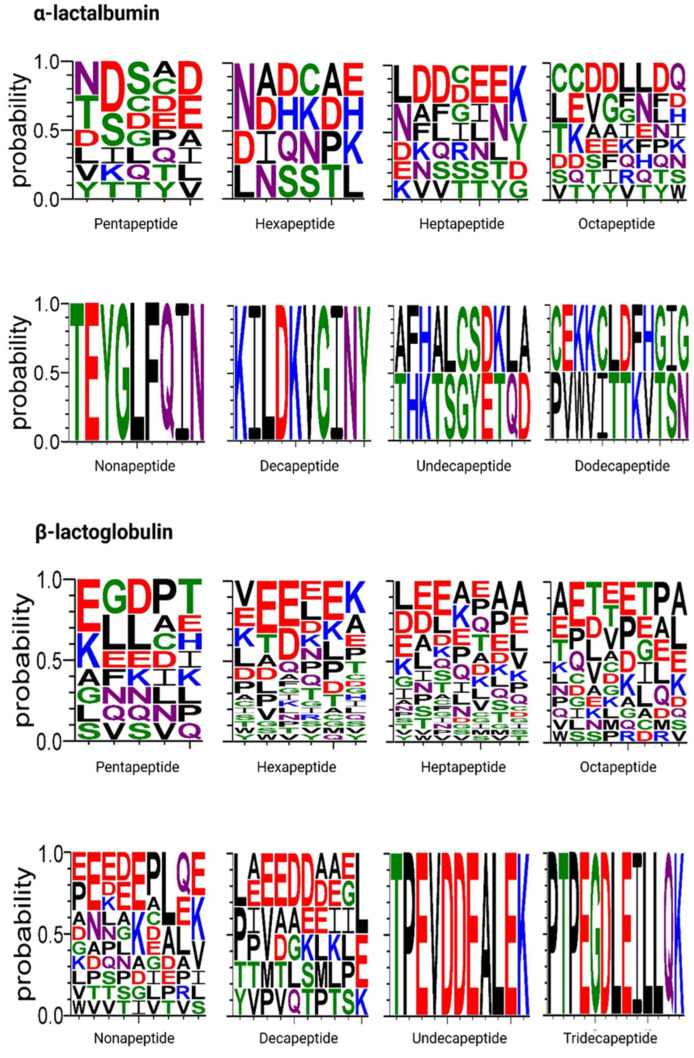 Figure 5
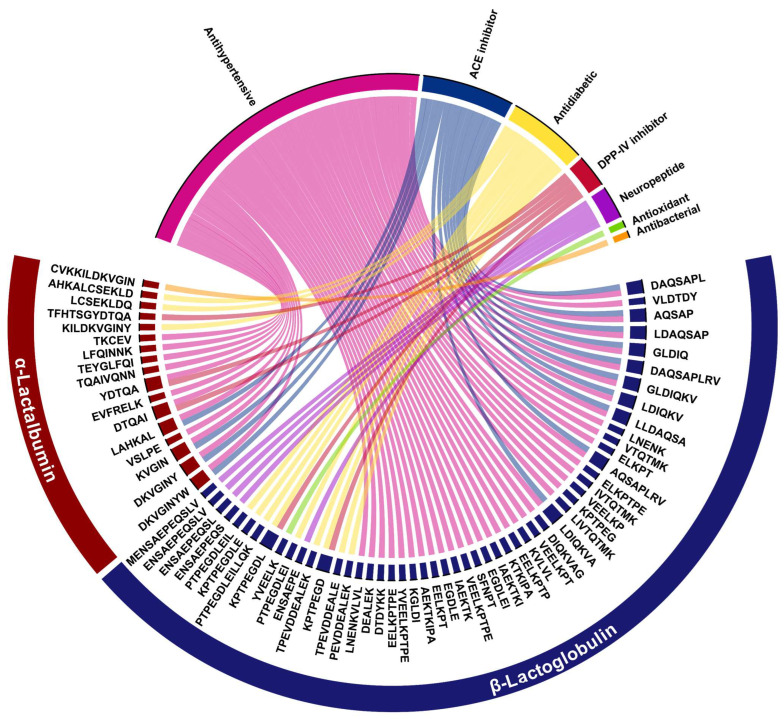 Figure 6
Peer Reviews
No public reviews on file for this paper yet. If you reviewed it on a platform where reviews are public (OpenReview, ICLR, NeurIPS, ICML), you can paste yours below so the community can read it here.
Videos
No videos yet. Explain this paper in a talk, walkthrough, or lecture? Add one.
Taxonomy
TopicsProtein Hydrolysis and Bioactive Peptides · Muscle metabolism and nutrition · Neuropeptides and Animal Physiology