Study on Comprehensive Quality Control of Herba Hyssopi Based on Chemical Components and Pharmacological Mechanism Action
Zhenxia Zhao, Jiangning Peng, Yingfeng Du, Xinyi Yang, Lilan Fan, Cong Li, Amatjan Ayupbek, Hui Li, Yongli Liu

TL;DR
This study develops a method to assess the quality of Herba Hyssopi using chemical and pharmacological analysis to detect adulteration and identify key bioactive compounds.
Contribution
A validated HPLC method for quantifying three bioactive compounds in Herba Hyssopi is introduced for quality control.
Findings
41 chemical constituents were identified in Herba Hyssopi using UPLC-LTQ-Orbitrap-MS.
Seven key target genes (e.g., EGFR, MMP9) were linked to the therapeutic effects of Herba Hyssopi via network pharmacology.
Diosmin, linarin, and rosmarinic acid reduced nitric oxide and pro-inflammatory cytokines in cell experiments.
Abstract
Herba Hyssopi is a key remedy in Uighur medicine for asthma and cough, frequently used as the monarch or minister herb in prescriptions. However, the lack of effective quality assessment methods complicates the detection of adulteration with common substitutes. In this study, UPLC-LTQ-Orbitrap-MS, network pharmacology, molecular docking, and cell experiments were employed to establish scientific and effective quality control methods to differentiate Hyssopus cuspidatus Boiss from its common adulterants. The results showed that a total of 41 chemical constituents were identified from Herba Hyssopi. Network pharmacology analysis revealed 133 potential target genes associated with its therapeutic actions, among which EGFR, MMP9, TNF, PTGS2, MAPK3, ESR1, and TP53 emerged as key targets. Cellular experiments further demonstrated that diosmin, linarin, and rosmarinic acid significantly…
Genes, proteins, chemicals, diseases, species, mutations and cell lines named across the full text — each resolved to its canonical identifier and authoritative record.
Click any figure to enlarge with its caption.
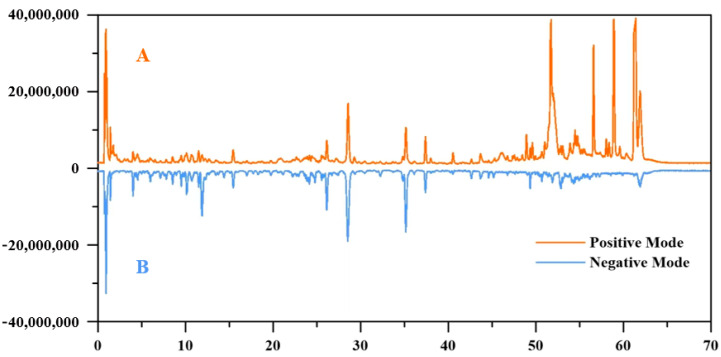 Figure 1
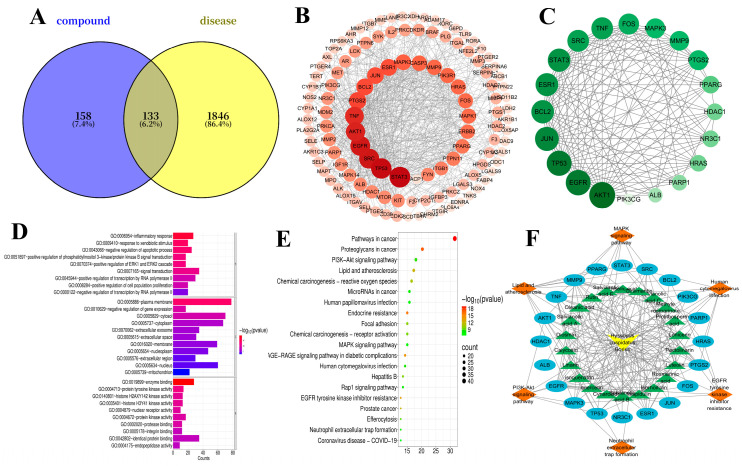 Figure 2
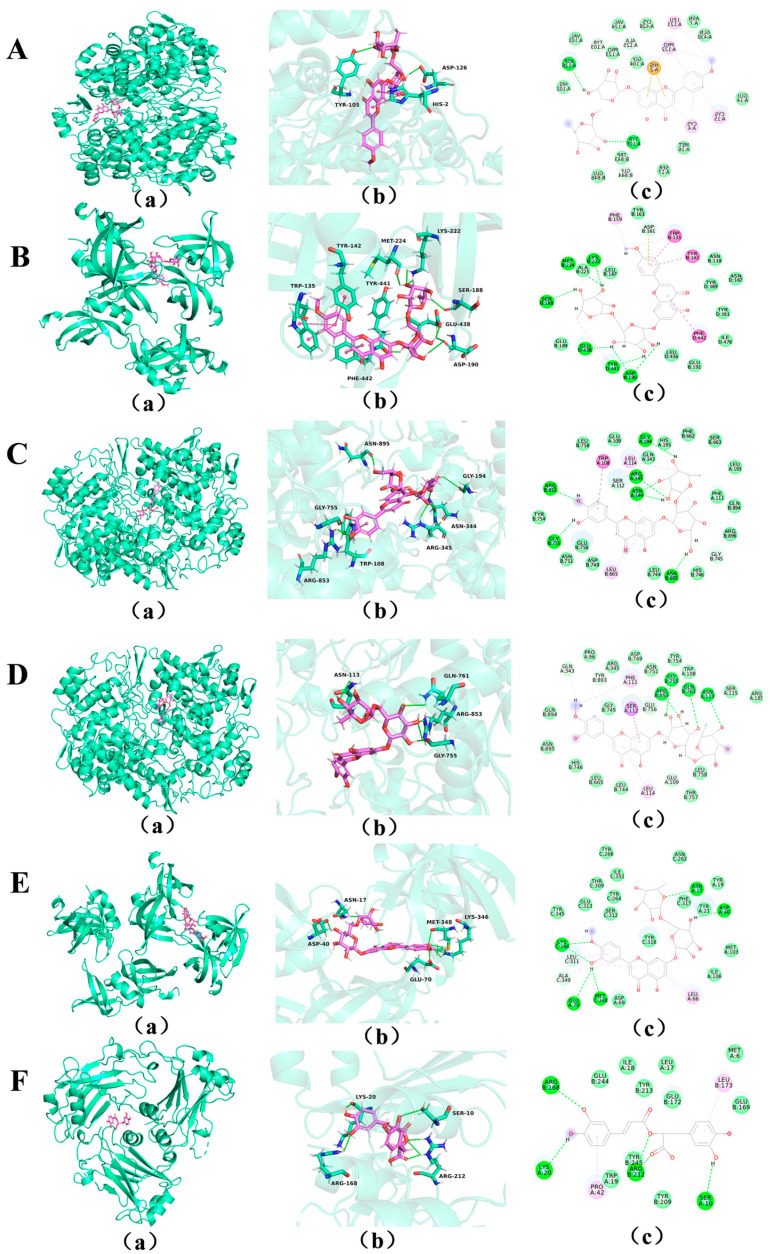 Figure 3
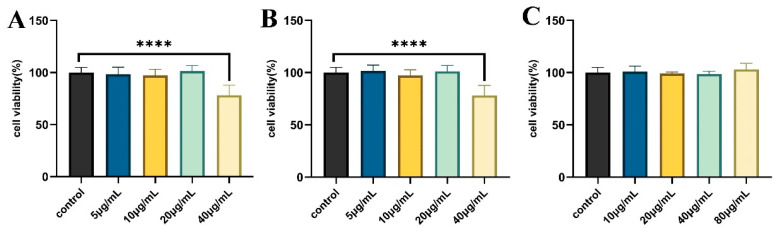 Figure 4
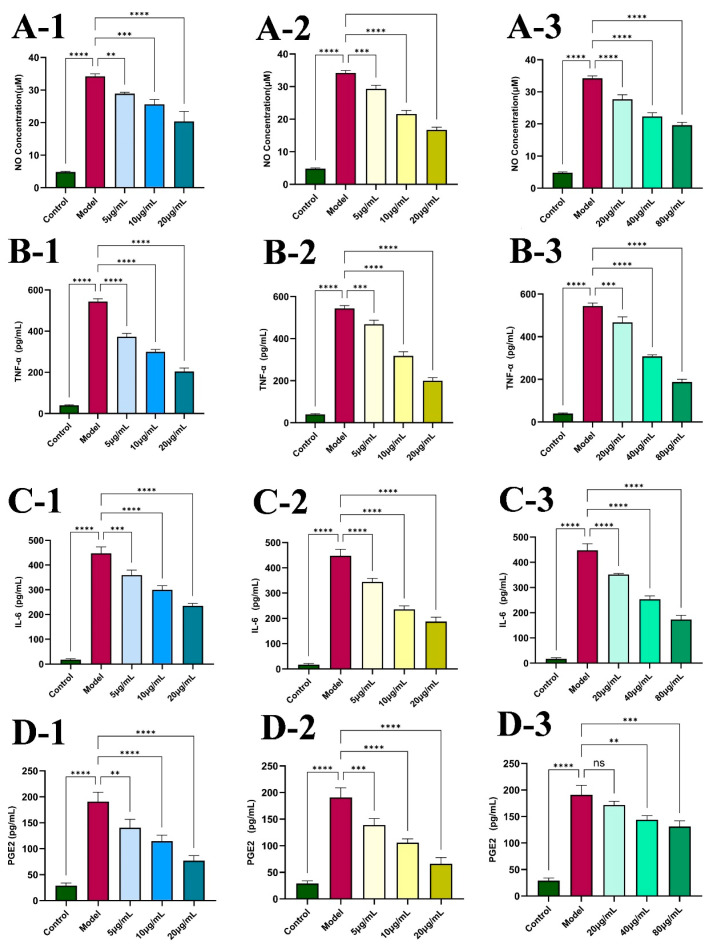 Figure 5
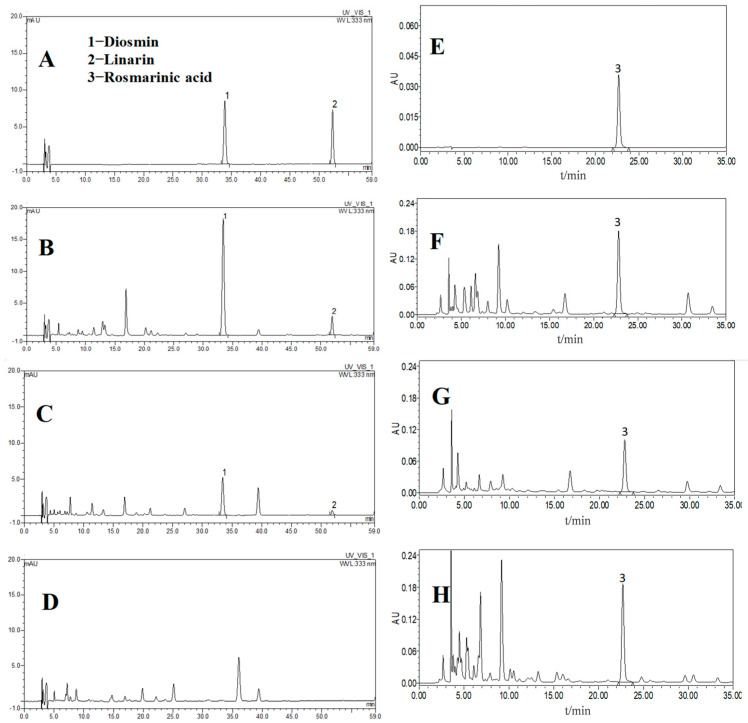 Figure 6
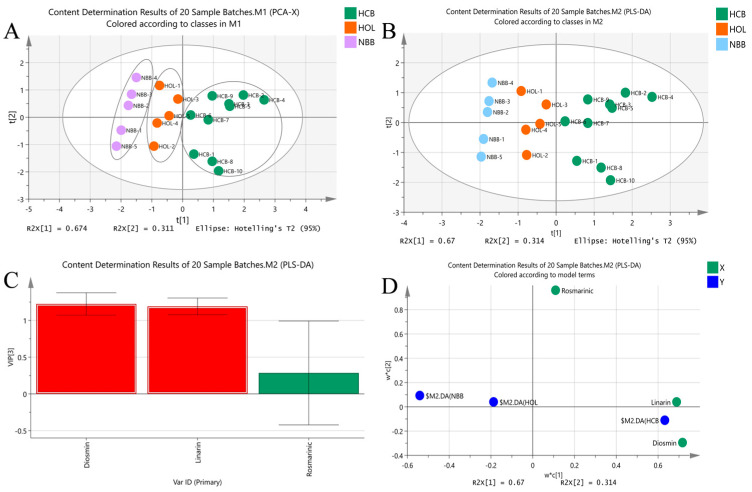 Figure 7
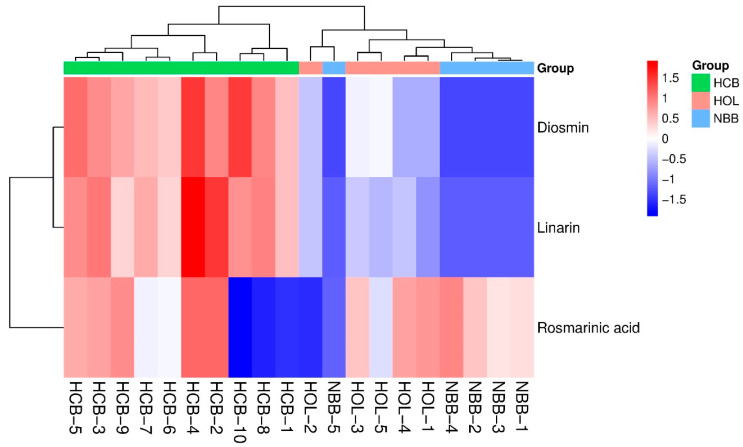 Figure 8
Peer Reviews
No public reviews on file for this paper yet. If you reviewed it on a platform where reviews are public (OpenReview, ICLR, NeurIPS, ICML), you can paste yours below so the community can read it here.
Videos
No videos yet. Explain this paper in a talk, walkthrough, or lecture? Add one.
Taxonomy
TopicsTraditional Chinese Medicine Analysis · Flavonoids in Medical Research · Plant-based Medicinal Research