Effects of VeA Gene on the Growth, Pigment and Citrinin Synthesis of Monascus ruber M7
Linsha Kuang, Peng Ma, Xia He, Liling Wang, Qiuye Xie, Yi He, Huilin Tan

TL;DR
This study shows that deleting the VeA gene in Monascus ruber M7 affects its growth, pigment production, and citrinin synthesis, which is important for food safety and industrial use.
Contribution
The study reveals the role of the VeA gene in regulating growth, pigmentation, and citrinin production in Monascus ruber M7.
Findings
Deleting the VeA gene increased growth rate and mycelium density but reduced pigment and citrinin production.
Transcriptomic analysis showed DEGs enriched in amino sugar metabolism, MAPK signaling, and carbohydrate metabolism.
VeA negatively regulates growth and positively regulates reproduction, pigments, and citrinin in M. ruber M7.
Abstract
Monascus spp. is widely used in food fermentation and additive production, and some of its strains produce citrinin (CIT), which is nephrotoxic. In this study, we constructed a mutant strain of Monascus ruber M7 (M. ruber M7) with a VeA gene deletion (ΔVeA) using the Agrobacterium-mediated transformation technique to investigate the VeA gene in growth and development, pigmentation, and CIT synthesis in M. ruber M7. Compared to the wild-type strain (WT), the ΔVeA strain grew faster, the mycelium was dense, the length was longer, the colony color was lighter, the cleistothecium and conidia were reduced, the ability to produce Monascus pigments (MPs) decreased, and CIT was not produced. Transcriptomic results showed that differentially expressed genes (DEGs) were mainly enriched in amino sugar metabolism, the MAPK signaling pathway and carbohydrate metabolism. These results suggest that…
Genes, proteins, chemicals, diseases, species, mutations and cell lines named across the full text — each resolved to its canonical identifier and authoritative record.
Click any figure to enlarge with its caption.
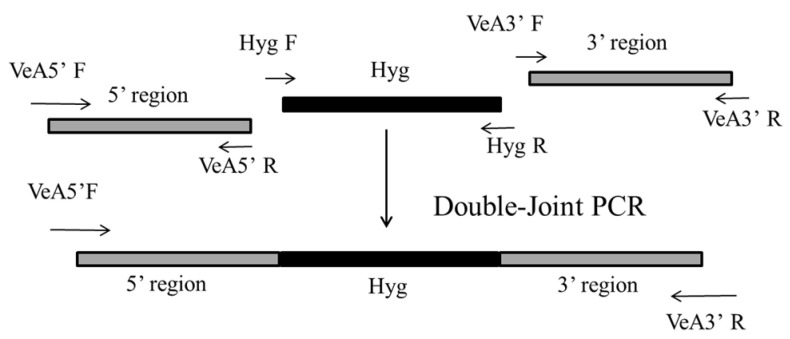 Figure 1
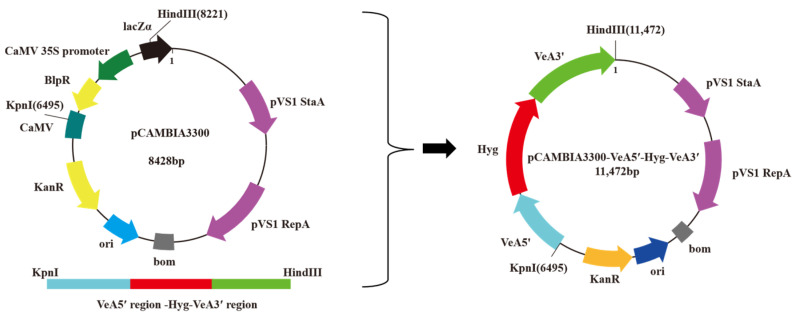 Figure 2
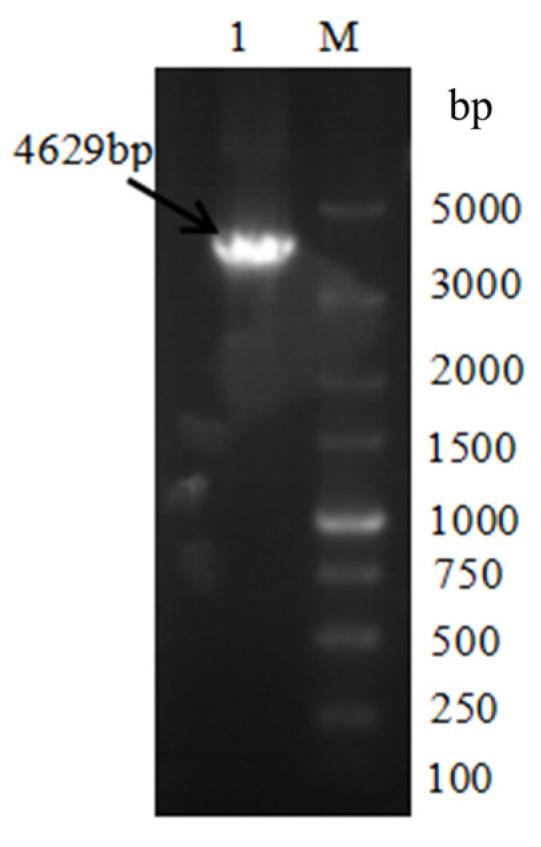 Figure 3
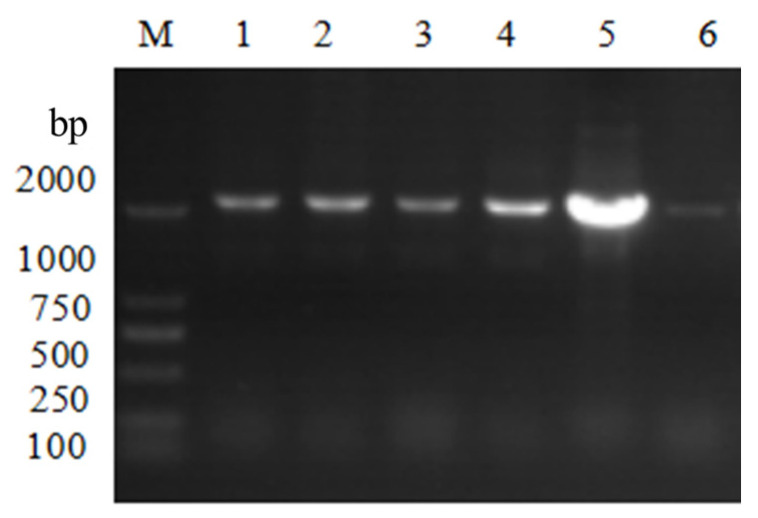 Figure 4
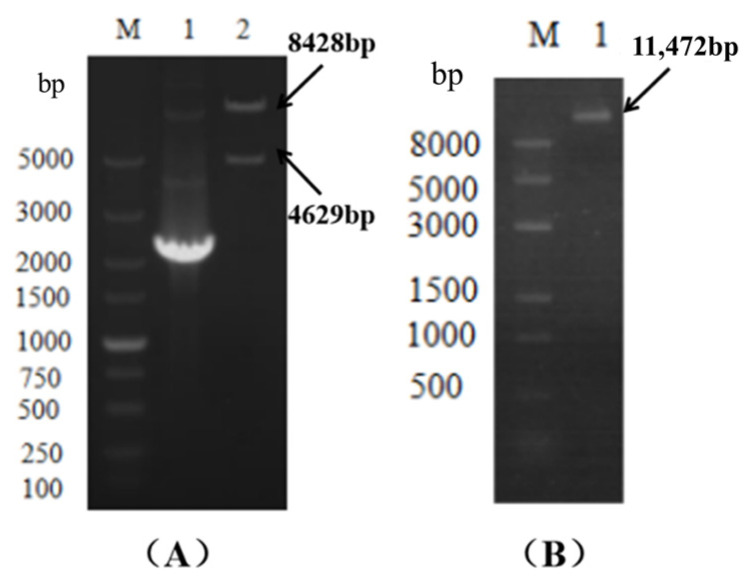 Figure 5
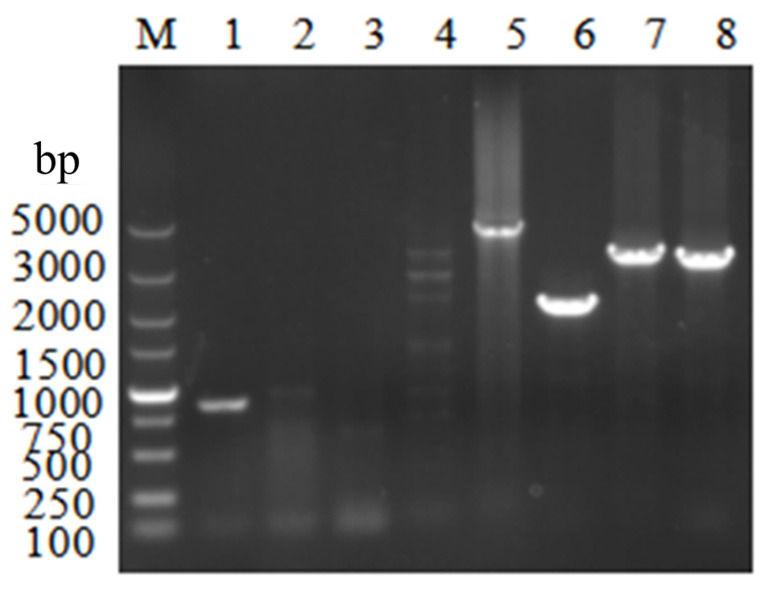 Figure 6
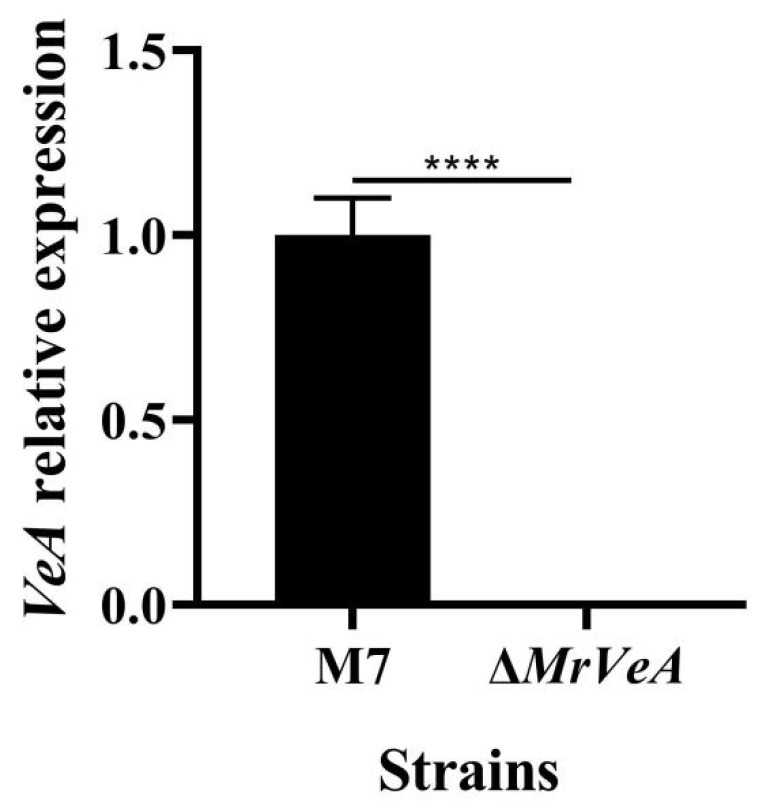 Figure 7
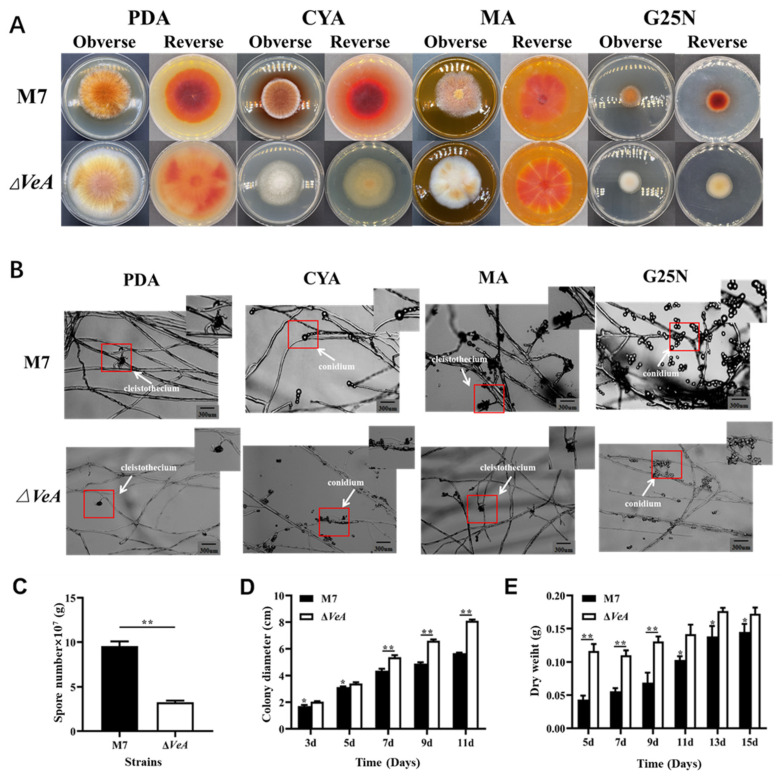 Figure 8
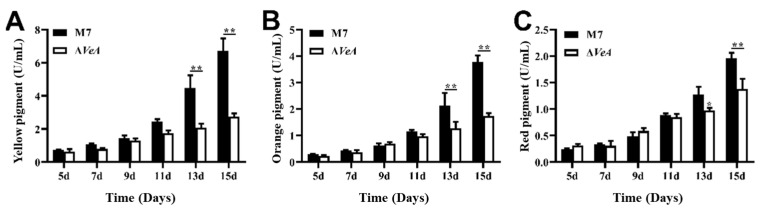 Figure 9
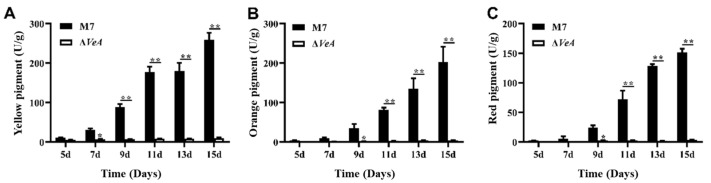 Figure 10
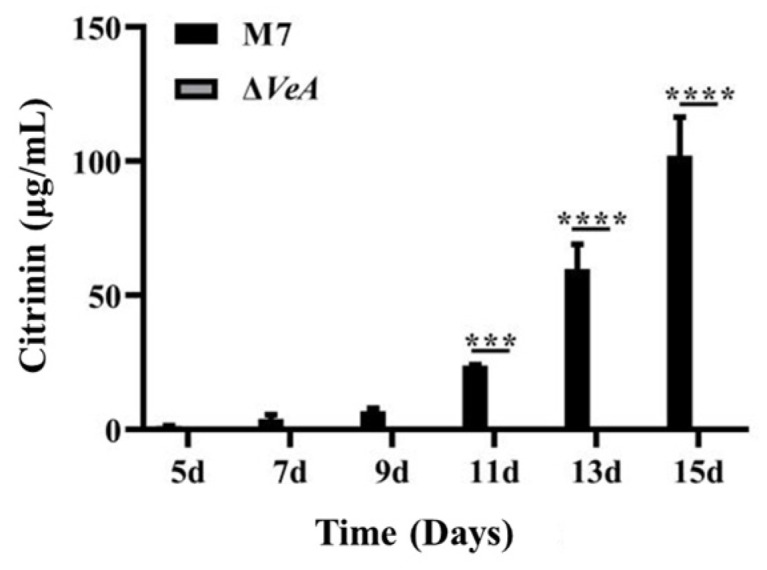 Figure 11
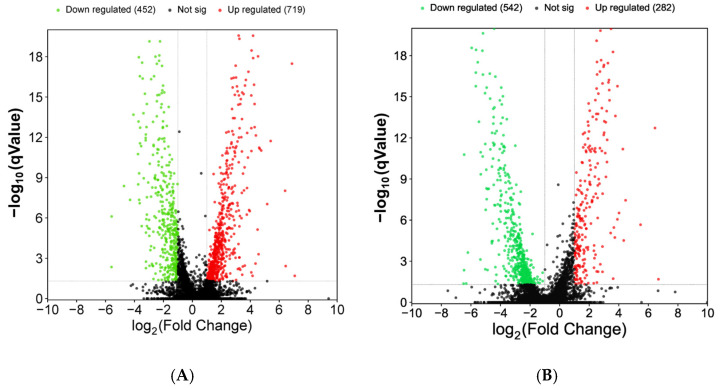 Figure 12
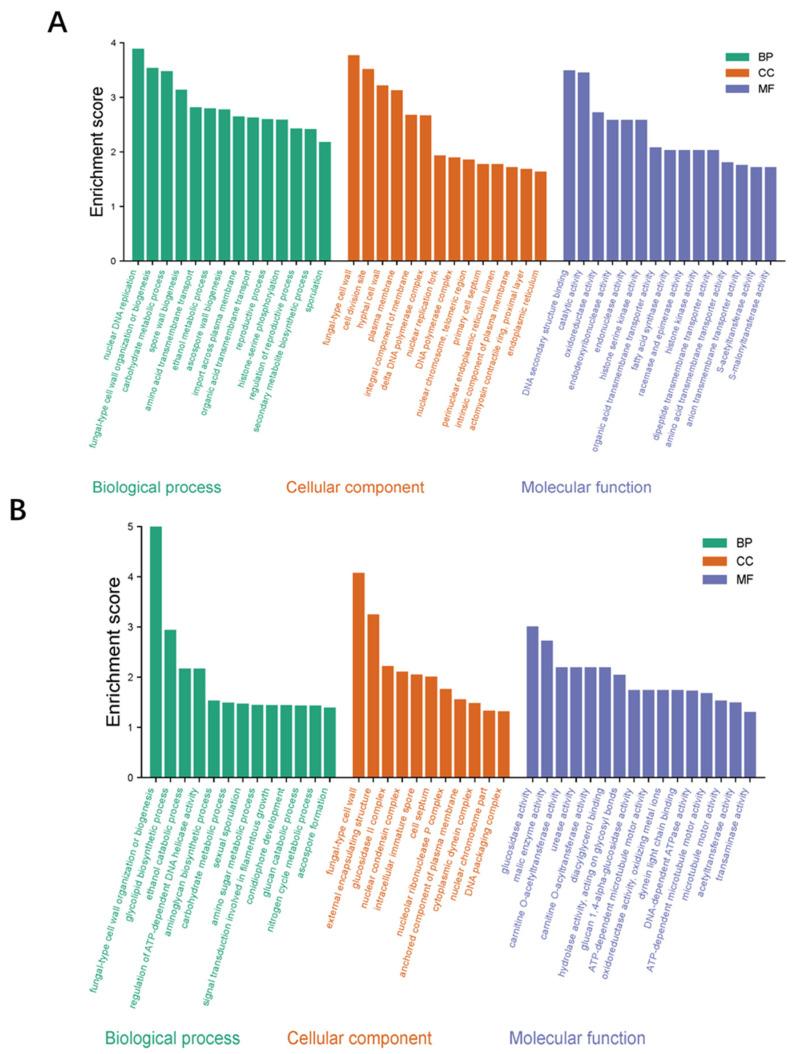 Figure 13
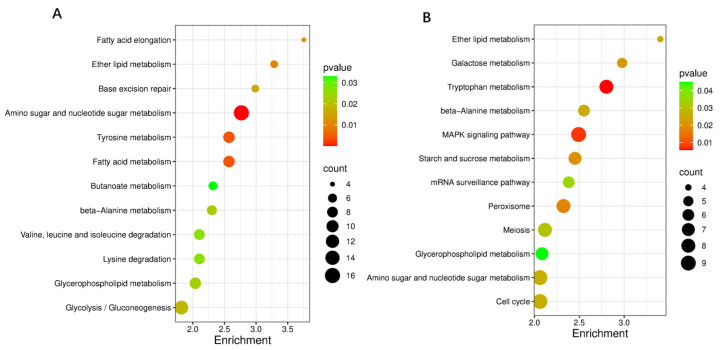 Figure 14
Peer Reviews
No public reviews on file for this paper yet. If you reviewed it on a platform where reviews are public (OpenReview, ICLR, NeurIPS, ICML), you can paste yours below so the community can read it here.
Videos
No videos yet. Explain this paper in a talk, walkthrough, or lecture? Add one.
Taxonomy
TopicsMicrobial Metabolism and Applications · Polyamine Metabolism and Applications · GABA and Rice Research