Effects of Dominant Associated Bacteria Agrobacterium radiobacter Bx.F4 and Delftia tsuruhatensis Bx.Q2 on the Physiological Traits of Bursaphelenchus xylophilus: Insights from RNA-Seq Analysis
Mengyu Chen, Chenglei Qin, Yujiang Sun, Qunqun Guo, Congbei Lv, Han Wang, Zijin Zhou, Guicai Du, Ronggui Li

TL;DR
This study shows how two bacteria associated with pine wood nematodes affect their movement, reproduction, and disease-causing ability.
Contribution
The study identifies specific bacterial strains that influence nematode physiology and pathogenicity through RNA-Seq analysis.
Findings
Agrobacterium radiobacter Bx.F4 enhances nematode motility, reproduction, and pathogenicity.
Delftia tsuruhatensis Bx.Q2 reduces nematode motility, reproduction, and pathogenicity.
RNA-Seq analysis revealed enriched pathways like JNK, Wnt, and FOXO related to nematode physiology.
Abstract
To investigate the role of bacteria associated with pine wood nematodes (PWNs), Bursaphelenchus xylophilus (Steiner & Buhrer) Nickle, we isolated two dominant bacterial strains (Agrobacterium radiobacter Bx.F4 and Delftia tsuruhatensis Bx.Q2) from B. xylophilus with different pathogenicity (highly pathogenic F and weakly pathogenic Q) identified in previous studies. In this study, Agrobacterium radiobacter Bx.F4 and Delftia tsuruhatensis Bx.Q2 were inoculated, respectively, to aseptic PWNs to identify the effects of dominant nematode-associated bacteria on the motility, egg laying, population growth, lifespan, feeding ability, and pathogenicity of PWNs. The results showed that Agrobacterium radiobacter Bx.F4 could significantly enhance the motility, egg-laying, population growth, lifespan, feeding ability, and pathogenicity of PWNs, while Delftia tsuruhatensis Bx.Q2 exhibited the…
Genes, proteins, chemicals, diseases, species, mutations and cell lines named across the full text — each resolved to its canonical identifier and authoritative record.
Click any figure to enlarge with its caption.
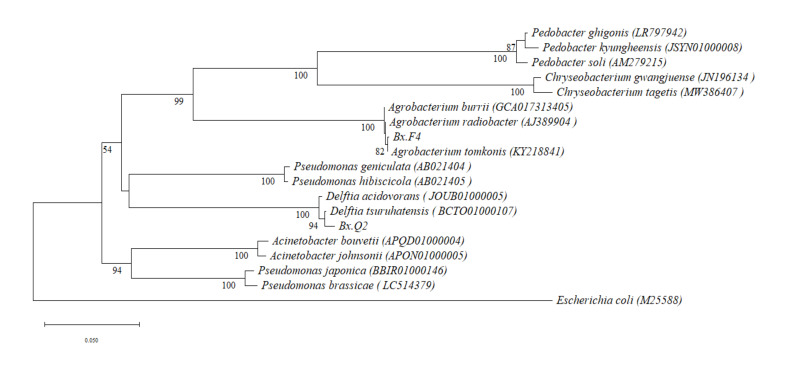 Figure 1
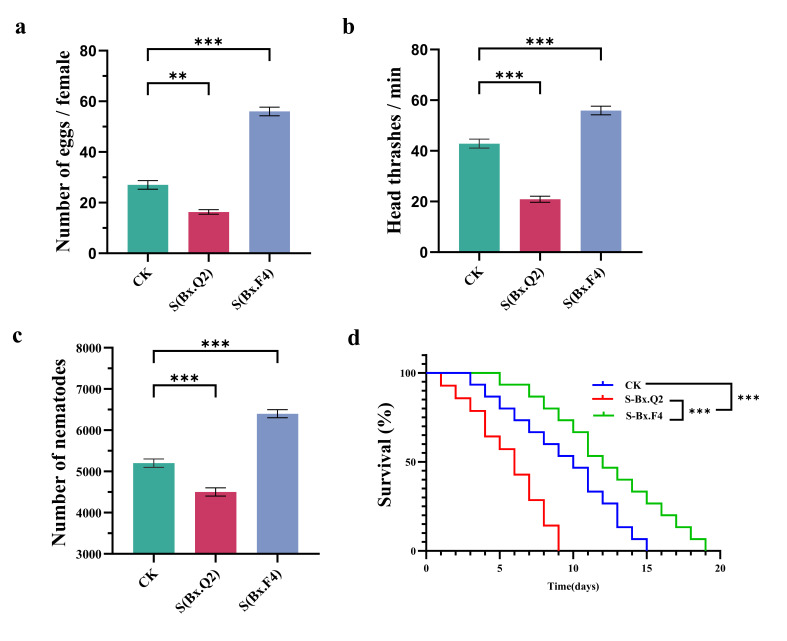 Figure 2
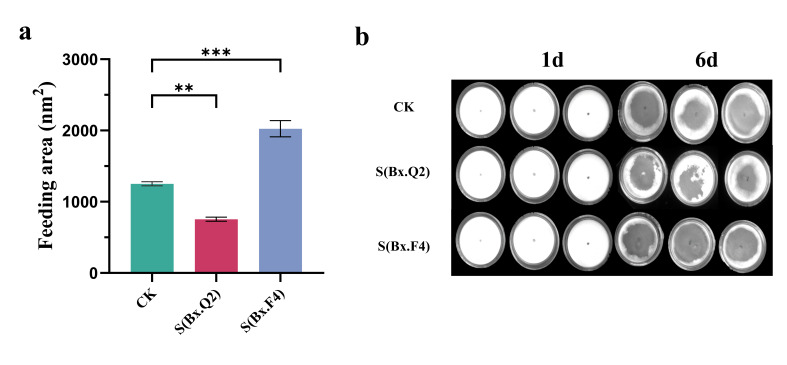 Figure 3
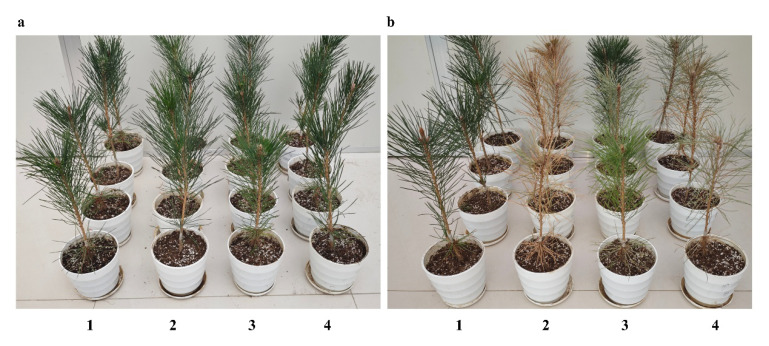 Figure 4
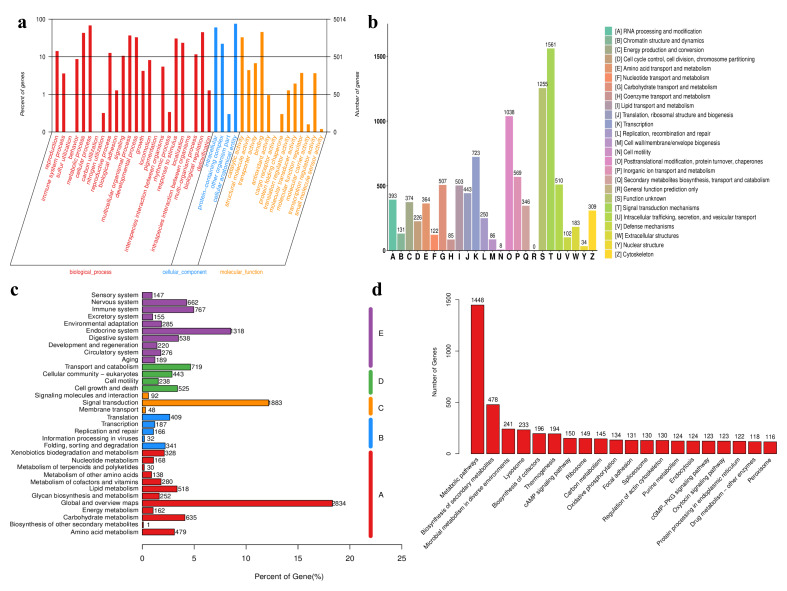 Figure 5
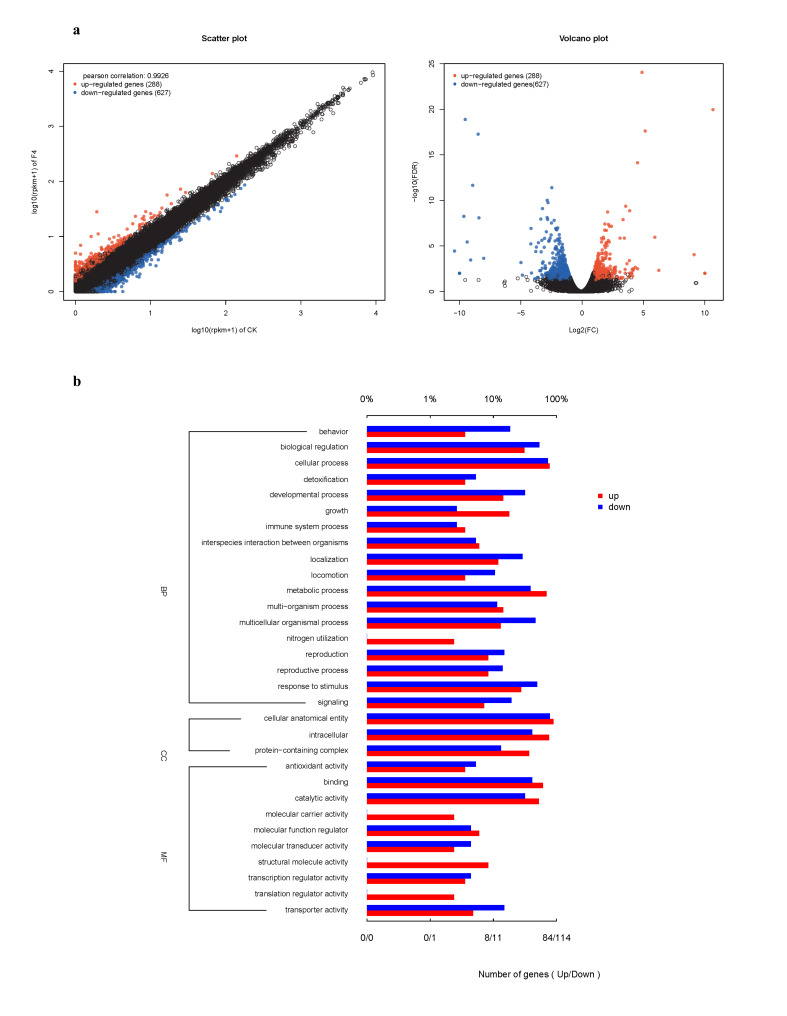 Figure 6
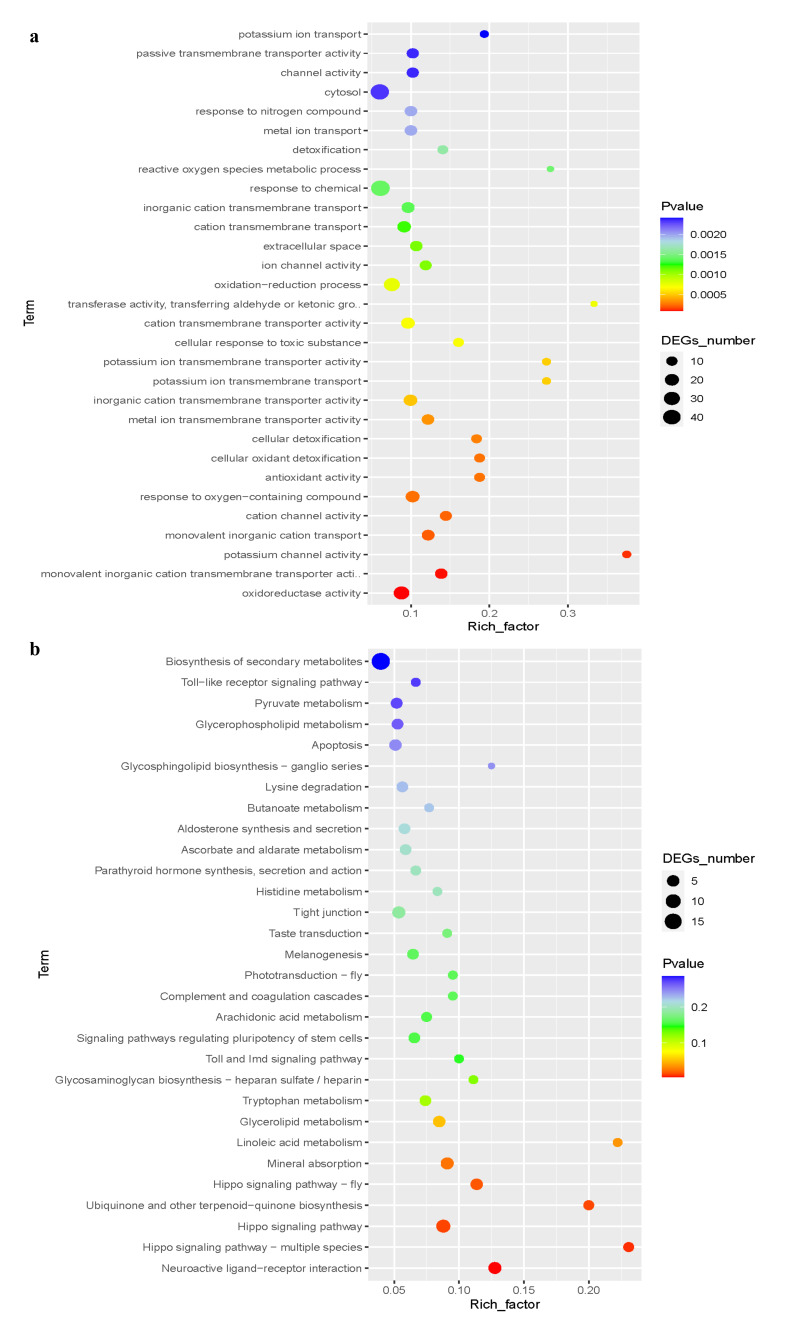 Figure 7
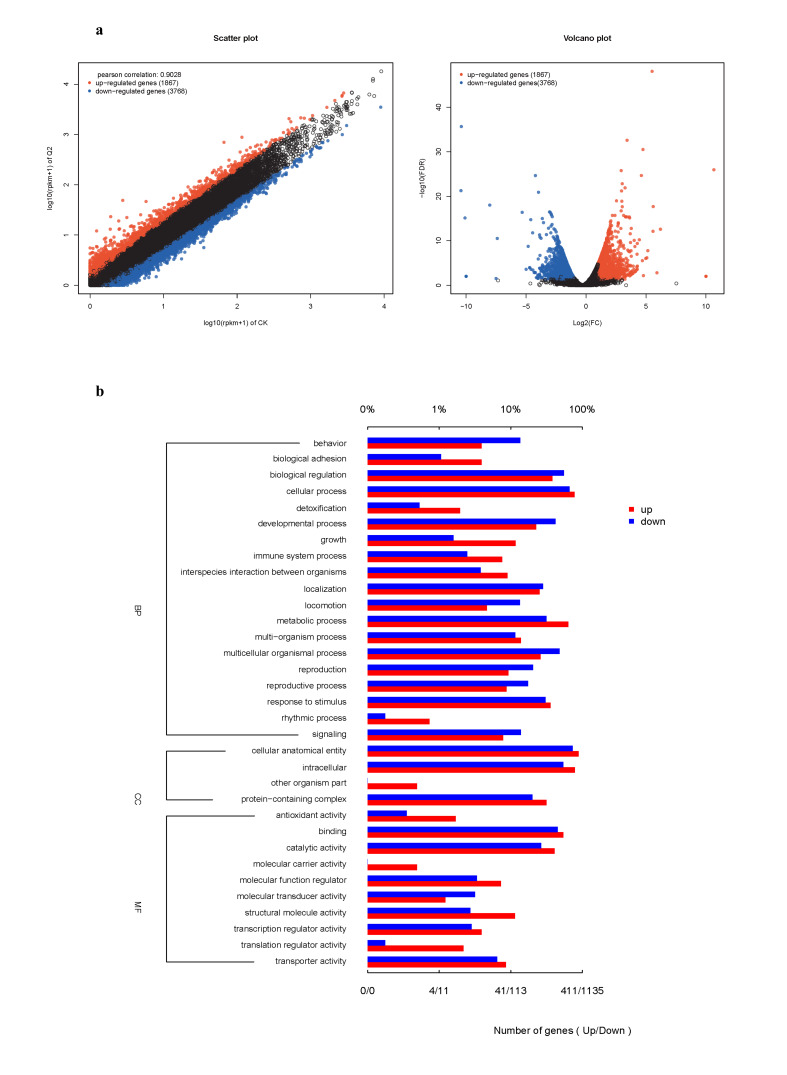 Figure 8
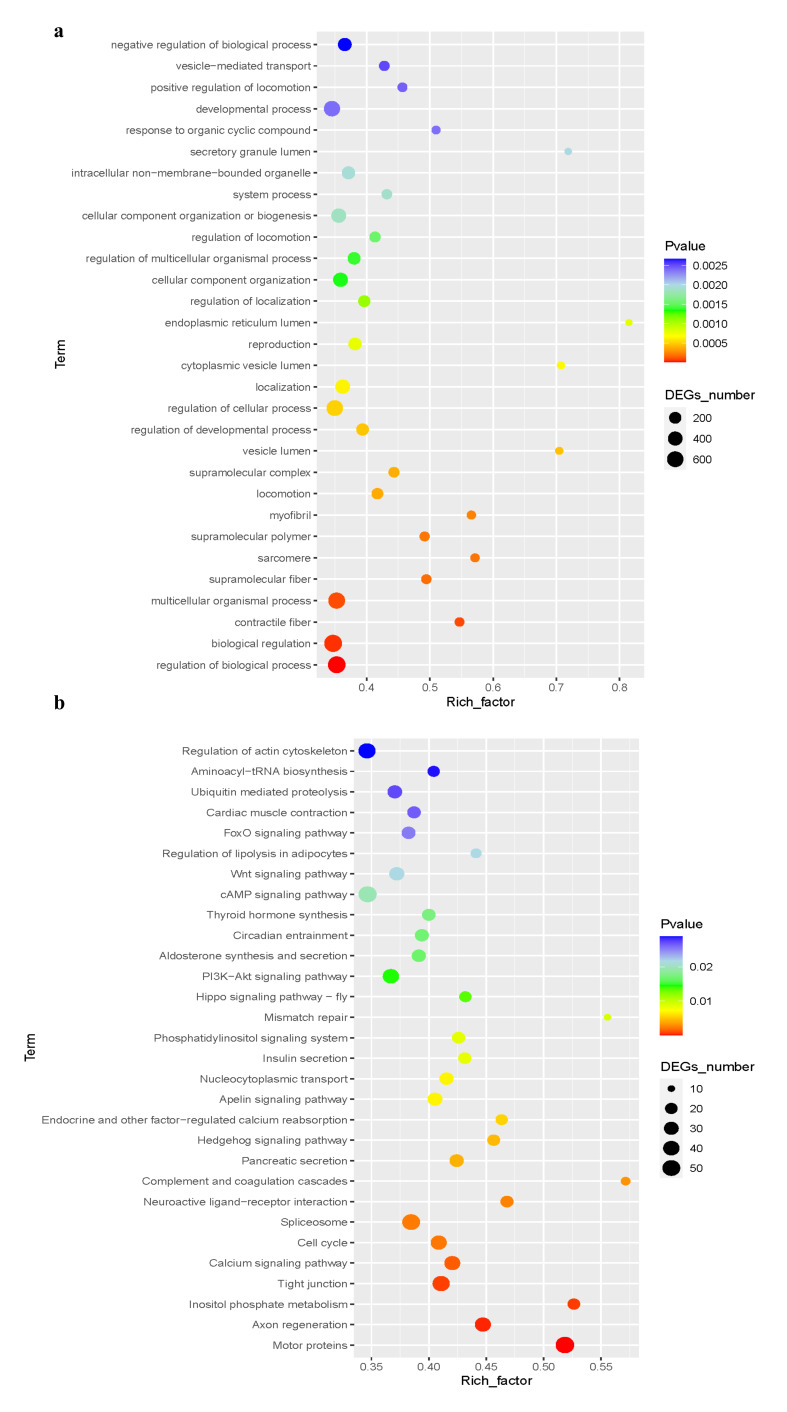 Figure 9
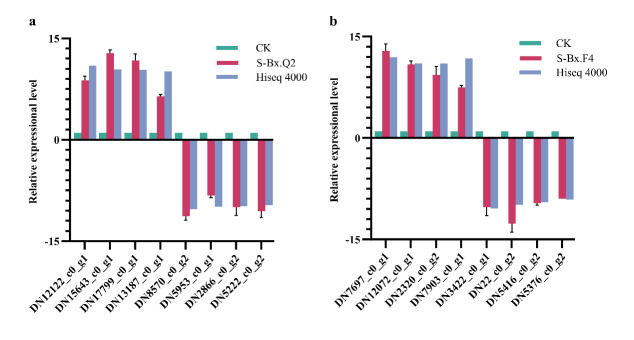 Figure 10
Peer Reviews
No public reviews on file for this paper yet. If you reviewed it on a platform where reviews are public (OpenReview, ICLR, NeurIPS, ICML), you can paste yours below so the community can read it here.
Videos
No videos yet. Explain this paper in a talk, walkthrough, or lecture? Add one.
Taxonomy
TopicsNematode management and characterization studies · Plant-Microbe Interactions and Immunity · Mycorrhizal Fungi and Plant Interactions