HS-Associated Pasteurella multocida Infection Disrupts Gut Microbiota and Metabolism in Mice
Kewei Li, Chao Jin, Haofang Yuan, Muhammad Farhan Rahim, Xire Luosong, Tianwu An, Jiakui Li

TL;DR
This study shows that a respiratory infection in mice caused by a bacterium linked to hemorrhagic septicemia disrupts gut microbes and metabolism, highlighting a gut-lung connection.
Contribution
The study reveals novel systemic effects of Pasteurella multocida infection on gut microbiota and tyrosine metabolism, emphasizing the gut–lung axis in septicemia.
Findings
Respiratory infection with P. multocida NQ01 caused gut microbiota dysbiosis and reduced microbial diversity.
Metabolomic analysis identified 1444 altered cecal metabolites, with significant disruption of tyrosine metabolism pathways.
Key tyrosine pathway metabolites like L-tyrosine and dopamine were dysregulated, indicating metabolic breakdown.
Abstract
Pasteurella multocida serotype B:2 is a primary agent of hemorrhagic septicemia (HS) in livestock, and the strain NQ01 isolated from yaks highlights its cross-species impact. In this study, a murine intranasal infection model was established using P. multocida NQ01 to assess how acute respiratory infection perturbs gut homeostasis. Mice were intranasally inoculated with NQ01, and at 36 h post-infection, ileal tissues and cecal contents were collected for histopathological examination, 16S rRNA gene sequencing, and untargeted metabolomic analysis. Histopathology revealed obvious acute bronchopneumonia but no overt ileal damage. However, 16S rRNA sequencing of cecal microbiota showed significant dysbiosis: microbial diversity was reduced and community composition shifted, including decreased short-chain fatty-acid-producing taxa and increased opportunistic genera. Metabolomic profiling…
Genes, proteins, chemicals, diseases, species, mutations and cell lines named across the full text — each resolved to its canonical identifier and authoritative record.
Click any figure to enlarge with its caption.
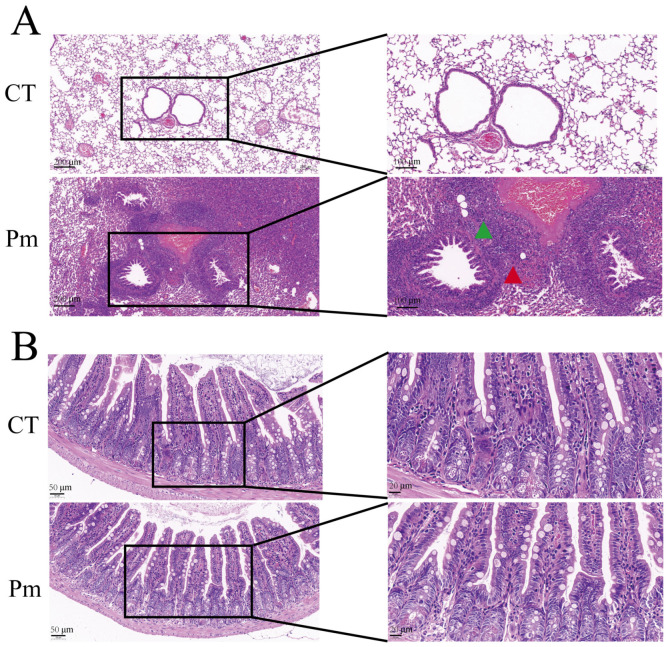 Figure 1
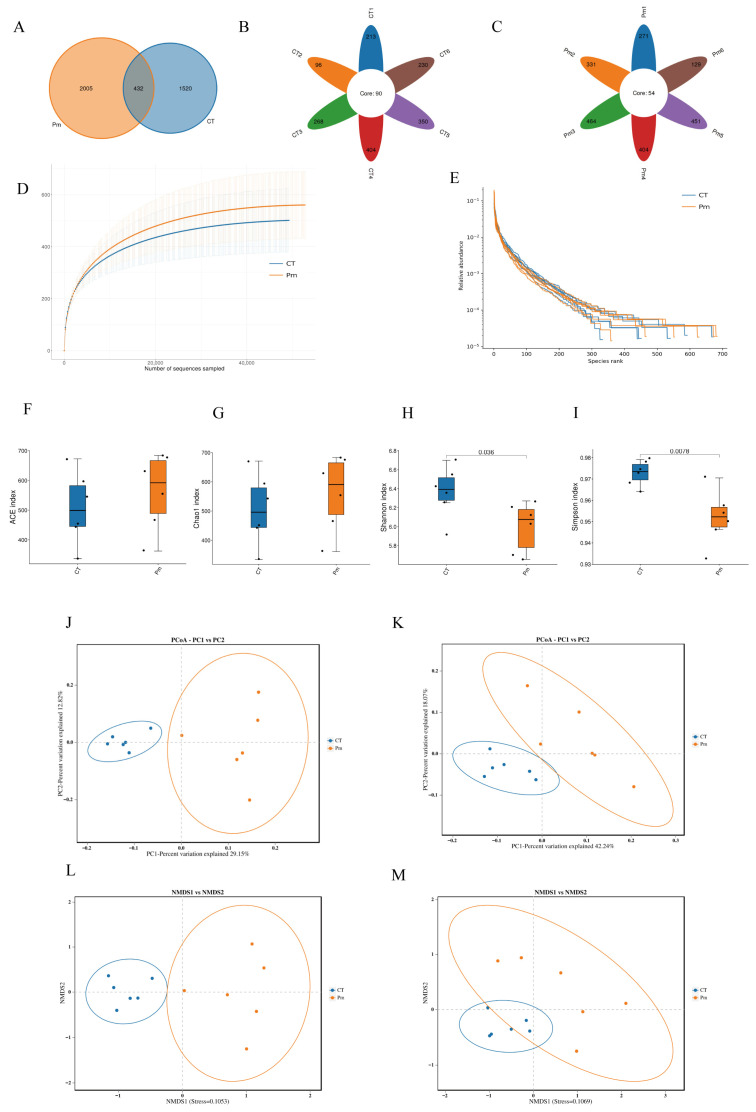 Figure 2
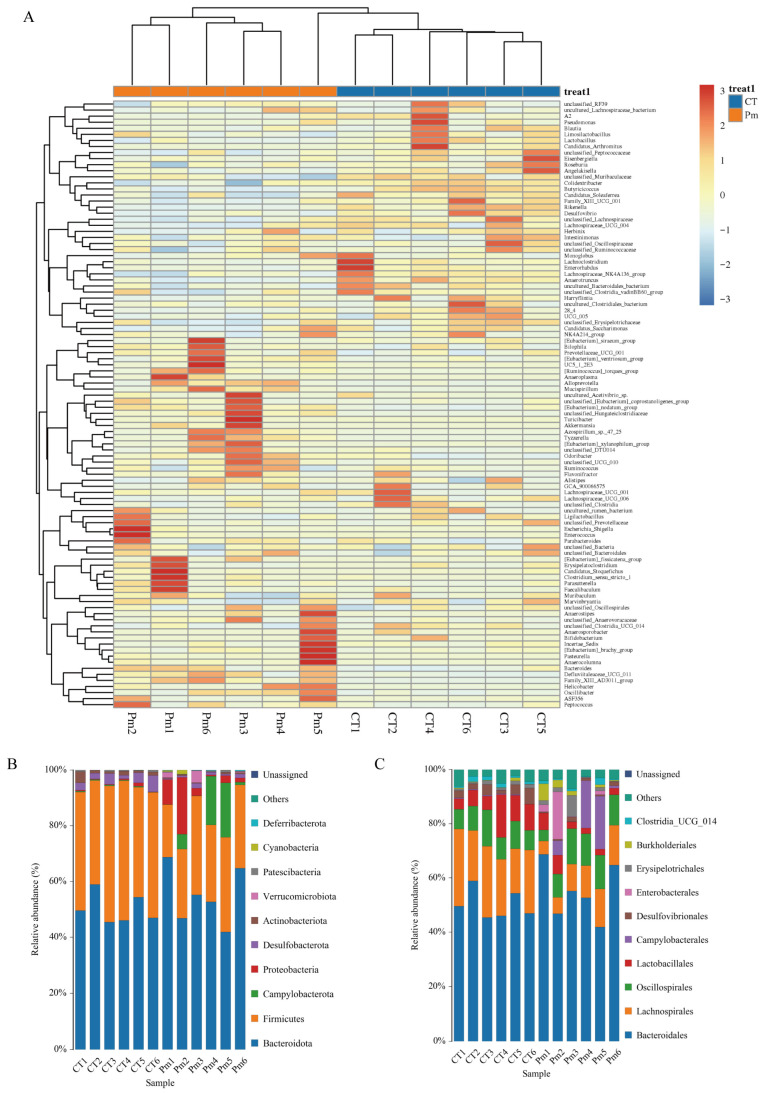 Figure 3
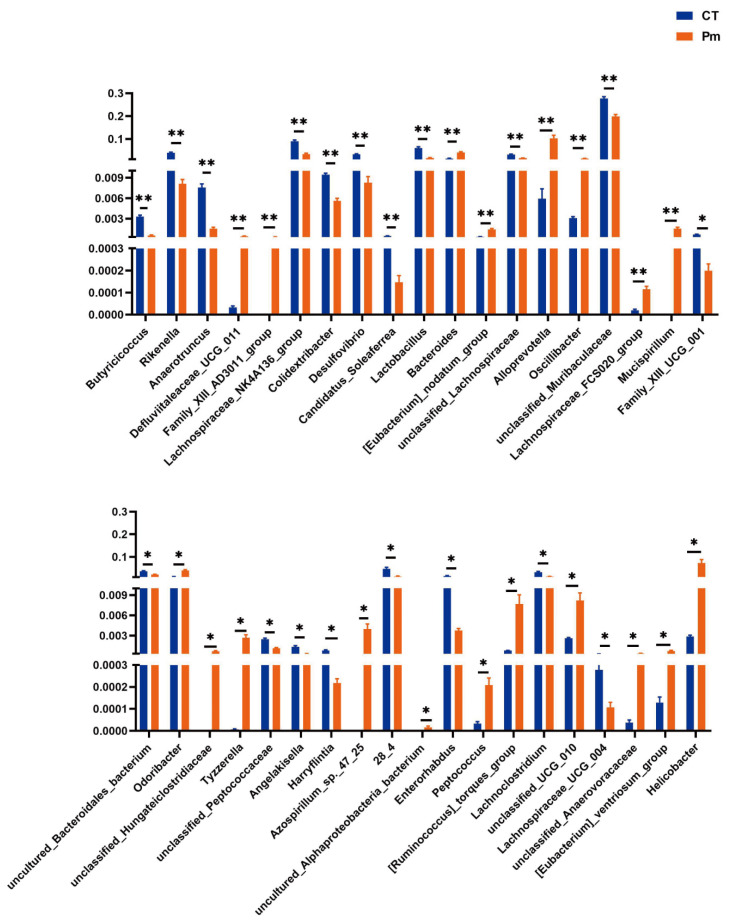 Figure 4
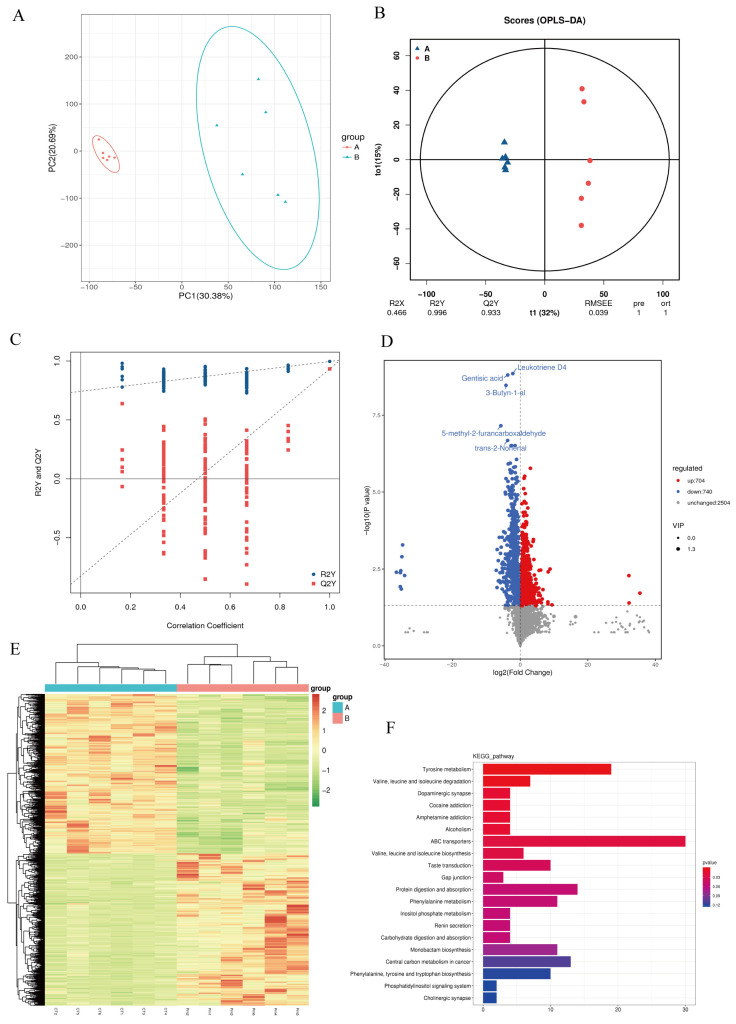 Figure 5
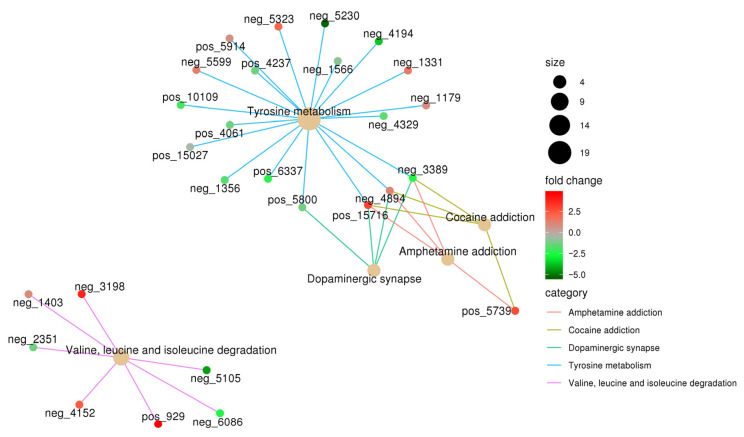 Figure 6
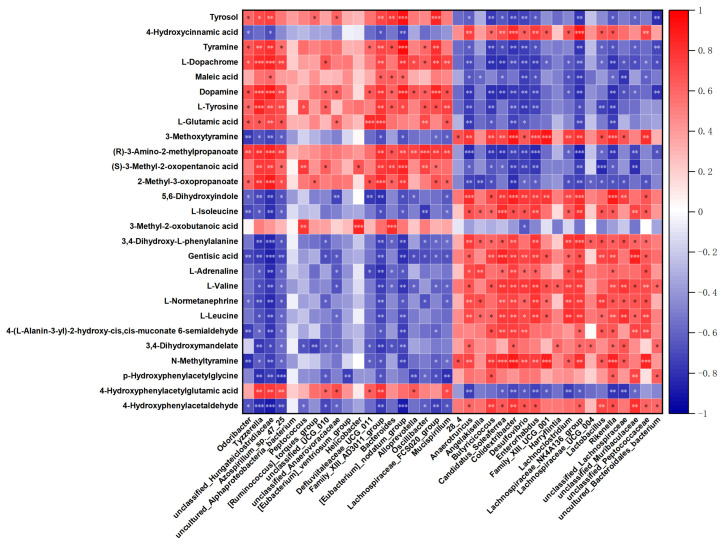 Figure 7
Peer Reviews
No public reviews on file for this paper yet. If you reviewed it on a platform where reviews are public (OpenReview, ICLR, NeurIPS, ICML), you can paste yours below so the community can read it here.
Videos
No videos yet. Explain this paper in a talk, walkthrough, or lecture? Add one.
Taxonomy
TopicsMicrobial infections and disease research · Aquaculture disease management and microbiota · Gut microbiota and health