Microstructure and Properties of Conventional Cast Versus Annular Laser-Clad Babbitt Alloy Layers for Sliding Bearings
Jing Jin, Jun Ye, Hao Xue, Yongli Xu, Zhongwai Guo, Zhenghong Zhou, Gaohuan Xu, Guobiao Wang

TL;DR
Laser cladding improves the microstructure and performance of Babbitt alloy layers used in sliding bearings compared to conventional casting.
Contribution
This study demonstrates the benefits of annular coaxial laser cladding for fabricating tin-based Babbitt alloys with refined microstructure and better tribological properties.
Findings
Laser cladding reduces grain size of SnSb phase from ~100 μm to 10-20 μm.
Tribological performance improves with a 38.19% decrease in friction coefficient and 10.46% reduction in wear volume.
Hardness increases from 25.3 HB to 27.6 HB with laser-clad Babbitt layers.
Abstract
Sliding bearing alloy layers must combine excellent tribological performance with reliable metallurgical bonding, but conventional fabrication methods often suffer from coarse grains, chemical segregation and poor interface adhesion. Annular coaxial laser wire-feed cladding, by providing more uniform heat input and rapid solidification, is expected to mitigate these deficiencies; however, systematic studies of this technique applied to tin-based Babbitt alloy layers remain limited. In this work, Babbitt layers produced by conventional casting and by annular coaxial laser wire-feed cladding were compared in terms of microstructure, phase constitution, hardness and tribological behavior. The results indicate that laser cladding can produce continuous, dense and well-bonded coatings and markedly refine the SnSb phase, reducing grain size from approximately 100 μm in the cast material to…
Genes, proteins, chemicals, diseases, species, mutations and cell lines named across the full text — each resolved to its canonical identifier and authoritative record.
Click any figure to enlarge with its caption.
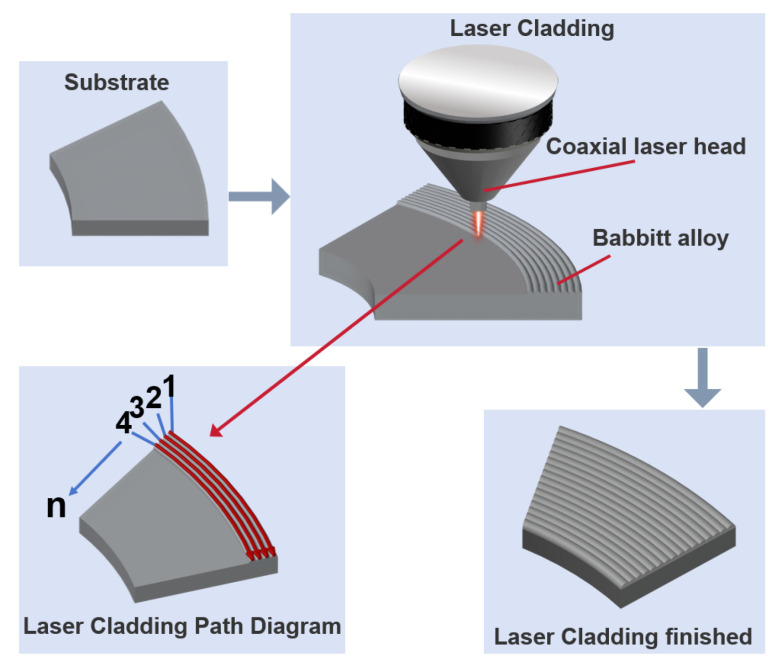 Figure 1
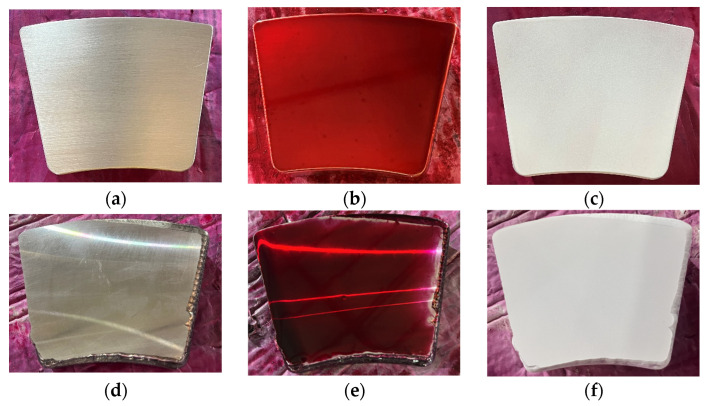 Figure 2
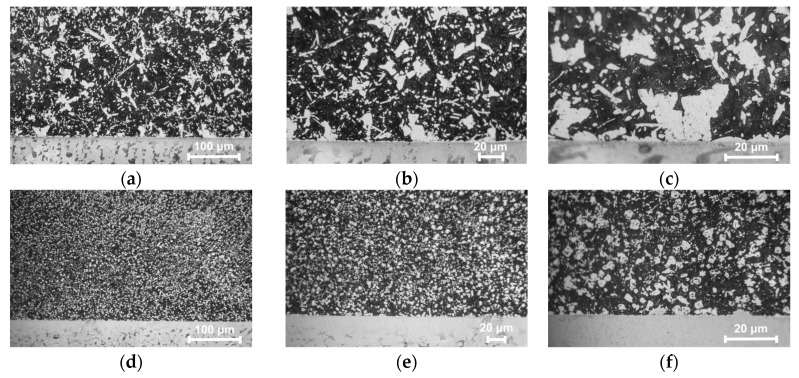 Figure 3
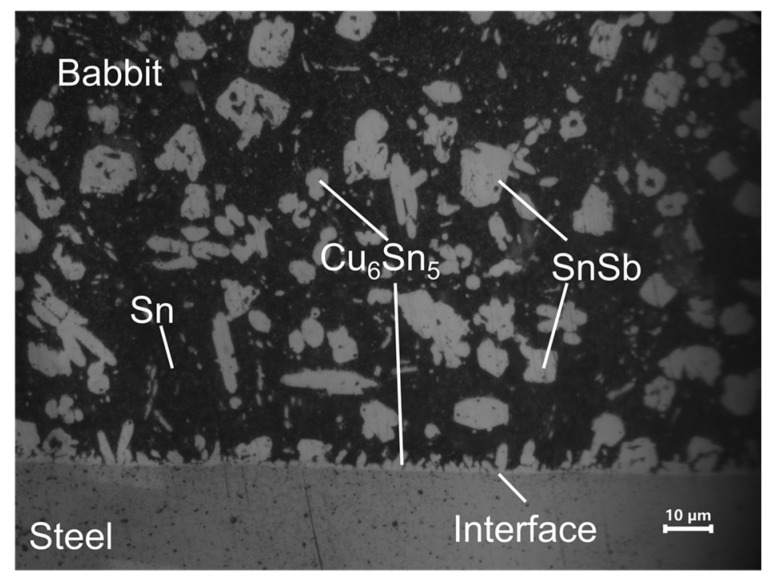 Figure 4
 Figure 5
 Figure 6
 Figure 7
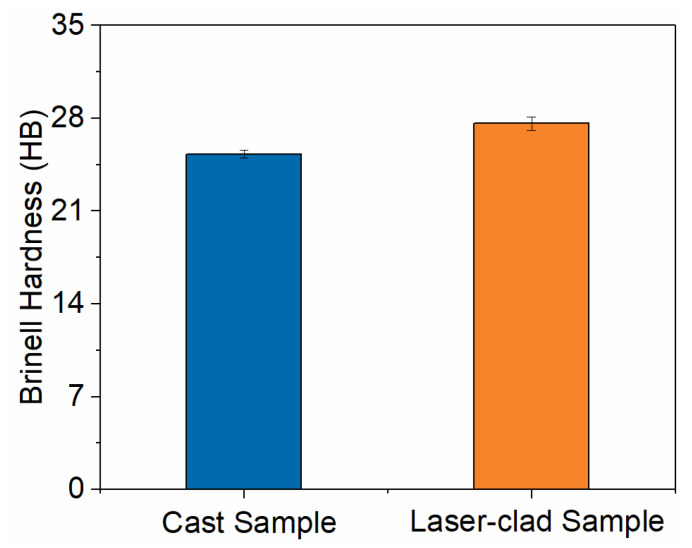 Figure 8
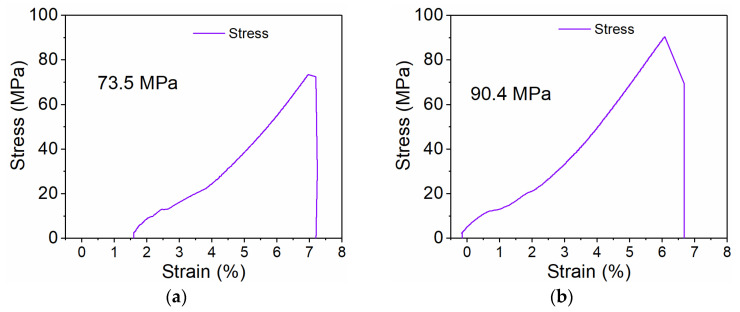 Figure 9
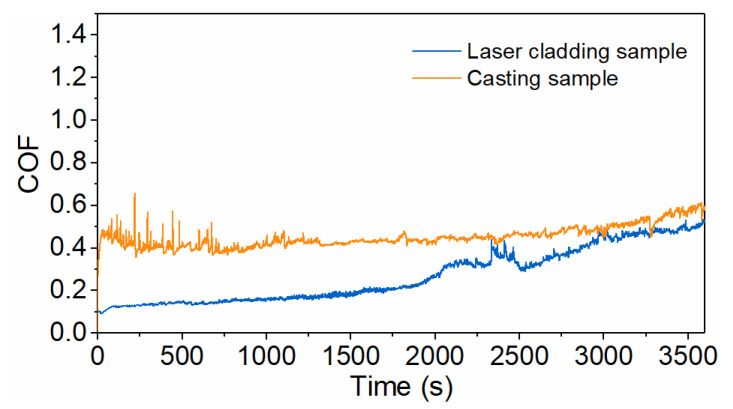 Figure 10
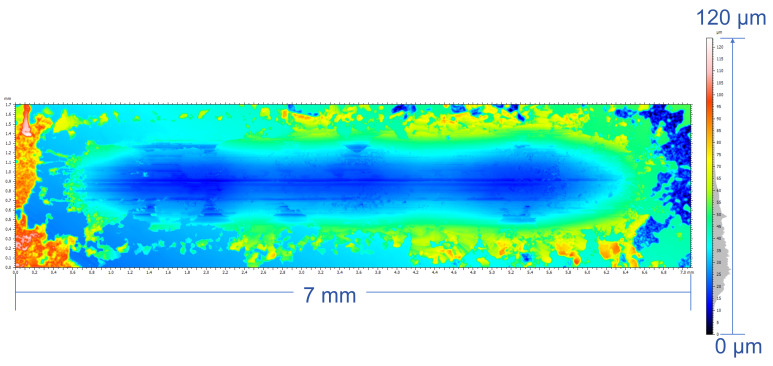 Figure 11
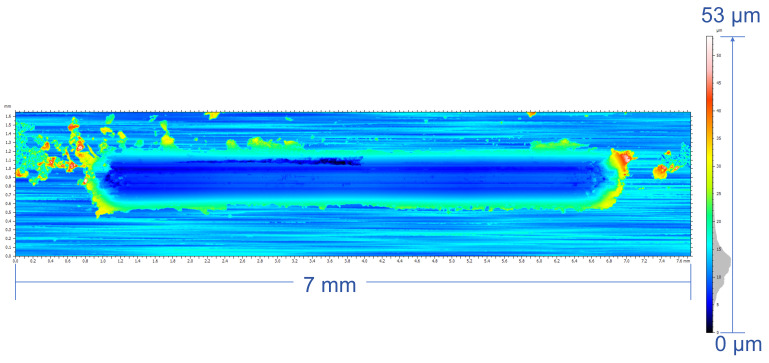 Figure 12
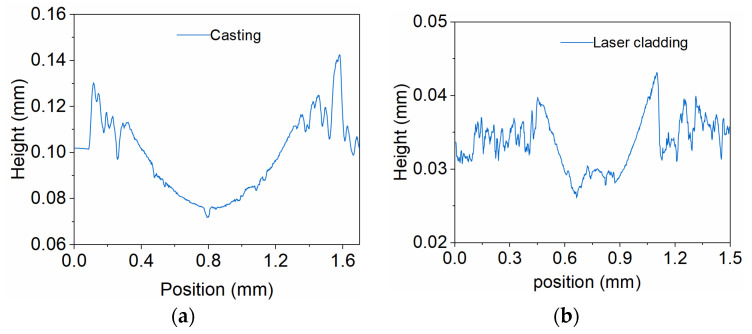 Figure 13
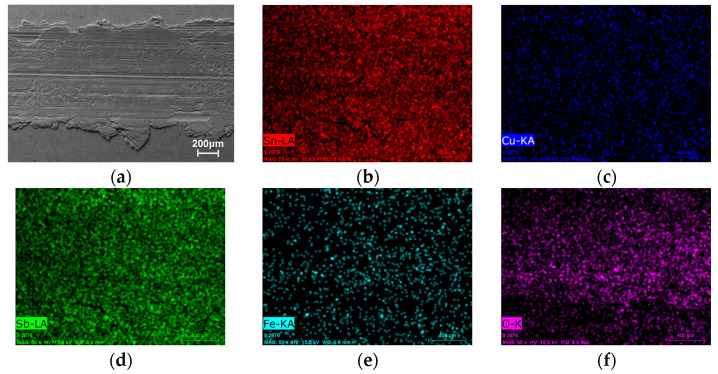 Figure 14
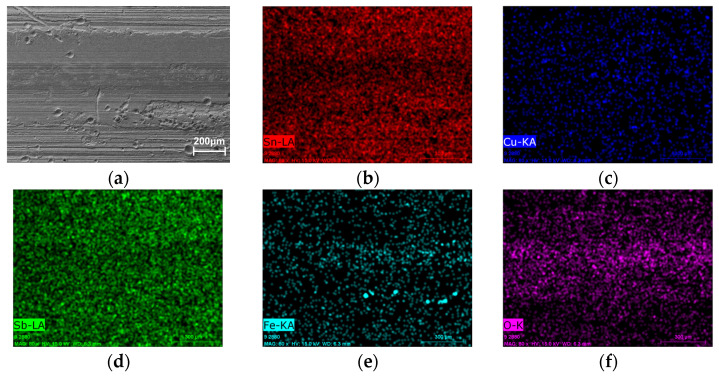 Figure 15
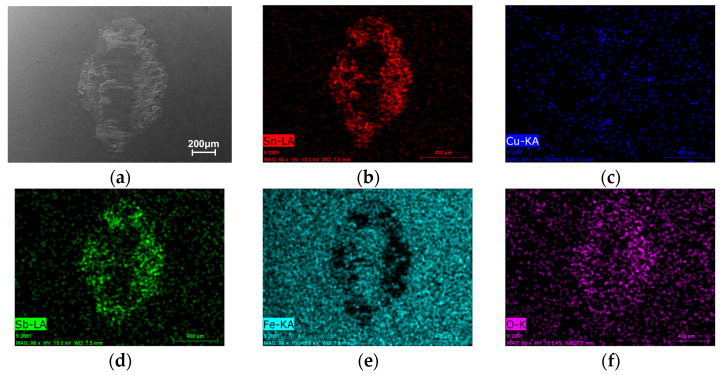 Figure 16
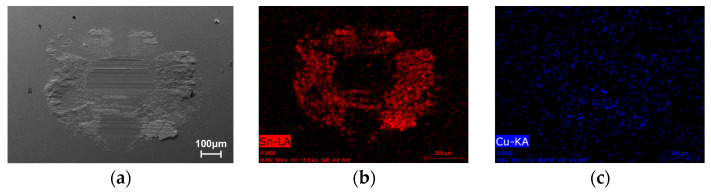 Figure 17
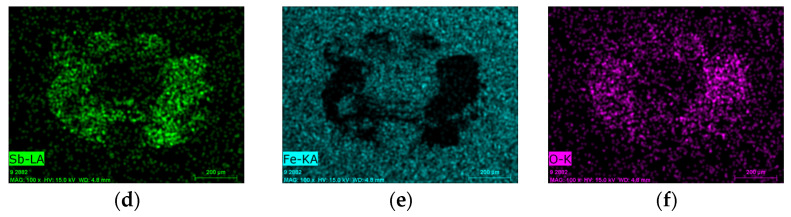 Figure 18
Peer Reviews
No public reviews on file for this paper yet. If you reviewed it on a platform where reviews are public (OpenReview, ICLR, NeurIPS, ICML), you can paste yours below so the community can read it here.
Videos
No videos yet. Explain this paper in a talk, walkthrough, or lecture? Add one.
Taxonomy
TopicsHigh Entropy Alloys Studies · Intermetallics and Advanced Alloy Properties · Brake Systems and Friction Analysis