Estimating Postmortem Interval of Buried Pig Carcasses by Integrating Microbial Succession Patterns with Machine Learning Algorithms
Ting Yang, Xudong Chen, Qihua Xie, Jifeng Cai

TL;DR
This study uses microbial changes in buried pig carcasses and machine learning to estimate time since death, showing promising accuracy.
Contribution
The novel integration of microbial succession patterns in buried remains with machine learning for PMI estimation is presented.
Findings
Buried carcasses decomposed more slowly than surface carcasses.
Microbial community shifts in buried carcasses mirrored surface patterns during decomposition.
Random Forest models achieved PMI estimation with a mean absolute error of less than 5.5 days.
Abstract
Microbial succession serves as a promising tool for estimating the postmortem interval (PMI). However, the patterns of microbial succession in burial scenarios require further exploration. This study established a pig carcass model, including buried and surface (control) groups, to investigate this. Using 16S ribosomal RNA (16S rRNA) gene sequencing, we analyzed microbial community changes and their differences across various decomposition stages. Results indicated that the decomposition rate of buried carcasses was slower than that of surface carcasses. Following the early decomposition stages, the alpha diversity of skin and underlying soil samples from buried carcasses decreased, a trend similar to that observed in the surface group. A significant shift in bacterial communities occurred in the buried group during abdominal rupture, mirroring the pattern in the surface group. At the…
Genes, proteins, chemicals, diseases, species, mutations and cell lines named across the full text — each resolved to its canonical identifier and authoritative record.
Click any figure to enlarge with its caption.
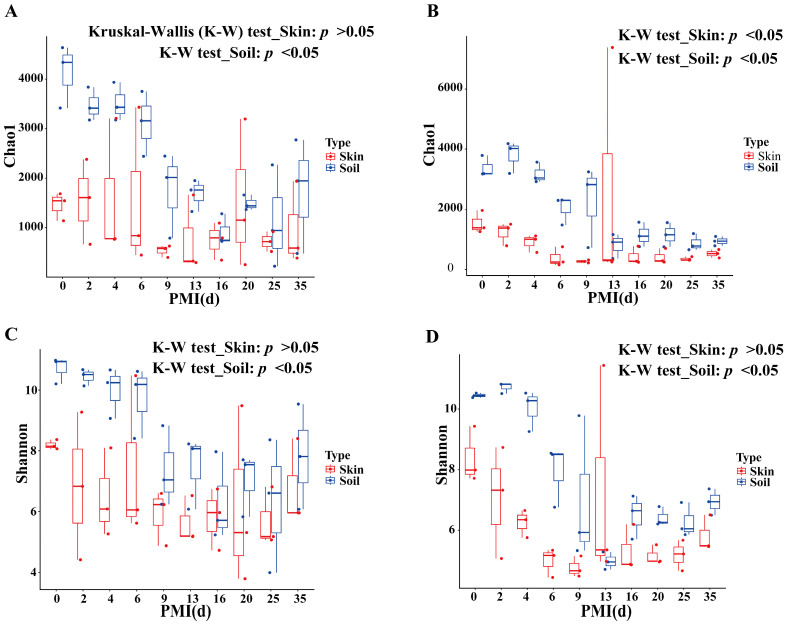 Figure 1
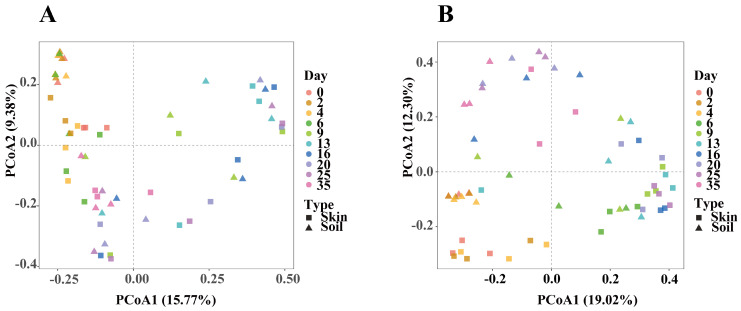 Figure 2
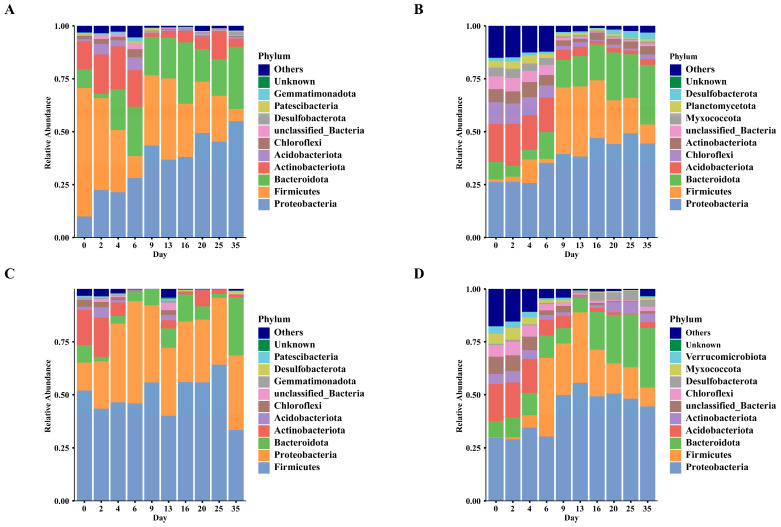 Figure 3
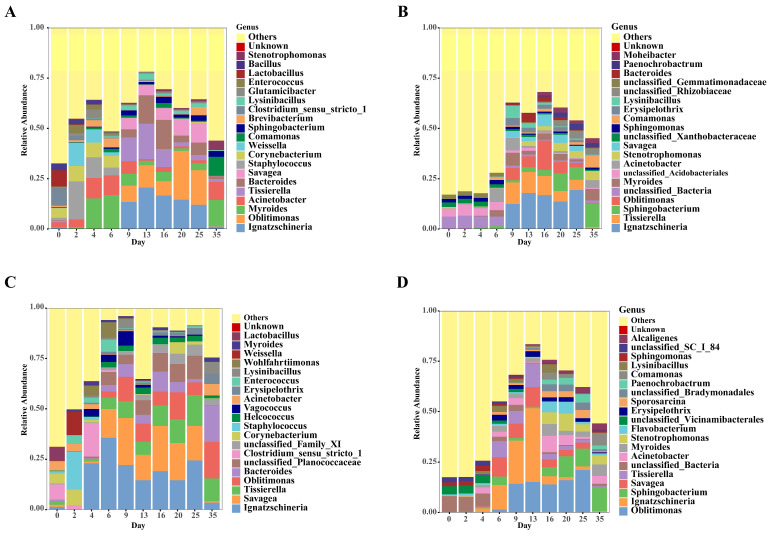 Figure 4
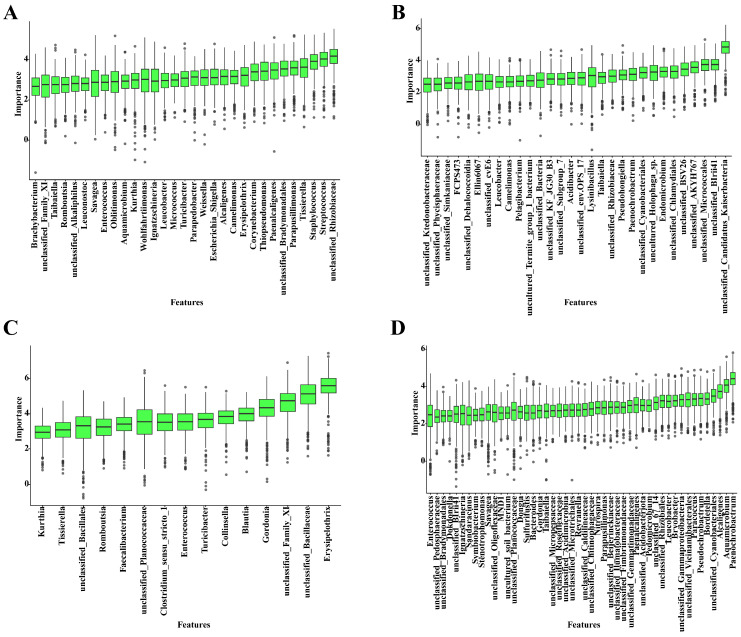 Figure 5
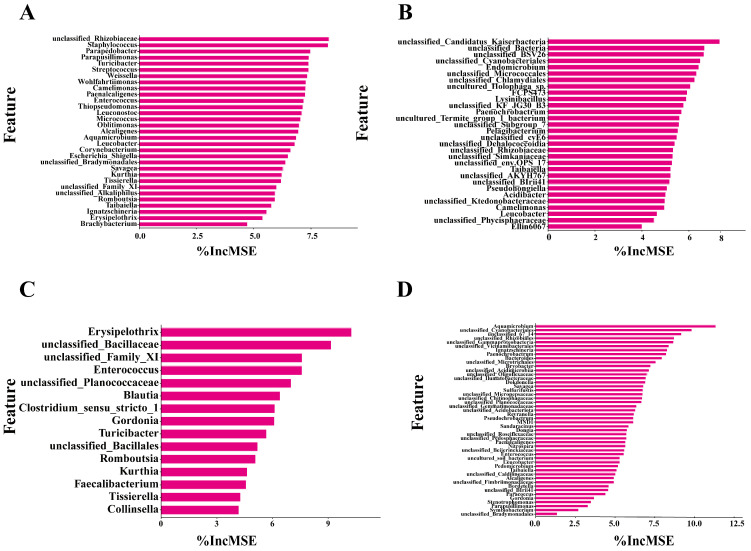 Figure 6
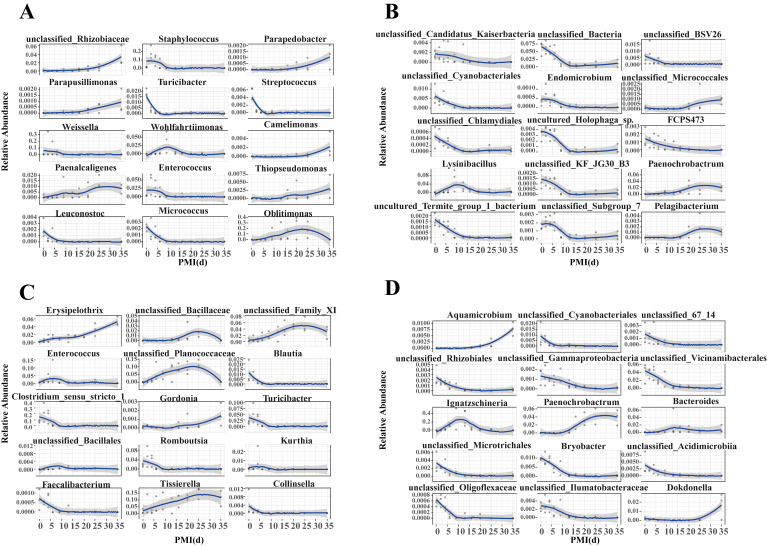 Figure 7
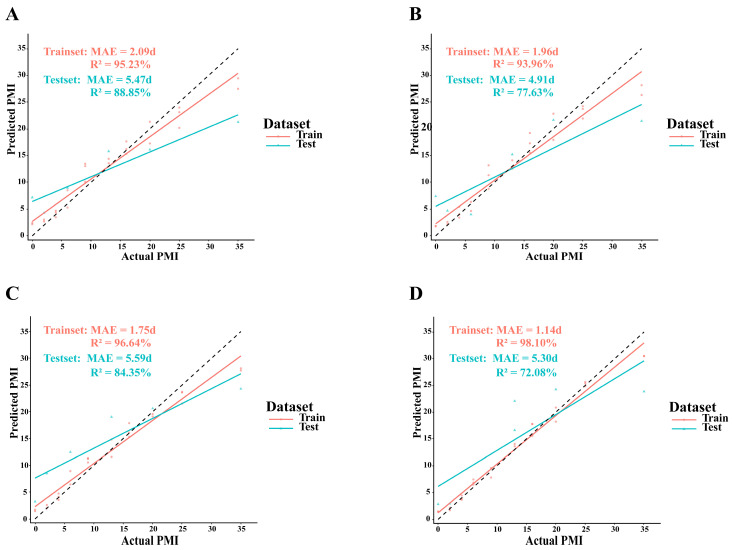 Figure 8
Peer Reviews
No public reviews on file for this paper yet. If you reviewed it on a platform where reviews are public (OpenReview, ICLR, NeurIPS, ICML), you can paste yours below so the community can read it here.
Videos
No videos yet. Explain this paper in a talk, walkthrough, or lecture? Add one.
Taxonomy
TopicsForensic Entomology and Diptera Studies · Forensic Anthropology and Bioarchaeology Studies · Paleopathology and ancient diseases