Quality Evaluation and Antioxidant Activity of Cultivated Gentiana siphonantha: An Ethnic Medicine from the Tibetan Plateau
Jiamin Li, Liyan Zang, Xiaoming Song, Zixuan Liu, Hongmei Li, Jing Sun

TL;DR
This study evaluates the quality and antioxidant activity of cultivated Gentiana siphonantha, a Tibetan medicinal plant, to determine optimal cultivation age and harvest time.
Contribution
The study identifies optimal cultivation age and harvest time for G. siphonantha based on iridoid glycoside content and antioxidant activity.
Findings
Three-year-old cultivated G. siphonantha roots have the highest total iridoid glycoside content (134.60 mg·g−1 DW).
Peak glycoside accumulation occurs in four-year-old plants harvested in June–July, identified as the optimal harvest time.
Antioxidant activity increases with cultivation age and is positively correlated with iridoid glycoside content, especially with FRAP.
Abstract
Gentiana species are widely used in traditional and modern medicine, and Gentiana siphonantha is an important medicinal representative. To evaluate the quality characteristics of cultivated G. siphonantha roots, the accumulation patterns of iridoid glycosides and antioxidant activities across different cultivation ages and harvest months were investigated. Five major iridoid glycosides were quantified, and antioxidant capacity was assessed through DPPH, ABTS, and FRAP assays. Quality was subsequently multidimensionally evaluated using principal component analysis (PCA), orthogonal partial least squares–discriminant analysis (OPLS-DA), membership function analysis, and entropy weight–TOPSIS analysis, and the relationship between iridoid glycoside content and antioxidant activity was analyzed. Results showed that 3-year-old cultivated roots had the highest total iridoid glycoside content…
Genes, proteins, chemicals, diseases, species, mutations and cell lines named across the full text — each resolved to its canonical identifier and authoritative record.
Click any figure to enlarge with its caption.
 Figure 1
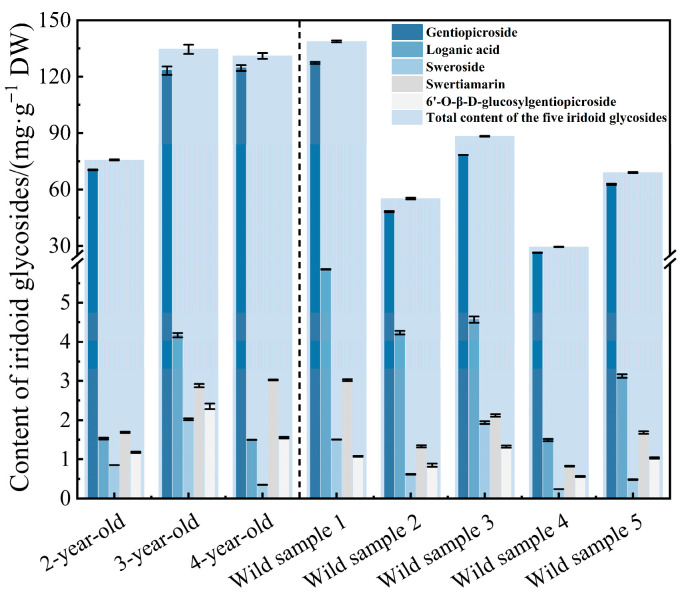 Figure 2
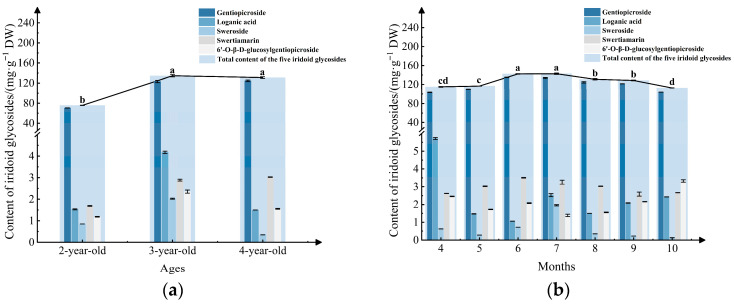 Figure 3
 Figure 4
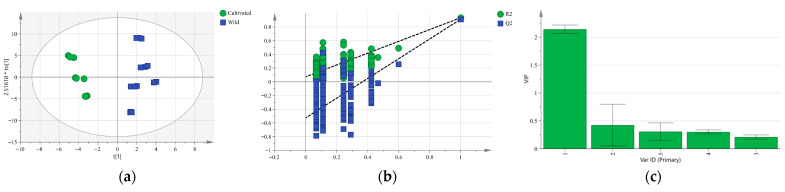 Figure 5
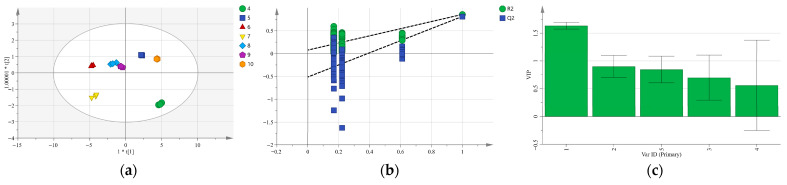 Figure 6
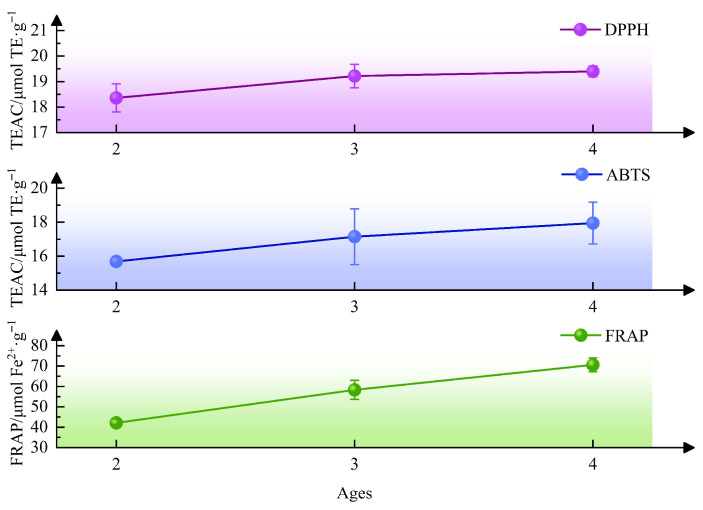 Figure 7
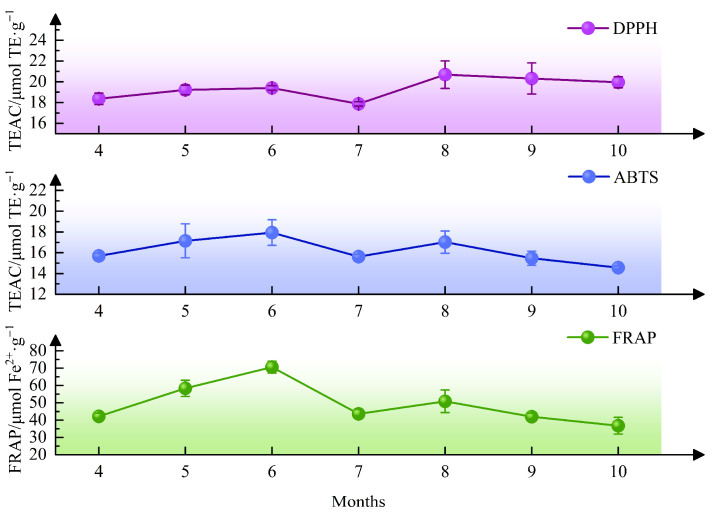 Figure 8
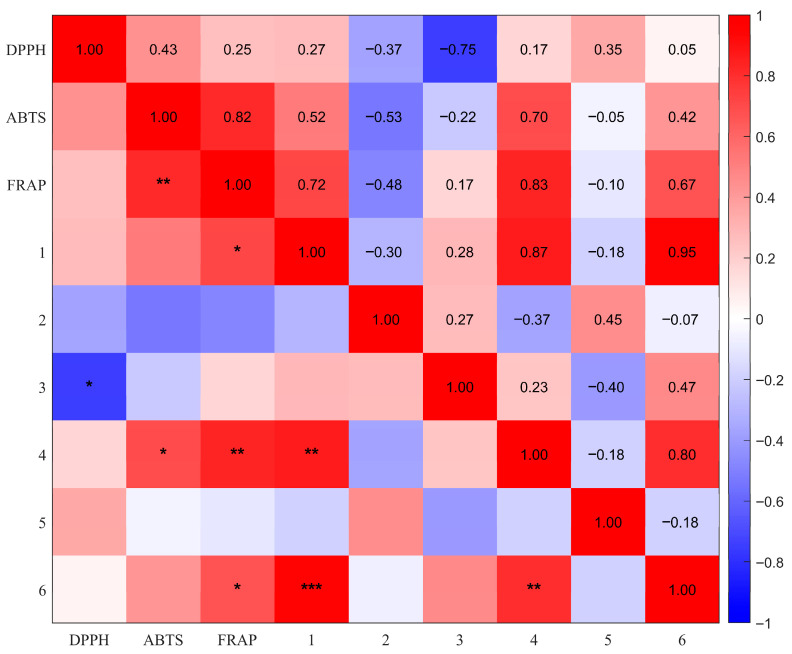 Figure 9
Peer Reviews
No public reviews on file for this paper yet. If you reviewed it on a platform where reviews are public (OpenReview, ICLR, NeurIPS, ICML), you can paste yours below so the community can read it here.
Videos
No videos yet. Explain this paper in a talk, walkthrough, or lecture? Add one.
Taxonomy
TopicsPhytochemistry and Biological Activities · Phytochemicals and Antioxidant Activities · Essential Oils and Antimicrobial Activity