Kinetics and Potential Mechanisms of LDPE and PBAT Microplastics Biodeterioration by Soil Bacteria Bacillus cereus L6
Jiayang Hu, Tianyu Liu, Jinpeng Zhang, Yong Yu, Jincai Ma, Yanjun Li

TL;DR
A soil bacterium, Bacillus cereus L6, can degrade LDPE and PBAT microplastics, causing physical and chemical changes that suggest potential environmental cleanup applications.
Contribution
Identification of a soil bacterium capable of degrading LDPE and PBAT microplastics with insights into its potential enzymatic mechanisms.
Findings
Bacillus cereus L6 caused a 0.99% mass loss of LDPE-MPs and 3.58% mass loss of PBAT-MPs over 28 days.
Degradation of LDPE and PBAT by Bacillus cereus L6 resulted in surface wrinkling, cracking, and increased roughness.
Genomic analysis revealed potential oxygenase and lyase genes linked to microplastic degradation in Bacillus cereus L6.
Abstract
Low-density polyethylene (LDPE) and poly (butylene adipate-co-terephthalate) (PBAT) agricultural films are major components of microplastics (MPs) and their contamination in agriculture due to their difficulty to recycle. However, potential degradation mechanisms of MPs from LDPE and PBAT in agricultural soils are still unclear. Here, we isolated a strain of Bacillus cereus L6 from long-term agricultural MP-contaminated soil and analyzed its potential biochemical pathways involved in LDPE and PBAT turnover through functional prediction from shotgun genome sequencing. After 28 days of incubation with MPs, Bacillus cereus L6 caused a net mass loss of 0.99% LDPE-MPs/28 days and 3.58% PBAT-MPs/28 days. The surfaces of LDPE and PBAT degraded in bioassays added with Bacillus cereus L6 showed wrinkles, cracks, and pits, accompanied by an increase in roughness. The crystallinity and thermal…
Genes, proteins, chemicals, diseases, species, mutations and cell lines named across the full text — each resolved to its canonical identifier and authoritative record.
Click any figure to enlarge with its caption.
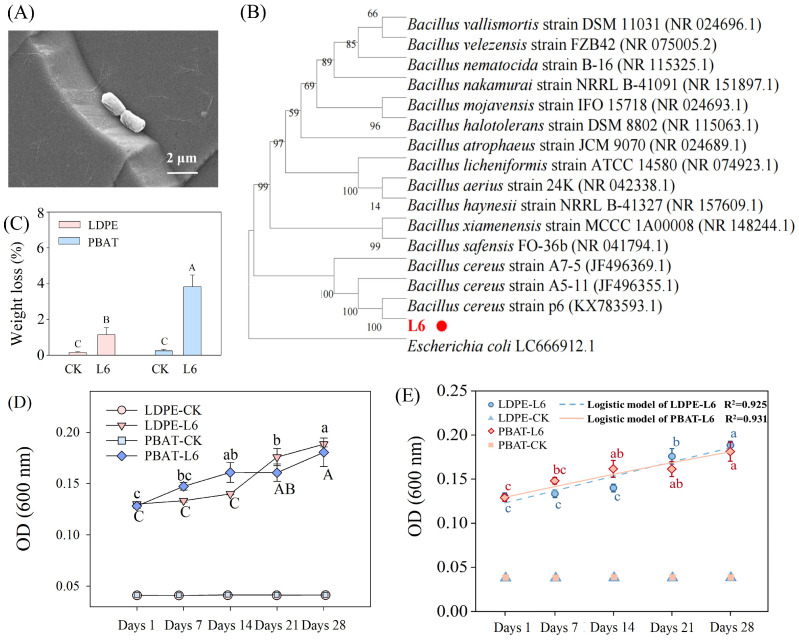 Figure 1
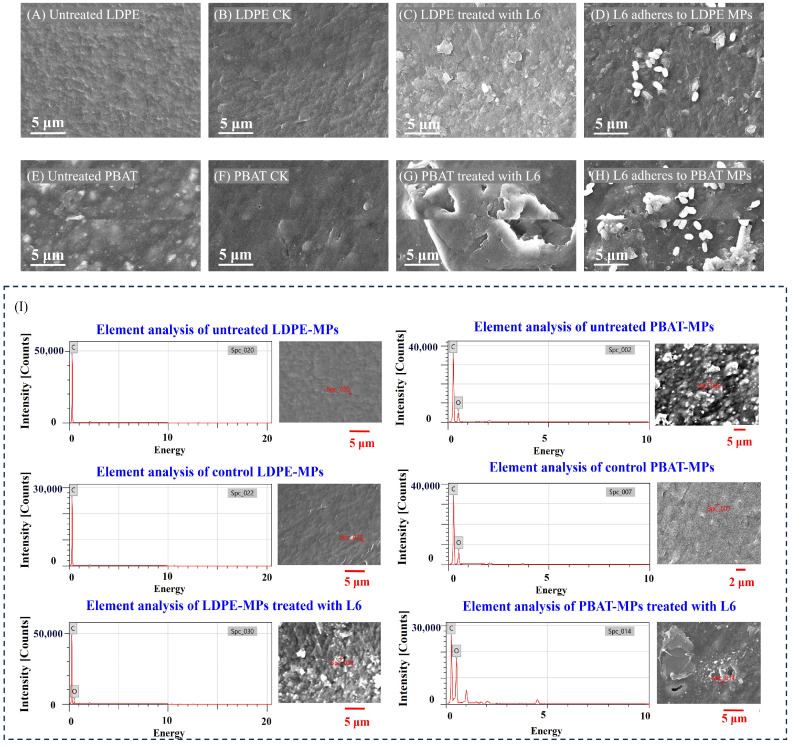 Figure 2
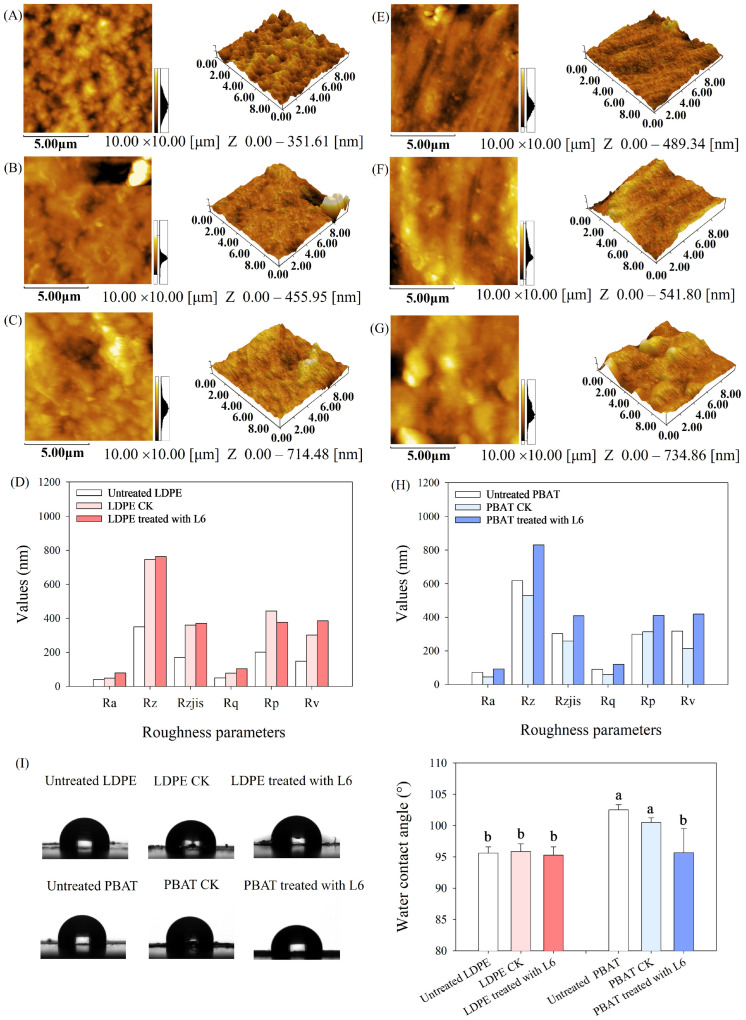 Figure 3
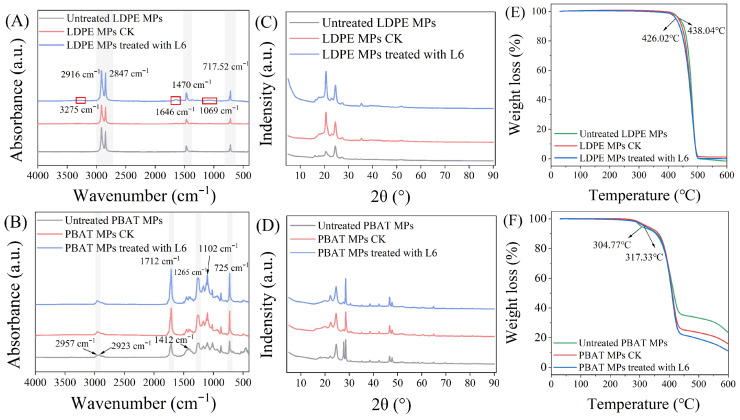 Figure 4
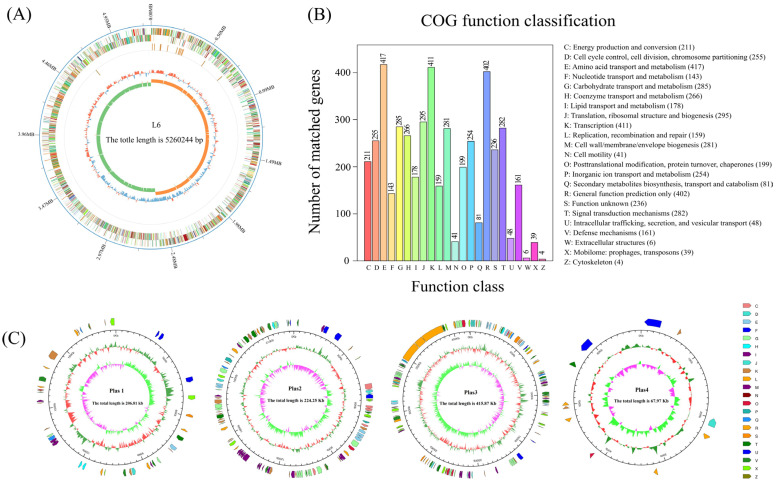 Figure 5
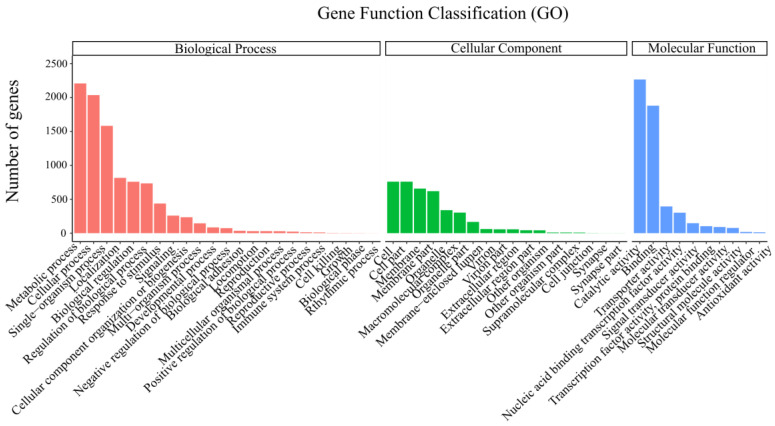 Figure 6
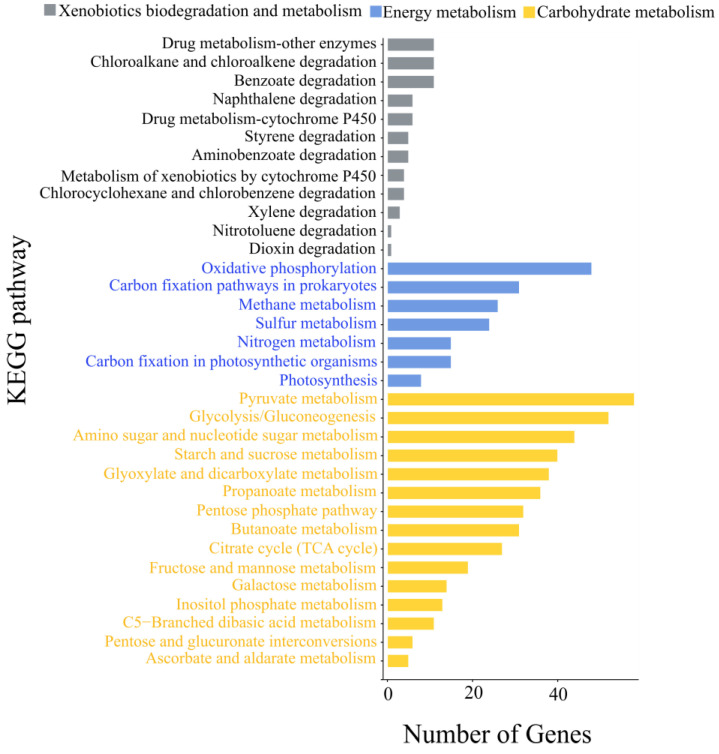 Figure 7
Peer Reviews
No public reviews on file for this paper yet. If you reviewed it on a platform where reviews are public (OpenReview, ICLR, NeurIPS, ICML), you can paste yours below so the community can read it here.
Videos
No videos yet. Explain this paper in a talk, walkthrough, or lecture? Add one.
Taxonomy
TopicsMicroplastics and Plastic Pollution · biodegradable polymer synthesis and properties · Polymer crystallization and properties