Analysis of Intestinal Microbiota Differences and Functional Prediction Between Sichuan-Tibetan Black Pigs and Landrace Pigs
Lichun Jiang, Yi Qing, Kaiyuan Huang, Huiling Huang, Chengmin Li, Yanci Li

TL;DR
This study compares gut microbiota differences and functions between two pig breeds under the same conditions, revealing distinct microbial communities and metabolic profiles.
Contribution
The study identifies specific gut microbiota differences and functional predictions between Sichuan-Tibetan black pigs and Landrace pigs under identical rearing.
Findings
Sichuan-Tibetan black pigs showed higher abundance of Escherichia-Shigella, Streptococcus, Prevotella, Parabacteroides, and Collinsella.
Landrace pigs were enriched in Bacteroides and showed enhanced carbon and energy metabolism pathways.
Functional predictions revealed breed-specific differences in stress tolerance, cell wall properties, and oxygen utilization.
Abstract
This study aimed to investigate the structural differences and functional potential of the gut microbiota between Sichuan-Tibetan black pigs (n = 5) and Landrace pigs (n = 5) under identical rearing conditions. Fecal samples were collected and subjected to 16S rRNA gene sequencing followed by comprehensive bioinformatics analysis. The results revealed 963 and 910 operational taxonomic units (OTUs) in Sichuan-Tibetan black pigs and Landrace pigs, respectively, with 808 OTUs shared between the two breeds. While both breeds shared Firmicutes, Bacteroidota, and Proteobacteria as the dominant phyla, significant compositional differences were observed at the genus level. Sichuan-Tibetan black pigs exhibited higher abundance of Escherichia-Shigella, Streptococcus, Prevotella, Parabacteroides, and Collinsella, whereas Landrace pigs were enriched in Bacteroides. Alpha diversity analysis showed…
Genes, proteins, chemicals, diseases, species, mutations and cell lines named across the full text — each resolved to its canonical identifier and authoritative record.
Click any figure to enlarge with its caption.
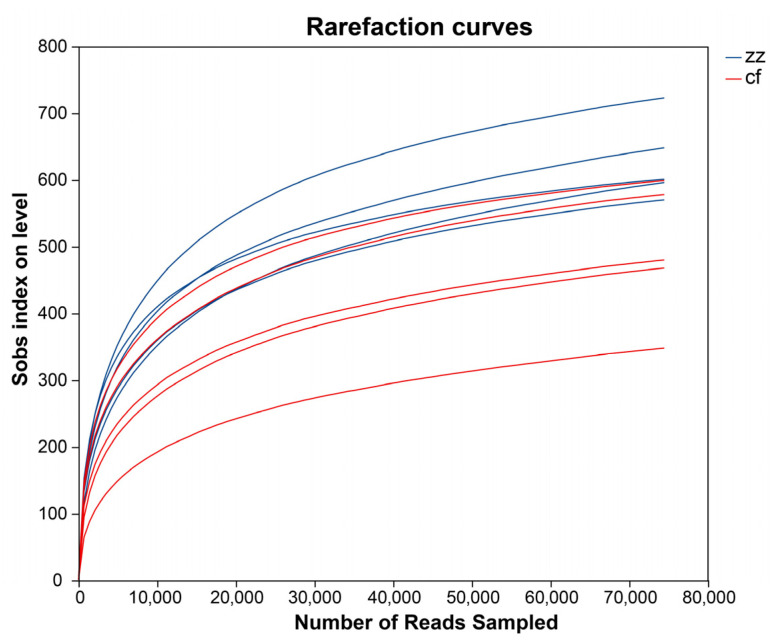 Figure 1
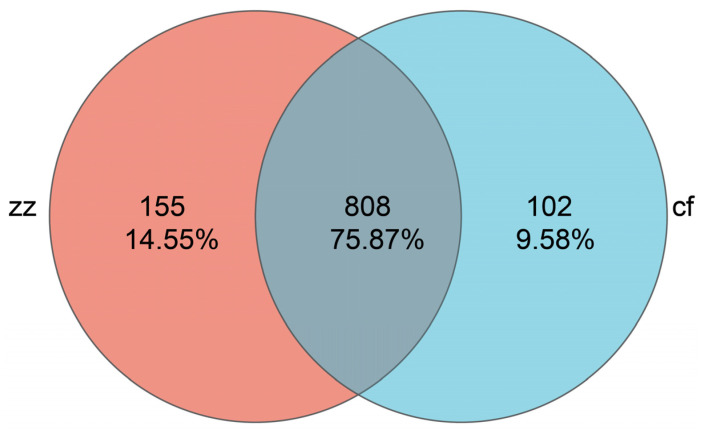 Figure 2
 Figure 3
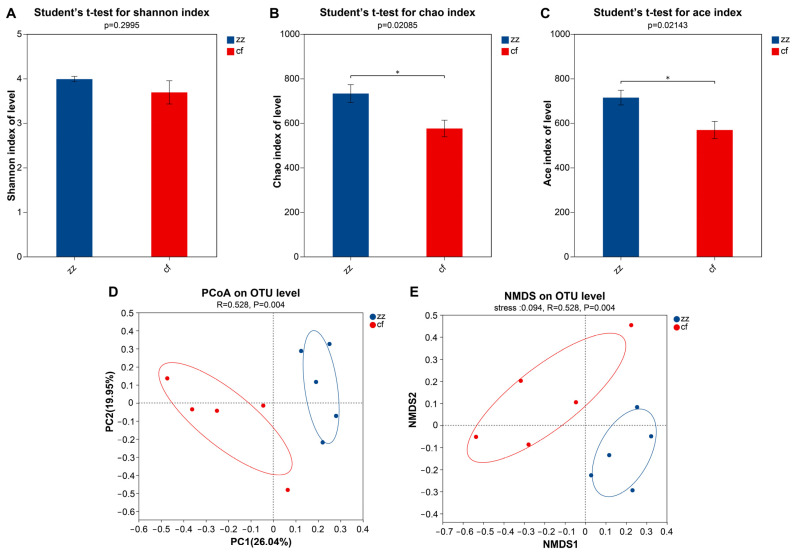 Figure 4
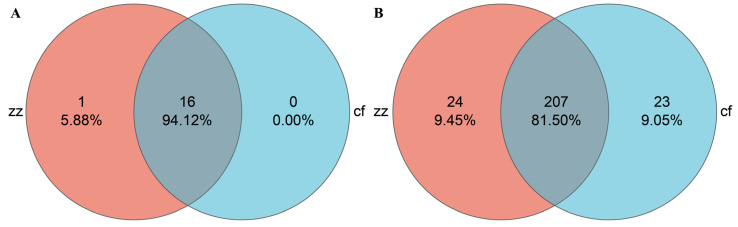 Figure 5
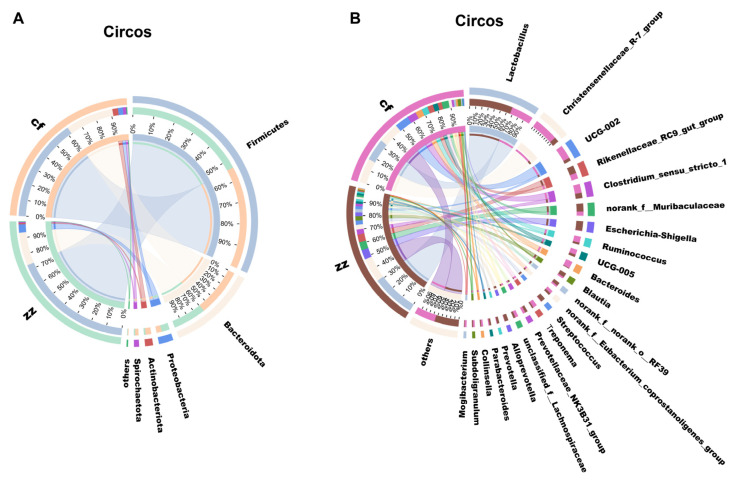 Figure 6
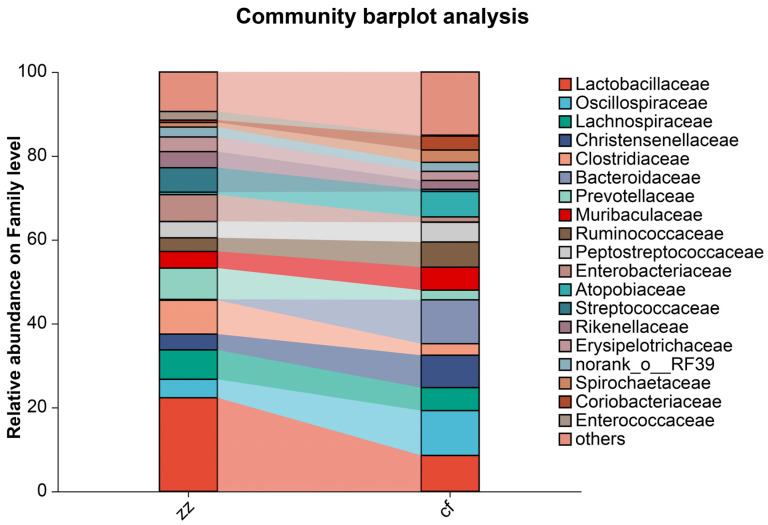 Figure 7
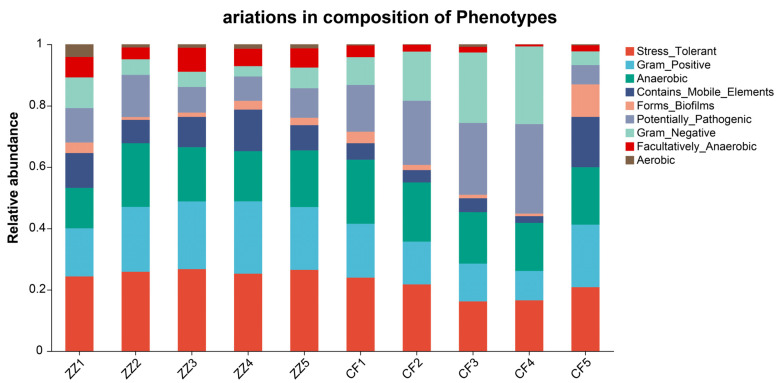 Figure 8
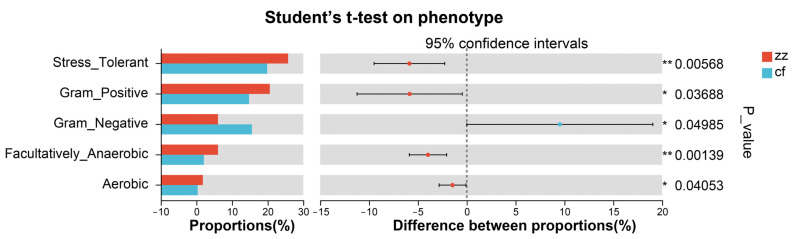 Figure 9
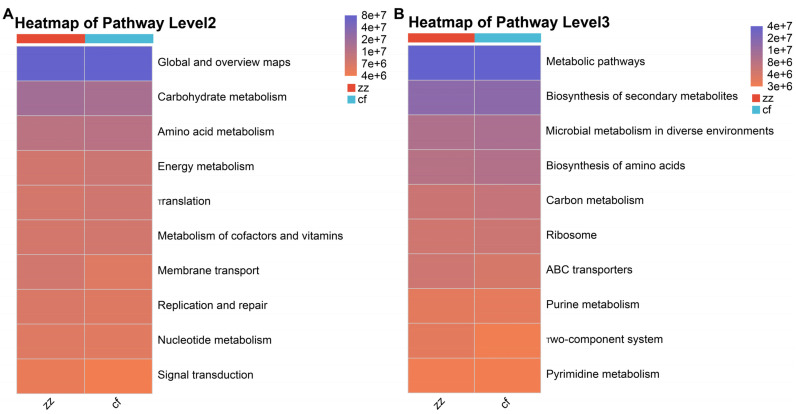 Figure 10
Peer Reviews
No public reviews on file for this paper yet. If you reviewed it on a platform where reviews are public (OpenReview, ICLR, NeurIPS, ICML), you can paste yours below so the community can read it here.
Videos
No videos yet. Explain this paper in a talk, walkthrough, or lecture? Add one.
Taxonomy
TopicsGut microbiota and health · Animal Nutrition and Physiology · Clostridium difficile and Clostridium perfringens research