Streambed Microbial Activity and Its Spatial Distribution in Two Intermittent Stream Networks
Andrielle L. Kemajou Tchamba, Charles T. Bond, Brett A. Nave, Claire Utzman, Jerald Ibal, Delaney M. Peterson, C. Nathan Jones, Carla L. Atkinson, Erin C. Seybold, Robert J. Ramos, Amy J. Burgin, Lydia H. Zeglin, Yaqi You, Ken Aho, Kevin A. Kuehn, Colin R. Jackson

TL;DR
This study explores how microbial activity varies in different parts of two intermittent streams, showing how drying and rewetting affect organic matter and nutrient cycling.
Contribution
The study reveals spatial patterns of microbial enzyme activity and stoichiometric limitations in intermittent streams under different environmental conditions.
Findings
Microbial activity was higher in Gibson Jack Creek compared to Pendergrass Creek.
Enzyme activity in leaf litter varied along the stream network in Gibson Jack Creek.
Microbial activity in both streams was primarily limited by carbon and phosphorus.
Abstract
Headwater streams comprise almost 90% of global river networks, and their microorganisms play critical roles in organic matter decomposition and nutrient cycling. These functions, however, are affected by recurrent drying and rewetting. This study examined spatial variation in microbial enzyme activity tied to organic carbon degradation (β-glucosidase, phenol oxidase, and peroxidase) and nitrogen (N-acetylglucosaminidase) and phosphorus (phosphatase) mineralization in water, epilithic biofilm, leaf litter, and sediment in two intermittent streams: Gibson Jack Creek (Idaho, USA) and Pendergrass Creek (Alabama, USA), representing different climactic and physiographic settings. Microbial activity was greater in Gibson Jack Creek, where the activity of leaf litter enzymes varied along the stream network, and there were strong correlations in microbial activity between different stream…
Genes, proteins, chemicals, diseases, species, mutations and cell lines named across the full text — each resolved to its canonical identifier and authoritative record.
Click any figure to enlarge with its caption.
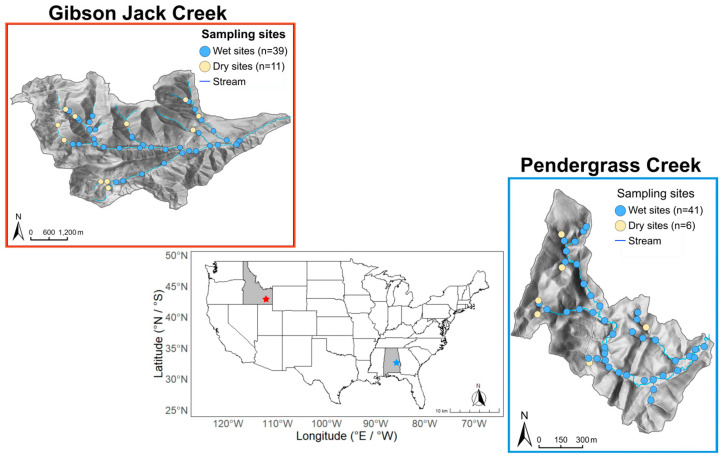 Figure 1
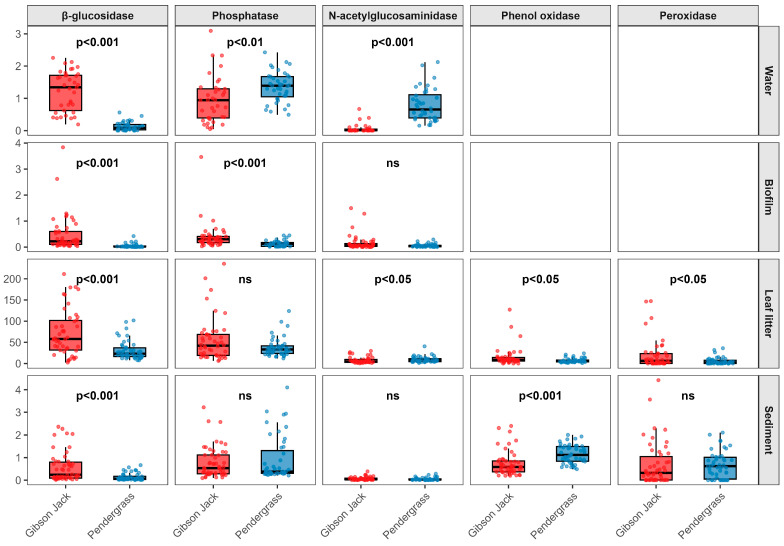 Figure 2
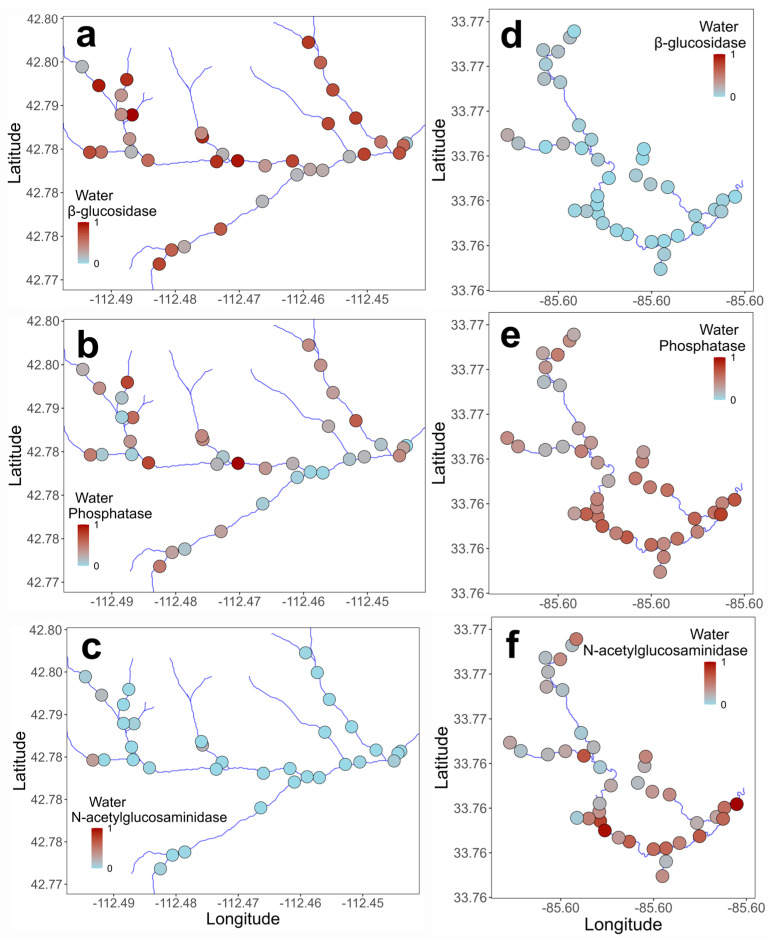 Figure 3
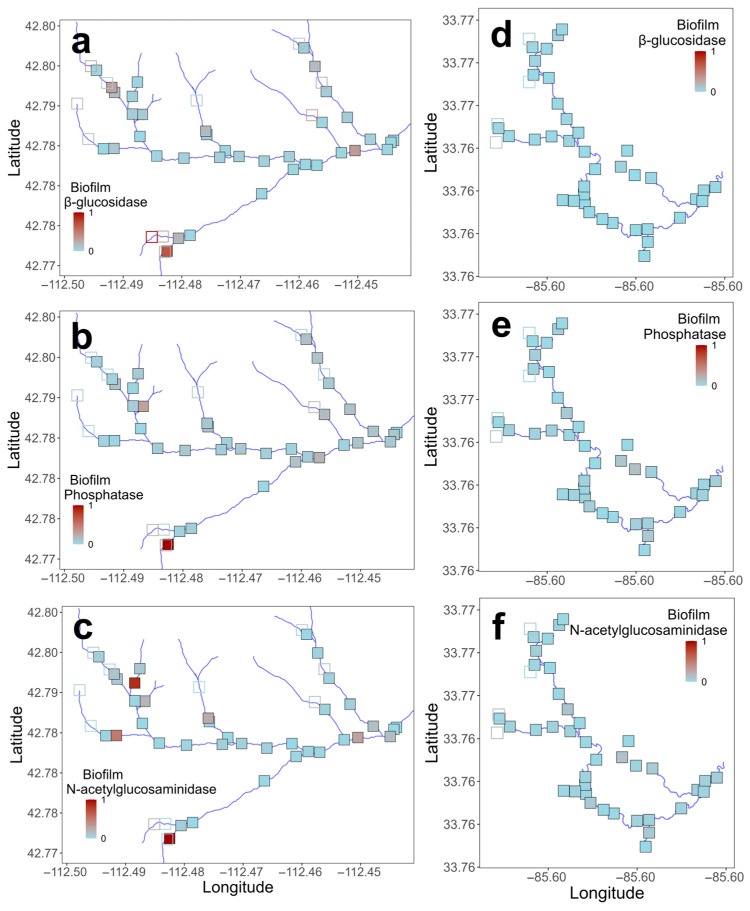 Figure 4
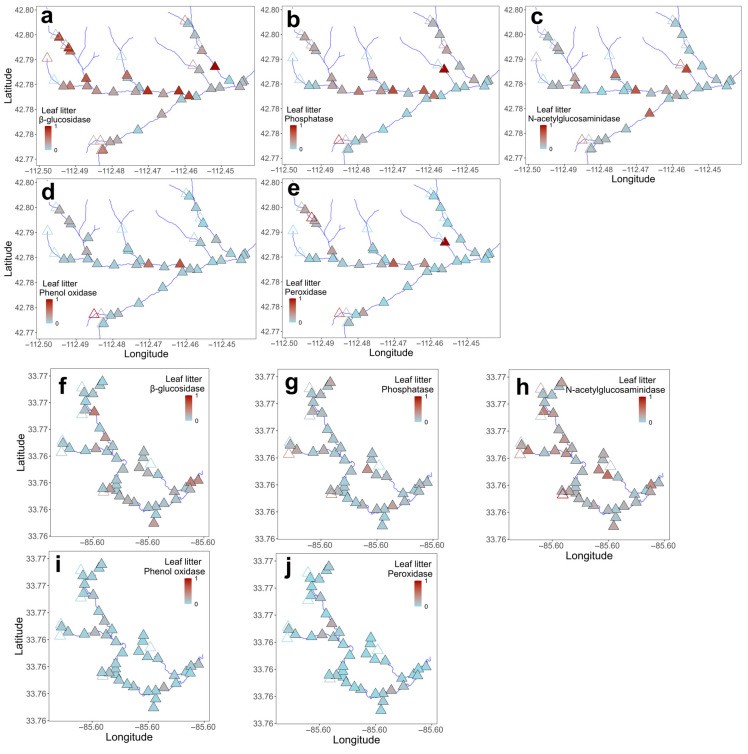 Figure 5
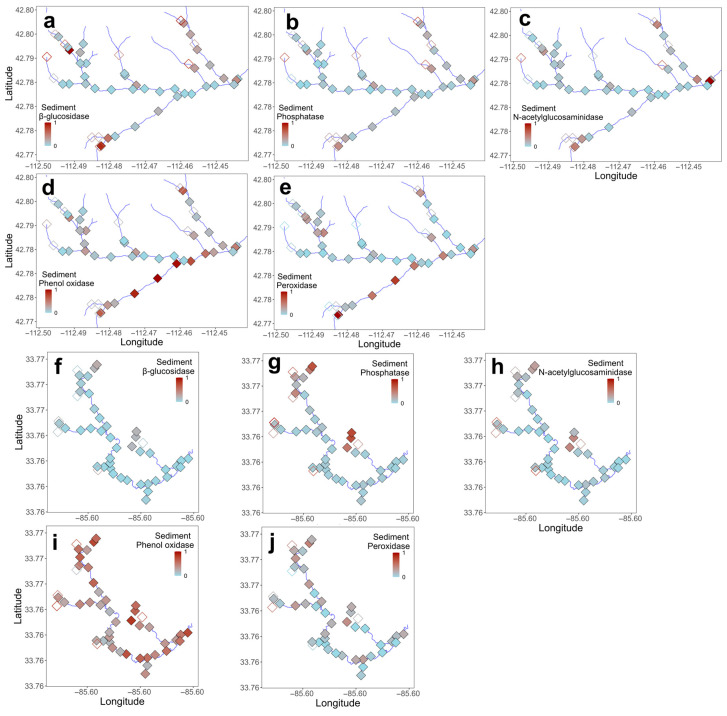 Figure 6
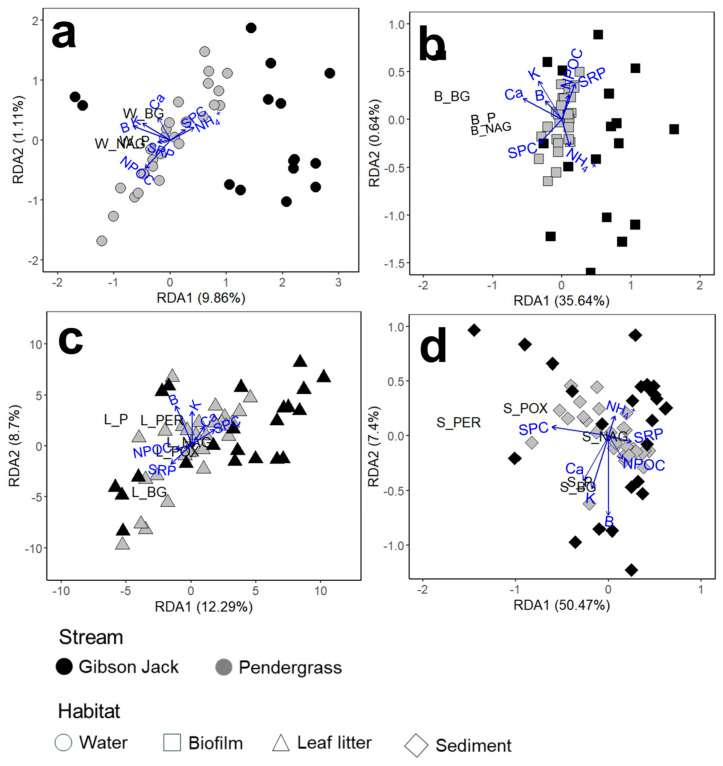 Figure 7
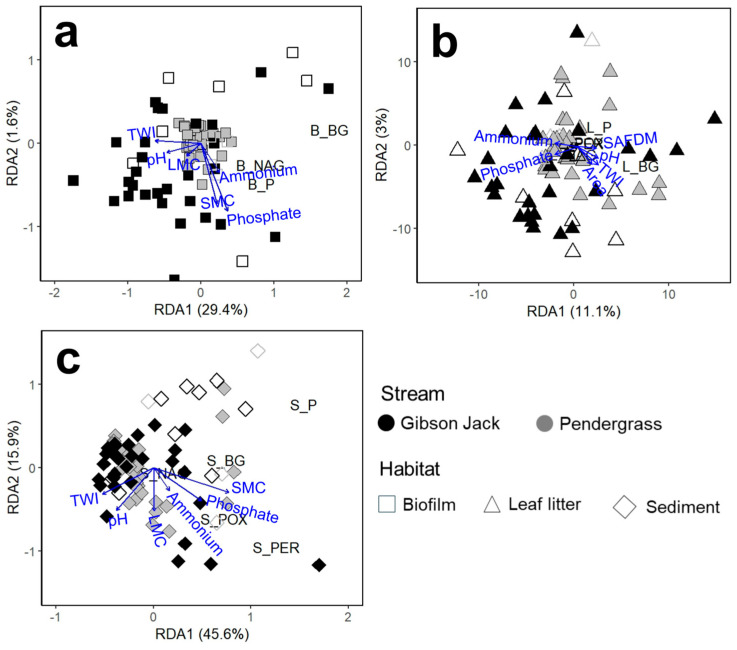 Figure 8
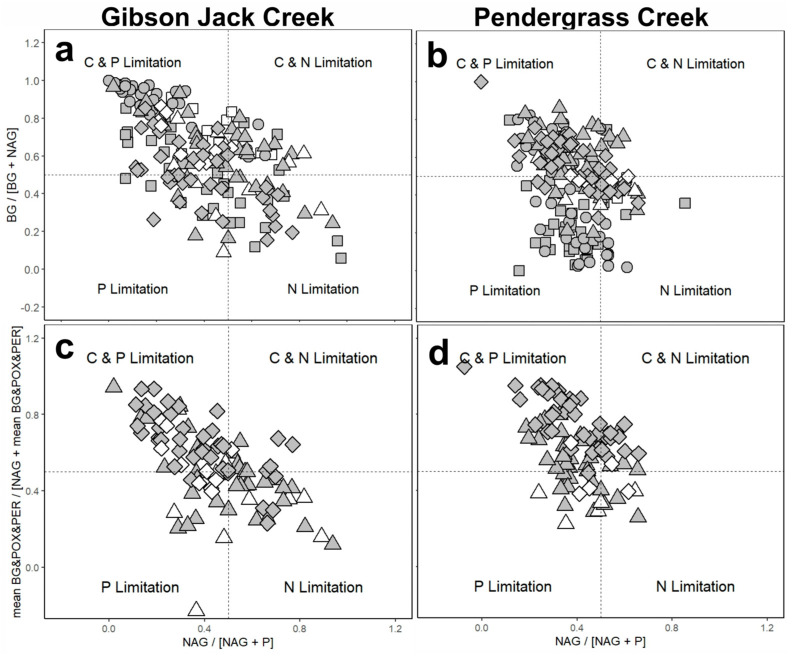 Figure 9
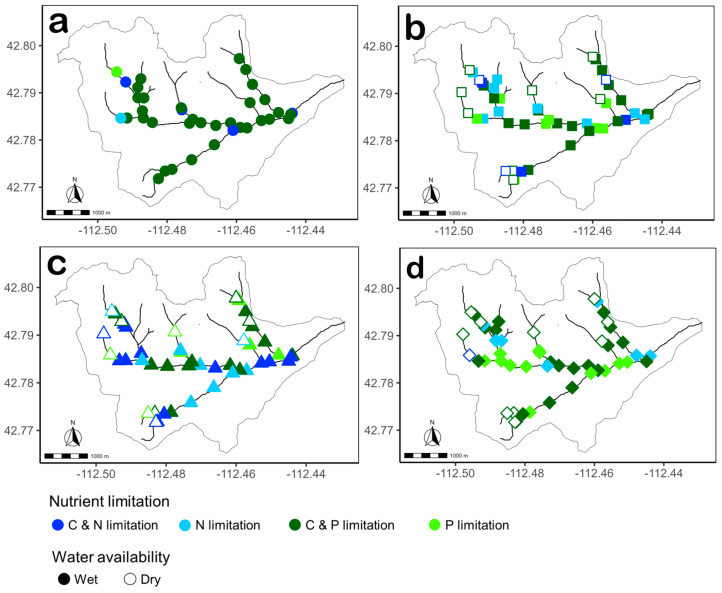 Figure 10
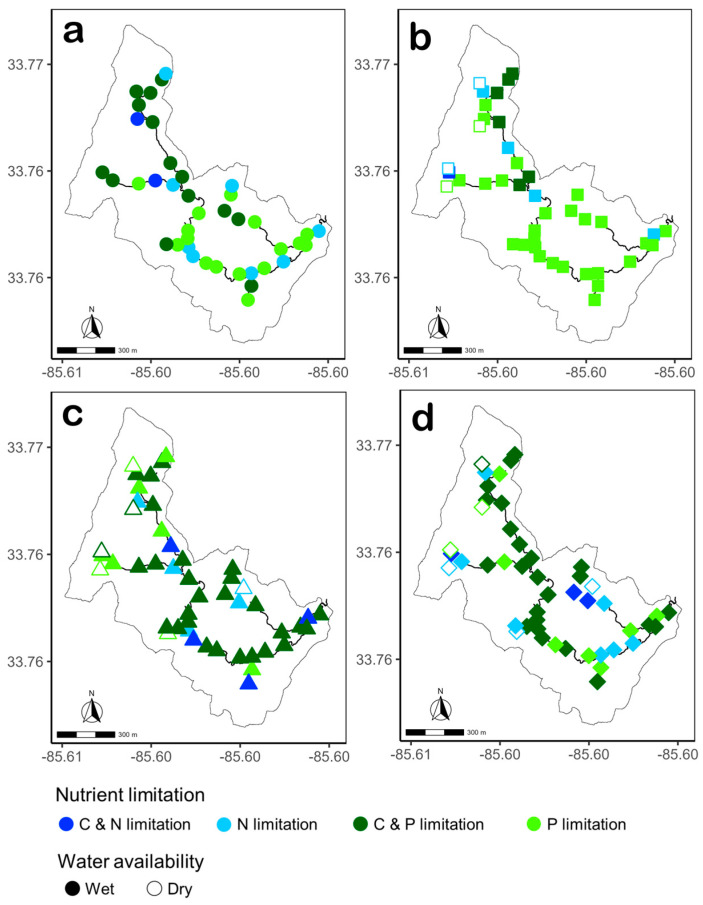 Figure 11
Peer Reviews
No public reviews on file for this paper yet. If you reviewed it on a platform where reviews are public (OpenReview, ICLR, NeurIPS, ICML), you can paste yours below so the community can read it here.
Videos
No videos yet. Explain this paper in a talk, walkthrough, or lecture? Add one.
Taxonomy
TopicsMicrobial Community Ecology and Physiology · Freshwater macroinvertebrate diversity and ecology · Soil and Water Nutrient Dynamics