Scorpion Venom-Derived Peptides: A New Weapon Against Carbapenem-Resistant Acinetobacter baumannii
Carla Capasso, Carla Zannella, Rosa Giugliano, Annalisa Chianese, Alessandra Monti, Federica Donadio, Emanuela Esposito, Gerardo Marino, Nunzianna Doti, Anna De Filippis, Massimiliano Galdiero

TL;DR
Scorpion venom peptides show strong antibacterial and antibiofilm effects against drug-resistant Acinetobacter baumannii, suggesting potential as new treatments.
Contribution
Discovery of two scorpion venom peptides with dual bactericidal and antibiofilm mechanisms against carbapenem-resistant A. baumannii.
Findings
Pantinin-1 and pantinin-2 exhibit bactericidal activity with MICs of 6.25 μM and 12.5 μM.
Peptides damage bacterial membranes and inhibit biofilm formation and key gene expression.
Low cytotoxicity and efficacy at low concentrations highlight therapeutic potential.
Abstract
Acinetobacter baumannii (A. baumannii) is an opportunistic pathogen associated with healthcare-related infections and is of particular concern due to its high level of antibiotic resistance and its ability to form biofilms. The global emergence of carbapenem-resistant A. baumannii highlights the urgent need for alternative therapeutic strategies. This study investigated the antibacterial and antibiofilm activities of two scorpion venom-derived peptides, pantinin-1 and pantinin-2, against a reference strain and a clinical isolate of A. baumannii. We found that both peptides, in the non-cytotoxic concentration range, have strong bactericidal activity, showing a minimum inhibitory concentration (MIC) of 6.25 μM and 12.5 μM for pantinin 1 and 2, respectively. Scanning electron microscopy (SEM) analysis showed that the peptides cause extensive damage to the bacterial membrane. Furthermore,…
Genes, proteins, chemicals, diseases, species, mutations and cell lines named across the full text — each resolved to its canonical identifier and authoritative record.
Click any figure to enlarge with its caption.
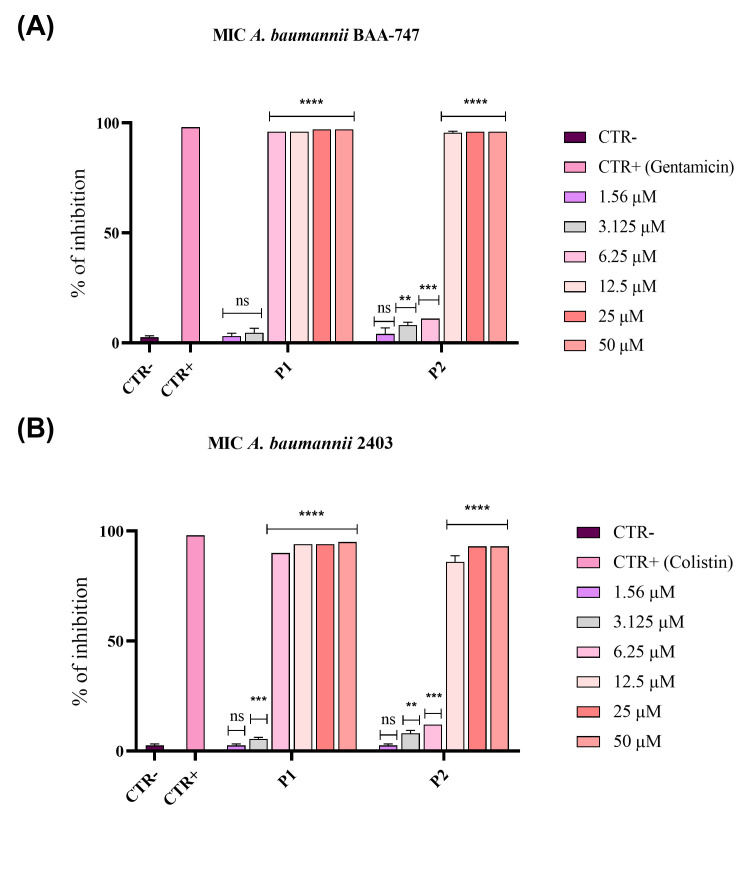 Figure 1
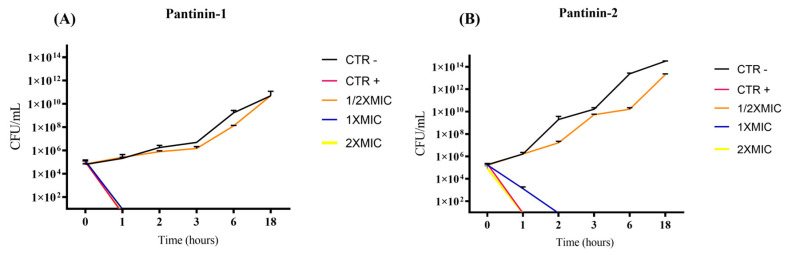 Figure 2
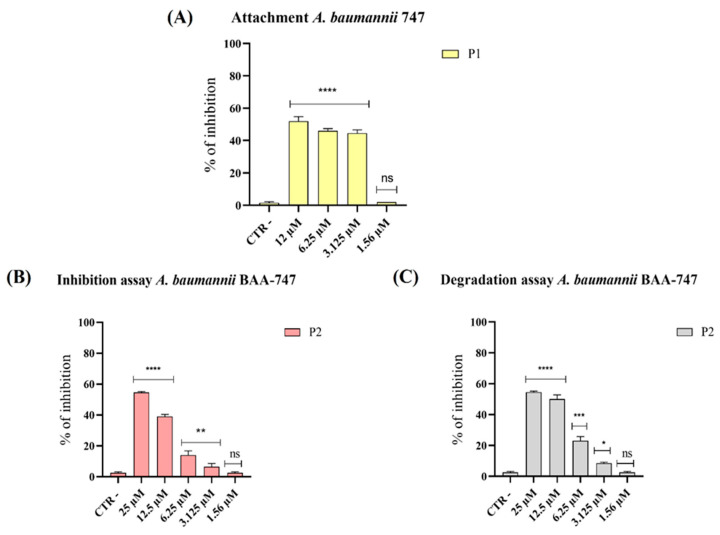 Figure 3
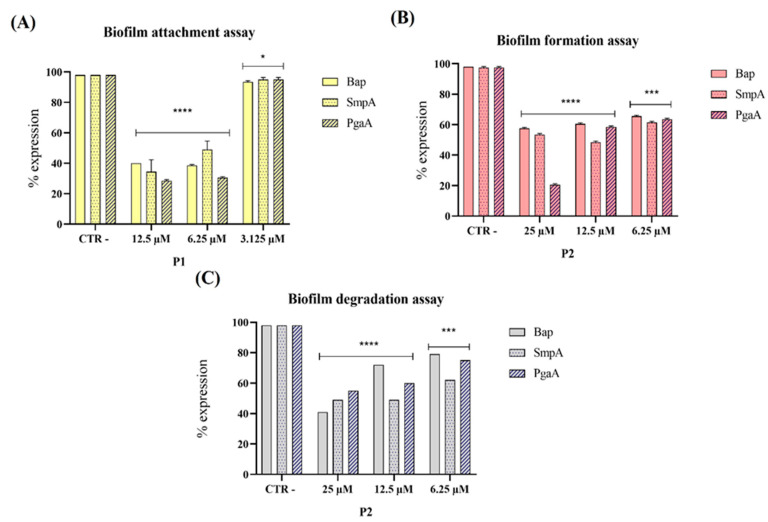 Figure 4
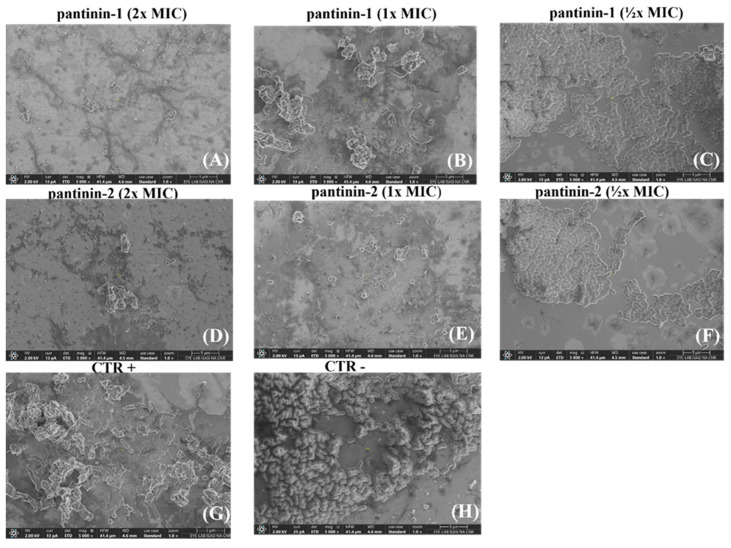 Figure 5
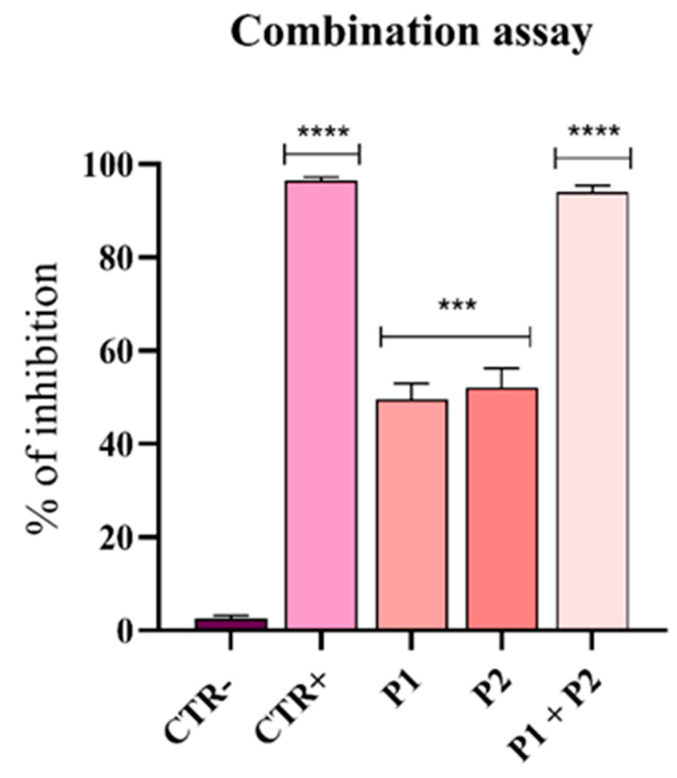 Figure 6
Peer Reviews
No public reviews on file for this paper yet. If you reviewed it on a platform where reviews are public (OpenReview, ICLR, NeurIPS, ICML), you can paste yours below so the community can read it here.
Videos
No videos yet. Explain this paper in a talk, walkthrough, or lecture? Add one.
Taxonomy
TopicsAntimicrobial Peptides and Activities · Venomous Animal Envenomation and Studies · Ion channel regulation and function