Flexible Copper-Based TEM Grid for Microscopic Characterization of Aged Magnetotactic Bacteria MS-1 and Their Magnetosome Crystals in Air-Dried Droplet
Natalia Lorela Paul, Regis Deturche, Jeremie Beal, Catalin Ovidiu Popa, Rodica Elena Ionescu

TL;DR
Researchers studied magnetotactic bacteria and their magnetic crystals using a simple method to preserve their natural state for potential biomedical and environmental uses.
Contribution
A low-cost, coating-free method was used to observe aged magnetotactic bacteria and their magnetosomes without altering their natural state.
Findings
The cell morphology and magnetosome organization of aged MS-1 bacteria remained observable after 10 months of storage.
The method allows direct observation of bacteria without conductive coating or chemical fixation.
The results suggest magnetotactic bacteria could serve as natural alternatives to synthetic magnetic nanoparticles.
Abstract
Magnetotactic bacteria (MTB) have attracted interest in recent years, mainly due to their natural ability to form intracellular magnetic nanocrystals with potential for biomedical and environmental applications. In this study, we focused on the morphological analysis of the Paramagnetospirillum magnetotacticum MS-1 strain, trying to keep the bacteria as close to their natural state as possible. An important element of this work is the use of untreated bacterial cells, without conductive coating or chemical fixation, using a simple and low-cost support. This choice was made intentionally to avoid changes induced by metallization and to allow direct observation of characteristics that may be relevant in applications where the interaction of the bacteria with the environment plays an important role, such as biosensors. In addition, the analysis was performed on a bacterial suspension…
Genes, proteins, chemicals, diseases, species, mutations and cell lines named across the full text — each resolved to its canonical identifier and authoritative record.
Click any figure to enlarge with its caption.
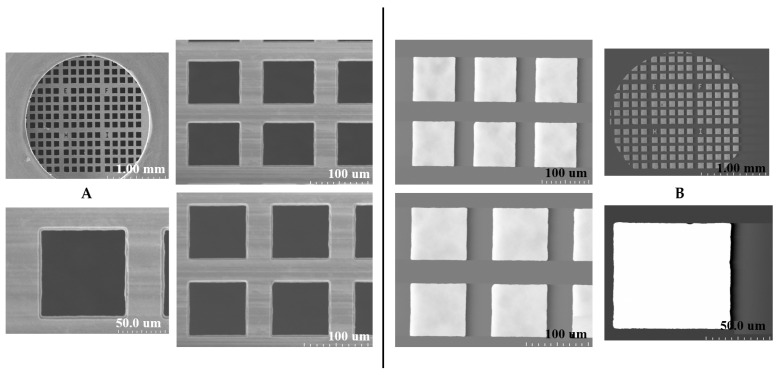 Figure 1
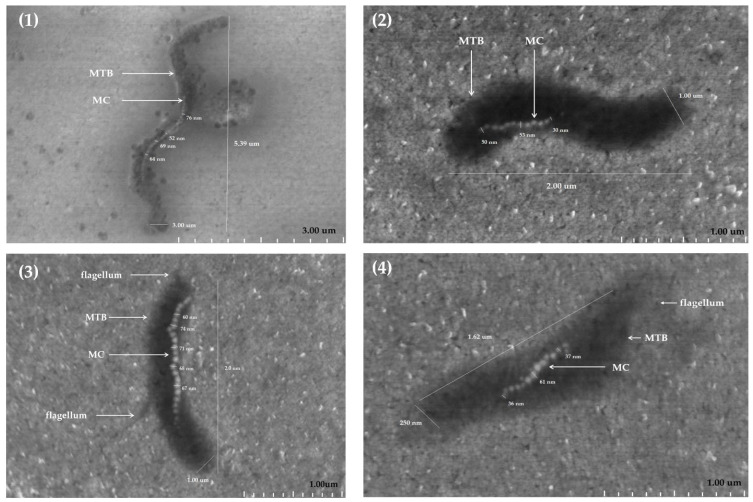 Figure 2
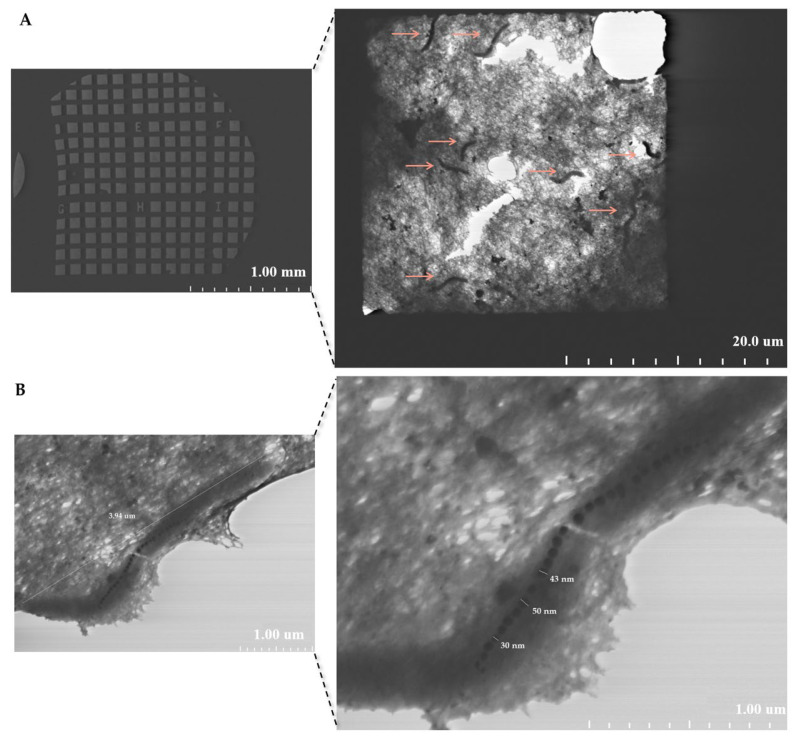 Figure 3
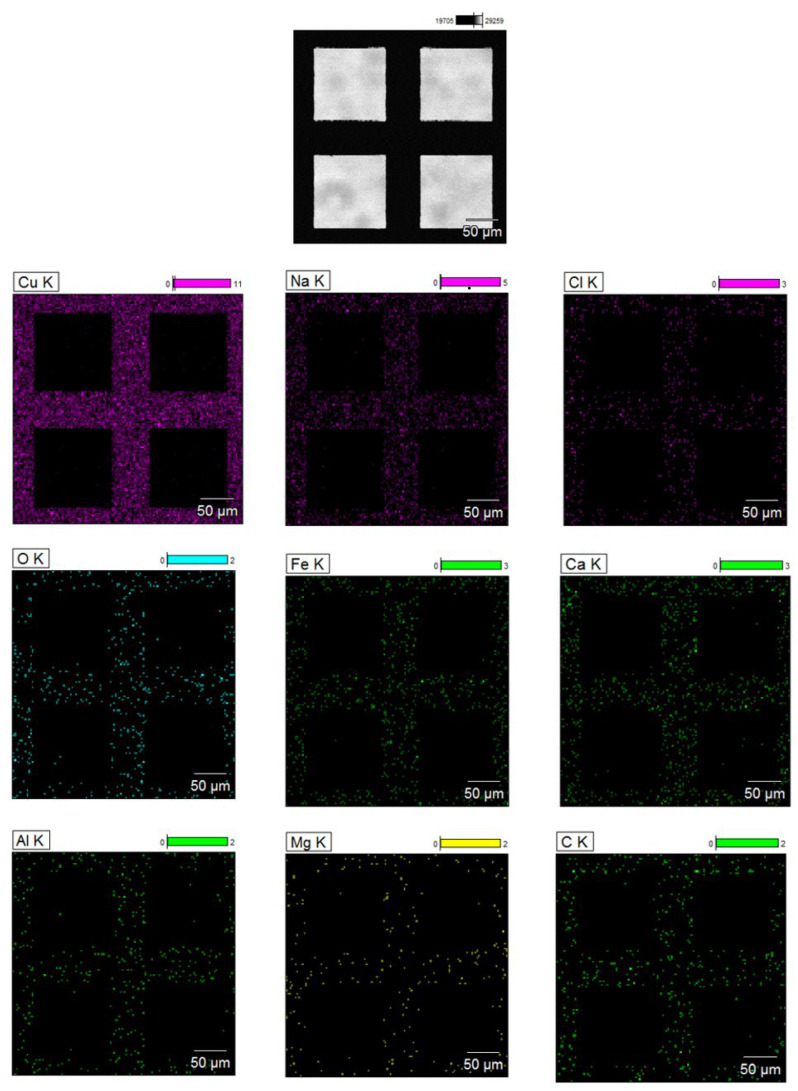 Figure 4
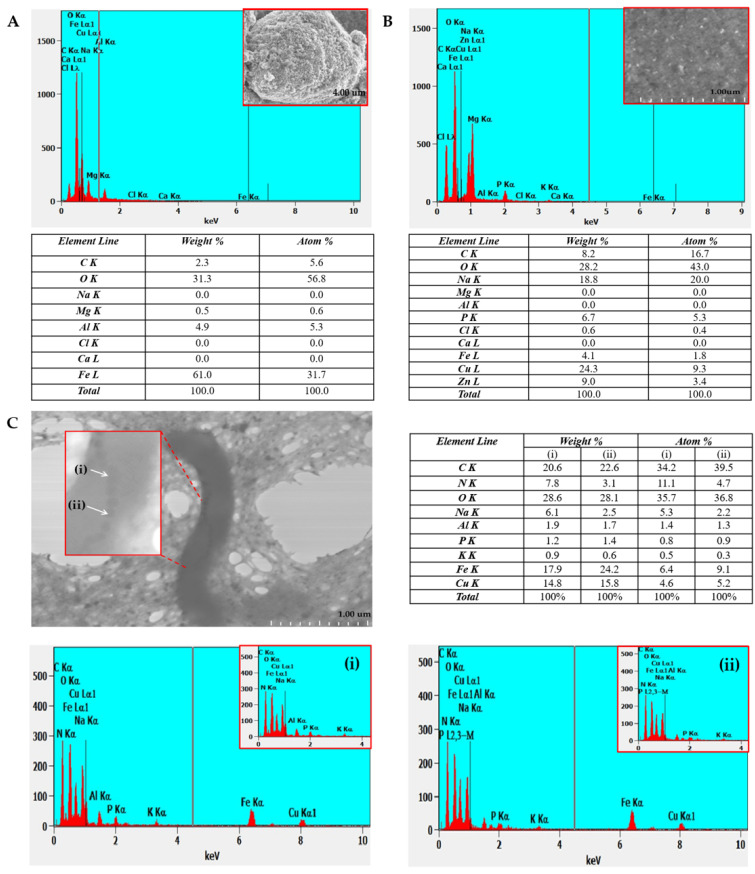 Figure 5
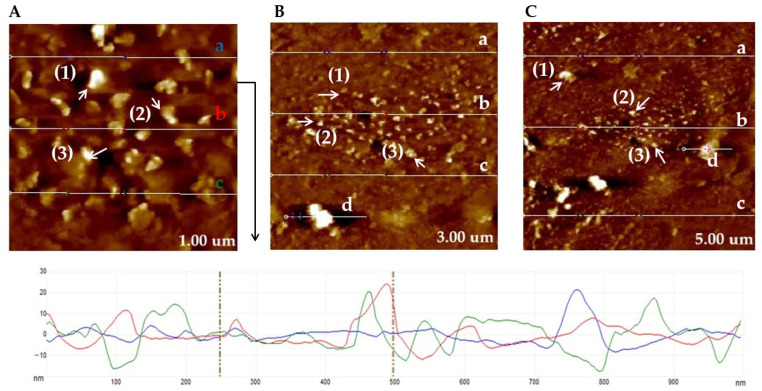 Figure 6
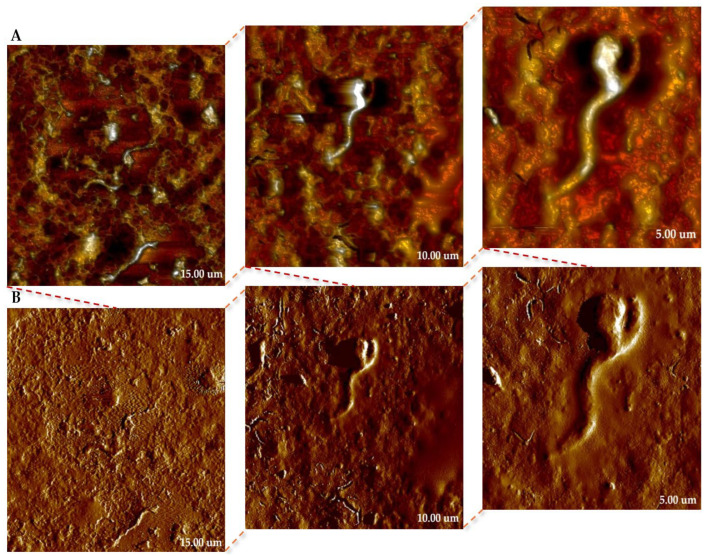 Figure 7
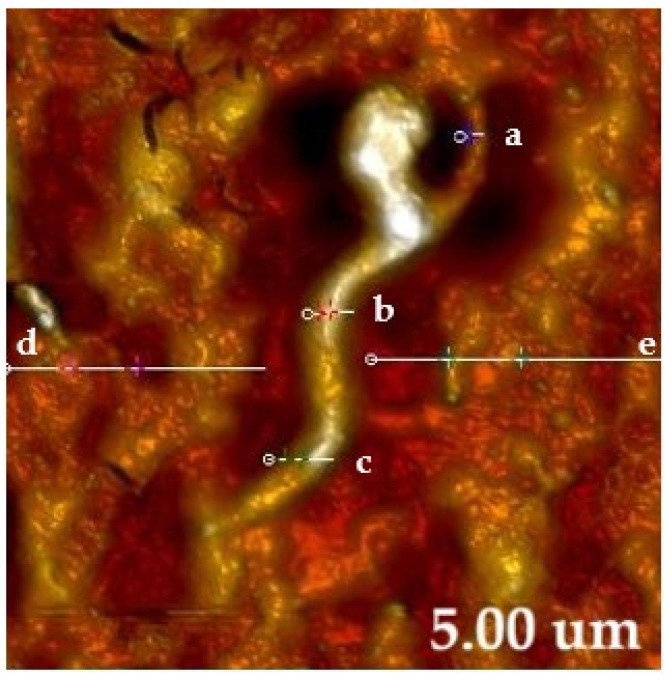 Figure 8
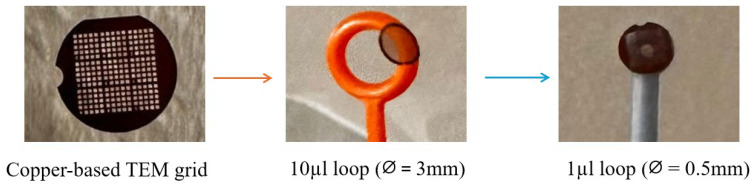 Figure 9
Peer Reviews
No public reviews on file for this paper yet. If you reviewed it on a platform where reviews are public (OpenReview, ICLR, NeurIPS, ICML), you can paste yours below so the community can read it here.
Videos
No videos yet. Explain this paper in a talk, walkthrough, or lecture? Add one.
Taxonomy
TopicsGeomagnetism and Paleomagnetism Studies · Characterization and Applications of Magnetic Nanoparticles · Cancer Research and Treatments