Evaluation of Callistemon citrinus Compounds to Reduce Brain Oxidative Stress in Rats Fed High-Fat-Sucrose Diet
Aram Josué García-Calderón, Oliver Rafid Magaña-Rodríguez, Luis Alberto Ayala-Ruiz, José Armando Hernández-Soto, Jonathan Saúl Piñón-Simental, Luis Gerardo Ortega-Pérez, Asdrubal Aguilera-Méndez, Patricia Ríos-Chávez

TL;DR
This study shows that compounds from Callistemon citrinus can reduce brain oxidative stress and inflammation in rats on a high-fat-sucrose diet.
Contribution
Identifies specific bioactive compounds in Callistemon citrinus responsible for neuroprotective effects against diet-induced oxidative stress.
Findings
Callistemon citrinus compounds modulated antioxidant enzymes and reduced oxidative biomarkers in rat brains.
The compounds decreased pro-inflammatory enzyme activities despite a high-fat-sucrose diet.
Both individual and mixed compounds showed neuroprotective effects against oxidative stress.
Abstract
Background: The association between oxidative stress and inflammation in obesity motivates investigation of the effects of d-limonene, gallic acid, ellagic acid, p-coumaric acid, and their mixture, which are major compounds of Callistemon citrinus, on oxidative stress and inflammation in the brains of rats fed a high-fat-sucrose diet. This study aimed to identify the specific bioactive compounds in C. citrinus leaf extract responsible for its neuroprotective effects against diet-induced oxidative stress and neuroinflammation. Methods: Forty-eight male Wistar rats were randomly divided into eight groups (n = 6). Group 1 (control) received a standard diet, while group 2 received a high-fat, high-sucrose diet (HFSD). Groups 3, 4, 5, 6, 7, and 8 were also fed HFSD supplemented with C. citrinus extract, its main compounds, and a mixture of these compounds administered once daily via oral…
Genes, proteins, chemicals, diseases, species, mutations and cell lines named across the full text — each resolved to its canonical identifier and authoritative record.
Click any figure to enlarge with its caption.
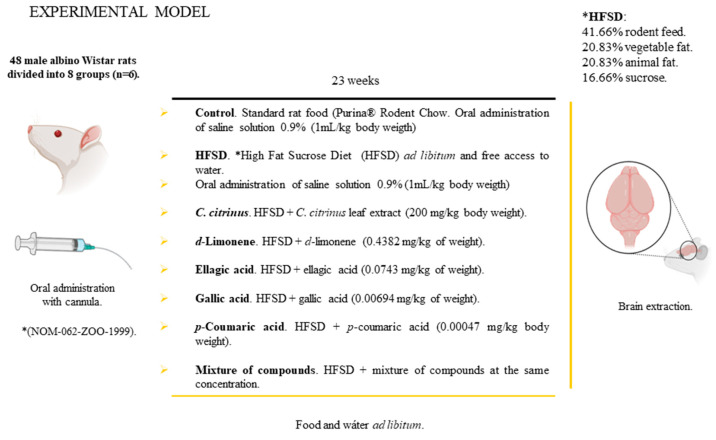 Figure 1
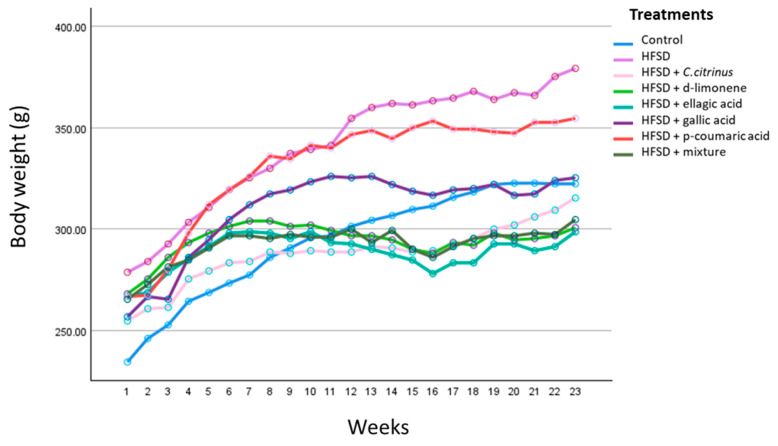 Figure 2
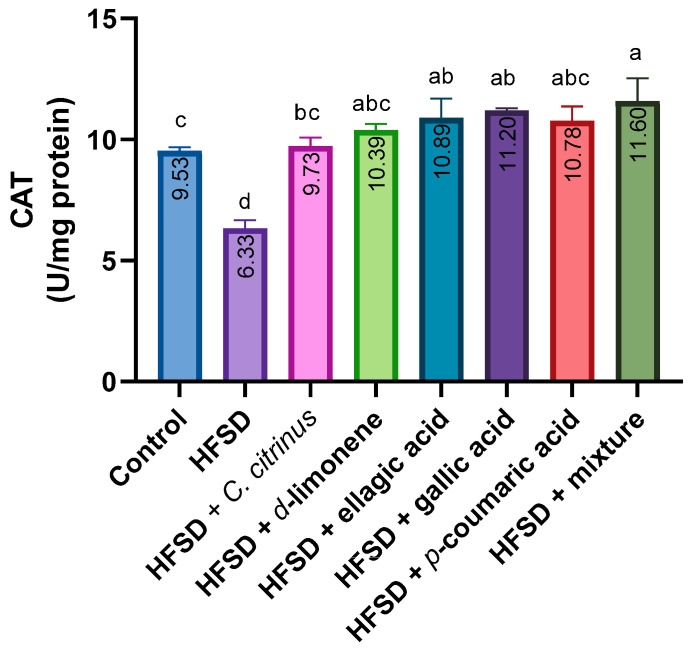 Figure 3
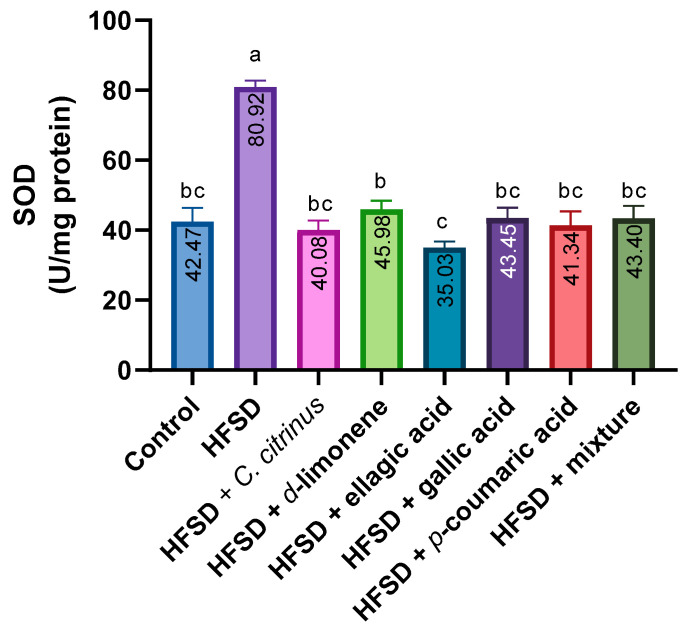 Figure 4
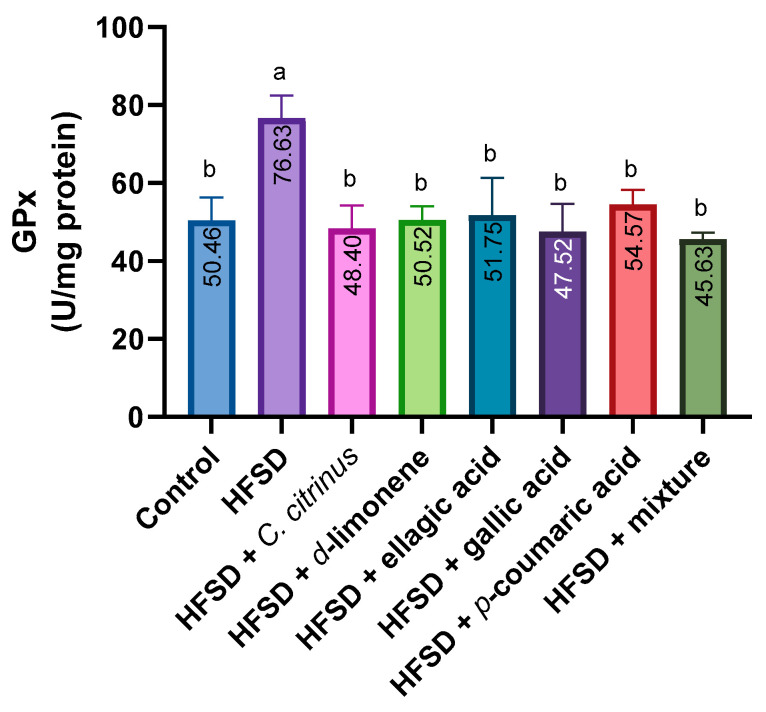 Figure 5
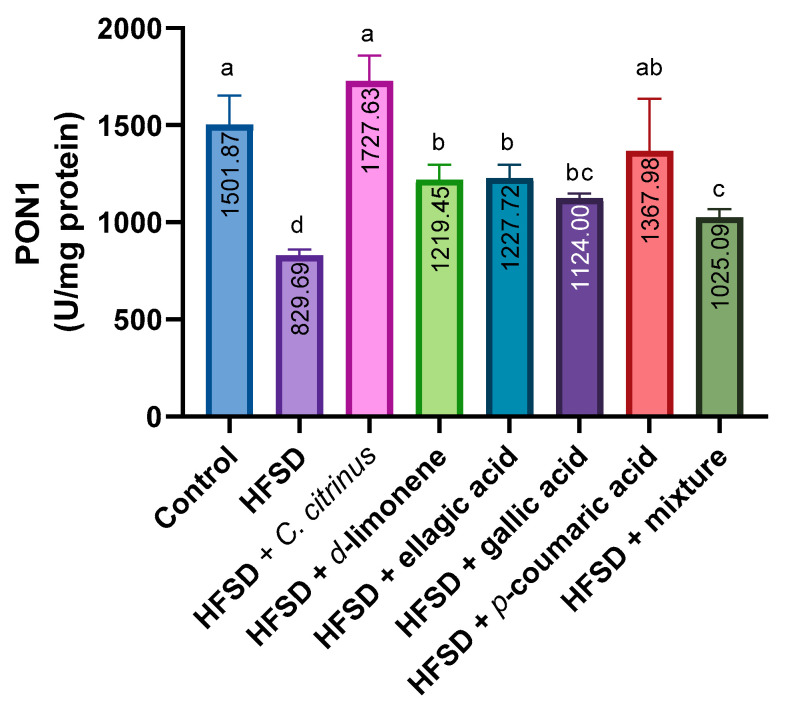 Figure 6
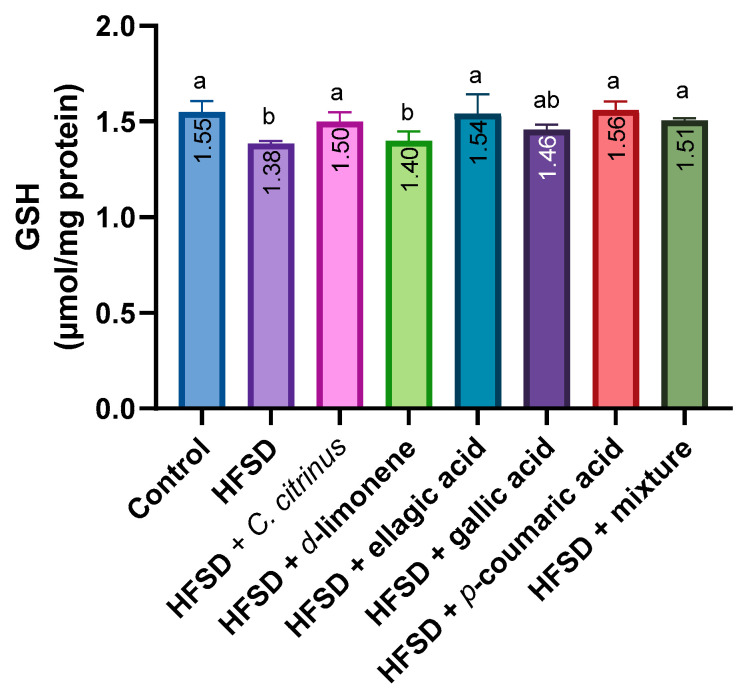 Figure 7
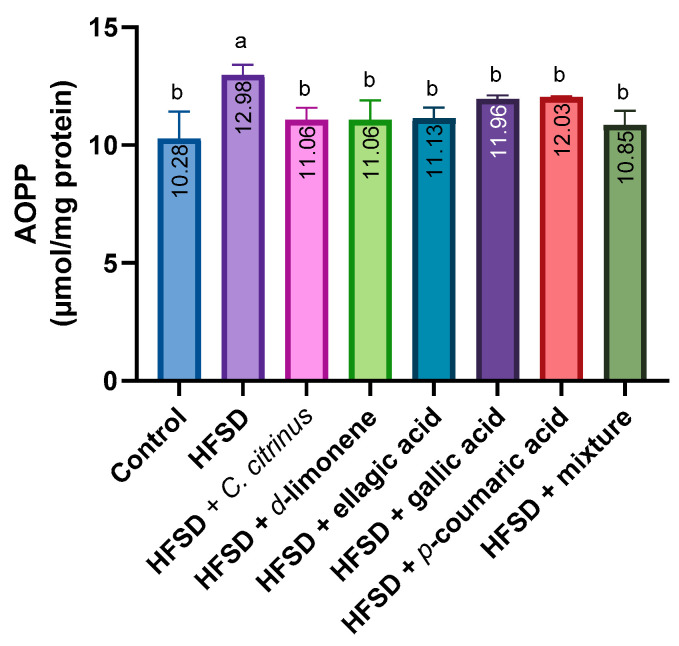 Figure 8
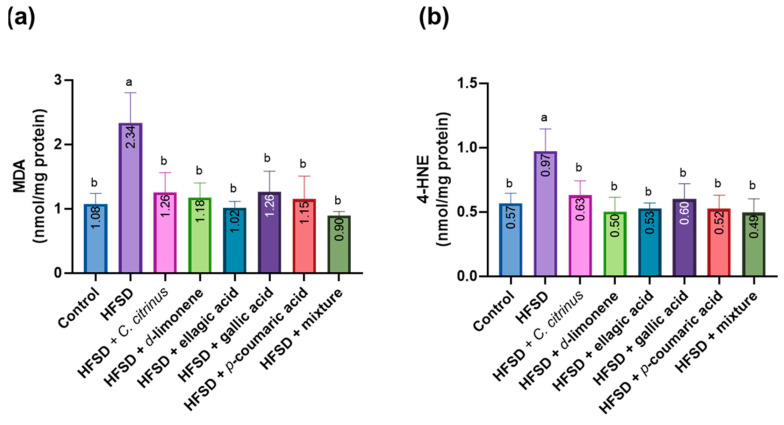 Figure 9
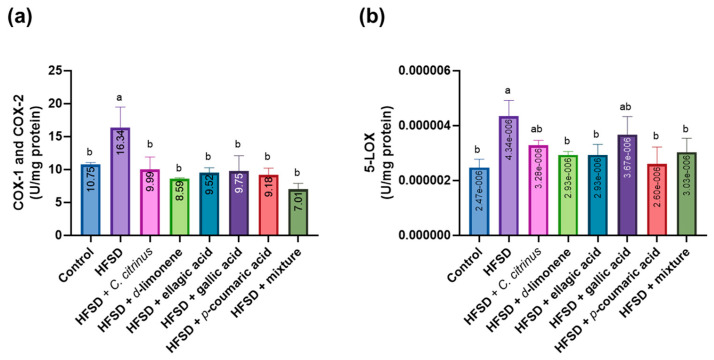 Figure 10
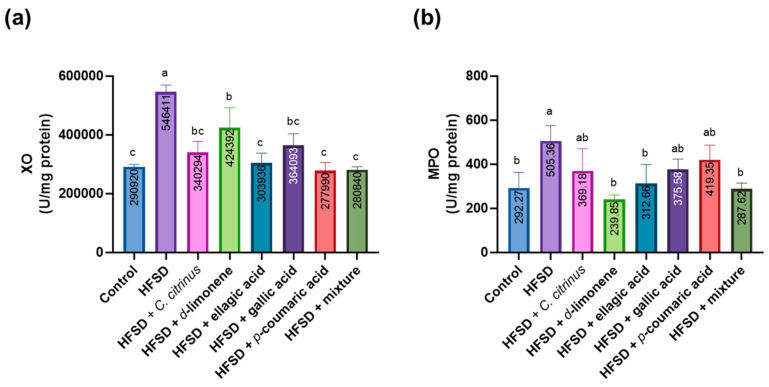 Figure 11
Peer Reviews
No public reviews on file for this paper yet. If you reviewed it on a platform where reviews are public (OpenReview, ICLR, NeurIPS, ICML), you can paste yours below so the community can read it here.
Videos
No videos yet. Explain this paper in a talk, walkthrough, or lecture? Add one.
Taxonomy
TopicsPomegranate: compositions and health benefits · Paraoxonase enzyme and polymorphisms · Natural Antidiabetic Agents Studies