BINOL-Based Zirconium Metal–Organic Cages: Self-Assembly, Guest Complexation, Aggregation-Induced Emission, and Circularly Polarized Luminescence
Yawei Liu, Gen Li, Roy Lavendomme, En-Qing Gao, Dawei Zhang

TL;DR
Researchers created chiral metal cages that emit polarized light, which could improve optical devices and sensing technologies.
Contribution
A new chiral metal–organic cage is developed that enhances circularly polarized luminescence through self-assembly and guest complexation.
Findings
The cages show high affinity for anionic guests via electrostatic and hydrogen-bonding interactions.
The system achieves a luminescence dissymmetry factor (|glum|) of 1.2 × 10⁻³, a five-fold improvement over the unassembled ligand.
The rigid cage framework enhances aggregation-induced emission and acts as an effective chiral amplifier.
Abstract
The development of nanoscale chiral materials with enhanced optical properties holds significant promise for advancing technologies in light-emitting devices and enantioselective sensing. Here, we report the self-assembly of chiral metal–organic cages from an axially chiral, AIE-active binaphthyl dicarboxylate ligand. This supramolecular architecture functions as a multifunctional platform, demonstrating a high affinity for anionic guests through synergistic electrostatic and hydrogen-bonding interactions. The rigid cage framework not only enhances the ligand’s intrinsic aggregation-induced emission (AIE) but also serves as a highly effective chiral amplifier. Notably, MOCs significantly boost the circularly polarized luminescence (CPL), achieving a luminescence dissymmetry factor (|glum|) of 1.2 × 10⁻³. This value represents an approximately five-fold enhancement over that of the…
Genes, proteins, chemicals, diseases, species, mutations and cell lines named across the full text — each resolved to its canonical identifier and authoritative record.
Click any figure to enlarge with its caption.
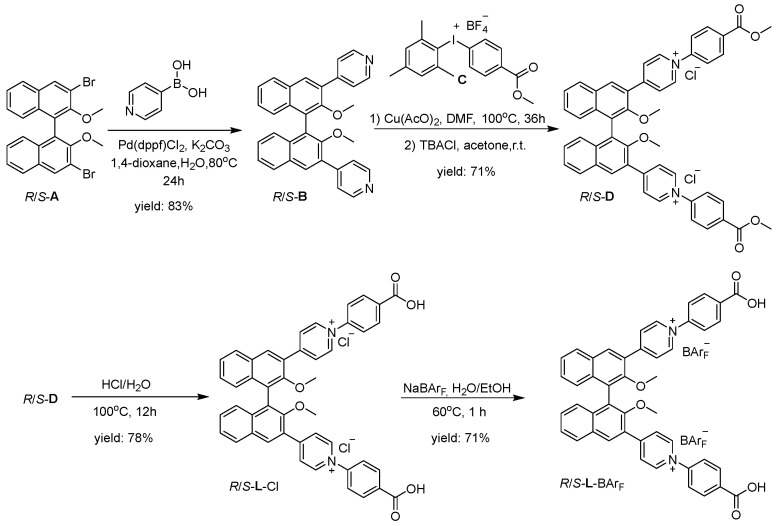 Figure 1
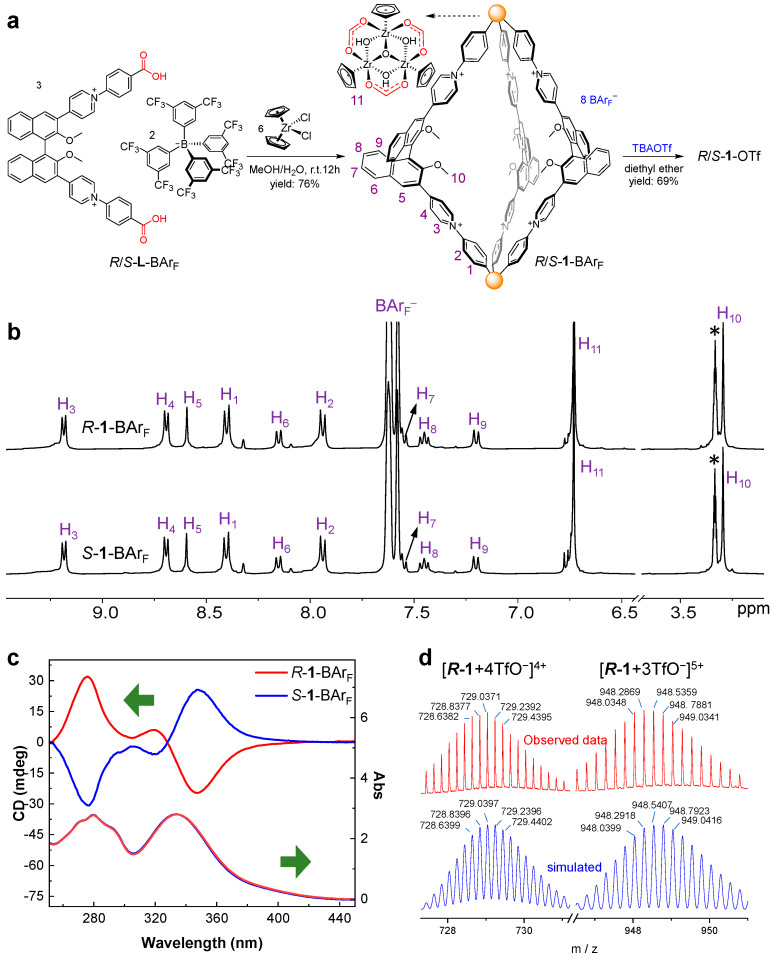 Figure 2
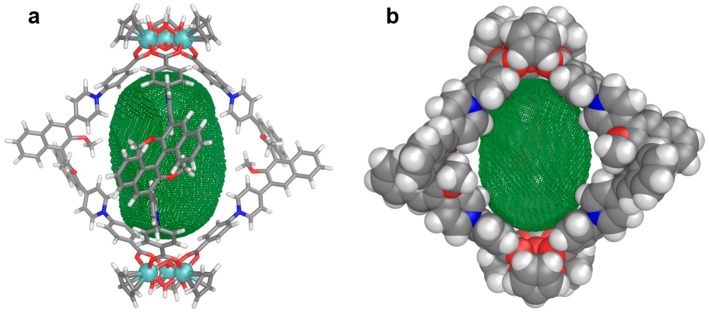 Figure 3
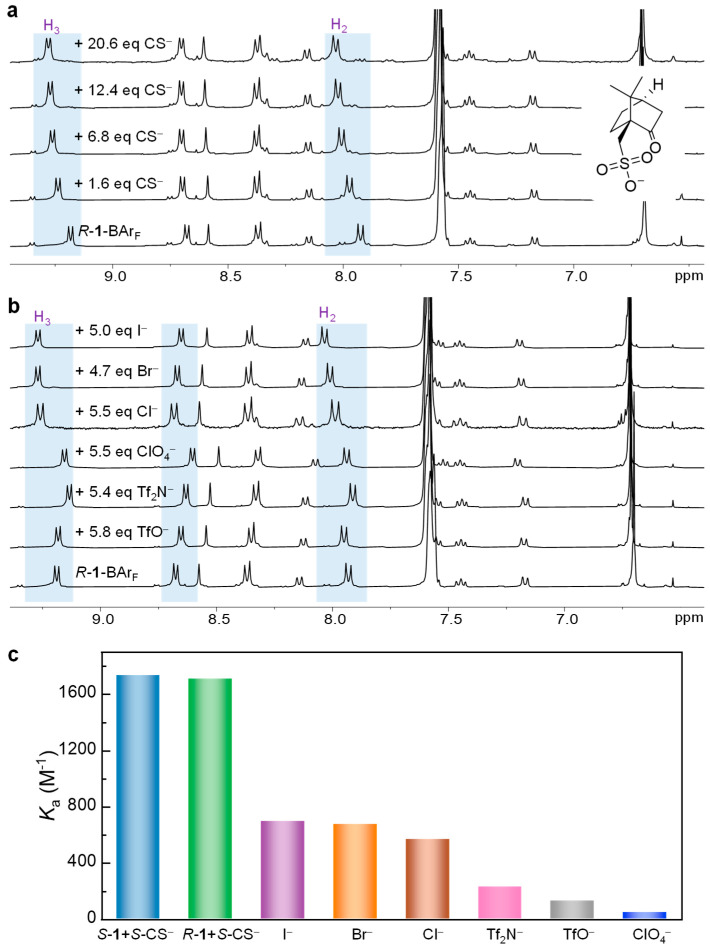 Figure 4
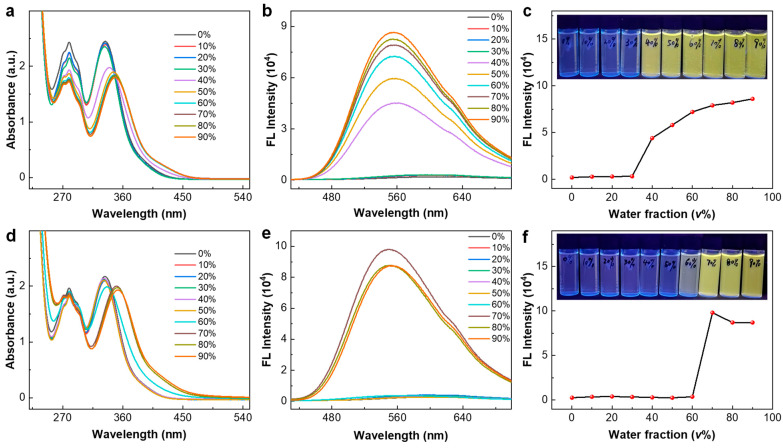 Figure 5
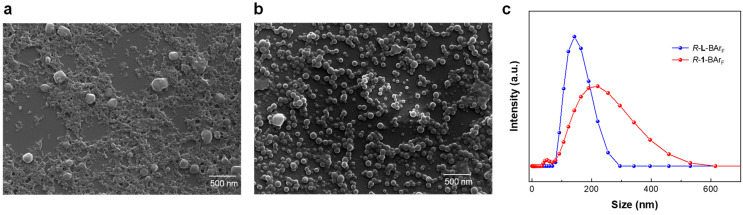 Figure 6
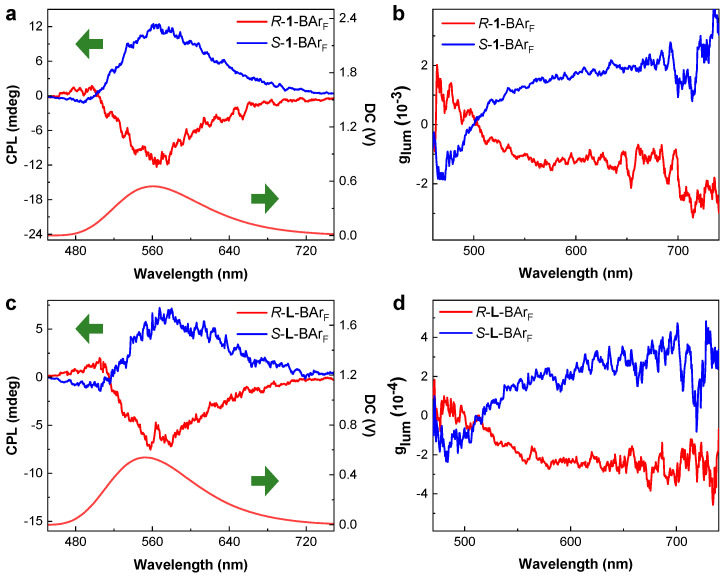 Figure 7
Peer Reviews
No public reviews on file for this paper yet. If you reviewed it on a platform where reviews are public (OpenReview, ICLR, NeurIPS, ICML), you can paste yours below so the community can read it here.
Videos
No videos yet. Explain this paper in a talk, walkthrough, or lecture? Add one.
Taxonomy
TopicsSupramolecular Chemistry and Complexes · Luminescence and Fluorescent Materials · Synthesis and Properties of Aromatic Compounds