MEP Pathway: First-Synthesized IspH-Directed Prodrugs with Potent Antimycobacterial Activity
Alizée Allamand, Ludovik Noël-Duchesneau, Cédric Ettelbruck, Edgar De Luna, Didier Lièvremont, Catherine Grosdemange-Billiard

TL;DR
Researchers developed new prodrugs targeting the IspH enzyme in the MEP pathway, showing strong antimycobacterial activity against Mycobacterium smegmatis.
Contribution
The first-synthesized IspH-directed prodrugs using the cycloSal strategy demonstrate potent antimycobacterial activity.
Findings
Chlorine-substituted prodrugs 5c and 6c showed stronger antimycobacterial activity than isoniazid.
Electron-withdrawing substituents enhance prodrug hydrolysis and intracellular release of active inhibitors.
The cycloSal strategy is effective for delivering phosphorylated inhibitors targeting the MEP pathway.
Abstract
We report the first synthesis of IspH-directed prodrugs targeting the terminal enzyme of the 2-C-methyl-D-erythritol 4-phosphate (MEP) pathway, (E)-4-hydroxy-3-methylbut-2-enyl diphosphate reductase (IspH or LytB). A series of alkyne and pyridine monophosphate cycloSaligenyl (cycloSal) prodrugs were prepared to enhance membrane permeability by masking the phosphate group. The effects of electron-withdrawing (Cl, CF3) and electron-donating (OCH3, NH2) substituents were examined, together with amino acid-functionalized and mutual prodrug analogs. Among the synthesized compounds, chlorine-substituted derivatives 5c and 6c displayed the strongest antimycobacterial activity against Mycobacterium smegmatis, surpassing isoniazid in agar diffusion assays. These results indicate that electron-withdrawing substituents accelerate prodrug hydrolysis and facilitate intracellular release of the…
Genes, proteins, chemicals, diseases, species, mutations and cell lines named across the full text — each resolved to its canonical identifier and authoritative record.
Click any figure to enlarge with its caption.
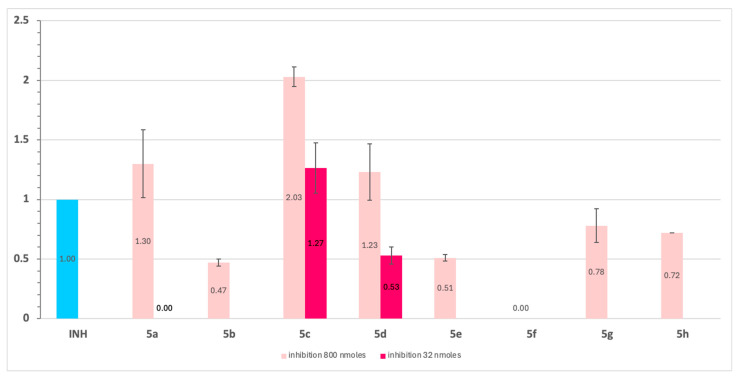 Figure 1
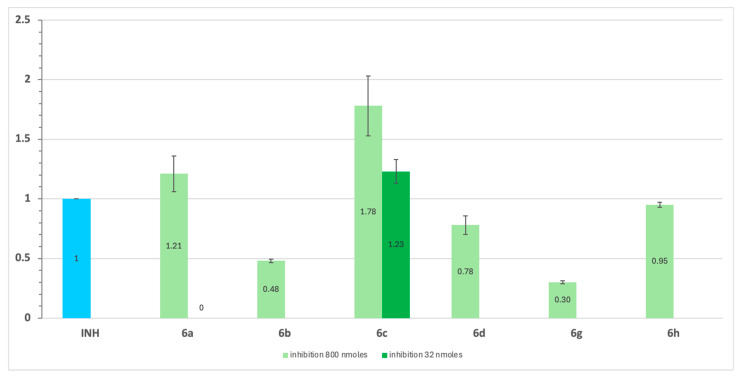 Figure 2
 Figure 3
 Figure 4
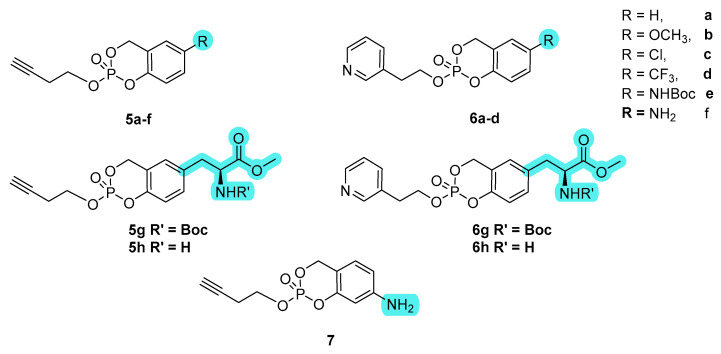 Figure 5
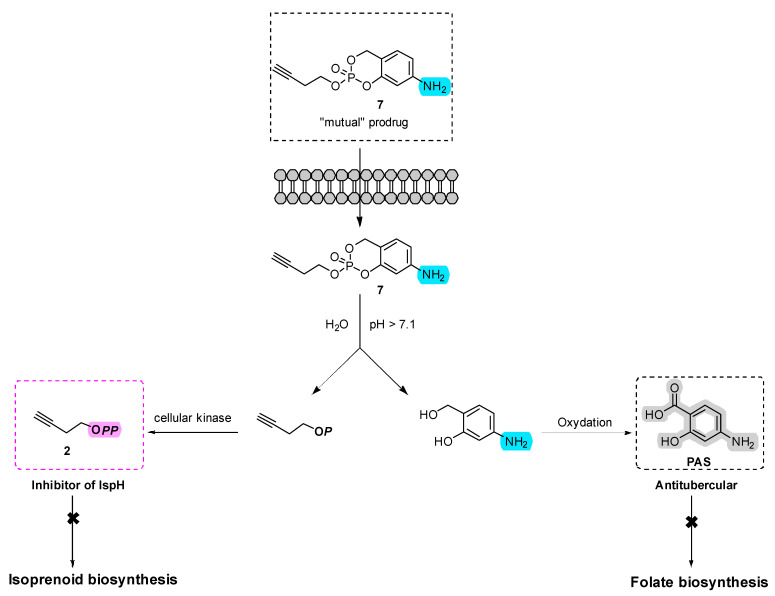 Figure 6
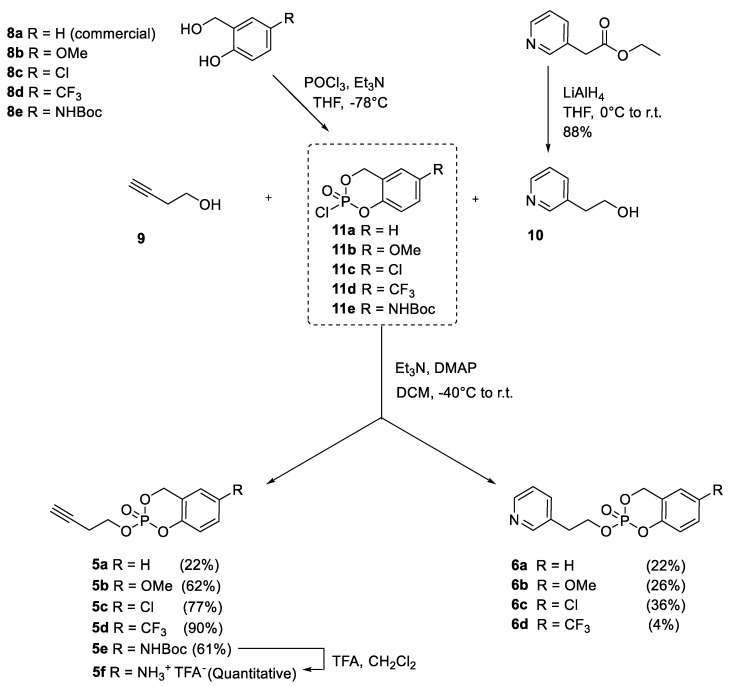 Figure 7
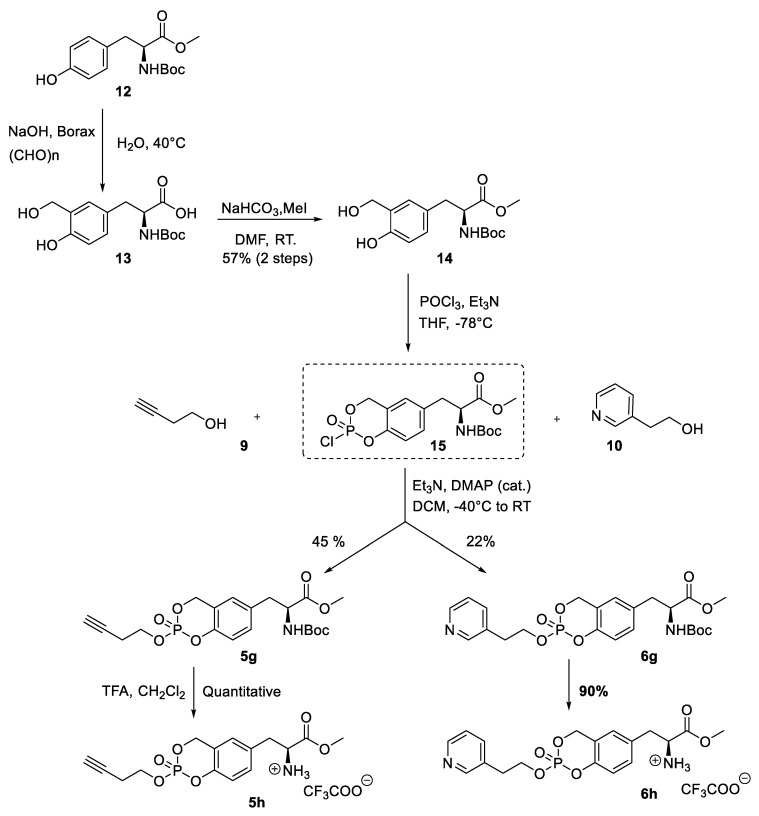 Figure 8
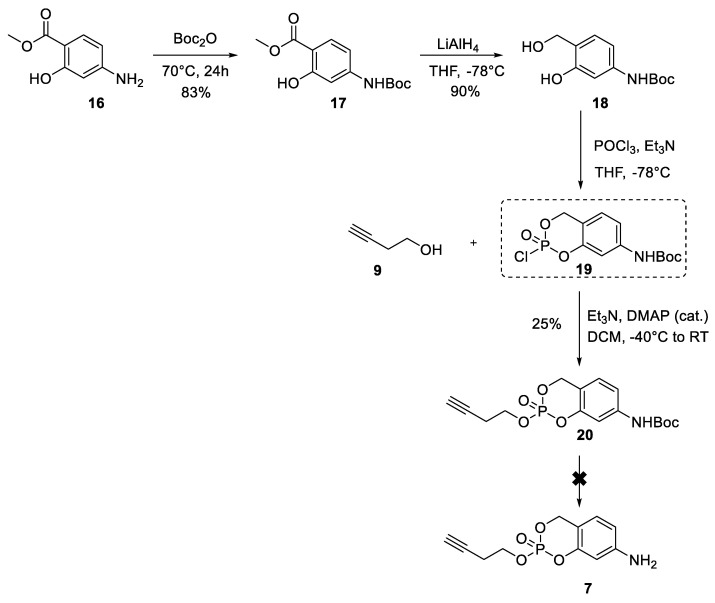 Figure 9
Peer Reviews
No public reviews on file for this paper yet. If you reviewed it on a platform where reviews are public (OpenReview, ICLR, NeurIPS, ICML), you can paste yours below so the community can read it here.
Videos
No videos yet. Explain this paper in a talk, walkthrough, or lecture? Add one.
Taxonomy
TopicsPlant biochemistry and biosynthesis · Coenzyme Q10 studies and effects · Biochemical Acid Research Studies