Study on Degradation of Sulfamethoxazole in Water by Activated Persulfate of Molybdenite Supported on Biochar
Xuemei Li, Jian Wang, Xinglin Chen, Shengnan Li, Hai Lu

TL;DR
This study explores using a biochar-supported molybdenite composite to activate persulfate for efficiently degrading sulfamethoxazole in water.
Contribution
A novel composite material (Molybdenite@BC) is developed and shown to effectively activate persulfate for sulfamethoxazole degradation.
Findings
The Molybdenite@BC/PMS system achieved 97.87% sulfamethoxazole degradation in 60 min under optimal conditions.
Singlet oxygen (1O2) was identified as the main reactive species driving sulfamethoxazole degradation.
Degradation led to reduced toxicity and mineralization into harmless byproducts like CO2 and H2O.
Abstract
In this study, the advanced oxidation system of peroxymonosulfate (PMS) was activated by molybdenite supported on biochar (Molybdenite@BC), and the degradation efficiency, influencing factors and degradation mechanism of sulfamethoxazole (SMX) were explored through experiments. Molybdenite@BC, a composite material used in the study, was prepared by pyrolysis at high temperature. The optimum pyrolysis temperature was 700 °C, and the mass ratio of molybdenite to biochar (BC) was 1:3. By changing dosage of Molybdenite@BC, pH value, initial concentration of PMS, and the types and concentration of inorganic anions, the effects of various factors on SMX degradation were systematically studied. The optimum reaction conditions of the Molybdenite@BC/PMS process were as follows: Molybdenite@BC dosage was 100 mg/L, PMS concentration was 0.2 mM, pH value was 6.9 ± 0.2, and initial SMX concentration…
Genes, proteins, chemicals, diseases, species, mutations and cell lines named across the full text — each resolved to its canonical identifier and authoritative record.
Click any figure to enlarge with its caption.
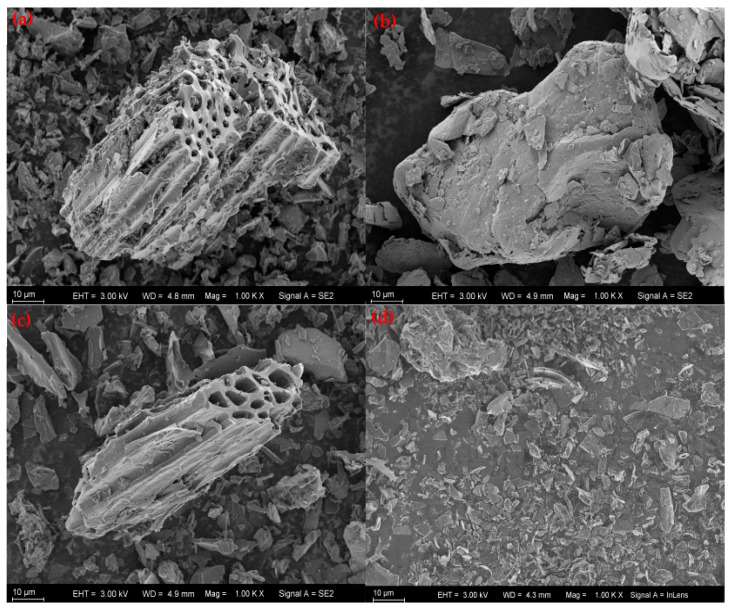 Figure 1
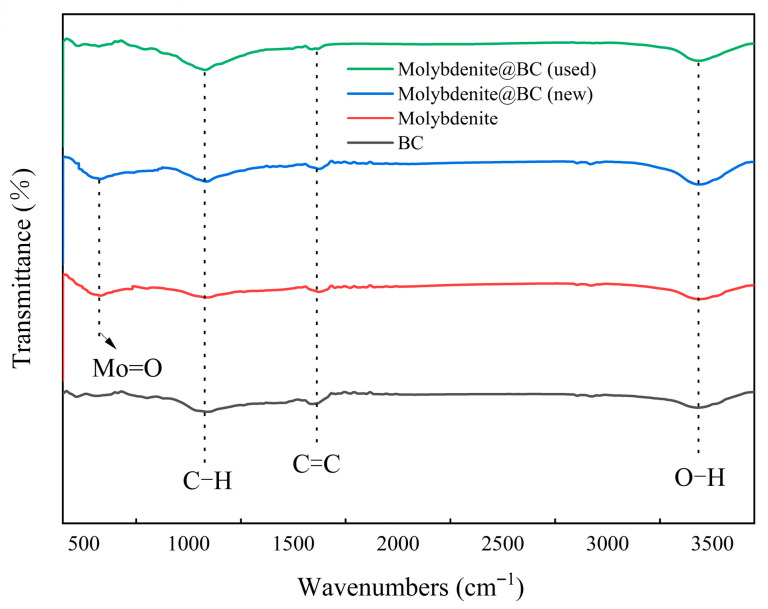 Figure 2
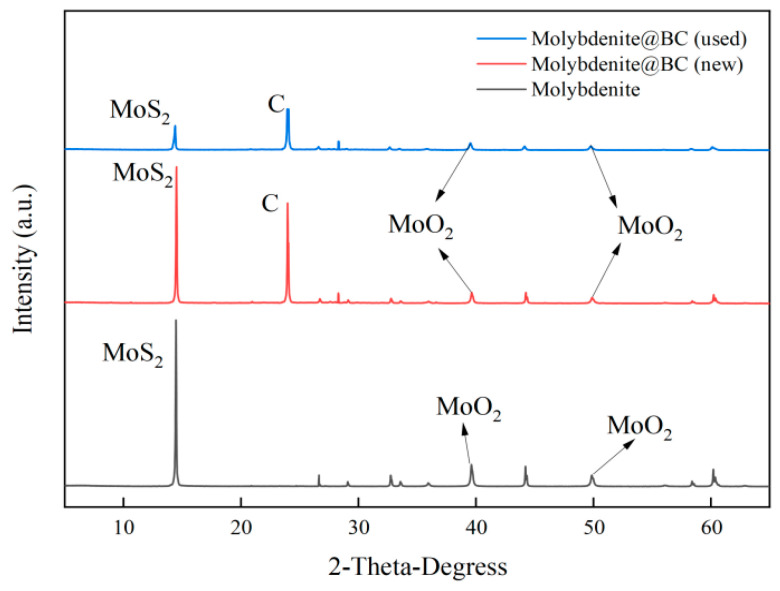 Figure 3
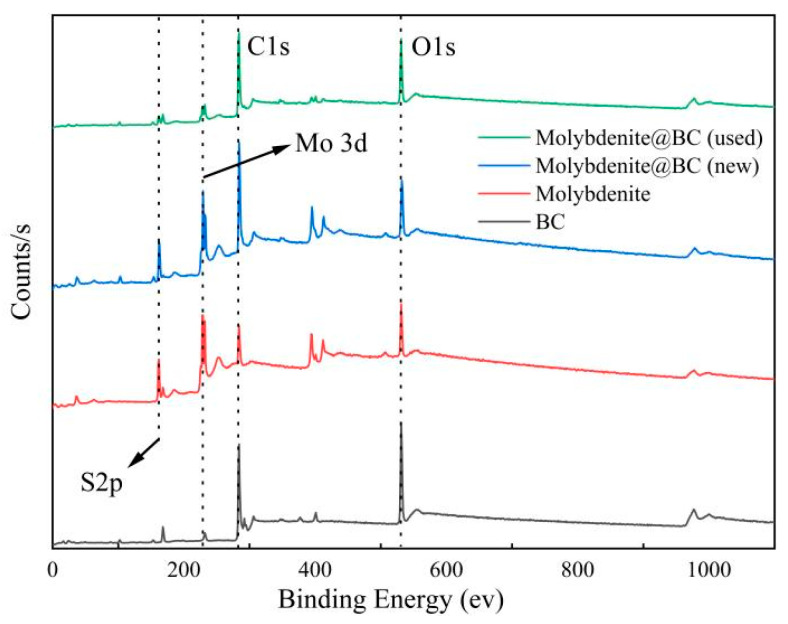 Figure 4
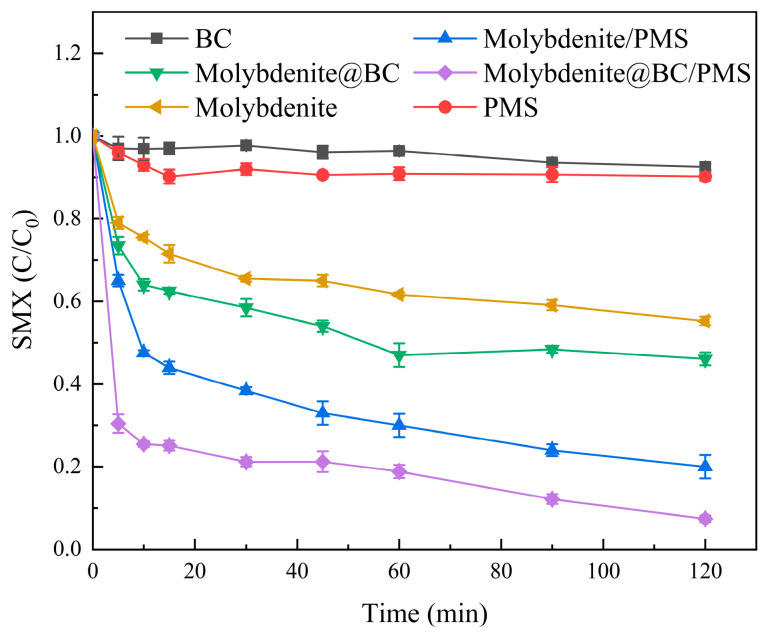 Figure 5
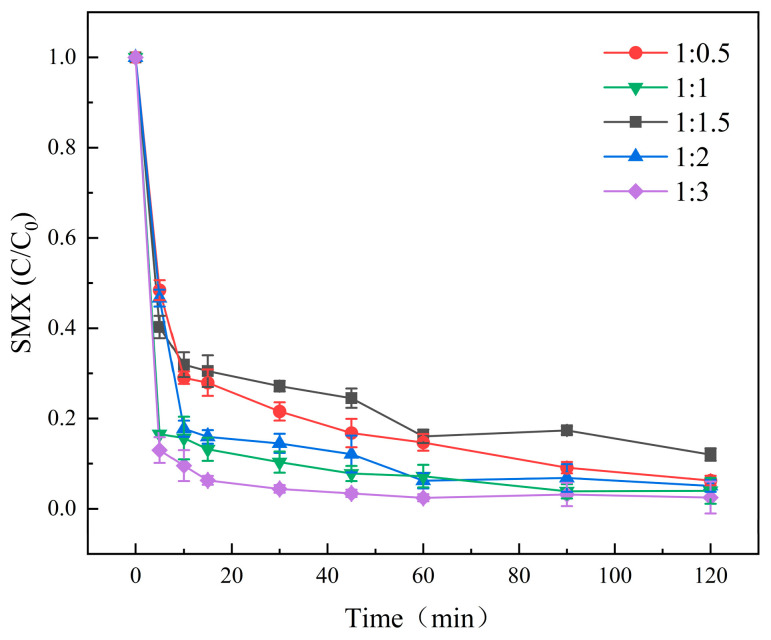 Figure 6
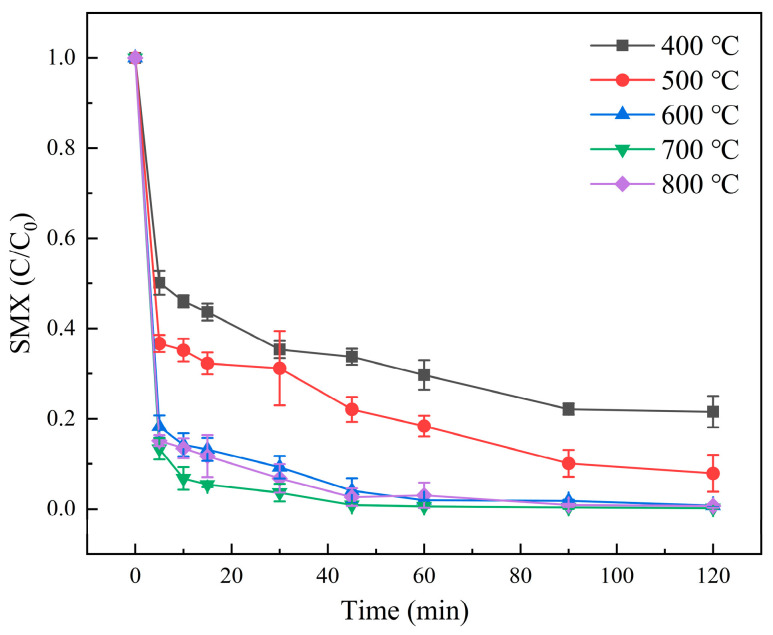 Figure 7
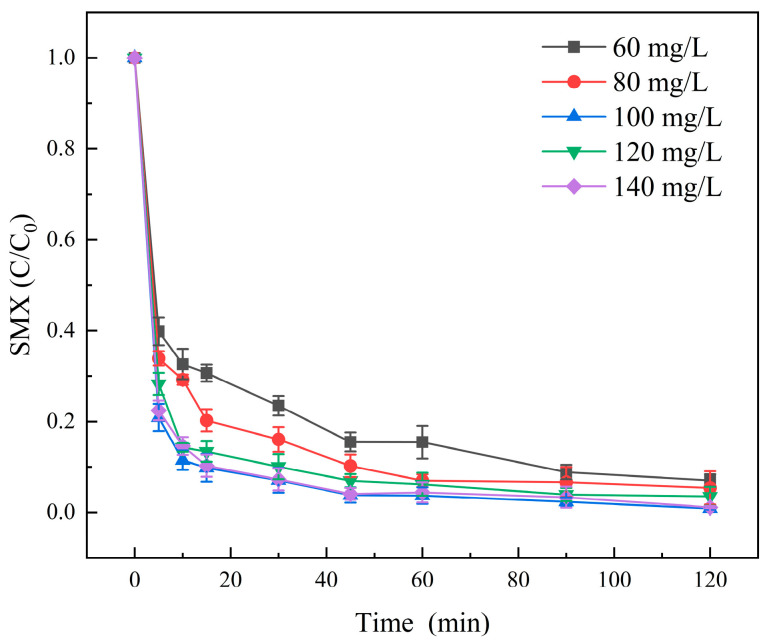 Figure 8
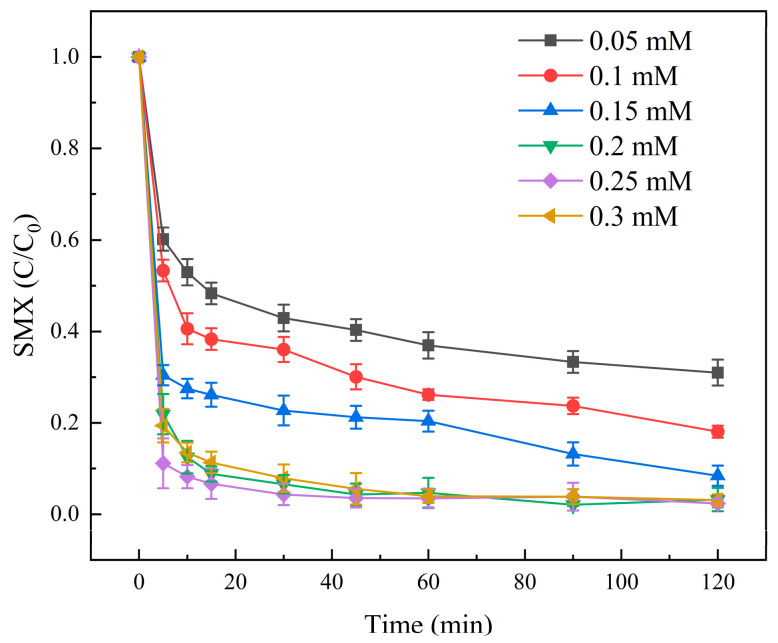 Figure 9
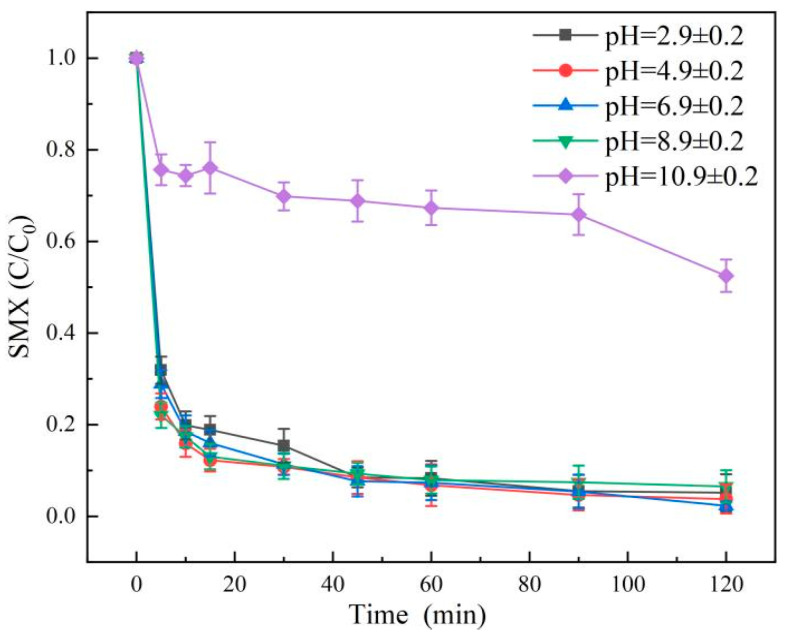 Figure 10
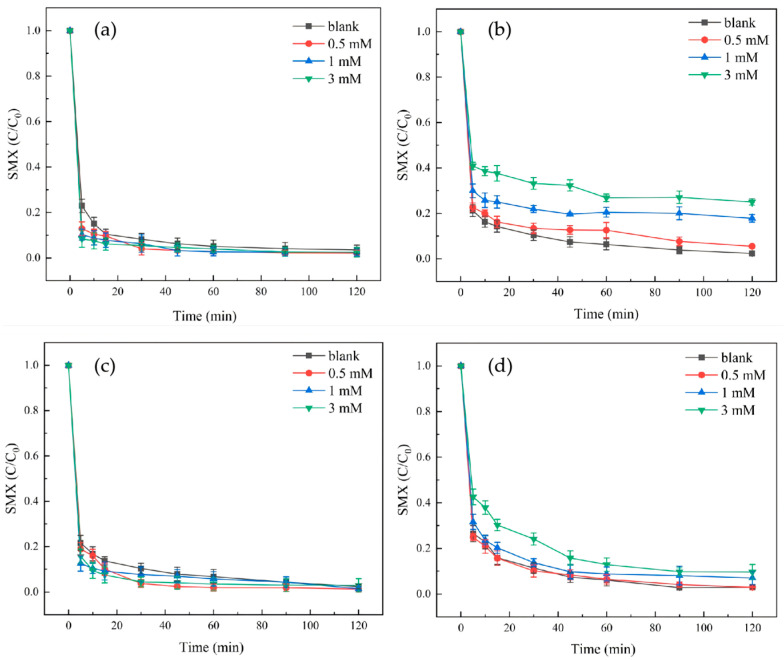 Figure 11
 Figure 12
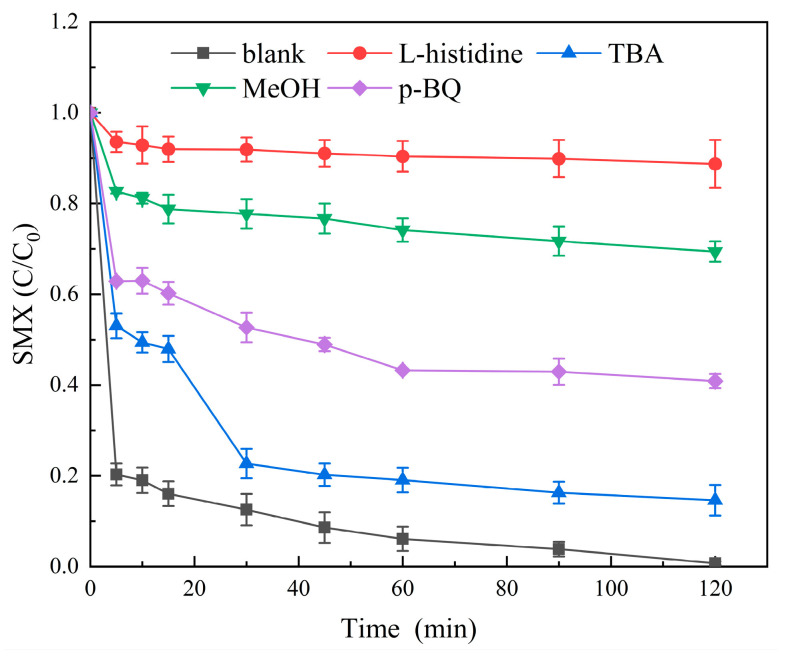 Figure 13
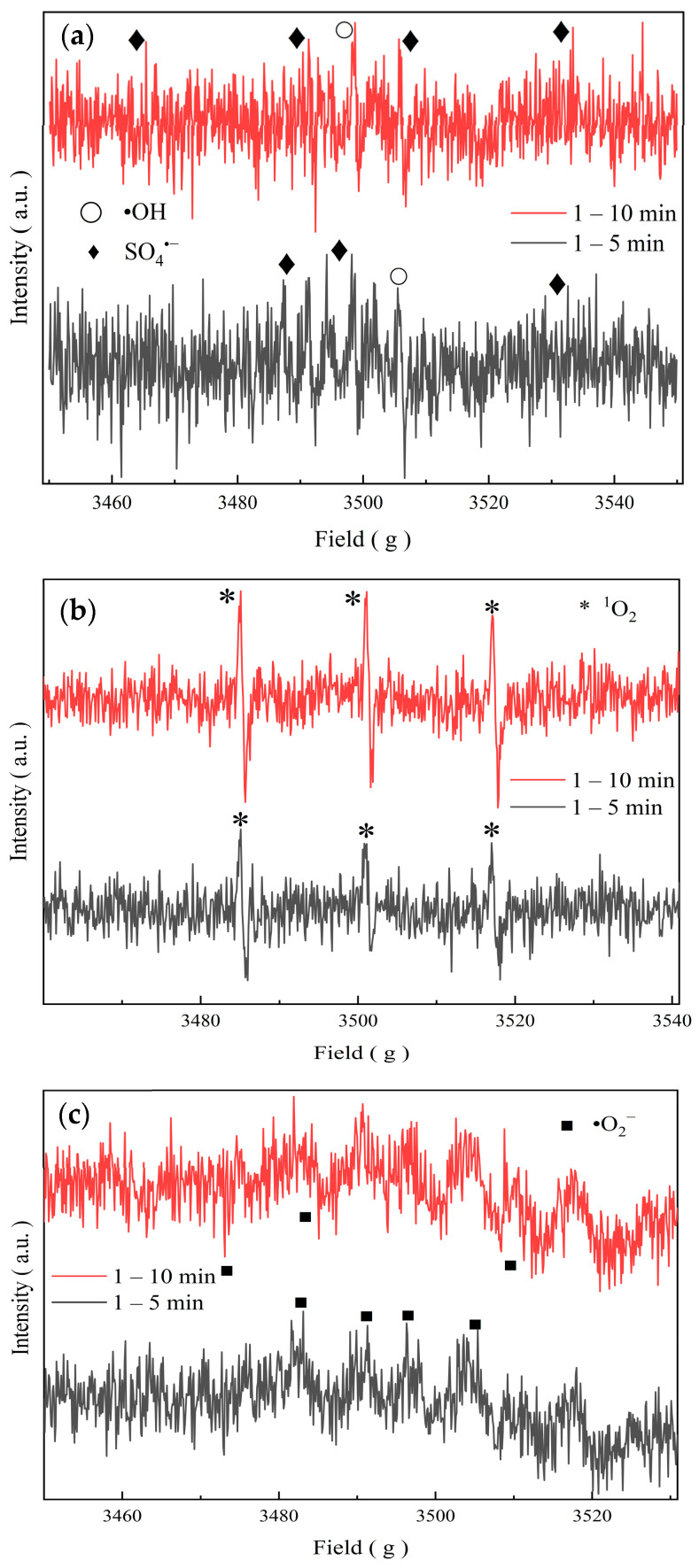 Figure 14
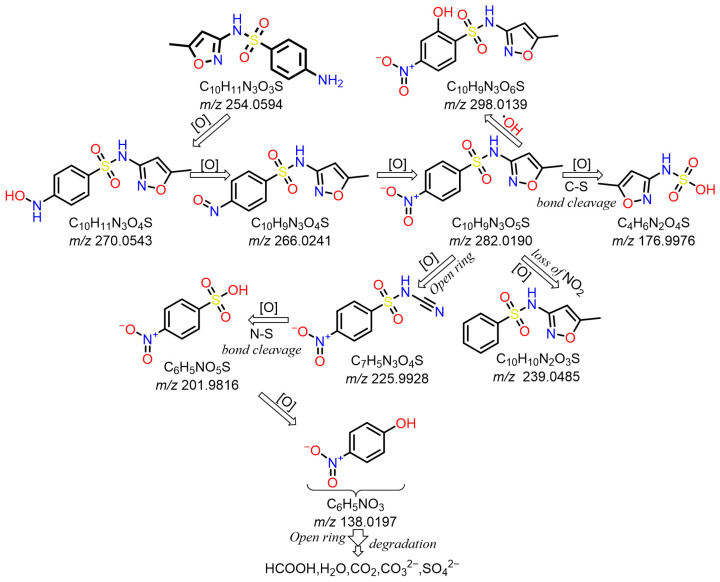 Figure 15
 Figure 16
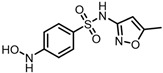 Figure 17
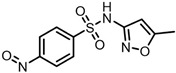 Figure 18
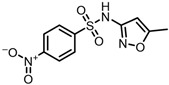 Figure 19
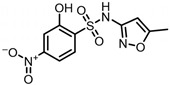 Figure 20
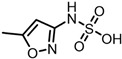 Figure 21
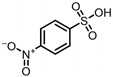 Figure 22
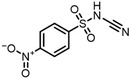 Figure 23
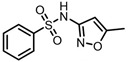 Figure 24
 Figure 25
Peer Reviews
No public reviews on file for this paper yet. If you reviewed it on a platform where reviews are public (OpenReview, ICLR, NeurIPS, ICML), you can paste yours below so the community can read it here.
Videos
No videos yet. Explain this paper in a talk, walkthrough, or lecture? Add one.
Taxonomy
TopicsAdvanced oxidation water treatment · Environmental remediation with nanomaterials · Industrial Gas Emission Control